-scaled.png)
-2048x1135-1.png)
Before installing or investing in an Battery Energy Storage System (BESS), distributors and installers must evaluate key factors such as system performance, safety certifications, scalability, cost efficiency, and compliance with local standards. Understanding these aspects ensures long-term profitability, operational safety, and sustainable business growth in the fast-evolving energy market.

Table of Contents
What Is an Battery Energy Storage System (BESS) and How Does It Work?
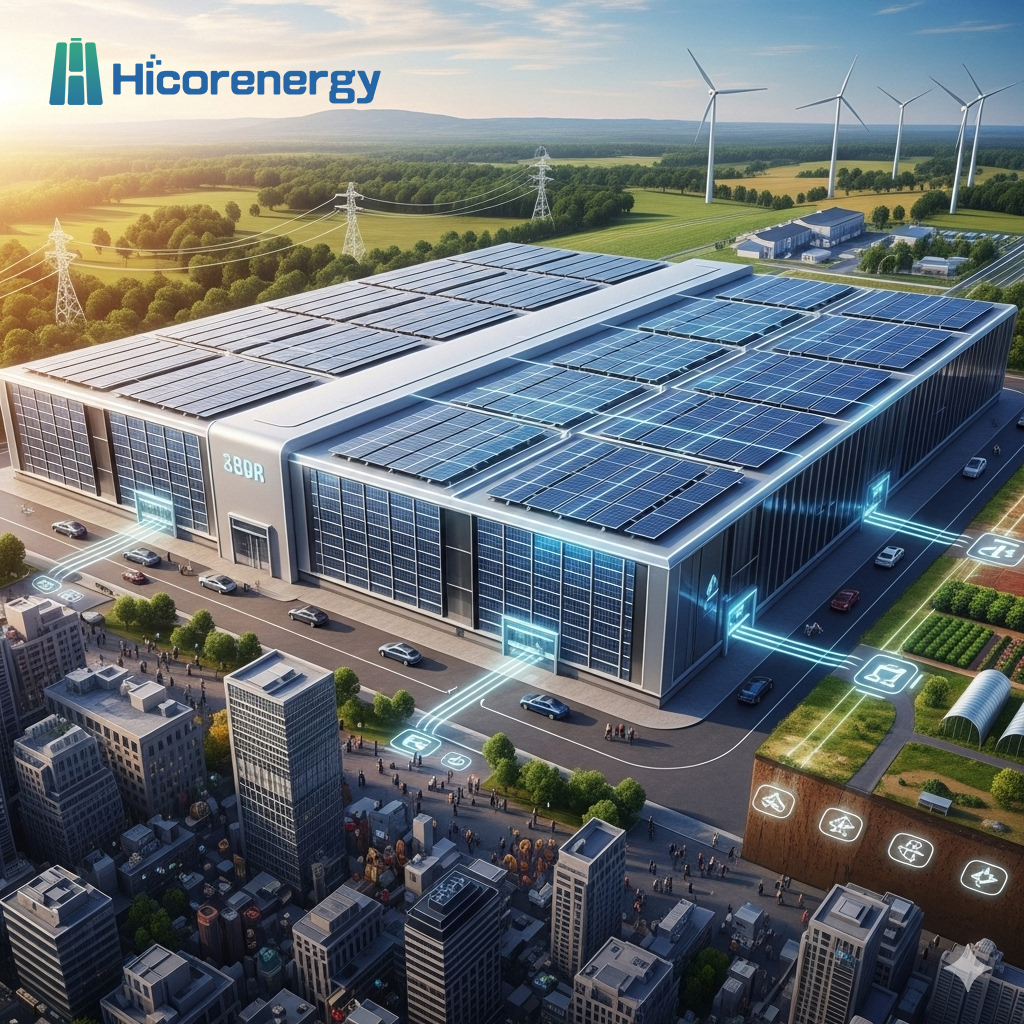
An Battery Energy Storage System (BESS) captures energy produced from renewable or grid sources and stores it for later use. It balances power supply and demand, ensuring efficient energy utilization and backup during outages. BESS typically includes lithium-ion batteries, inverters, and management systems that optimize performance and extend battery lifespan, offering energy independence for both residential and commercial users.
What Are the Main Benefits of Installing Battery Energy Storage Systems (BESS) for Businesses and Installers?
Battery Energy Storage Systems (BESS) enable users to store electricity during low-demand periods and discharge it when prices rise, reducing energy costs. Businesses benefit from load shifting, peak shaving, and backup power, while installers can expand their service portfolio with advanced technologies. Hicorenergy’s I-BOX 48100R and Si LV1 models feature over 6000 cycles, 95% round-trip efficiency, and easy scalability up to 491.52kWh, providing flexible, long-lasting energy storage for diverse applications. These systems are ideal for factories, households, and renewable energy projects seeking to stabilize power usage and enhance profitability.
What Are the Key Technical and Safety Requirements for BESS Installation in Australia?
In Australia, BESS installations must comply with standards such as AS/NZS 5139 for battery safety, AS/NZS 3000 for electrical wiring, and AS/NZS 4777 for inverter connections. Installers must ensure proper ventilation, fire protection, and isolation mechanisms. Systems should include certified battery management systems (BMS) and temperature control features. Hicorenergy’s C5° model, for example, provides multi-layer software and hardware protection, remote monitoring, and over-temperature safeguards—ensuring compliance, reliability, and peace of mind for both distributors and customers.
How Much Does an Energy Storage System Cost and What Factors Affect Pricing?
The cost of an BESS depends on several variables, including capacity, technology type, installation complexity, and brand quality. Residential systems typically range between USD 3,000–10,000, while commercial systems can exceed USD 100,000. Additional costs may include inverter integration, software licensing, and site preparation. Long-term savings, however, offset these expenses. Choosing high-performance BESS solutions like those from Hicorenergy—featuring high efficiency, modular design, and low maintenance—ensures a lower total cost of ownership. With a lifespan exceeding 20 years, systems such as SHV48100 and Si Station 230 offer durable, scalable options for distributors targeting both household and industrial clients.
What Financial Incentives, Rebates, or Government Grants Are Available for BESS Projects in Australia?
Australia offers multiple incentives for energy storage adoption, including the Small-scale Renewable Energy Scheme (SRES), state-level solar battery rebates, and local grants supporting microgrid and distributed storage projects. For example, some states provide rebates of up to AUD 3,500 for eligible homeowners installing batteries with solar PV. Distributors and installers partnering with reliable suppliers like Hicorenergy can maximize these benefits. Hicorenergy’s wide product line—including the I-BOX 48100R for homes and Si Station 186 for C&I users—ensures compatibility with various incentive programs due to their compliance with international safety standards and high energy efficiency. By offering certified, scalable systems, distributors can access subsidy-driven markets and expand profitability.
How Can Distributors and Installers Maximize Profit and ROI from Battery Energy Storage System Installations?
Profitability in the BESS sector relies on offering quality products, minimizing maintenance costs, and optimizing installation efficiency. Installers can enhance ROI by selecting modular, plug-and-play systems like Hicorenergy’s Si LV1, which supports rapid 15-minute installation and real-time monitoring. These systems reduce labor hours, ensure seamless integration with leading inverters, and provide strong after-sales support. Distributors can further boost returns by leveraging bulk purchase agreements, local warehousing, and scalable system configurations to serve both residential and C&I markets. By combining Hicorenergy’s high-performance batteries with tailored service strategies, businesses can achieve faster payback periods and strengthen long-term market competitiveness.
Summary
Hicorenergy provides safe, reliable, and efficient Battery Energy Storage Systems (BESS) for residential and commercial applications, empowering global partners to achieve energy independence and maximize ROI through innovation and performance.
Contact Hicorenergy
Email: service@hicorenergy.com
WhatsApp: +86 181-0666-0961
 English
  Español
  Deutsch
  Français
  Italiano
  Bahasa Indonesia
  Svenska
  Română
  Українська
  Tagalog