-scaled.png)
-2048x1135-1.png)
Table of Contents
What Is a Stacked Energy Storage System and How Does It Work?
In modern renewable energy systems, the ability to store electricity efficiently is just as important as generating it. A stacked energy storage system is an advanced modular battery architecture designed to provide scalable, space-efficient, and highly reliable energy storage. By stacking multiple battery modules into a single integrated structure, this system delivers flexible capacity expansion, strong power output, and optimized system efficiency for residential, commercial, and industrial applications.
A stacked energy storage system consists of multiple battery modules connected in series and/or parallel configurations to increase both voltage and total capacity. Unlike traditional single-cabinet storage units, stacked systems use a layered modular design, allowing users to tailor storage size according to real energy demand.
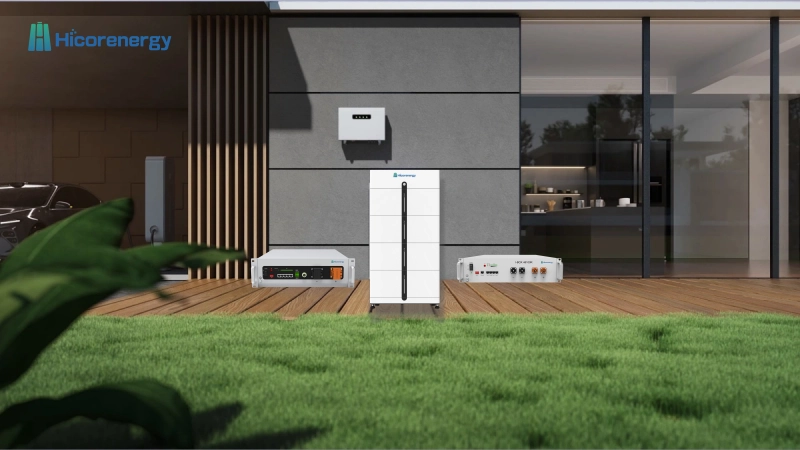
How Does a Stacked Energy Storage System Work?
These systems typically use lithium iron phosphate (LFP) or advanced lithium-ion battery cells due to their long lifespan, thermal stability, and high safety performance. Energy flows through the system in three main stages:
- Energy Input – Power from solar panels, wind systems, generators, or the utility grid enters the battery through an inverter or charge controller.
- Energy Storage – The Battery Management System (BMS) distributes and balances energy across stacked modules, ensuring safe voltage, temperature, and current levels.
- Energy Output – When electricity is needed, stored DC power is converted to AC through the inverter and supplied to loads such as homes, offices, or equipment.
Because modules are stacked, energy density per square meter is higher than in traditional cabinet systems, improving installation efficiency.

Key Structural Features of Stacked Battery Systems
- Modular Stack Design – Each battery unit functions independently yet integrates seamlessly into the system.
- Smart BMS Integration – Monitors cell voltage, temperature, and state of charge to prevent overcharge, over-discharge, or short circuits.
- Plug-and-Play Expansion – Capacity increases simply by adding modules.
- Space Optimization – Vertical stacking minimizes floor space requirements.
- Thermal & Safety Protection – Often includes LFP chemistry, fire-resistant casing, and multiple protection layers.
Product Example: Hicorenergy SI LV1 Stacked System
A practical implementation of stacked storage technology is the Hicorenergy SI LV1 system, engineered for both residential and light-commercial scenarios. It adopts a 48V low-voltage LFP architecture, ensuring safer installation and broad inverter compatibility.
Technical highlights include:
- Grade-A LiFePO₄ cells with over 6,000 cycle life
- Scalable design starting from ~5 kWh per module
- Expandable beyond 40 kWh for larger loads
- Natural cooling structure (fan-free, low maintenance)
- Integrated LCD display for system diagnostics
- Remote monitoring platform for real-time data access
- Built-in BMS protection against electrical and thermal risks
The plug-and-stack structure allows installers to complete system deployment quickly, while users can expand capacity later without system redesign.

Real-World Application Scenarios
Residential Solar Self-Consumption
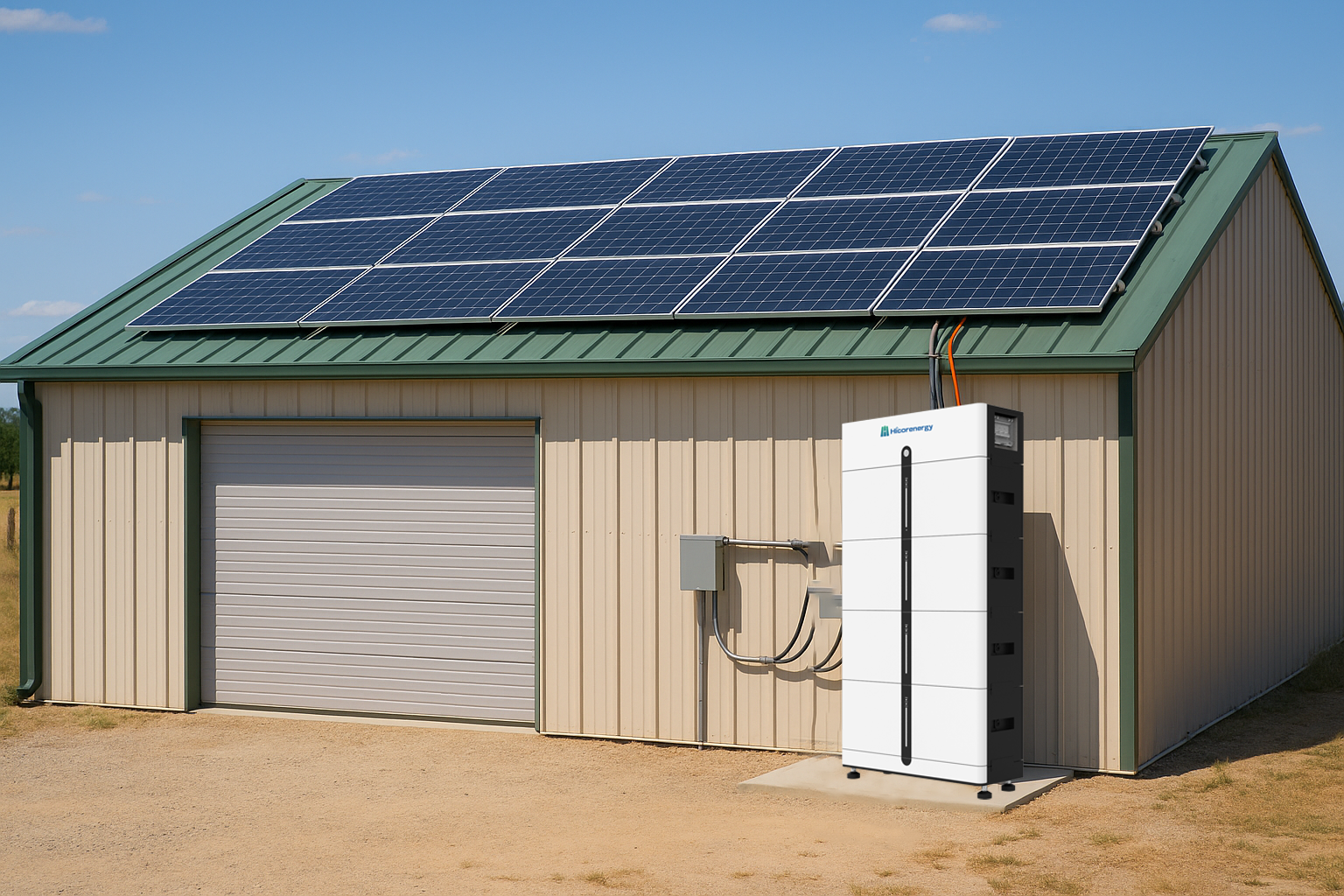
A homeowner installs a 10 kWh stacked system alongside rooftop PV. During the day, excess solar energy charges the batteries. At night, stored power runs lighting, appliances, and HVAC, reducing grid usage by over 60%.
Small Business Peak Shaving
A retail shop with high daytime demand adds stacked storage to limit peak grid draw. The system discharges during peak tariff hours, lowering electricity bills and improving power stability for sensitive equipment.
Backup Power for Critical Loads
In regions with unstable grids, stacked systems maintain operation of medical devices, communication systems, and refrigeration during outages.
Advantages Over Traditional Battery Systems
| Feature | Stacked Storage | Traditional Cabinet |
|---|---|---|
| Scalability | Add modules anytime | Fixed capacity |
| Space Use | Vertical, compact | Larger footprint |
| Installation | Plug-and-play | Complex wiring |
| Maintenance | Module-based | Whole system |
Summary
Stacked energy storage systems represent a modern approach to battery architecture, combining modularity, scalability, and high energy density in a compact form. They reduce upfront investment risk, simplify expansion, and improve installation efficiency.
With advanced solutions like the Hicorenergy SI LV1, users gain a safe, intelligent, and future-ready storage platform that supports renewable integration, energy cost reduction, and long-term energy resilience.
Contact Us Today:
Email: service@hicorenergy.com
WhatsApp: +86 181-0666-0961
-2048x617.png)
 English
  Español
  Deutsch
  Français
  Italiano
  Bahasa Indonesia
  Svenska
  Română
  Українська
  Tagalog