-scaled.png)
-2048x1135-1.png)
Power outages are becoming more frequent due to grid strain, aging infrastructure, and extreme weather. A Home Battery Backup system stores electricity for use when the grid fails, keeping essential appliances running and reducing energy costs. This guide explains how a Home Energy Storage System works, its benefits, key considerations, and whether investing in Solar Battery Storage is right for your home.
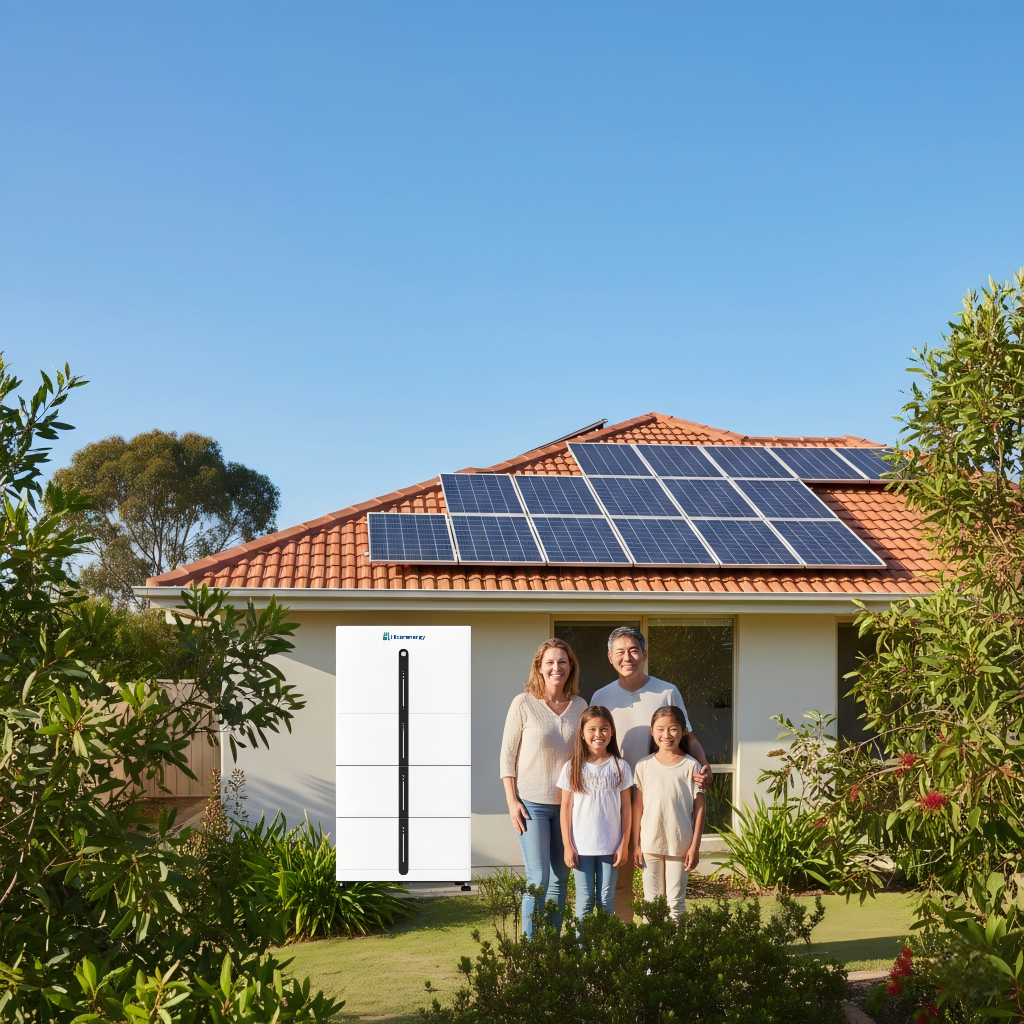
Table of Contents
The Rising Trend of Power Outages: Grid Strain and Extreme Weather
Power Outages are no longer rare, once-a-year inconveniences. Across many regions, rising electricity demand, overloaded transmission networks, wildfires, storms, and heatwaves are pushing grids beyond their limits. Aging infrastructure struggles to keep up with modern consumption patterns, especially as more homes adopt electric vehicles and electric heating. The result? More frequent and longer-lasting Power Outages.
For homeowners, this means disrupted work, spoiled food, safety risks, and discomfort during extreme temperatures. Traditional generators provide temporary relief but come with noise, fuel dependency, and emissions. This shift in risk is why the Home Battery Backup market is expanding rapidly. A reliable Home Battery Backup solution ensures households remain powered, connected, and safe when the grid becomes unreliable.
What is a Home Energy Storage System?
A Home Energy Storage System is a rechargeable battery setup that stores electricity for later use. It acts as your personal energy reserve, automatically supplying power during outages or peak pricing hours. Unlike basic Battery Backup devices, a modern Home Battery System integrates with your electrical panel and often with Solar Battery Storage, making your home more resilient and efficient. If you want protection from Power Outages while lowering bills, understanding Home Battery Backup technology is the first step toward energy independence.
Key Benefits: Beyond Keeping the Lights On During a Blackout
A Home Battery Backup does far more than emergency lighting. First, it ensures critical appliances—refrigerators, medical equipment, routers, and security systems—continue running during Power Outages. This provides both safety and convenience.
Second, a Home Energy Storage System helps manage electricity costs. By storing power when rates are low and using it when rates are high, homeowners reduce reliance on expensive grid electricity. This function alone can offset a significant portion of Energy Storage System Cost over time.
Third, when paired with advanced lithium systems like Hicorenergy’s SI LV1 or I-BOX 48100R, users gain modular expansion, intelligent monitoring, and long cycle life. These Home Battery Backup solutions offer stable performance, high efficiency, and scalable capacity for growing energy needs. Ultimately, a Home Battery System improves resilience, savings, and long-term home value.
Solar + Storage: Maximizing Energy Independence and Savings
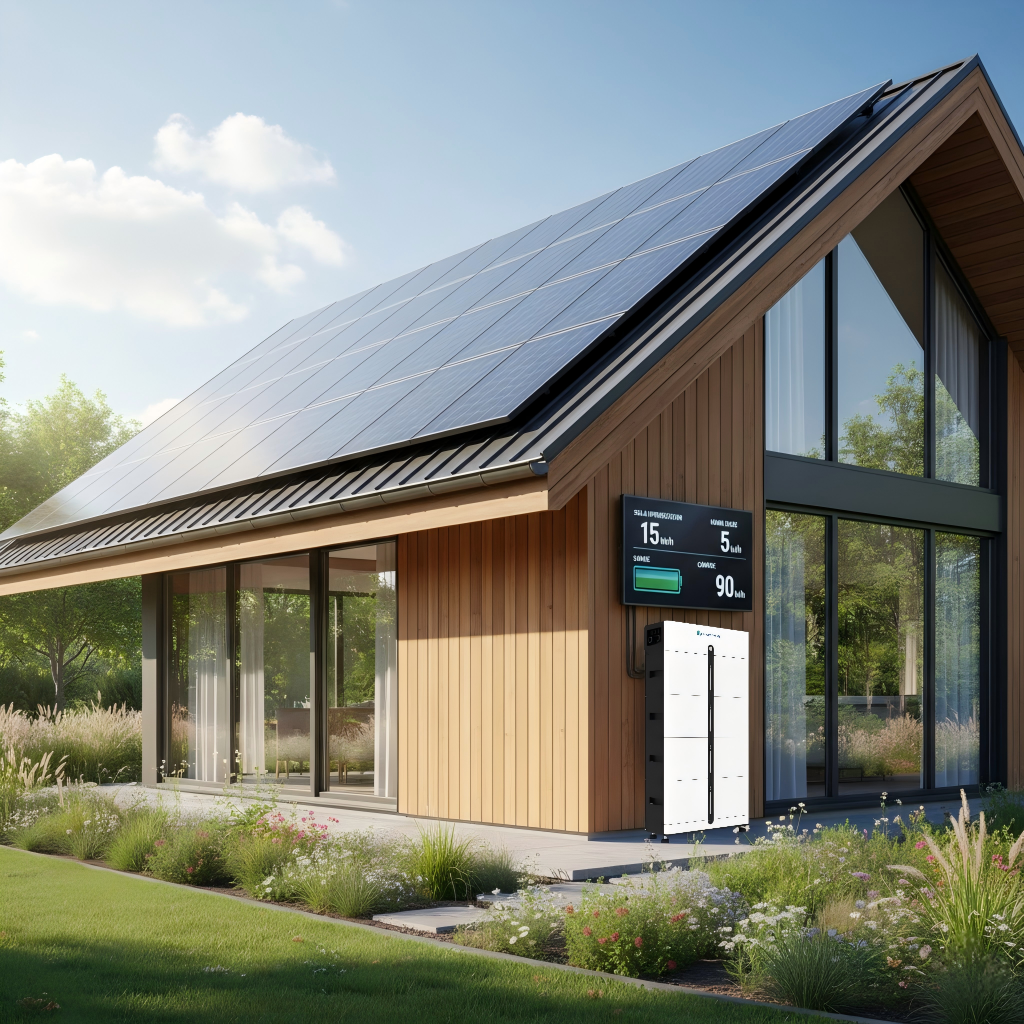
Combining Solar Battery Storage with a Home Battery Backup creates a powerful energy ecosystem. Solar panels generate electricity during the day, while your Home Energy Storage System stores excess production for nighttime use or emergencies. This reduces dependence on the grid and shields you from rising utility rates.
During Power Outages, solar panels alone often shut down for safety reasons. However, with a Home Battery Backup, stored solar energy keeps your home powered. This synergy boosts self-consumption and maximizes return on your solar investment.
Systems such as Hicorenergy’s I-BOX 48100R are designed for seamless solar integration, offering stable Battery Backup performance and intelligent energy management. Over time, Solar Battery Storage lowers energy bills, improves sustainability, and shortens the payback period of your Energy Storage System Cost.
What to Consider Before Installing a Home Battery System
Before investing in a Home Battery Backup, evaluate your household energy needs. Calculate daily consumption and identify essential loads you want powered during Power Outages. This determines the required battery capacity.
Next, consider compatibility. Your Home Battery System must integrate with your inverter, solar array (if any), and local grid regulations. Installation location, ventilation, and safety certifications also matter.
Budget is another key factor. Energy Storage System Cost varies depending on capacity, brand, and installation complexity. While upfront costs can seem high, incentives, bill savings, and outage protection often justify the investment.
Finally, choose reliable technology. Lithium iron phosphate batteries, like those in many Hicorenergy Home Battery Backup solutions, offer long lifespan, safety, and stable performance—critical for dependable Battery Backup.
Are Energy Storage Systems Worth the Investment for You?
Whether a Home Battery Backup is worthwhile depends on your outage frequency, electricity rates, and energy goals. If you live in an area with frequent Power Outages, the value of uninterrupted power alone can justify the cost.
For homeowners with solar, Solar Battery Storage significantly increases self-use of clean energy, accelerating savings. Time-of-use pricing also makes a Home Energy Storage System financially attractive by shifting consumption away from peak tariffs.
Beyond money, resilience matters. A Home Battery Backup provides peace of mind during storms, grid failures, or emergencies. When you factor in energy security, bill control, and sustainability, many households find the Energy Storage System Cost to be a strategic long-term investment rather than an expense.
Hicorenergy provides advanced Home Battery Backup solutions including the SI LV1 and I-BOX 48100R, designed for safety, scalability, and long service life. Their systems support solar integration, intelligent monitoring, and reliable performance during Power Outages, making them ideal Home Energy Storage System choices for modern households.
Contact Information
Email: service@hicorenergy.com
WhatsApp: +86 181-0666-0961
-2048x617.png)
 English
  Español
  Deutsch
  Français
  Italiano
  Bahasa Indonesia
  Svenska
  Română
  Українська
  Tagalog