-scaled.png)

Table of Contents
What is the definition of AI in the energy market?
AI in the energy market refers to the use of artificial intelligence technologies, including machine learning and data analytics, to improve energy efficiency, storage, distribution, and management. AI helps optimize renewable energy sources, enhance grid performance, and forecast demand, contributing to a smarter and more sustainable energy system.
Chinese AI Deepseek: A Leading Innovator in AI-Driven Energy Solutions
China’s AI industry is making significant strides in energy optimization, with Deepseek being a key player. Deepseek leverages AI to enhance energy efficiency, forecast demand, and optimize renewable energy storage. Its cutting-edge algorithms help manage resources more effectively, reduce costs, and improve energy sustainability. As AI technology continues to evolve, its role in revolutionizing the energy sector is expected to grow substantially.
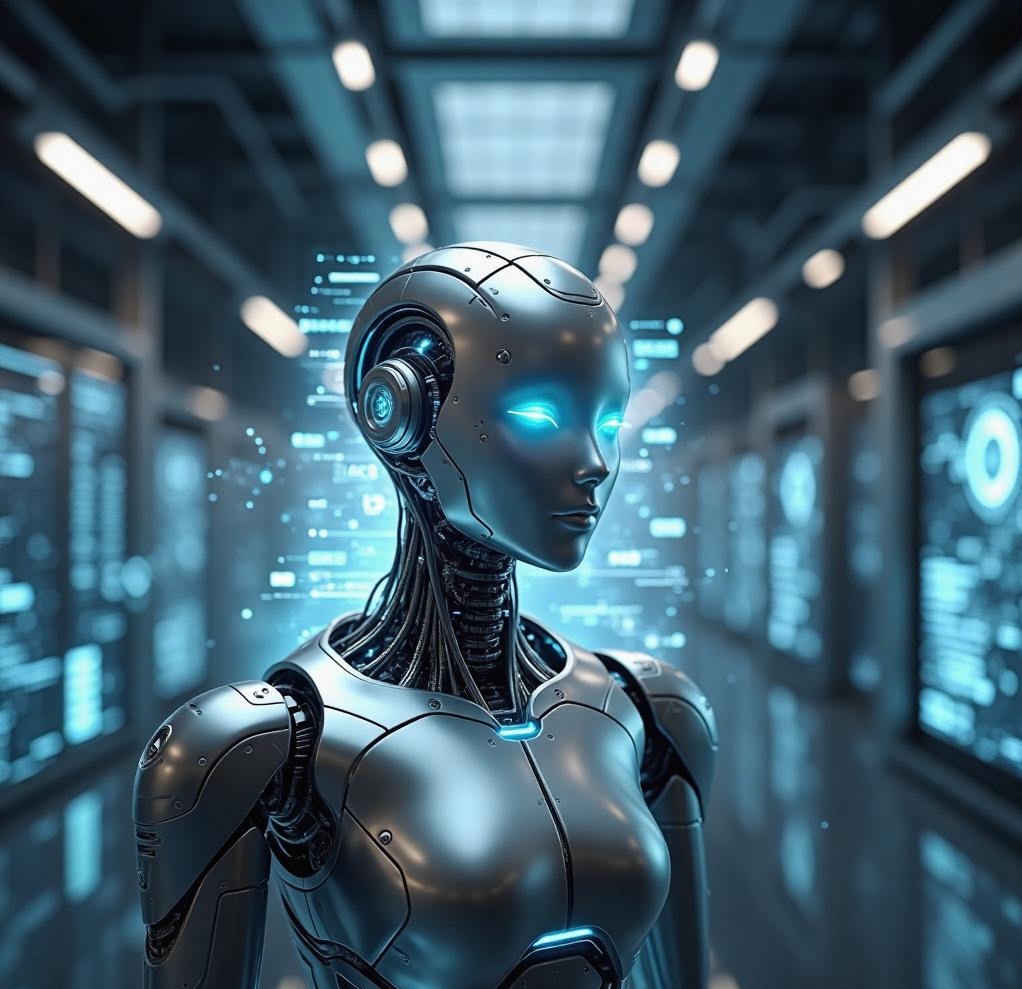
AI is unlocking new opportunities in energy management, making energy consumption smarter, more efficient, and sustainable. Let’s explore its impact.
How AI is Revolutionizing Energy Storage Systems
Energy storage is a crucial component of modern energy infrastructure, and AI is transforming how storage systems operate. AI-powered battery management systems, such as those developed by Hicorenergy, optimize the performance and longevity of lithium-ion batteries. By analyzing real-time data, AI adjusts charging and discharging cycles, extending battery life and improving efficiency.
AI also enhances energy storage by balancing supply and demand. For example, during periods of low demand, AI ensures that excess renewable energy, such as solar energy, is stored efficiently. During peak times, it intelligently manages energy release, reducing grid stress and ensuring stable power supply. These capabilities are essential for home energy storage, industrial energy applications, and commercial solutions that require reliable power backup.
Moreover, predictive maintenance powered by AI helps prevent system failures. By detecting early signs of battery degradation, AI enables timely interventions, reducing maintenance costs and extending the lifespan of energy storage solutions. This makes energy storage systems more cost-effective and sustainable, driving the energy revolution forward.
AI’s Role in Smart Grid Management and Optimization
Smart grids are modernizing the way electricity is distributed, and AI is at the core of this transformation. AI-driven smart grid systems analyze vast amounts of data from power lines, sensors, and user demand patterns to optimize electricity distribution in real-time. This helps utilities reduce energy waste, prevent outages, and ensure efficient grid operations.
One of AI’s key advantages in smart grid management is its ability to predict and prevent power failures. By analyzing historical data and detecting anomalies, AI can identify potential faults before they escalate, ensuring a stable energy supply. For commercial solutions and industrial energy applications, this reliability is crucial for maintaining uninterrupted operations.
Additionally, AI improves grid flexibility by integrating renewable energy sources like solar energy and wind power. It dynamically adjusts grid operations based on weather forecasts and energy availability, ensuring seamless integration of sustainable energy sources. AI’s ability to optimize grid performance reduces dependency on traditional grid power, making energy distribution smarter and more resilient.
Predictive Analytics and Demand Forecasting in Energy Consumption
AI-driven predictive analytics is transforming how energy providers and consumers manage electricity usage. By analyzing historical consumption patterns, weather conditions, and market trends, AI can forecast energy demand with high accuracy. This allows energy providers to optimize power generation, reducing waste and ensuring cost-effective energy distribution.
For residential users, AI enhances home energy storage by predicting peak energy usage times and optimizing energy storage accordingly. For instance, an AI-powered battery energy storage system can charge during off-peak hours when electricity rates are lower and discharge during peak hours, reducing energy costs for homeowners.
In the industrial and commercial sectors, predictive analytics helps businesses anticipate energy needs, preventing shortages and reducing excess consumption. This contributes to sustainable energy practices by minimizing waste and optimizing energy efficiency. AI-powered energy innovation also enables better demand-side management, ensuring that power backup solutions are deployed efficiently when needed.
AI-Powered Solutions for Renewable Energy Integration
Integrating renewable energy into the power grid presents challenges due to the intermittent nature of solar and wind power. AI addresses these challenges by optimizing energy generation, storage, and distribution to maximize efficiency and reliability.
AI algorithms analyze weather data, solar radiation levels, and wind speeds to predict renewable energy output. This allows grid operators to adjust energy storage and distribution plans in advance, ensuring a stable energy supply. AI also helps manage fluctuations in renewable energy production by dynamically shifting loads and balancing supply with demand.
For solar energy applications, AI enhances energy efficiency by determining the best times for energy generation and storage. In industrial energy settings, AI optimizes energy allocation based on real-time demand, reducing reliance on fossil fuels and promoting clean energy adoption.
Furthermore, AI supports virtual power plants (VPPs), which aggregate decentralized energy resources, such as residential solar panels and battery storage systems, into a unified network. By intelligently managing these distributed energy sources, AI maximizes renewable energy utilization and enhances grid stability, accelerating the transition to a more sustainable energy future.
AI is driving a smarter, more efficient, and sustainable energy market, unlocking opportunities for innovation in energy storage, grid management, and renewable energy integration.
 English
  Español
  Deutsch
  Français
  Italiano
  Bahasa Indonesia
  Svenska
  Română
  Українська
  Tagalog