-scaled.png)
-2048x1135-1.png)
Battery storage offers Australia a path to overcome its aging energy infrastructure by stabilizing renewable energy, reducing grid problems, and ensuring reliable power. By integrating advanced grid-scale solutions, the country can address rising energy demands while supporting a sustainable and cost-effective energy future.
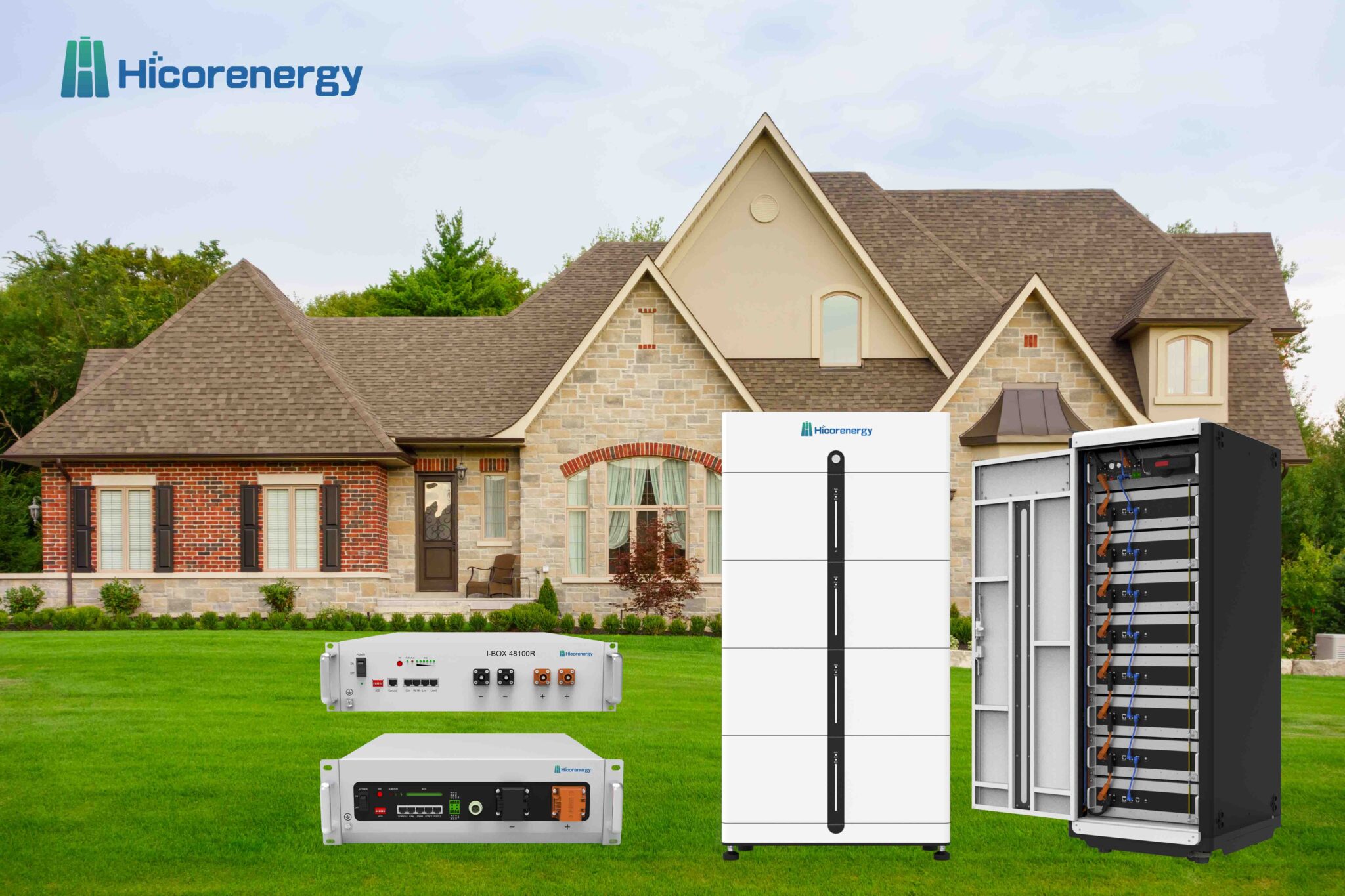
Table of Contents
The Urgent Need: Understanding Australia’s Aging Energy Infrastructure
Australia’s energy grid faces mounting challenges due to outdated infrastructure, rising electricity demand, and the growing share of renewable energy. Much of the grid was built decades ago and struggles to keep up with modern requirements. Frequent outages, voltage instability, and transmission bottlenecks are clear signs of strain. With the shift toward renewable energy sources such as solar and wind, which are intermittent by nature, grid operators are finding it increasingly difficult to balance supply and demand. This highlights the urgent need for innovative solutions like battery storage to modernize the system and prevent energy crises.
What is Grid-Scale Battery Storage and How Does It Work?
Grid-scale battery storage is a technology that allows large amounts of electricity to be stored and dispatched when needed. By charging during periods of surplus renewable generation and discharging during high demand, these systems stabilize the energy grid. They reduce reliance on fossil fuel backup, prevent blackouts, and enable more efficient integration of renewable energy. This flexibility makes battery storage a cornerstone of grid modernization.
Key Benefits of Battery Storage for Australia’s Grid
Battery storage provides multiple benefits to Australia’s energy system. It ensures stability of renewable energy by storing excess solar or wind power for later use, reducing curtailment and waste. It also enhances grid reliability by addressing frequency fluctuations and supporting uninterrupted supply during outages.
Hicorenergy contributes to this transformation with advanced solutions tailored to both residential and commercial needs. Products such as the I-BOX 48100R and Si LV1 deliver long-lasting performance, efficiency above 95%, and over 6,000 cycles of safe operation. For larger-scale needs, the Si Station 186 and Si Station 230 provide modular, scalable solutions for generation plants and distribution grids. These systems are flexible, easy to install, and certified to global standards. Together, they help households, businesses, and utilities achieve energy independence while reducing costs.

Beyond the Big Battery: Types of Energy Storage Solutions
While Australia’s Hornsdale Power Reserve is the most famous example of grid-scale battery storage, there are several types of energy storage that play vital roles. Lithium-ion batteries dominate due to their efficiency, fast response, and scalability. Pumped hydro, another major solution, uses water reservoirs to store energy and release it when required, though it requires significant geographic and environmental considerations. Thermal storage, compressed air, and hydrogen-based systems are also being explored. For commercial battery storage, modular cabinet systems such as Hicorenergy’s SHV48100 allow scalable installations in buildings, factories, and charging stations. A diverse mix of solutions ensures that Australia can meet varying energy demands across regions.
Real-World Success: Australian Battery Storage Projects in Action
Australia has already demonstrated the potential of large-scale battery storage. The Hornsdale Power Reserve in South Australia, one of the largest lithium-ion battery systems in the world, has proven critical in reducing costs, preventing blackouts, and stabilizing frequency. Other projects, such as the Victorian Big Battery and the Wandoan South BESS in Queensland, show how investing in battery storage enhances energy security. These projects provide valuable case studies for expanding the role of batteries across the nation. By combining renewable energy projects with storage, Australia is creating a more resilient and sustainable grid.
The Future of Australia’s Energy: Next Steps for Adoption
The future of Australia’s energy lies in expanding storage capacity, encouraging investment, and improving policy support. As renewable penetration increases, reliance on flexible storage will only grow. Continued government incentives, partnerships with global technology providers, and innovations in lithium-ion and alternative storage technologies will accelerate adoption. With falling battery costs and proven benefits, commercial and residential sectors alike are turning to storage to reduce costs and ensure resilience. Grid-scale battery storage, combined with diversified technologies like pumped hydro, will be essential to shaping the future of Australian energy.
Hicorenergy Solutions at a Glance
Hicorenergy offers safe, scalable, and efficient lithium battery storage systems ranging from residential to commercial and grid-scale applications. With advanced features such as remote monitoring, wide operating temperature ranges, and long service life, these products empower customers worldwide to achieve energy security.
For more information about how battery storage can transform energy systems, contact Hicorenergy today.
📧 Email: service@hicorenergy.com
📱 WhatsApp: +86 181-0666-0961
-2048x617.png)
 English
  Español
  Deutsch
  Français
  Italiano
  Bahasa Indonesia
  Svenska
  Română
  Українська
  Tagalog