-scaled.png)
-2048x1135-1.png)
Residential energy storage has become an increasingly popular solution for households seeking greater energy independence, cost savings, and backup power during outages. From understanding how these systems work to evaluating costs, lifespan, and return on investment, this guide answers the most common questions homeowners have before making a purchase.

Table of Contents
What is Residential Energy Storage and How Does It Work?
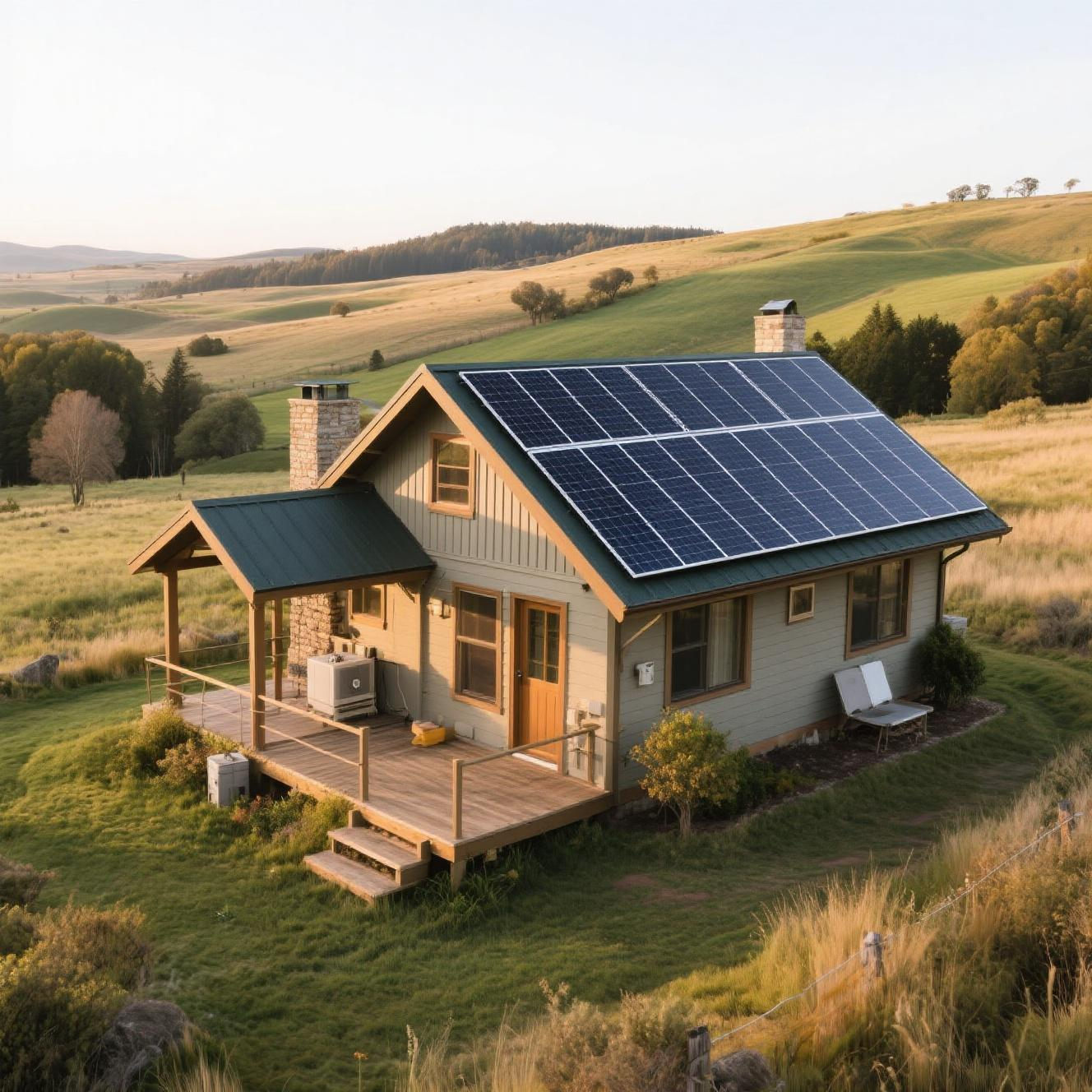
Residential energy storage systems store electricity—often from solar panels—for use during peak hours or power outages, improving energy efficiency and reducing reliance on the grid.
Benefits of Installing a Home Battery System: Is It Right for You?
Home battery systems provide multiple advantages. They allow households to store excess solar power generated during the day for use at night, cutting electricity bills. They also serve as backup power during outages, an essential benefit in areas with unstable supply. With time-of-use rates, batteries can discharge stored energy during expensive peak periods, maximizing cost savings. Environmentally, residential energy storage reduces reliance on fossil-fuel-powered grids, supporting a cleaner energy future. Additionally, modern systems like Hicorenergy’s I-BOX 48100R or C5° feature smart monitoring and flexible installation, making them adaptable to a wide range of homes and needs. For homeowners looking to secure power stability and long-term savings, these benefits can be compelling.
How Much Does Residential Energy Storage Cost? A Breakdown of Pricing and Savings
The cost of a residential energy storage system varies based on capacity, technology, installation complexity, and additional features like smart monitoring. While initial investment may be substantial, long-term savings from reduced energy bills and increased energy security often offset the cost.
What Are the Different Types of Home Battery Systems Available?
Home battery systems are typically categorized by chemistry, voltage, and application. The most common are lithium iron phosphate (LiFePO₄) batteries, known for long life, safety, and efficiency. Low-voltage systems (such as Hicorenergy’s Si LV1) are ideal for smaller backup setups, offering easy installation and modular expansion. High-voltage systems (like the SHV48100) are designed for greater capacity and efficiency, suitable for larger homes or integrated solar-plus-storage applications. All-in-one systems combine inverters and batteries into a single unit, streamlining installation. Choosing the right type depends on household energy consumption, space availability, and whether the system will operate off-grid, on-grid, or in hybrid mode.
How Long Do Residential Energy Storage Systems Last and How to Maintain Them?
The lifespan of a residential energy storage system depends on the number of charge-discharge cycles, operating temperature, and maintenance quality. Premium LiFePO₄ systems, like those from Hicorenergy, offer up to 6,000 cycles at 90% depth of discharge, maintaining high efficiency over 10–20 years. To maintain performance, batteries should be kept within recommended temperature ranges, regularly monitored for faults via integrated BMS, and updated with the latest firmware for enhanced protection. Periodic inspections for loose connections, dust buildup, or damage can further ensure optimal operation. With proper care, homeowners can maximize the usable life of their investment.
Is Residential Energy Storage a Good Investment for My Home? Key Considerations.
Whether residential energy storage is a worthwhile investment depends on factors such as local electricity rates, outage frequency, and solar energy availability. For homes in regions with frequent power cuts or high peak-hour pricing, the benefits are significant. Hicorenergy’s residential products—like the compact I-BOX 48100R, high-performance C5°, and modular Si LV1—offer safe, reliable, and scalable solutions tailored to diverse needs. These systems not only ensure uninterrupted power but also deliver high round-trip efficiency (>95%), reducing electricity bills over time. For households seeking both energy independence and long-term cost benefits, the right system can offer a solid return on investment while enhancing sustainability.
Summary
Hicorenergy delivers residential energy storage solutions with long lifespans, advanced safety, and smart monitoring to meet the needs of modern households.
Contact us:
 English
  Español
  Deutsch
  Français
  Italiano
  Bahasa Indonesia
  Svenska
  Română
  Українська
  Tagalog