-scaled.png)
-2048x1135-1.png)
Australia’s 2025 energy storage reforms promise cheaper home batteries, stronger grid independence, and better support for renewable integration. These reforms create new opportunities for households and businesses to cut energy bills, access rebates, and adopt long-duration energy storage, while strengthening Australia’s transition to clean energy.
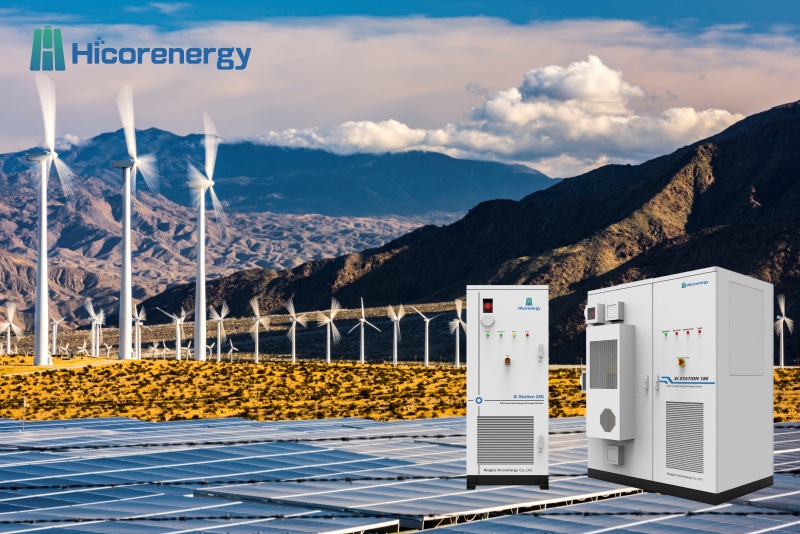
Table of Contents
2025 Australia Energy Storage Reforms: Simplified Overview
In 2025, Australia will implement sweeping energy storage reforms aimed at driving adoption of battery energy storage systems (BESS). These reforms include the Cheaper Home Batteries Program, expanded Renewable Energy Zones (REZs), and support for long-duration energy storage to stabilize supply during peak demand. By encouraging investment in residential and commercial storage, the government seeks to reduce reliance on coal, lower electricity costs, and enhance energy independence. The battery storage market in Australia is forecast to grow significantly, with both households and industries gaining incentives for adopting scalable, efficient battery solutions. These measures will ensure storage plays a central role in balancing renewable generation with consumer needs.
Maximize Your 2025 Solar & Battery Rebate Savings
With rebates for solar and battery systems at their most generous in 2025, homeowners and businesses stand to save more than ever before. Acting early not only ensures access to subsidies under the Cheaper Home Batteries Program but also secures protection against rising grid costs. The sooner systems are installed, the greater the long-term financial and energy independence benefits.
Is a Home Battery Worth It in Australia 2025?
Home batteries are increasingly worthwhile in 2025 thanks to government rebates, falling lithium battery prices, and rising electricity bills. Households can store excess solar energy for evening use, lowering grid reliance and electricity costs. With long-lasting lithium iron phosphate (LiFePO4) batteries, like those used in Hicorenergy’s residential range, Australians benefit from 6,000+ life cycles, high efficiency, and warranties of up to 10 years. These systems offer protection against blackouts while maximizing time-of-use savings. Combined with reforms that support virtual power plants, homeowners can even sell stored power back to the grid, creating new income streams. For families facing unstable supply, batteries have become both a practical and profitable investment.

Commercial Battery Solutions for Australian Businesses 2025
For businesses, 2025 reforms expand opportunities to integrate BESS into operations. Factories, office complexes, and commercial facilities can cut peak demand charges, participate in demand response programs, and secure backup power during outages. With energy costs rising, Australian businesses are turning to modular storage systems like Hicorenergy’s Si Station 186 and Si Station 230, offering 186–230kWh capacity with air or liquid cooling options. These scalable solutions are designed for industrial-grade performance, enabling companies to stabilize operations while reducing costs. Furthermore, the reforms encourage commercial participation in Renewable Energy Zones Australia, unlocking new incentives for businesses adopting energy storage. In a competitive market, BESS offers both financial savings and a greener corporate image.
Guide to Tesla Powerwall & Alternatives in Australia
The Tesla Powerwall remains popular, but by 2025, more cost-effective and flexible alternatives are widely available. Hicorenergy provides residential and commercial energy storage systems that rival and often exceed Powerwall specifications. The I-BOX 48100R is a compact, scalable home battery with >95% round-trip efficiency, compatibility with major inverters, and up to 20 years of design life. For homeowners with limited space, the Si LV1 offers plug-and-play installation within 15 minutes, scalable up to 122.88kWh, and robust safety certifications. On the commercial side, the Si Station series deliver scalable solutions for businesses and utilities. These alternatives not only match Tesla’s performance but also provide flexible configurations, local delivery support, and advanced monitoring systems tailored to Australia’s energy market needs.
How Battery Storage Strengthens Australia’s Grid Independence
Battery storage is central to Australia’s push for grid independence in 2025. By storing surplus solar and wind energy, batteries reduce reliance on fossil fuels and minimize the risk of blackouts. Long-duration energy storage solutions allow renewable energy to be dispatched during cloudy days or peak demand hours, ensuring stability. Virtual power plants, supported by reforms, will see networks of home and business batteries acting as distributed energy resources, easing pressure on the grid. This decentralization enhances resilience against outages, strengthens energy security, and reduces costs. By 2025, battery adoption will not only empower individual users but also serve national energy goals.
Hicorenergy: Reliable Storage for Homes & Businesses
Hicorenergy delivers safe, efficient, and scalable lithium battery systems for households and enterprises, supporting Australia’s clean energy future.
For details, contact:
-2048x617.png)
 English
  Español
  Deutsch
  Français
  Italiano
  Bahasa Indonesia
  Svenska
  Română
  Українська
  Tagalog