-scaled.png)
-2048x1135-1.png)
As the demand for clean, reliable energy continues to grow, many homeowners and businesses are turning to lithium battery energy storage systems as a solution. However, the high upfront costs of purchasing and installing these systems can be a barrier. One promising approach to overcome this challenge is energy storage leasing. With a zero-down battery system, more users can access sustainable power solutions without the financial strain of ownership. But how does leasing compare to buying? And who benefits most from these models?
How Energy Storage Leasing Makes Lithium Battery Systems Affordable for Everyone
Energy storage leasing eliminates high upfront costs, offering zero-down lithium battery deployment, making home and commercial systems accessible to all.
When comparing leasing versus buying an energy storage system, both options have distinct pros and cons depending on the user’s priorities. Leasing typically offers lower initial costs, predictable monthly payments, and maintenance support—ideal for those prioritizing affordability and convenience. Buying, on the other hand, often yields higher long-term savings, tax benefits (where applicable), and full ownership. For businesses focused on ROI and long-term energy independence, purchase models may be more favorable.
Let’s explore why this energy model is gaining ground worldwide.
Table of Contents
What Is Energy Storage Leasing and How Does It Work?
Energy storage leasing is a financing arrangement where a homeowner or business rents a lithium battery system from a provider without paying the full cost upfront. In a typical solar battery lease, the system is installed by the provider and remains under their ownership, while the user pays a fixed monthly fee. This fee covers the use of the battery system, often including monitoring, maintenance, and potential upgrades.
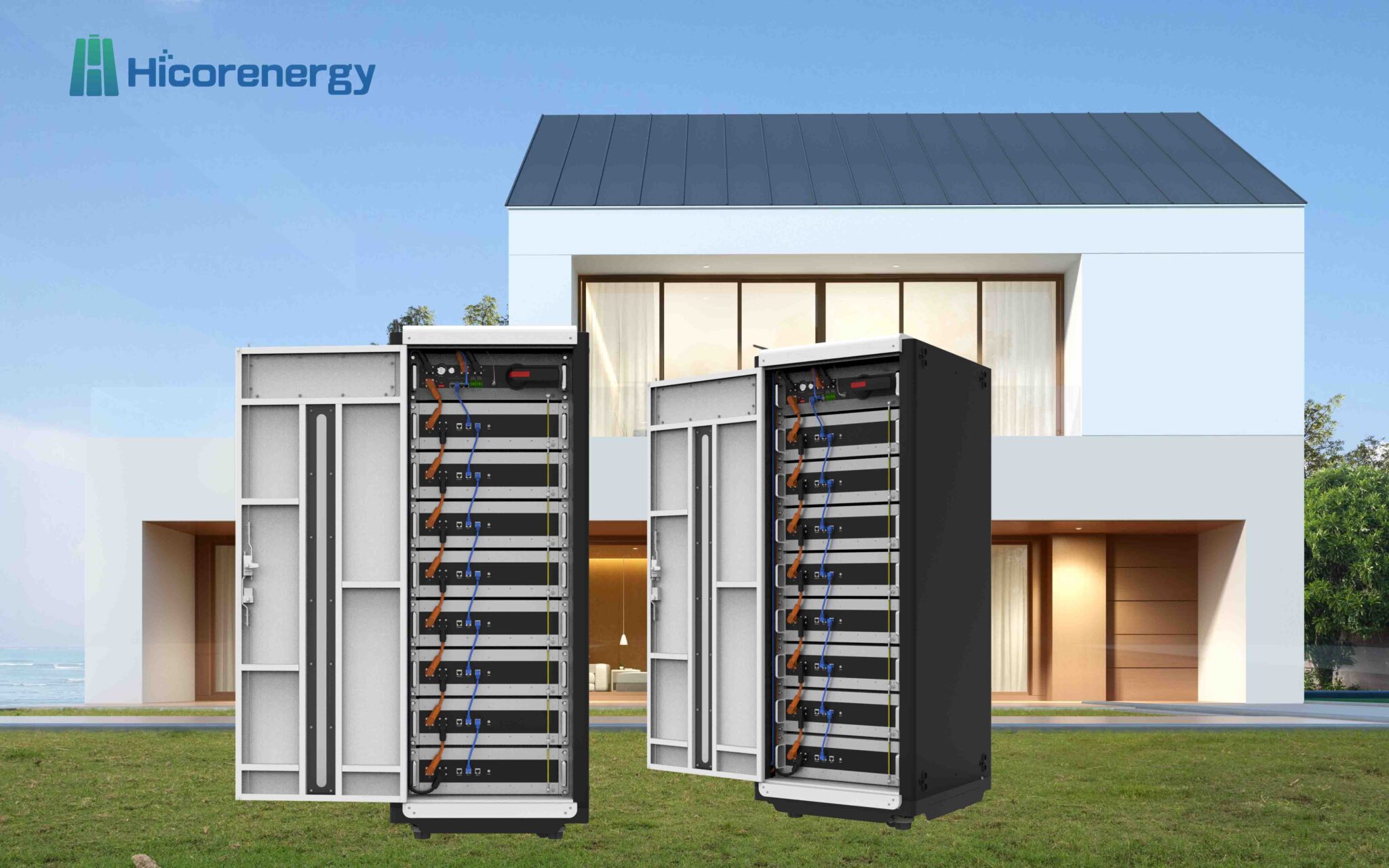
With Hicorenergy’s extensive global network and local service support, users benefit from seamless deployment and fast response times. Leasing options are particularly advantageous for markets with unreliable grid infrastructure or high energy prices, allowing users to gain energy independence while conserving capital for other priorities. Whether for home energy storage or commercial energy applications, leasing offers a low-risk entry point into the world of renewable power.
Benefits of Zero-Down Lithium Battery Deployment
One of the most significant advantages of energy storage leasing is the ability to access a zero-down battery system. This model drastically reduces the financial barrier to adopting advanced lithium battery technology. Instead of facing large capital expenditures, users can immediately benefit from backup power, peak shaving, or time-of-use optimization with manageable monthly payments.
Additionally, providers like Hicorenergy offer lithium battery deployment solutions that include Tier 1 LiFePO4 cells, built-in BMS protections, and remote monitoring capabilities. These features ensure optimal performance, long life, and safety—without the user needing to invest in ongoing maintenance. Leasing arrangements often include warranties and service agreements, reducing the risk and responsibility typically associated with battery ownership.
Top Use Cases: Who Should Consider Leasing Energy Storage?
Energy storage leasing is ideal for a wide range of users. Homeowners in regions with frequent outages or unreliable grid power—such as parts of Africa and Southeast Asia—can benefit immensely from affordable energy storage without upfront investment. Commercial enterprises, including factories and apartment complexes, can leverage battery leasing to stabilize energy costs, meet sustainability goals, or qualify for smart grid participation.
For distributors like those in Nigeria or Kenya, where logistical challenges and cost pressures are significant, leasing enables resellers to offer cutting-edge battery solutions at competitive prices. In Europe and North America, small to mid-sized businesses can use solar battery lease options to meet carbon reduction targets without impacting cash flow.
Key Factors to Compare: Lease vs. Purchase Models
When deciding between battery lease vs. buy, users should weigh several key factors:
- Cost structure: Leasing minimizes upfront cost but includes monthly fees; buying is capital intensive but may offer better long-term ROI.
- Ownership and incentives: Purchase models may qualify for tax credits, while leasing arrangements usually do not.
- Maintenance and service: Leasing contracts typically include maintenance, whereas purchased systems require the owner to handle repairs and upgrades.
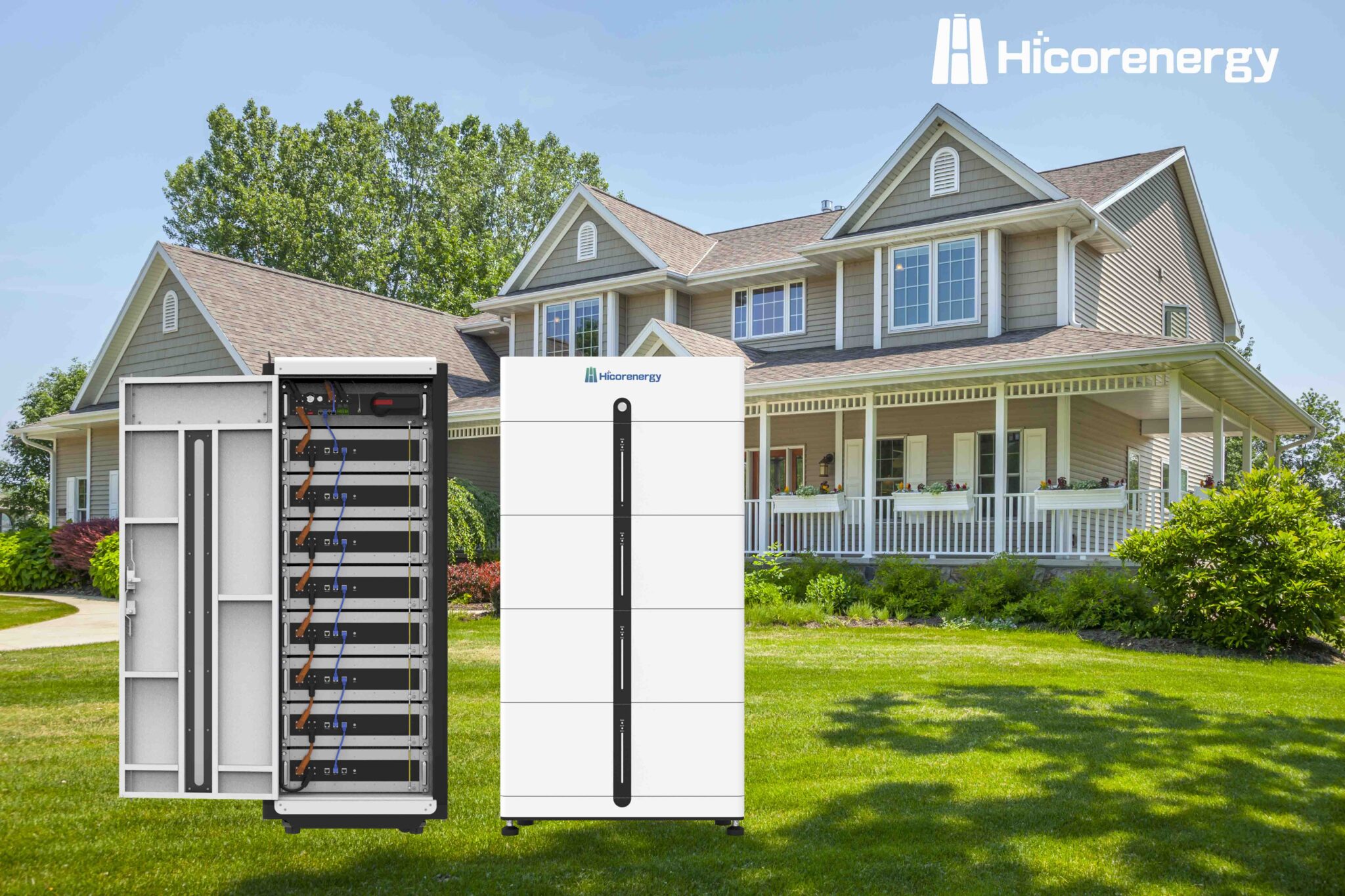
- Flexibility and scalability: Leasing offers flexible terms and scalability for growing energy needs, particularly with modular systems like Hicorenergy’s Si LV1 or SHV48100.
Each model suits different financial strategies and operational needs, making it critical for users to assess their goals, budget, and risk tolerance.
Future Trends in Battery Leasing for Residential and Commercial Markets
As the global push for energy transition accelerates, energy storage leasing is expected to gain traction in both developed and emerging markets. The adoption of AI-based energy management, remote diagnostics, and modular lithium battery deployment will further enhance the appeal of leasing models.
Hicorenergy, with its global infrastructure and cutting-edge product line, is well-positioned to support this transition. Innovations such as the C5° battery system with smart monitoring and flexible installation options make it easier for users to scale and adapt their energy storage solutions. Moreover, increasing regulatory support for decentralized energy and smart grid participation will likely encourage more businesses and households to choose solar battery lease options over traditional ownership.
Conclusion: Unlock Energy Independence with Flexible Leasing Options
Energy storage leasing presents a game-changing opportunity for individuals and organizations seeking affordable, zero-down battery systems. By lowering the financial barrier and simplifying access to high-quality lithium battery deployment, leasing models foster broader adoption of sustainable power solutions. Whether the goal is home energy storage or commercial energy management, leasing helps users take control of their energy future without the risk of large capital investments.
To explore how energy storage leasing can benefit your specific needs, contact Hicorenergy today and discover a smarter path to energy independence.
Contact Us Today:
Email: service@hicorenergy.com
WhatsApp: +86 181-0666-0961
 English
  Español
  Deutsch
  Français
  Italiano
  Bahasa Indonesia
  Svenska
  Română
  Українська
  Tagalog