-scaled.png)
-2048x1135-1.png)
Table of Contents
Introduction to Industrial Energy Storage Systems
Industrial energy storage systems play a pivotal role in helping businesses optimize electricity usage, lower operational costs, and improve power reliability. These systems store excess energy for later use—particularly during peak demand periods—while supporting renewable energy integration and providing dependable backup power. By applying advanced storage technologies, industrial users can greatly reduce energy expenses, stabilize power supply, and minimize their carbon footprint.
As a global supplier of lithium battery technologies, Hicorenergy develops industrial energy storage systems designed to deliver long-lasting performance, strong environmental adaptability, and cost-effective operation for commercial and industrial users worldwide.
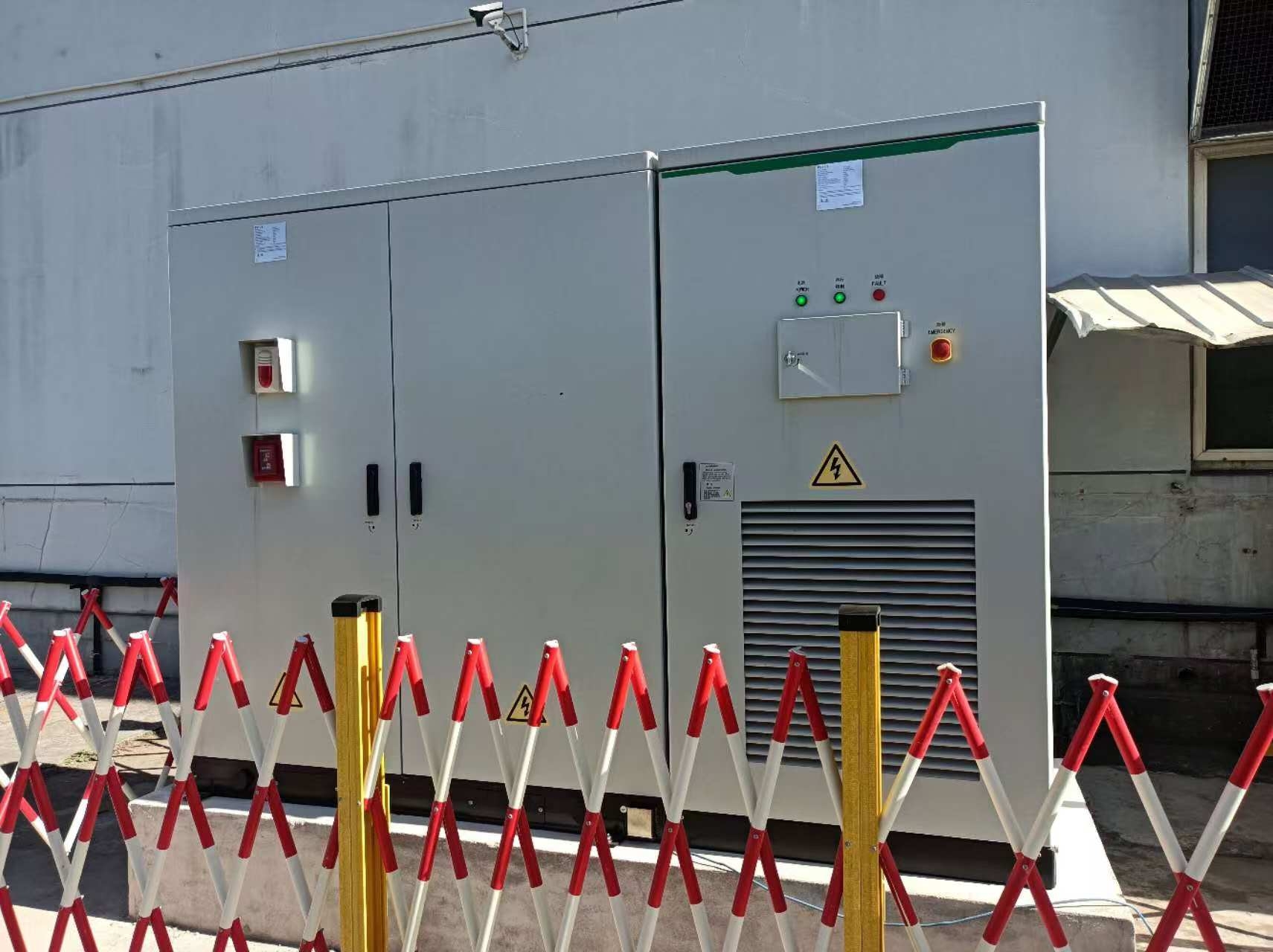
Key Considerations for Industrial Energy Storage Systems
When evaluating industrial energy storage systems, businesses should pay attention to several core factors that directly affect long-term performance and return on investment:
Energy Efficiency
High round-trip efficiency reduces energy losses and enhances cost savings over the system’s lifecycle.
Scalability
Industrial operations grow over time. Systems must support flexible expansion to maintain long-term operational value.
Safety and Reliability
Lithium battery safety, advanced thermal management, and intelligent battery management systems (BMS) ensure stable and secure operation.
Compatibility
Industrial energy storage systems must integrate seamlessly with existing electrical infrastructure, including solar PV, wind power, and grid-tied equipment.
Cost-effectiveness
Although initial investments can be substantial, the long-term reductions in energy bills, maintenance costs, and downtime justify the investment.
Why Industrial Energy Storage Systems Matter
Industrial energy storage systems are essential for achieving energy independence and operational resilience. These systems help organizations reduce electricity costs, stabilize production environments, and improve sustainability performance. They also reduce vulnerability to unstable power grids and fluctuating energy markets—ensuring smoother operations even during outages.
Benefits of Implementing Industrial Energy Storage Systems
Cost Savings
Peak shaving and demand charge reduction can significantly decrease electricity bills.
Grid Stability
Storage smooths fluctuations between supply and demand, improving grid reliability.
Renewable Integration
Industrial energy storage systems maximize the utilization of solar and wind power by storing excess energy for later consumption.
Energy Independence
Businesses can operate continuously without relying entirely on inconsistent grid power.
Sustainability
Enhanced energy efficiency and optimized renewable usage decrease carbon emissions.
Operational Continuity
Stable, reliable power supply reduces unexpected downtime in industrial processes.
Types of Industrial Energy Storage Systems by Hicorenergy
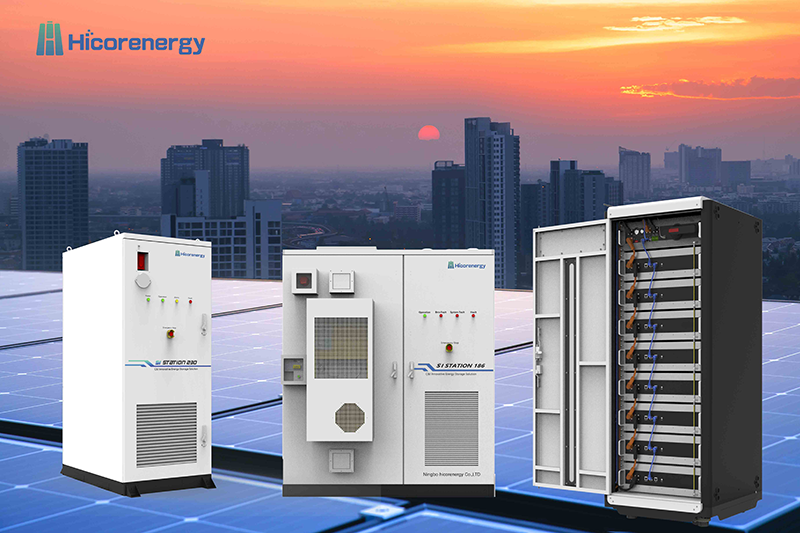
Hicorenergy offers a range of industrial energy storage systems engineered for reliability, scalability, and high performance in demanding environments.

Si Station 186
An air-cooled battery cabinet with a full configuration of 186 kWh, suitable for transmission grids, distribution networks, and renewable energy facilities. Its modular design ensures flexible deployment.
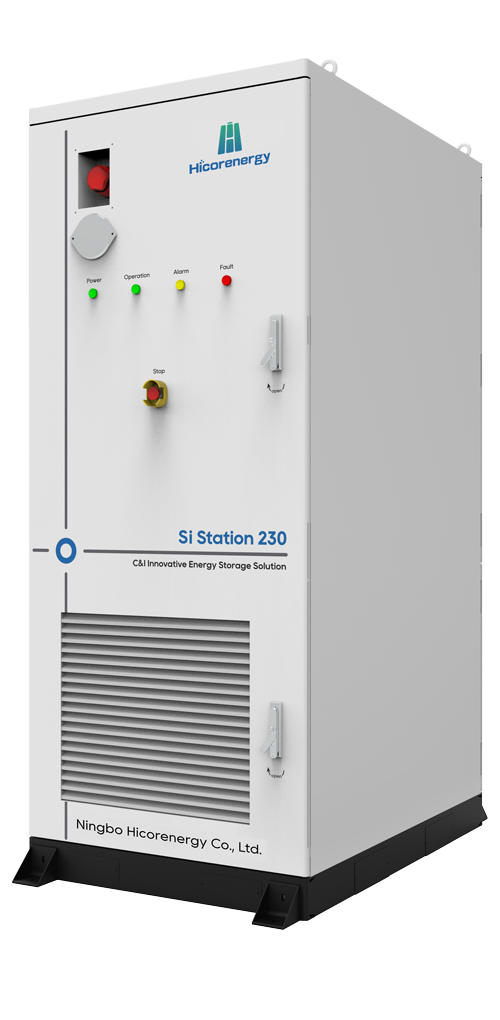
Si Station 230
A liquid-cooled industrial energy storage system with 230 kWh capacity. It offers superior thermal control and efficiency for large-scale applications demanding high stability.

SHV48100
A distributed high-voltage industrial energy storage system designed for factories, commercial buildings, and EV charging stations. It supports multi-system expansion, delivers strong cycle life, and ensures reliable performance across industrial environments.
Key Components of Industrial Energy Storage Systems
Hicorenergy integrates industry-leading components to ensure stable, long-term operation:
Lithium-Ion Battery Modules
High-quality LFP (LiFePO4) cells provide long cycle life, excellent thermal stability, and superior safety.
Battery Management System (BMS)
Monitors state of charge (SOC), temperature, and health while implementing active protection against electrical and thermal risks.
Inverters
Convert DC to AC with high efficiency and ensure compatibility with industrial loads and grid import/export requirements.
Cooling Systems
Both air cooling and liquid cooling are used to maintain optimal operating temperatures, extending battery lifespan.
Monitoring and Control Systems
Real-time monitoring, remote control, and intelligent fault diagnostics support efficient operation and simplified maintenance.
Factors to Consider When Selecting Industrial Energy Storage Systems
System Capacity
Energy capacity must match current consumption patterns and future expansion plans.
Technology Compatibility
The industrial energy storage system should integrate smoothly with existing power systems and renewable installations.
Installation Requirements
Space, ventilation, cooling, and environmental conditions must be assessed to ensure safe installation.
Maintenance & Lifecycle Costs
Evaluating the full lifecycle cost—including maintenance and battery replacement—ensures long-term value.
After-Sales Support
Strong technical support reduces downtime and maximizes operational reliability, especially in regions with unstable power supply.
Installation and Maintenance of Industrial Energy Storage Systems
Proper installation and maintenance are crucial to achieving optimal performance:
Site Preparation
Adequate space planning and compliance with electrical and fire safety standards.
System Integration
Ensuring precise connections with grid systems or renewable power equipment.
Routine Maintenance
Regular inspections, firmware updates, and system diagnostics prevent unexpected issues.
Emergency Response Plans
Clear protocols minimize production interruptions during technical faults.

Challenges and Limitations of Industrial Energy Storage Systems
High Initial Investment
Although initial costs are high, long-term operational savings offset the expense.
Regulatory Compliance
Policies and regulations vary by region, requiring careful planning.
Battery Degradation
All batteries experience natural aging; periodic replacement is necessary.
Rapid Technological Change
Businesses must stay current with new advancements in energy storage technologies.
Integration Complexity
Complex industrial environments may require customized system design.
Future Trends in Industrial Energy Storage Systems
Emerging trends are reshaping the development of industrial energy storage systems:
Advanced Battery Technologies
Solid-state, improved LFP, and flow batteries will further enhance safety and efficiency.
AI-Based Smart Monitoring
Predictive analytics and automated energy optimization reduce costs and improve performance.
Grid Modernization & Decentralization
Industrial energy storage systems will play a larger role in stabilizing local grids.
Sustainability Initiatives
Carbon-neutral goals are accelerating the adoption of renewable-integrated storage.
Energy Trading Opportunities
Businesses may profit from selling stored energy back to the grid.
Conclusion
Hicorenergy delivers high-quality industrial energy storage systems engineered for efficiency, scalability, and operational reliability. Solutions such as Si Station 186, Si Station 230, and SHV48100 support businesses seeking energy independence, cost savings, and stronger operational resilience. With advanced technology and global service capabilities, Hicorenergy enables industrial users to meet growing energy demands and achieve long-term sustainability in a rapidly evolving energy landscape.
Contact Hicorenergy today:
Email: service@hicorenergy.com
-2048x617.png)
 English
  Español
  Deutsch
  Français
  Italiano
  Bahasa Indonesia
  Svenska
  Română
  Українська
  Tagalog