-scaled.png)
-2048x1135-1.png)
Proper lithium battery storage ensures safety, longevity, and performance for home ESS users. This guide explains how to store lithium batteries safely by exploring temperature, humidity, charge levels, preparation steps, and common mistakes—helping you maximize battery lifespan and prevent safety risks.
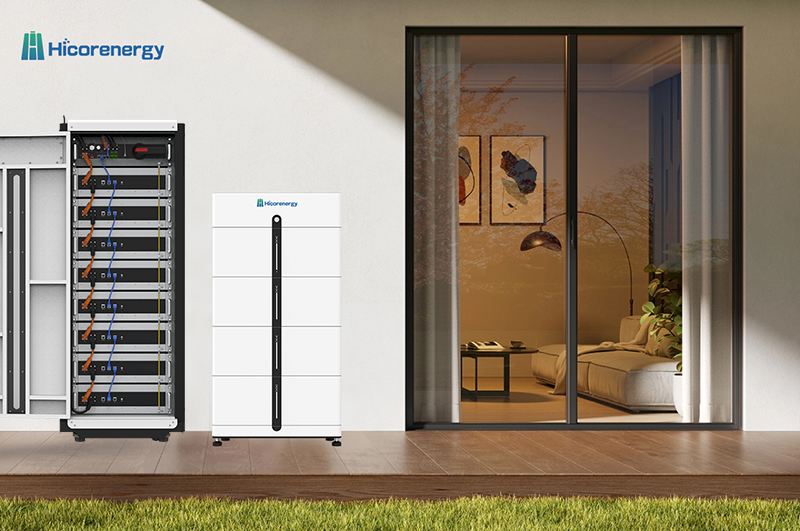
Table of Contents
Why Proper Lithium Battery Storage is Critical for Your Home ESS?
Understanding how to store lithium batteries properly is crucial to maintaining the performance and safety of your Home Energy Storage System (ESS). Poor storage conditions—such as extreme temperatures, high humidity, or incorrect state of charge—can cause capacity loss, swelling, and even safety hazards. Proper lithium battery storage not only prevents degradation but also preserves battery longevity and ensures stable power when needed. Maintaining the correct temperature, charge level, and environment is essential to protect both investment and safety.
The Ideal Environment: Temperature and Humidity for Battery Longevity
The ideal temperature for lithium battery storage is between 15°C and 25°C, with humidity levels below 60%. Consistent climate control minimizes chemical aging and prolongs battery health. If the environment is too hot or too cold, the battery’s performance and safety can be compromised. Keeping the storage space cool, dry, and well-ventilated creates the perfect foundation for long-term reliability. Read on to learn how to store lithium batteries for maximum longevity.
State of Charge (SOC): The Key to Long-Term Battery Health
The state of charge (SOC) is one of the most important factors when learning how to store lithium batteries safely. A full charge may seem beneficial, but storing batteries at 100% capacity can accelerate chemical degradation. Conversely, storing them at very low charge levels can lead to deep discharge, which may cause irreversible damage. The recommended SOC for lithium battery storage is around 40–60%. This balance reduces internal stress and keeps the battery stable during inactivity. Regularly checking SOC levels during long storage periods is also crucial to maintaining long-term battery health, especially in Home ESS systems like Hicorenergy’s Si LV1 and I-BOX 48100R, which are designed for flexible and reliable energy storage.

Step-by-Step Guide to Preparing Your Home Battery for Storage
When preparing your home battery for storage, follow these steps to ensure safety and performance:
- Power Down Safely: Turn off the system according to the manufacturer’s instructions.
- Charge Appropriately: Adjust the battery’s SOC to around 50% before storage.
- Inspect the Battery: Check for any signs of damage, corrosion, or swelling.
- Choose the Right Location: Store in a cool, dry place with stable temperatures (15–25°C).
- Disconnect from Inverter or Loads: This prevents unnecessary power drain.
- Monitor Periodically: Check SOC every 2–3 months and recharge if it drops below 30%.
By following these steps, homeowners can extend battery longevity and ensure their Home ESS is ready when needed. Knowing how to store lithium batteries properly can make a significant difference in safety and durability.
Common Mistakes to Avoid When Storing Lithium Batteries
Even with good intentions, many users make mistakes that shorten their battery’s lifespan. The most common include:
- Storing at full or empty charge: Both extremes accelerate wear.
- Ignoring temperature control: High heat causes chemical breakdown; freezing temperatures may reduce capacity.
- Leaving the battery connected: Parasitic drain can lead to deep discharge.
- Neglecting regular checks: Batteries need periodic inspection to ensure SOC and condition remain stable.
- Storing in damp environments: Moisture increases the risk of corrosion and short-circuiting.
Avoiding these mistakes ensures that lithium battery storage remains safe and efficient, protecting both your investment and your home.
FAQs: Answering Your Top Questions on Lithium Battery Storage
Q1: How long can I store a lithium battery without using it?
A properly stored battery can last up to 12 months with minimal capacity loss if kept at around 50% SOC in a cool, dry place.
Q2: Can I store my Home ESS battery outdoors?
Only if it’s rated for outdoor use, such as Hicorenergy’s Si LV1 with IP55 protection. Otherwise, store indoors to prevent exposure to moisture and temperature fluctuations.
Q3: Do I need to recharge the battery during storage?
Yes. Check and recharge the battery every few months if the SOC drops below 30%.
Q4: What happens if I store my battery in a hot environment?
High temperatures accelerate aging, reduce capacity, and may cause safety hazards. Always follow the manufacturer’s recommended temperature for lithium battery storage.
Q5: Why is SOC monitoring important for long-term battery health?
Maintaining an optimal SOC helps minimize chemical stress and extend the lifespan of the battery cells.
Hicorenergy Product Overview
Hicorenergy provides advanced lithium battery storage solutions such as the I-BOX 48100R and Si LV1—offering long-lasting, efficient, and safe options for home and commercial applications worldwide.
For more information or technical support, contact:
Email: service@hicorenergy.com
WhatsApp: +86 181-0666-0961
-2048x617.png)
 English
  Español
  Deutsch
  Français
  Italiano
  Bahasa Indonesia
  Svenska
  Română
  Українська
  Tagalog