-scaled.png)
-2048x1135-1.png)
With the global transition toward cleaner energy, solar power has become a cornerstone of modern renewable energy solutions. But while harnessing the sun’s energy during the day is now highly efficient, the challenge lies in storing that energy for use during the night and on cloudy days. Without proper storage, homes and businesses relying on solar power risk losing access to electricity when they need it most. So, how can we effectively store excess solar energy to ensure 24/7 availability?
The most effective way to store excess solar energy is by using a home solar battery storage system, which ensures continuous power supply during night and cloudy conditions
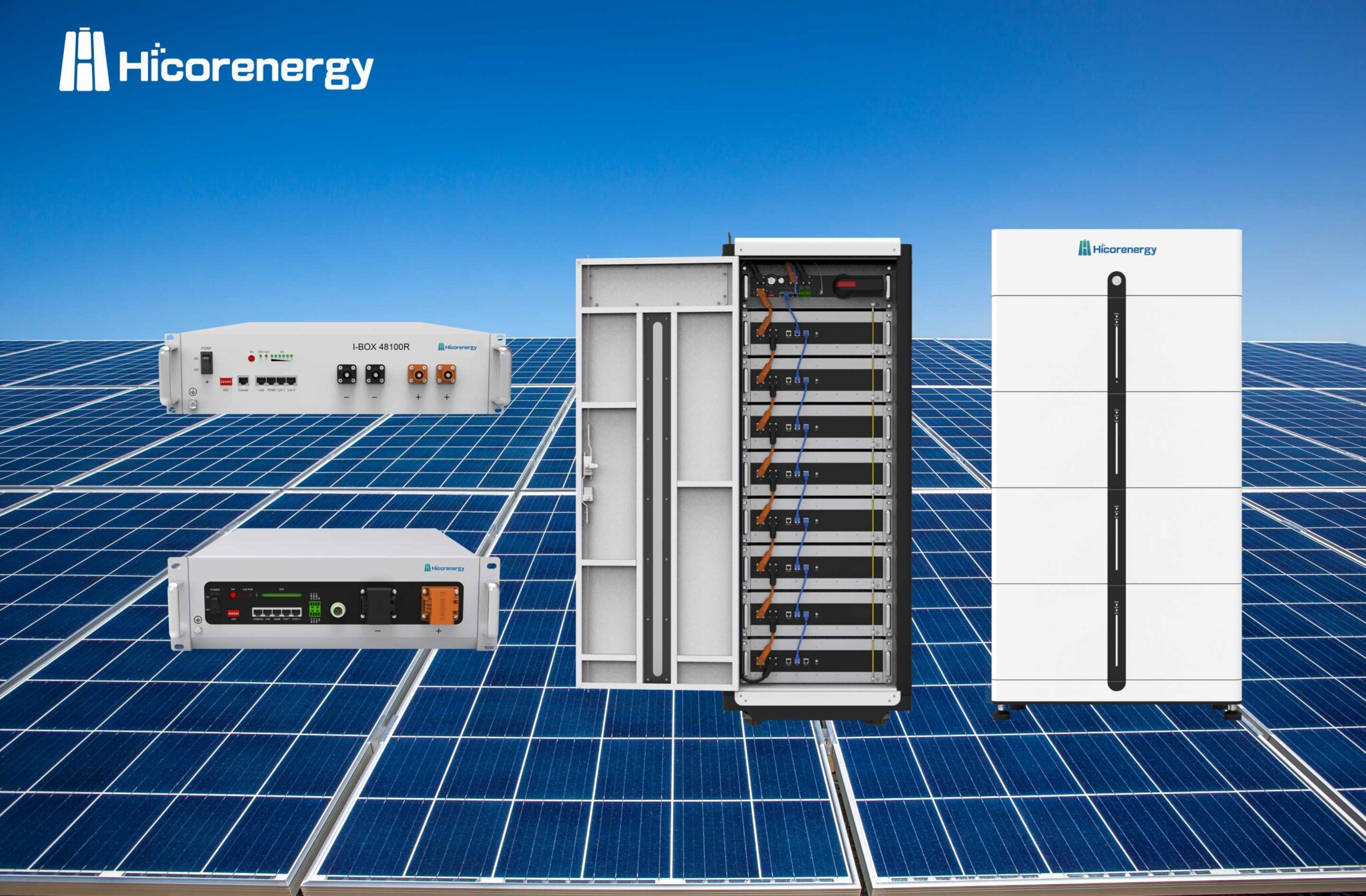
Making solar power reliable means ensuring uninterrupted energy when sunlight isn’t available. This is achieved through a solar battery backup system for homes, which captures and stores solar energy during the day for use at night or during cloudy weather. When connected to an efficient inverter, the solar energy storage system can automatically switch to battery power when solar generation is low. Systems like Hicorenergy’s I-BOX 48100R and Si LV1 offer reliable, long-lasting lithium-ion battery for solar setups. These enable seamless energy independence, even in off-grid homes.
Let’s explore how these systems work and what makes them so essential for consistent energy access.
Table of Contents
Why Solar Energy Needs Storage for 24/7 Reliability
Solar panels only generate electricity when the sun is shining. At night or during overcast weather, solar output drops significantly. Without a solar energy storage system, this leads to a dependence on the grid—defeating the purpose of renewable energy independence. Storing solar energy for later use ensures homes and businesses remain powered regardless of the weather. In areas with unreliable grid infrastructure or frequent blackouts, such as in parts of Africa or Southeast Asia, energy storage for off-grid homes becomes not just a convenience, but a necessity. A solar battery storage system provides round-the-clock energy reliability, supporting critical loads like lighting, refrigeration, and communication devices.
Types of Energy Storage Systems: Lithium-Ion, Lead-Acid, and Beyond
Different battery technologies serve varying needs. Lithium-ion batteries, particularly LiFePO4 cells as found in Hicorenergy’s C5° and Si LV1 systems, are currently the best battery for storing solar energy. These batteries offer high round-trip efficiency (≥95%), long life (over 6000 cycles), and low maintenance. They are compact, safe, and ideal for storing solar energy for later use. Lead-acid batteries, while cheaper upfront, have shorter lifespans and require frequent maintenance. Newer technologies such as flow batteries or solid-state batteries are emerging but are not yet widely adopted. For residential and commercial users, lithium-ion remains the gold standard for storing cloudy day solar energy and nighttime solar power.
How Home Battery Storage Works with Solar Panels
Solar panels generate DC electricity, which is either used directly or converted into AC by an inverter. Any unused solar power is sent to the solar battery storage system for later use. Smart battery inverter systems, such as those integrated into Hicorenergy’s solutions, automatically manage solar charging and discharging cycles. During the day, excess energy is stored; at night, the system draws on this stored power. This seamless integration ensures the lights stay on even when the sun doesn’t shine. Additionally, Hicorenergy’s systems support remote monitoring and automatic upgrades through web/app interfaces, enhancing reliability and ease of use for homeowners.
How Much Battery Capacity Do You Need for Nighttime Use?
Battery capacity needs depend on energy usage patterns, solar generation, and local climate. A typical household may consume 10–20 kWh during nighttime hours. Hicorenergy’s scalable systems, like the modular Si LV1 (up to 30.72 kWh) or I-BOX 48100R (expandable to 491.52 kWh), allow for flexible energy storage tailored to individual needs. Calculating the right capacity also involves considering battery efficiency, discharge depth, and power ratings. For instance, if a home uses 15 kWh per night, a 20 kWh system provides enough buffer while ensuring long-term battery health. Using a professional energy audit can help determine the most cost-effective and reliable setup for your solar battery backup system for homes.
Smart Energy Management: Maximizing Stored Solar Power Efficiency
Beyond battery capacity, intelligent energy management plays a key role in maximizing system efficiency. This involves scheduling energy usage based on solar generation, using time-of-use pricing models, and prioritizing critical appliances. Hicorenergy’s smart monitor platforms support real-time monitoring, automatic error detection, and remote upgrades, allowing users to optimize performance and extend system life. Features like peak shaving, demand response, and virtual power plant participation provide additional savings and benefits. Ultimately, managing solar storage options for cloudy days with smart systems ensures the best return on investment and improves energy independence.
In summary, storing excess solar energy is essential for achieving true energy independence and ensuring stable power during nighttime and cloudy days. By choosing the right solar energy storage system—whether it’s a compact residential battery or a scalable modular solution—users can reduce reliance on the grid, cut electricity costs, and enjoy a more sustainable lifestyle. Integrating smart management tools further enhances efficiency and reliability.
Reliable solar energy storage transforms sunlight into dependable 24/7 electricity. Contact Hicorenergy for a customized solution today.
Contact Us Today:
Email: service@hicorenergy.com
WhatsApp: +86 181-0666-0961
 English
  Español
  Deutsch
  Français
  Italiano
  Bahasa Indonesia
  Svenska
  Română
  Українська
  Tagalog