-scaled.png)
-2048x1135-1.png)
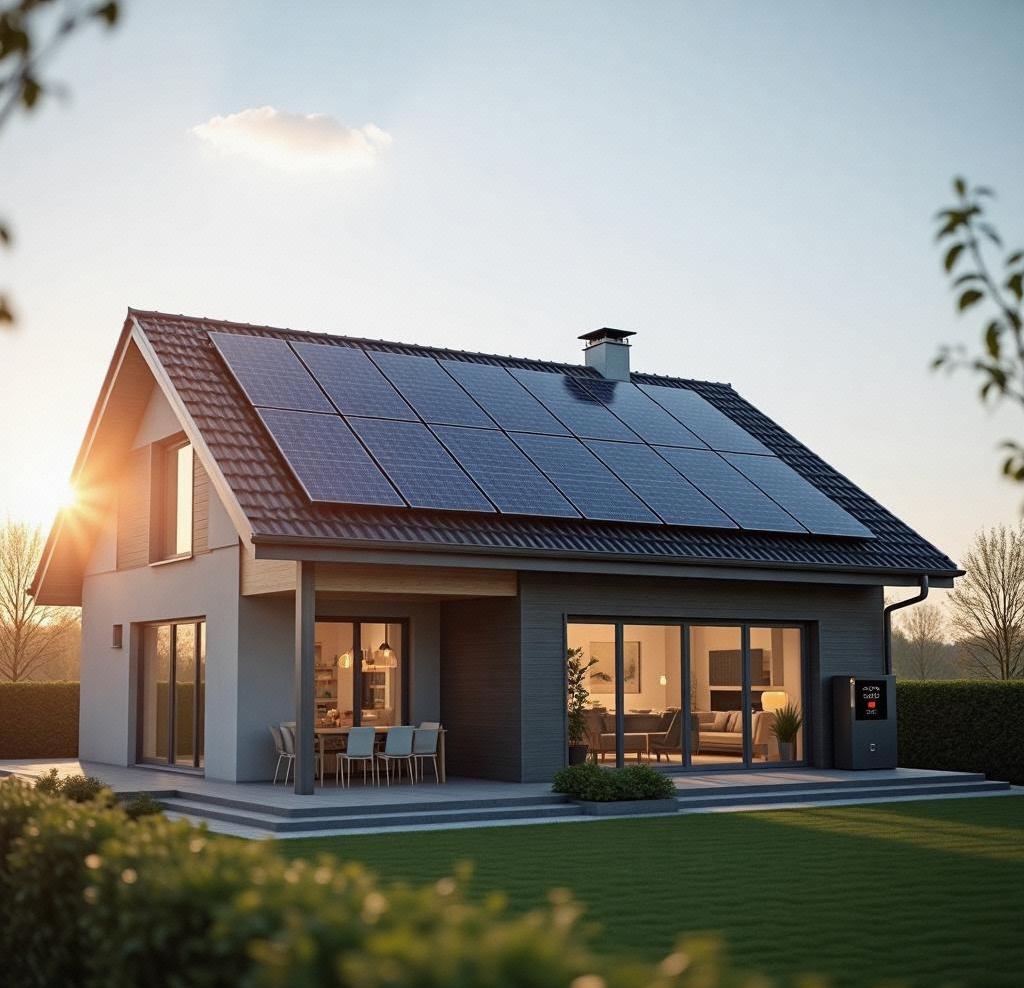
Table of Contents
What Does a 10kW Battery Mean?
A 10 kW battery is an energy storage system capable of delivering 10 kilowatts of power at any given moment. It stores electricity for later use, providing backup power during outages and enhancing energy independence, especially when paired with a solar array. These batteries are commonly used in residential settings to offset peak electricity costs and ensure a reliable energy supply.
It is important to distinguish between power (kW) and energy (kWh) . A 10 kW battery can deliver up to 10 kilowatts of power instantly, but the total amount of energy it holds (its capacity) is measured in kilowatt-hours (kWh). For example, a 10.24 kWh lithium battery can deliver 1 kW of power for 10.24 hours, or 10 kW of power for just over one hour, before needing to be recharged.
The Theoretical Calculation: From Jargons to Hours
Before diving into real-world variables, it helps to start with a simple theoretical calculation. This gives you a baseline understanding of what a 10 kW battery can do under ideal conditions.
Step 1: Understand Usable Capacity
Most lithium-ion batteries, including LiFePO₄ models, have a recommended Depth of Discharge (DoD) of around 80–90%. This means you shouldn’t drain the battery completely to zero, as doing so can shorten its lifespan. For a 10.24 kWh lithium battery with a 90% DoD, the usable energy is approximately 9.2 kWh.
Step 2: List Your Critical Loads
Rather than asking “how long will it last?” it is more practical to ask: “what can a 10kw battery run?” Let’s categorize typical household appliances:
Essential Loads (Must-run during an outage):
- Refrigerator: ~150W (runs intermittently, ~1 kWh per day)
- LED Lights (10 bulbs): ~100W total
- Internet Router/Modem: ~20W
- Phone/Laptop Charging: ~50W
- Well Pump (if applicable): ~750–1500W (runs briefly)
Non-Essential/Comfort Loads (Can be managed):
- Air Conditioner (window unit): ~1200W
- Space Heater: ~1500W
- Washing Machine: ~500W
- Television: ~100W
- Microwave: ~1000W
Step 3: Calculate Theoretical Runtime
Using the usable capacity of 9.2 kWh, here are a few scenarios:
- Scenario A (Essential Only): If you only power your fridge, lights, router, and a few small devices (total ~300W continuous draw), your 10 kw battery could theoretically last:
9,200 Wh ÷ 300W = 30.6 hours - Scenario B (Moderate Comfort): If you also run a window AC unit and watch TV for a few hours (average load ~800W), the runtime drops to:
9,200 Wh ÷ 800W = 11.5 hours - Scenario C (High Demand): If you run a space heater, microwave, and washing machine frequently (average load ~2000W), the runtime falls to:
9,200 Wh ÷ 2000W = 4.6 hours
These calculations provide a useful starting point, but real life is rarely this straightforward. That leads us to the next section.
Beyond the Math: What Can You Actually Power?
The theoretical numbers above assume that all loads run continuously at a steady rate. In reality, appliances cycle on and off. A refrigerator, for example, runs its compressor for about 20–30 minutes each hour, not constantly. This means your actual runtime can be longer than the simple calculation suggests.
However, there is another layer of complexity: surge power. Many appliances, especially those with motors (like refrigerators, air conditioners, and pumps), draw 2–3 times their rated power for a few seconds when starting up. Your 10 kW battery and its inverter must be capable of handling these surges, or the system may trip.
So, when considering what can a 10kw battery run, the answer is: it depends on both the continuous load and the starting surge. A 10 kW inverter can typically handle surges of 15–20 kW for short bursts, which is sufficient for most homes as long as you don’t start every motor at exactly the same time.
The Reality Check: Factors That Impact Real-World Performance
Even with a perfect load calculation, several real-world factors will influence how long your 10 kw battery actually powers your home.
Inverter Efficiency
No system is 100% efficient. When storing electricity in the battery and then converting it back to AC power for your home, energy is lost. Most quality inverters have an efficiency of 90–95%. This means that for every 10 kWh stored, only 9–9.5 kWh is actually usable after conversion.
Depth of Discharge (DoD)
As mentioned earlier, to protect the lifespan of your battery, you typically won’t drain it to zero. If your battery management system (BMS) is set to stop discharge at 10% remaining capacity, your usable energy is reduced accordingly. This is a safety feature, not a flaw.
Temperature Effects
Lithium-ion batteries perform best in moderate temperatures (ideally between 15°C and 30°C). In very cold weather, chemical reactions slow down, reducing usable capacity. In very hot weather, the BMS may limit performance to protect the cells. If your battery is installed in an uninsulated garage, expect some seasonal variation in performance.
Standby or Phantom Loads
Many homes have devices that draw power 24/7 without you realizing it—modems, smart home hubs, clocks on microwaves, and devices in “standby” mode. These small loads can add up to 50–100W of continuous drain, quietly eating into your backup time.
Pro Tips: How to Maximize Your 10kWh Backup Time
If you want to get the most out of your 10.24 kWh lithium battery, a little planning goes a long way. Here are practical strategies to extend your backup power.
Tip 1: Practice Load Management
The single most effective way to extend battery life is to control when you use high-power appliances. This is often called “peak shaving” or “load shifting.”
- Run your dishwasher, washing machine, or dryer during the day when solar panels are recharging the battery.
- Avoid running multiple high-power appliances simultaneously. Stagger their use to keep the average load low.
- Use a smart energy monitor to track which appliances consume the most power and adjust your habits accordingly.
Tip 2: Combine with Solar Panels
A 10 kw battery paired with a solar array becomes a truly powerful system. During daylight hours, your solar panels can simultaneously power your home and recharge the battery. This creates a renewable energy cycle:
- Daytime: Solar powers the home and charges the battery.
- Nighttime/Outage: The battery powers essential loads.
With sufficient sun, a well-sized solar array can effectively make your backup time “infinite” during an extended outage, as the battery recharges each day. When comparing solar batteries prices, always consider the long-term savings from this kind of energy independence.
Tip 3: Prioritize Energy Efficiency
Before upgrading your battery, consider upgrading your appliances. Replacing an old refrigerator with an Energy Star model, switching to LED lighting, and using a heat pump instead of resistance heating can dramatically reduce your home’s energy consumption. A smaller load means your battery lasts longer.
Tip 4: Plan for System Expansion
One of the advantages of modern battery systems is scalability. If you find that 10 kWh is not enough for your needs, many systems allow you to add an extra battery later. This modular approach lets you start with a base system and expand as your budget or energy needs grow. When evaluating battery solar price options, look for systems that offer easy expansion.
What Does a 10kW Battery Cost?
The cost of a 10 kW battery varies based on brand, chemistry, and installation requirements. As of 2026, here are typical estimated costs:
- Battery Cost: $5,000 – $15,000 (depending on chemistry and brand, with LiFePO₄ typically on the higher end of quality but offering longer life)
- Installation Costs: $1,000 – $5,000 (depending on labor, permitting, and electrical panel upgrades)
- Additional Equipment: Inverters, charge controllers, and monitoring systems may add to the total cost
When comparing solar batteries prices, it is essential to look beyond the upfront cost. Consider the cycle life (how many charge/discharge cycles the battery can handle), the warranty, and the depth of discharge. A cheaper battery that needs replacement in 5 years is far more expensive in the long run than a quality 10.24 kWh lithium battery that lasts 15+ years.
Government incentives and rebates can also significantly reduce upfront expenses, making battery storage more cost-effective over time.
Standby Battery vs. Generators: Which Is Better?
When considering backup power, many homeowners compare a 10 kW battery to a traditional generator. Here is a quick comparison:
| Feature | 10 kW Battery | Generator |
|---|---|---|
| Reliability | Instant power, no startup delay | Requires warm-up time |
| Noise | Silent operation | Loud, especially under load |
| Emissions | Zero, clean energy | Produces CO₂ and pollutants |
| Fuel | No fuel needed, recharges from grid or solar | Requires gasoline, diesel, or propane |
| Maintenance | Virtually none; remote monitoring available | Regular oil changes, filter replacements |
| Cost | Higher upfront, lower long-term cost | Lower upfront, ongoing fuel cost |
| Solar Integration | Seamless integration | Cannot directly use solar power |
For homeowners seeking a quiet, clean, and automated solution that integrates with renewable energy, a battery is the superior choice. While the battery solar price may be higher initially, the long-term savings, convenience, and environmental benefits are compelling.
Why Choose a LiFePO₄ Battery?
For a 10 kW home battery system, Lithium Iron Phosphate (LiFePO₄) is widely considered the safest and most durable chemistry available. Unlike other lithium-ion types, LiFePO₄ is chemically stable, resistant to thermal runaway, and offers an exceptionally long cycle life.
Hicorenergy LiFePO₄ Battery Solutions
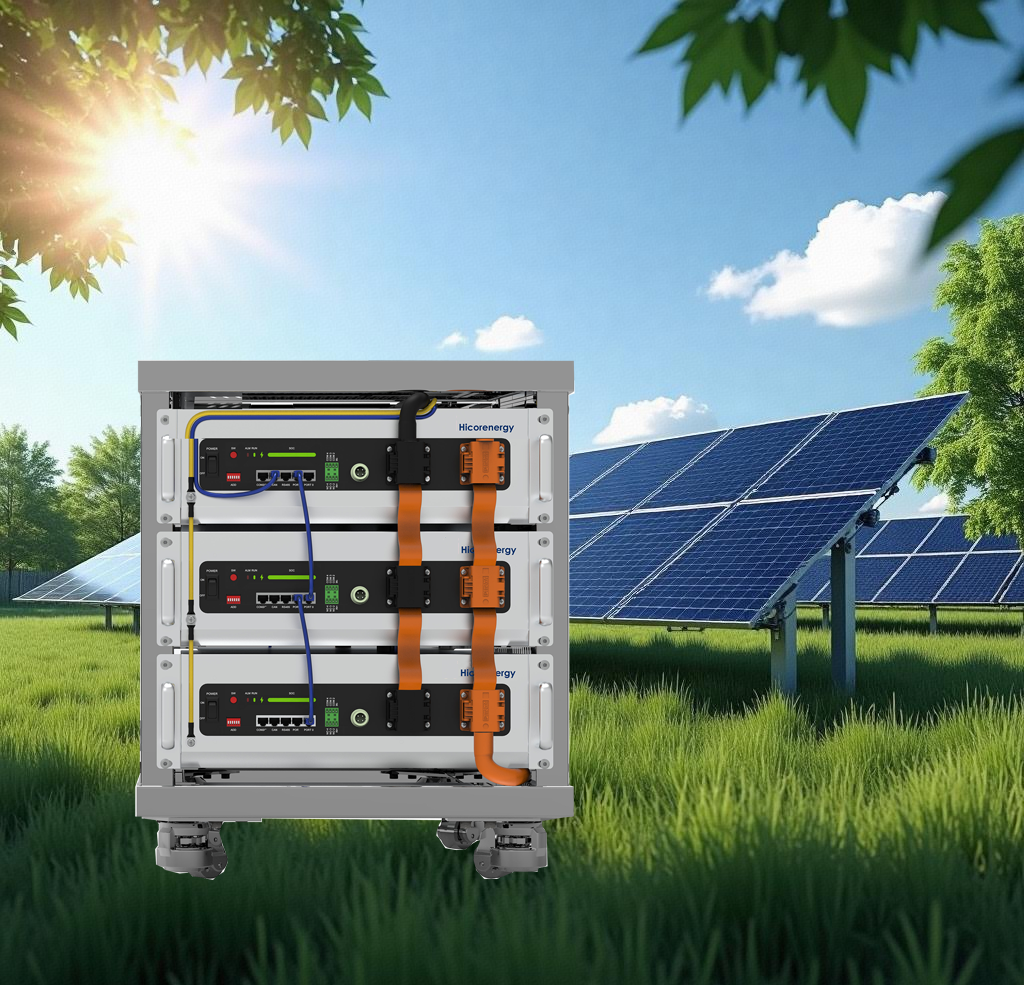
Hicorenergy offers industry-leading LiFePO₄ battery solutions that provide superior safety, efficiency, and longevity. Our I-BOX 48100R and C5° batteries are ideal for homeowners seeking a reliable 10.24 kWh lithium battery system.
- Long Lifespan: Over 6,000 cycles with a 10+ year warranty—true long-term value.
- High Efficiency: >95% round-trip efficiency, meaning more of your stored energy is usable.
- Wide Compatibility: Works with most leading inverters.
- Flexible Installation: Options for wall-mount, floor-stand, and rack-mount configurations.
- Scalability: Expandable up to 491.52 kWh for larger energy storage needs as they grow.
- Smart Monitoring: Remote monitoring and real-time energy usage data available via web and app platforms.
- Enhanced Safety: Built-in Battery Management System (BMS) ensures optimal performance and protection against overcharging, overheating, and short circuits.
Summary
Understanding how long will a 10kW battery power a house requires moving beyond simple math and considering real-world factors like appliance surges, inverter efficiency, and temperature. By managing your loads, integrating solar panels, and choosing a high-quality 10.24 kWh lithium battery, you can achieve reliable backup power and significant energy savings.
Hicorenergy’s LiFePO₄ batteries deliver high-performance, reliable energy storage for homes. Designed for efficiency and scalability, these batteries provide cost-effective backup power while reducing reliance on the electrical grid. With advanced safety features, long cycle life, and seamless integration with solar energy systems, Hicorenergy’s battery solutions offer the perfect balance of sustainability, performance, and affordability.
We are hicorenergy. Welcome contact us for more details!
Email: service@hicorenergy.com
WhatsApp: +86 181-0666-0961
-2048x617.png)
 English
  Español
  Deutsch
  Français
  Italiano
  Bahasa Indonesia
  Svenska
  Română
  Українська
  Tagalog