-scaled.png)
-2048x1135-1.png)
Importance and Relevance in the Current Energy Landscape
Lithium battery farms are transforming energy systems worldwide by providing clean, scalable, and efficient storage solutions, reducing reliance on fossil fuels, and enabling reliable power access in both developed and emerging markets.
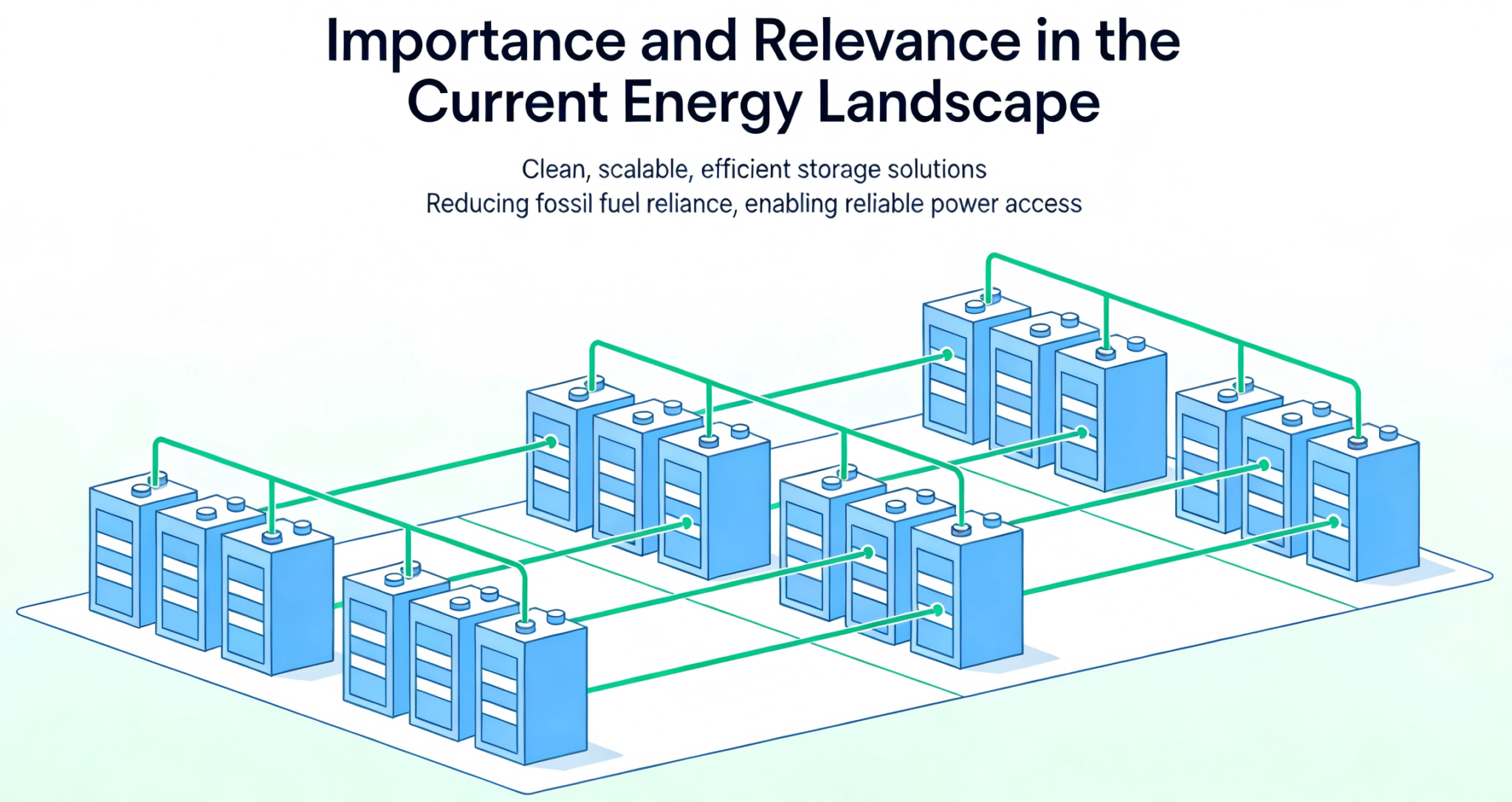
Table of Contents
What Are Lithium Battery Farms?
A lithium battery farm refers to a centralized or distributed energy storage system composed of high-capacity lithium-ion batteries designed to store and manage electricity at scale. These systems act as modern energy reservoirs, capturing surplus electricity—often generated by renewable sources such as solar and wind—and releasing it when demand rises or the grid experiences instability.
The core components of a lithium farm typically include:
- Lithium iron phosphate (LiFePO4) battery cells
- Battery Management Systems (BMS)
- Power conversion systems and inverters
- Thermal management systems
- Monitoring and control software
Compared with conventional diesel generators or traditional backup solutions, lithium battery farms operate silently, require minimal maintenance, and produce no direct emissions.
Another major advantage is scalability. A lithium farm can be deployed for a small residential installation of a few kilowatt-hours or scaled to support commercial facilities and utility-scale energy infrastructure reaching hundreds of megawatt-hours.
As energy demand grows and renewable penetration increases, battery farmed energy storage is reshaping how electricity is produced, stored, and consumed worldwide.
What Are the Technologies for Lithium Battery Storage on Farms?
Modern lithium farms integrate several advanced technologies that enhance safety, efficiency, and operational reliability.
These include intelligent battery management systems capable of monitoring cell voltage, temperature, and charge cycles in real time. Advanced thermal control systems maintain stable operating conditions and prevent overheating, while cloud-based monitoring platforms allow operators to track system performance remotely.
Many lithium battery farm installations also incorporate modular architecture, allowing additional battery racks or cabinets to be added as demand increases. This flexible design encourages wider adoption across residential, commercial, and industrial sectors.
How Battery Farms Store and Release Renewable Energy
One of the most critical roles of a lithium battery farm is managing the intermittent nature of renewable energy generation.
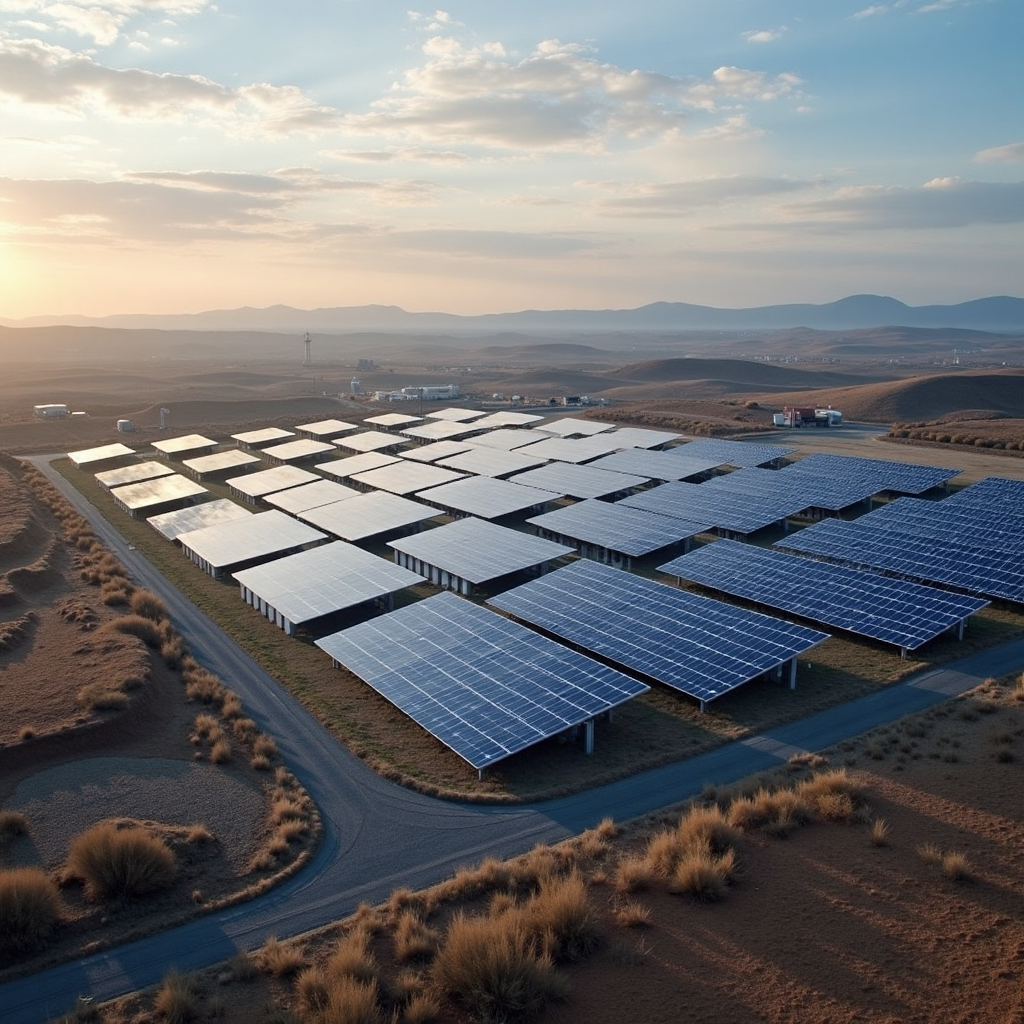
Solar panels produce electricity during daylight hours, while wind turbines generate power depending on weather conditions. Without storage, excess renewable electricity is often wasted. A lithium farm solves this problem by storing surplus energy during peak generation periods and releasing it later when demand rises.
However, the future of battery farmed energy systems will not rely solely on a single battery technology. Industry experts increasingly expect large-scale energy storage facilities to adopt technology-mixing strategies that combine multiple battery chemistries to optimize performance and cost.
For example:
- Lithium-ion batteries provide fast response and high efficiency.
- Long-duration storage technologies may store energy for extended periods.
- Advanced control systems manage charge and discharge cycles dynamically.
This hybrid approach allows lithium battery farms to maximize renewable energy utilization while maintaining grid stability and reducing system costs over time.
The Benefits of Lithium Battery Farms
Lithium battery farms offer a range of transformative benefits, making them ideal energy storage solutions for both grid-connected and off-grid environments.
1. Grid Independence and Reliability
In regions prone to frequent power outages—such as parts of Africa, Southeast Asia, and the Middle East—lithium farms ensure reliable electricity access. By storing energy during off-peak hours and supplying power during peak demand or grid failures, users achieve greater energy independence.
Hicorenergy’s I-BOX 48100R and Si LV1 systems are designed with this functionality in mind, enabling compact, stackable installations capable of delivering uninterrupted energy access.
2. Environmental Sustainability
Lithium battery farms generate no greenhouse gas emissions during operation and produce minimal noise pollution. When paired with renewable energy systems, they significantly accelerate the transition toward low-carbon energy systems.
Hicorenergy products such as the SHV48100 use LiFePO4 battery chemistry, which provides enhanced safety, longer service life, and improved environmental compatibility.
3. Cost Effectiveness and Long-Term ROI
Although lithium farms require upfront investment, their long life cycle and minimal maintenance deliver excellent long-term returns.
Systems such as the Hicorenergy C5° provide more than 6000 charge cycles with up to 95% round-trip efficiency. In addition, time-of-use energy management allows users to store electricity when prices are low and use it during peak tariff periods.
4. Scalability and Modularity
Lithium battery farms can scale from small home installations to large commercial systems.
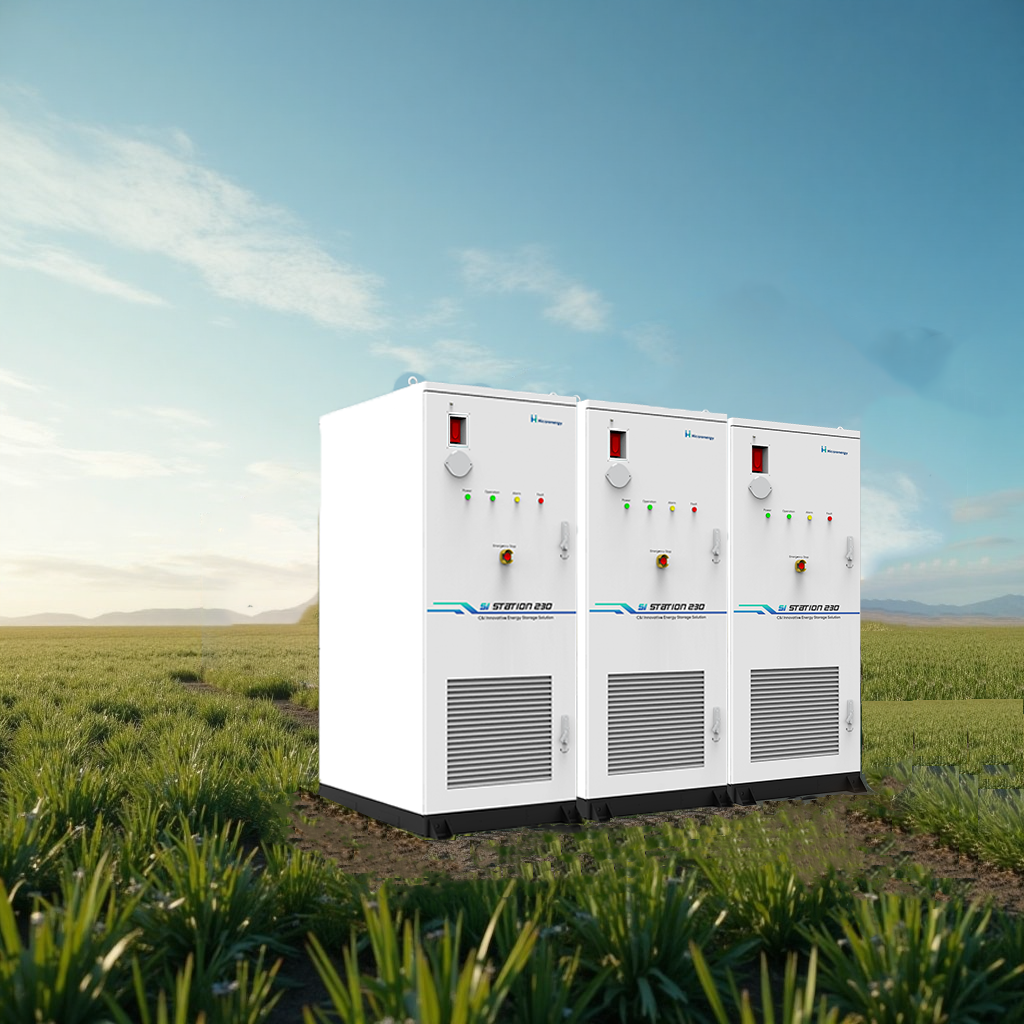
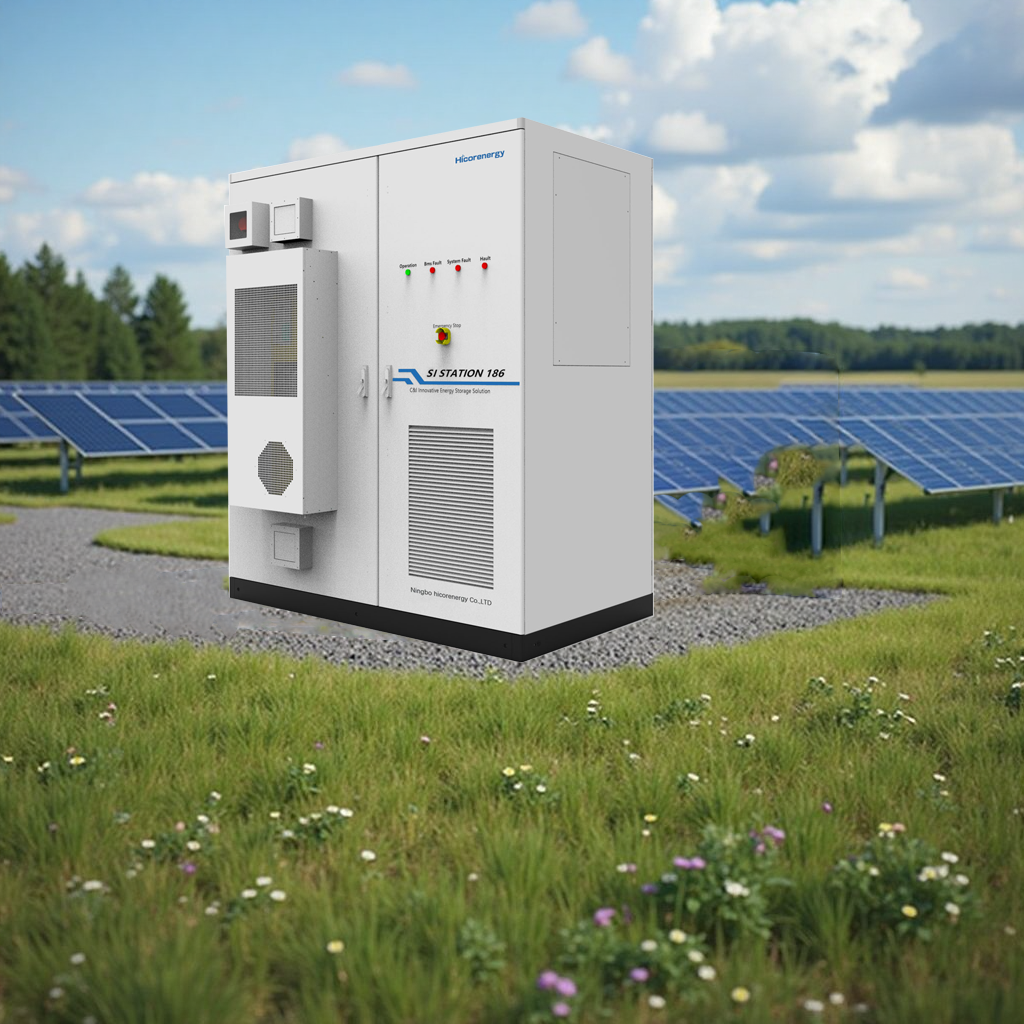
Hicorenergy’s Si Station 186 and Si Station 230 energy storage systems support large-capacity configurations suitable for factories, renewable power stations, and community microgrids.
5. Safety and Intelligent Control
Safety is a top priority for any lithium farm installation. Hicorenergy integrates advanced protection systems including dual MCU protection, intelligent temperature regulation, and real-time monitoring.
These systems automatically detect abnormal operating conditions and prevent issues such as overheating or overcharging.
6. Renewable Energy Integration
Lithium battery farms play a crucial role in renewable integration by stabilizing power supply and smoothing fluctuations in solar and wind output.
They allow renewable energy to be stored during periods of surplus production and dispatched when demand increases.
Beyond Storage: The Expanding Role of Battery Farms in Grid Stability
While energy storage is the primary function of a lithium battery farm, its role in modern energy infrastructure is expanding rapidly.
Battery farms now support critical grid functions including frequency regulation, voltage stabilization, and peak load management. By responding to grid fluctuations in milliseconds, lithium farms help prevent outages and maintain power quality.
However, the long-term environmental value of battery farmed energy systems extends beyond operational emissions reductions. Increasing attention is being given to the full lifecycle impact of battery technologies.
The recycling and reuse of retired batteries are becoming key components of sustainable energy storage. Second-life batteries from electric vehicles, for instance, may be repurposed for stationary storage within lithium farms.
Developing efficient battery recycling infrastructure will ensure that lithium battery farms remain environmentally responsible throughout their entire lifecycle.
Comparison with Traditional Energy Storage Solutions
Lithium battery farms outperform many traditional energy storage solutions in several important areas.
Lead-Acid Batteries vs Lithium-Ion
Lead-acid batteries typically provide fewer than 1000 charge cycles and require frequent maintenance. Lithium-ion batteries used in lithium farms can deliver over 6000 cycles with significantly higher energy density.
Diesel Generators
Diesel generators provide emergency power but produce emissions, noise, and ongoing fuel costs. A lithium battery farm offers a silent and clean alternative.
Pumped Hydro Storage
Pumped hydro systems require specific geographical conditions and large infrastructure investments. Lithium farms are far more flexible and can be deployed almost anywhere.
The Shift Toward Hybrid Technology: Pairing Lithium-Ion with Flow Batteries
Another emerging trend in large-scale energy storage is the integration of hybrid battery technologies.
In many future installations, a lithium battery farm may operate alongside flow batteries or other long-duration storage technologies. Lithium-ion batteries excel at rapid response and short-duration power delivery, while flow batteries are better suited for long-duration storage.
By combining these technologies, energy operators can build battery farmed systems that deliver both flexibility and extended storage capability.
However, large-scale deployment also requires strict safety standards and transparent operational practices to maintain public trust. Communities hosting lithium farms expect robust fire protection systems, comprehensive monitoring, and proven engineering designs.
Ensuring high safety standards not only protects infrastructure but also builds the social acceptance necessary for widespread adoption of lithium battery farms.
Applications of Lithium Battery Farms
The flexibility of lithium farms enables deployment across a wide range of industries.
Residential Energy Storage
Homeowners can use compact lithium battery farm systems such as the I-BOX 48100R to store solar energy and maintain backup power during outages.
Industrial and Commercial Facilities
Factories and commercial buildings benefit from large-scale systems such as SHV48100 and Si Station series products, which support peak shaving and energy cost optimization.
Public Infrastructure and Microgrids
In remote regions, lithium battery farms help establish microgrids powered by renewable energy sources.
EV Charging Infrastructure
As electric vehicle adoption increases, lithium farms support EV charging stations by balancing electricity demand and providing backup power.
Future Trends and Developments of Lithium Battery Farms
The future of lithium battery farms will be shaped by rapid innovation.
Emerging technologies such as solid-state batteries promise higher energy density and improved safety. Artificial intelligence and Internet-of-Things platforms will optimize energy management and automate operational decisions.
In addition, lithium farms will increasingly participate in electricity markets, selling stored power to utilities or participating in demand-response programs.
These developments will transform lithium battery farms from passive storage systems into active energy assets.
Selecting the Best Energy Storage Supplier for Your Farm
Choosing the right supplier plays a crucial role in maximizing the performance and return on investment of a lithium farm project.
Hicorenergy offers:
- Tier 1 prismatic LiFePO4 battery cells
- Global support networks across China, Europe, the U.S., and Africa
- Modular storage systems ranging from 5kWh to 230kWh
- International certifications including UL and CE
- Advanced remote monitoring platforms
These features ensure safe, reliable, and scalable lithium battery farm deployments.
Summary and Contact Guide
Lithium battery farms are redefining how energy is stored, managed, and delivered across modern power systems. With high efficiency, strong scalability, and seamless renewable integration, a lithium battery farm represents one of the most promising solutions for future energy infrastructure.
Hicorenergy provides advanced battery farmed energy solutions designed for homes, businesses, and large-scale industrial applications.
Contact us today:
Email: service@hicorenergy.com
-2048x617.png)
 English
  Español
  Deutsch
  Français
  Italiano
  Bahasa Indonesia
  Svenska
  Română
  Українська
  Tagalog