-scaled.png)
-2048x1135-1.png)
Table of Contents
What Does an Energy Storage Cabinet Consist Of?
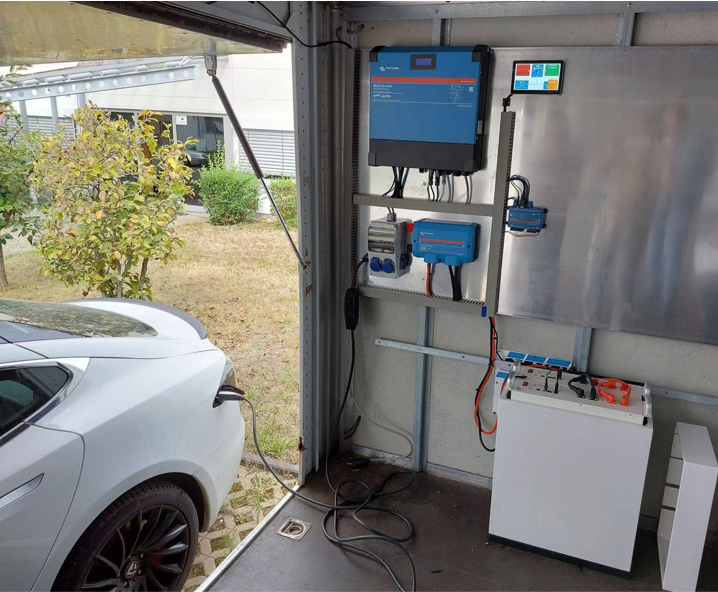
An Energy Storage Cabinet is a compact and integrated solution designed to store and manage electrical energy safely and efficiently. A typical Energy Storage Cabinet consists of:
- High-performance battery cells (commonly LiFePO₄ or NMC)
- Battery Management System (BMS) for safety and performance optimization
- Control systems & protection units
- A robust, fire-resistant cabinet enclosure
- Cooling systems (air-cooled or liquid-cooled depending on the model)
These components work together to ensure stable charging, discharging, overheat protection, and long-term reliability. A well-designed Energy Storage Cabinet not only improves power stability but also significantly enhances the lifespan and safety of the entire energy storage system.
Common Faults Found in Energy Storage Cabinets
While modern Energy Storage Cabinets are highly reliable, they may still encounter a few potential issues:
1. Overheating
Caused by insufficient ventilation, poor cooling design, or high ambient temperatures. Overheating directly impacts battery performance and accelerates aging.
2. Inefficient Charging or Discharging
Often linked to BMS malfunctions or incompatible charging systems. This leads to reduced usable capacity and decreased system efficiency.
3. Capacity Degradation
All batteries degrade over time. Low-quality cells or poor thermal management will accelerate this process, reducing the cabinet’s storage capability.
Regular maintenance, a high-quality BMS, and advanced cooling technology are essential to ensuring long-term reliability. As Energy Storage Cabinet demand increases globally, understanding these faults helps both homeowners and businesses choose better systems.
How Many Categories of Energy Storage Cabinets Are There?
Energy Storage Cabinets can be categorized by application, capacity, and cooling method.
1. Application-Based Categories
Residential Energy Storage Cabinets
Designed for homes needing backup power and renewable energy storage.
Example: Hicorenergy’s I-BOX 48100R
- 6000 cycles
- 95% round-trip efficiency
- Supports wall-mounted, floor-standing, and server-rack installations
- Ideal for home solar systems and backup needs
Commercial & Industrial (C&I) Energy Storage Cabinets
Engineered for high-demand environments such as factories, renewable energy plants, and microgrids.
Examples: Si Station 186 / Si Station 230
- Modular and scalable
- Air or liquid cooling
- 186kWh–230kWh capacity
- Ideal for peak shaving, renewable integration, and grid support
2. Capacity-Based Categories
- Low Capacity (5–20 kWh) – small homes or single devices
- Medium Capacity (20–100 kWh) – large homes or small commercial setups
- High Capacity (100 kWh and above) – industrial-scale operations
3. Cooling System Categories
- Air-Cooled Energy Storage Cabinets – suitable for moderate climates (e.g., Si Station 186)
- Liquid-Cooled Energy Storage Cabinets – superior thermal control for high-temperature or heavy-duty environments (e.g., Si Station 230)
Hicorenergy offers Energy Storage Cabinet solutions across all categories, meeting the needs of both homeowners and industrial users.
Battery Types Used in Energy Storage Cabinets
1. Lithium Iron Phosphate (LiFePO₄)
The most widely used battery type in Energy Storage Cabinets today.
Benefits:
- High safety
- Long cycle life (>6000 cycles)
- Excellent thermal stability
Hicorenergy’s I-BOX 48100R uses Tier 1 automotive-grade LiFePO₄ cells, ensuring high reliability.
2. Nickel Manganese Cobalt (NMC)
Higher energy density but less thermally stable. Used mainly where weight and size are crucial.
3. Lead-Acid
Cost-effective but outdated; low cycle life and less efficient.
4. Solid-State Batteries (Future Trend)
Next-generation batteries with higher safety and density, expected to transform Energy Storage Cabinets in the coming decade.
Quality Standards for Energy Storage Cabinets
To ensure safety and reliability, Energy Storage Cabinets must comply with international standards:
Global Safety Standards
- IEC 62619 – lithium battery safety
- UL 9540 / UL 9540A – Energy Storage System safety testing
- CE Certification – European safety compliance
Performance Standards
- Round-trip efficiency ≥95% (e.g., Hicorenergy I-BOX 48100R)
- Cycle life ≥6000 cycles (e.g., SHV48100)
Environmental Standards
- RoHS – free from harmful substances
- REACH – safe chemical management
These certifications validate the safety and reliability of every Energy Storage Cabinet before it reaches the market.
Future Development of Energy Storage Cabinets
The future of Energy Storage Cabinets is shaped by:
1. Next-Generation Battery Technologies
- Solid-state battery integration
- Higher energy density & safer chemistries
2. AI-Driven Energy Management
- Predictive maintenance
- Smart load optimization
- Increased efficiency and longer battery life
3. Growing Renewable Adoption
Solar and wind installations will accelerate demand for residential and commercial Energy Storage Cabinet deployments.
4. Supportive Government Policies
Subsidies and carbon reduction policies will further expand the global energy storage market.
Types of Energy Storage in Modern Systems
Energy storage generally falls into three categories:
- Mechanical storage (pumped hydro, flywheels)
- Chemical storage (lithium-ion batteries housed inside Energy Storage Cabinets)
- Thermal storage
Among these, the Energy Storage Cabinet plays a central role in modern chemical storage systems, ensuring safe integration of lithium battery modules in homes, buildings, and industries.
Practical Applications of Energy Storage Cabinets
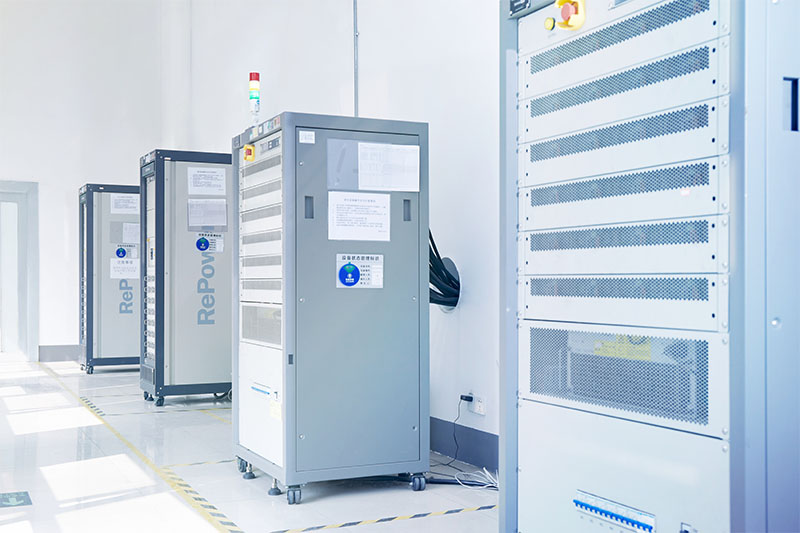
Energy Storage Cabinets are now widely used in:
Industrial Facilities
- Peak shaving
- Backup power
- Renewable energy integration
(e.g., Hicorenergy’s Si Station series)
Commercial Buildings
- Demand management
- Reducing electricity bills
- Power continuity
(e.g., SHV48100)
Residential Homes
- Solar energy storage
- Backup during outages
- Lower energy bills
(e.g., I-BOX 48100R)
These real-world examples prove how Energy Storage Cabinets are now essential to modern energy infrastructure.
Conclusion
Hicorenergy delivers a full range of advanced Energy Storage Cabinet solutions built for safety, efficiency, and long-term reliability. Whether for homes, commercial facilities, or industrial operations, Hicorenergy’s technology ensures stable power, reduced energy costs, and sustainable growth.
Choosing the right Energy Storage Cabinet is key to achieving energy independence and future-proofing your energy system.
Contact Hicorenergy today:
Email: service@hicorenergy.com
-2048x617.png)
 English
  Español
  Deutsch
  Français
  Italiano
  Bahasa Indonesia
  Svenska
  Română
  Українська
  Tagalog