-scaled.png)
-2048x1135-1.png)
Lithium battery energy storage systems are essential in ensuring energy security, cost savings, and sustainability—especially in regions with unstable power grids or where independence from the grid is a priority. Whether for residential homes or commercial facilities, one of the most critical steps in system design is correctly sizing the battery capacity based on actual energy loads. This article explores how to accurately calculate lithium battery capacity, why it matters, and common pitfalls to avoid.
How Do You Calculate the Right Capacity for a Lithium Battery Storage System?
To size a lithium battery, multiply your daily energy load (kWh) by the number of autonomy days, then divide by battery efficiency and depth of discharge.
Right-sizing lithium batteries for residential and commercial applications begins with understanding your energy consumption. Start by analyzing your average daily energy use, typically measured in kilowatt-hours (kWh). From there, determine how many “days of autonomy” your battery should support during periods without solar input (like cloudy days or outages). Divide this total by the battery’s usable capacity, which depends on its depth of discharge (DoD) and efficiency. For example, a lithium battery with 90% DoD and 95% round-trip efficiency yields more usable energy than traditional lead-acid batteries. Finally, always include a safety margin—typically 10-20%—to cover unexpected loads or aging performance.
Keep reading to learn how accurate sizing can save money and improve performance.
Table of Contents
Why Accurate Battery Sizing Matters in Energy Storage Systems
Proper battery system sizing is fundamental to the success of any energy storage project. Undersized systems may not meet load demands, leading to frequent blackouts or battery degradation due to deep discharges. On the other hand, oversized systems increase upfront costs unnecessarily and can reduce return on investment.
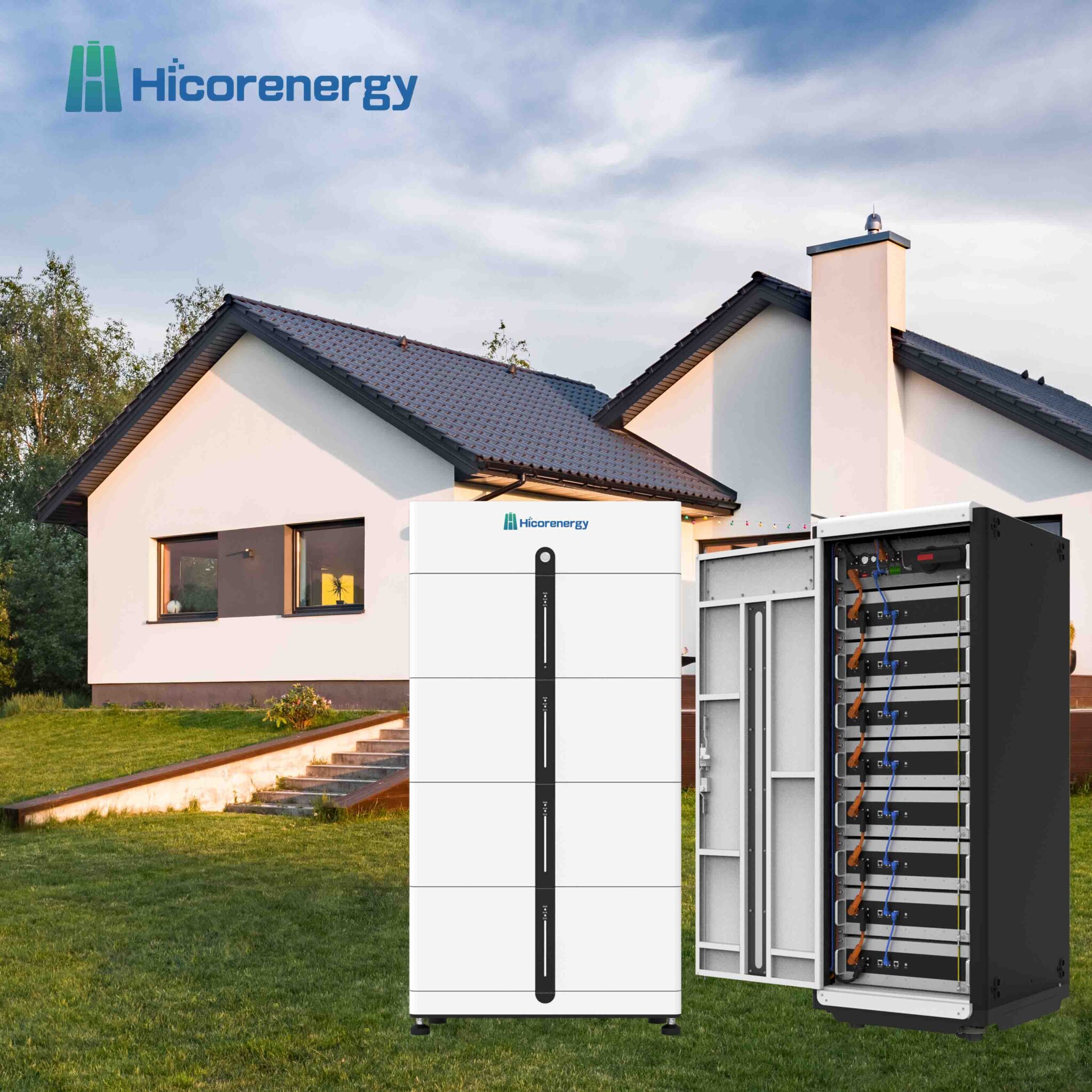
Accurate lithium battery capacity calculation ensures optimal use of the battery, maximizes performance, and prolongs the system’s lifespan. For residential applications, right-sizing helps avoid overpaying for unused capacity. In commercial settings, it guarantees reliability during peak demands and supports functions like peak shaving, demand response, and virtual power plant integration. Battery system sizing must balance load requirements, autonomy goals, and budget—delivering an energy storage system design that’s both cost-effective and resilient.
Key Inputs for Sizing: Load Profiles, Usage Patterns, and Autonomy Days
Battery sizing isn’t just a formula—it starts with data. The first and most important input is the load profile. This includes identifying appliances, machinery, or devices that will draw power from the battery system, along with their energy consumption patterns. Residential users might calculate daily loads from lighting, refrigeration, and air conditioning, while industrial users must consider motors, compressors, and production equipment.
The second key factor is usage patterns. Are energy demands constant, or do they peak during certain hours? Will the battery be charged by solar panels, and if so, how consistent is solar availability?
Thirdly, define your days of autonomy—how long should the battery last without recharge? Off-grid lithium battery sizing typically uses 1 to 3 autonomy days, depending on location and weather conditions. By combining these variables, users can apply the energy load sizing formula effectively.
The Capacity Calculation Formula Explained
The most widely used formula for calculating lithium battery capacity in kilowatt-hours is:
Battery Capacity (kWh) = (Daily Load × Days of Autonomy) / (DoD × Efficiency)
Let’s break it down:
- Daily Load: The total energy required per day, in kWh.
- Days of Autonomy: Number of days the battery should operate without charging.
- Depth of Discharge (DoD): The percentage of the battery’s total capacity that can be safely used. For lithium-ion, this is typically around 90%.
- Efficiency: The round-trip efficiency of the battery system, typically 95% for high-quality lithium solutions like Hicorenergy’s.
For example, if your daily load is 10 kWh, you want 2 days of autonomy, your battery supports 90% DoD, and your system has 95% efficiency:
Battery Capacity = (10 × 2) / (0.9 × 0.95) = 20 / 0.855 ≈ 23.4 kWh
This gives you the usable capacity needed to meet your energy needs reliably.
Real-Life Example: Calculating Battery Size for a 4-Bedroom Off-Grid Home
Imagine a 4-bedroom off-grid home in Kenya with daily energy needs of 15 kWh. This includes lighting, refrigeration, a water pump, and occasional air conditioning. The homeowner wants two days of autonomy to cover cloudy weather conditions. They choose a lithium battery system with 90% DoD and 95% efficiency.
Using the capacity formula:
Battery Capacity = (15 × 2) / (0.9 × 0.95) = 30 / 0.855 ≈ 35.1 kWh
A suitable configuration would involve multiple modules of a scalable battery like Hicorenergy’s I-BOX 48100R or Si LV1 system. For instance, three 12.8 kWh units or five 7.04 kWh modules can meet this requirement, providing enough flexibility and scalability for future expansion.
Common Mistakes to Avoid When Sizing Lithium Battery Systems
- Ignoring Depth of Discharge: Some users assume they can use 100% of battery capacity. This leads to premature degradation and unreliable power.
- Overlooking Efficiency Losses: Not all energy charged into a battery is retrievable. Always include efficiency in your calculation.
- Incorrect Load Estimates: Underestimating your daily energy use results in undersized systems. Be realistic and thorough in your energy audit.
- No Autonomy Planning: Failing to account for autonomy days can make your system vulnerable during poor weather or outages.
- Poor Compatibility: Choosing a battery incompatible with your inverter or system design can reduce performance. Hicorenergy batteries are engineered for wide compatibility to avoid this issue.
- Lack of Future-Proofing: Not considering scalability might limit future usage expansion. Hicorenergy systems allow parallel connections and modular upgrades for future growth.
Conclusion: Plan Smart, Size Right—Start with Hicorenergy
Lithium battery capacity calculation is not guesswork—it’s a science grounded in data and proper methodology. From understanding your energy loads to applying the right formula, accurate battery system sizing ensures long-term performance, cost-efficiency, and energy security. Hicorenergy offers a wide range of lithium energy storage systems—compact, scalable, and reliable—for both residential and commercial needs.

Need help with energy load sizing or planning a solar battery storage system? Contact the Hicorenergy team today for expert guidance and customized energy storage solutions.
Contact Us Today:
Email: service@hicorenergy.com
WhatsApp: +86 181-0666-0961
 English
  Español
  Deutsch
  Français
  Italiano
  Bahasa Indonesia
  Svenska
  Română
  Українська
  Tagalog