Author: Hicorenergy

  • How Solar Panels and Battery Storage Work Together for Energy Independence

    How Solar Panels and Battery Storage Work Together for Energy Independence

    How do solar panels and batteries work together?

    Solar panels generate electricity from sunlight, which can be used immediately or stored in a battery energy storage system for later use. Batteries capture excess solar energy, ensuring a continuous power supply even when the sun is not shining, enhancing energy independence and grid power stability.

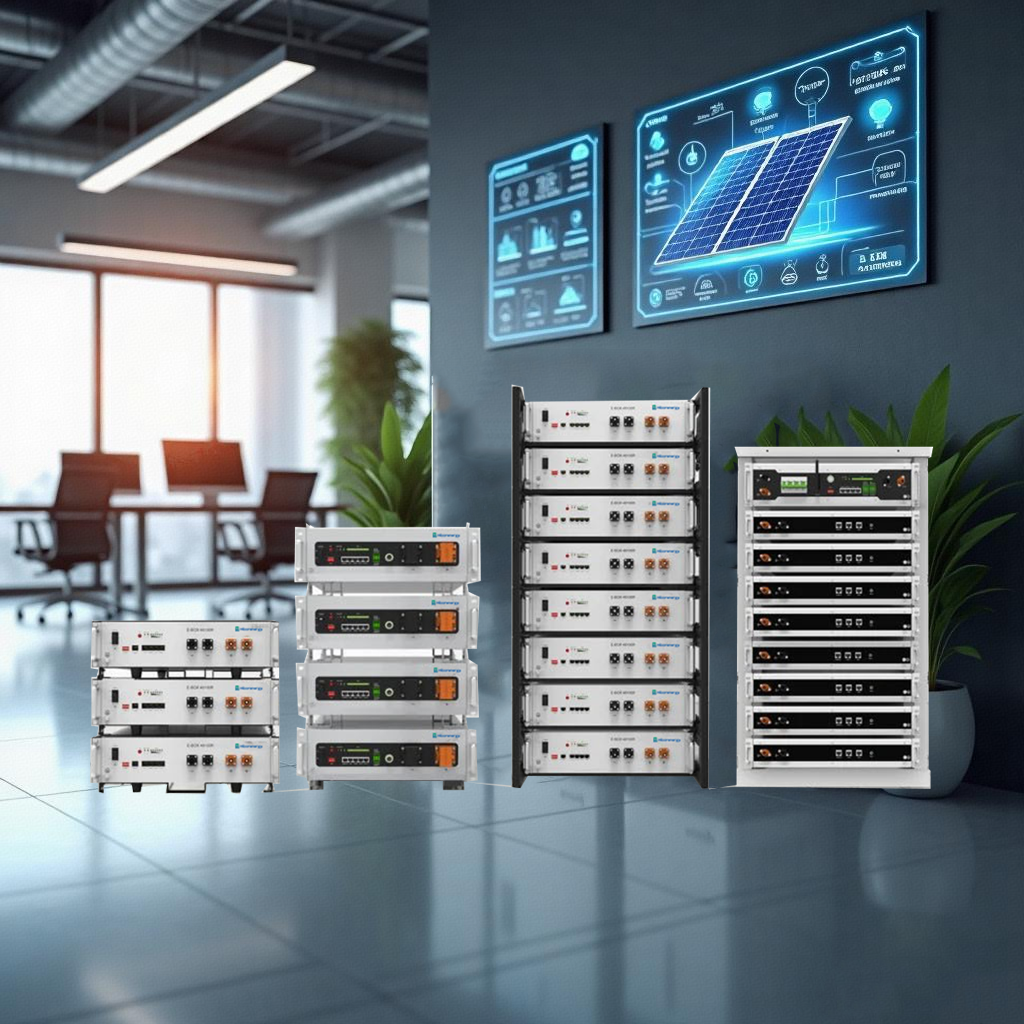
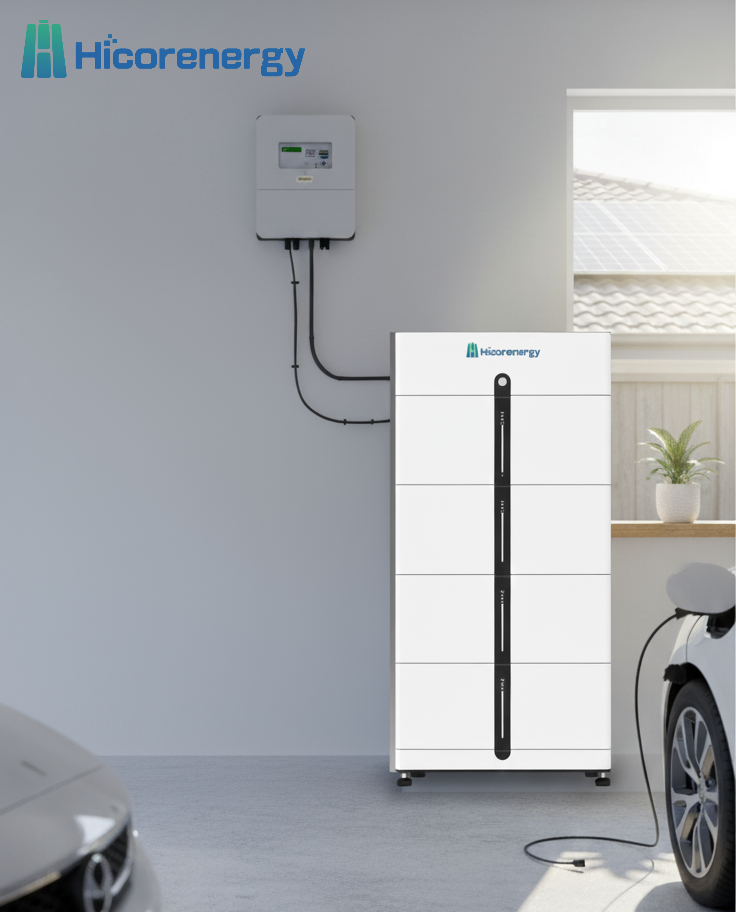
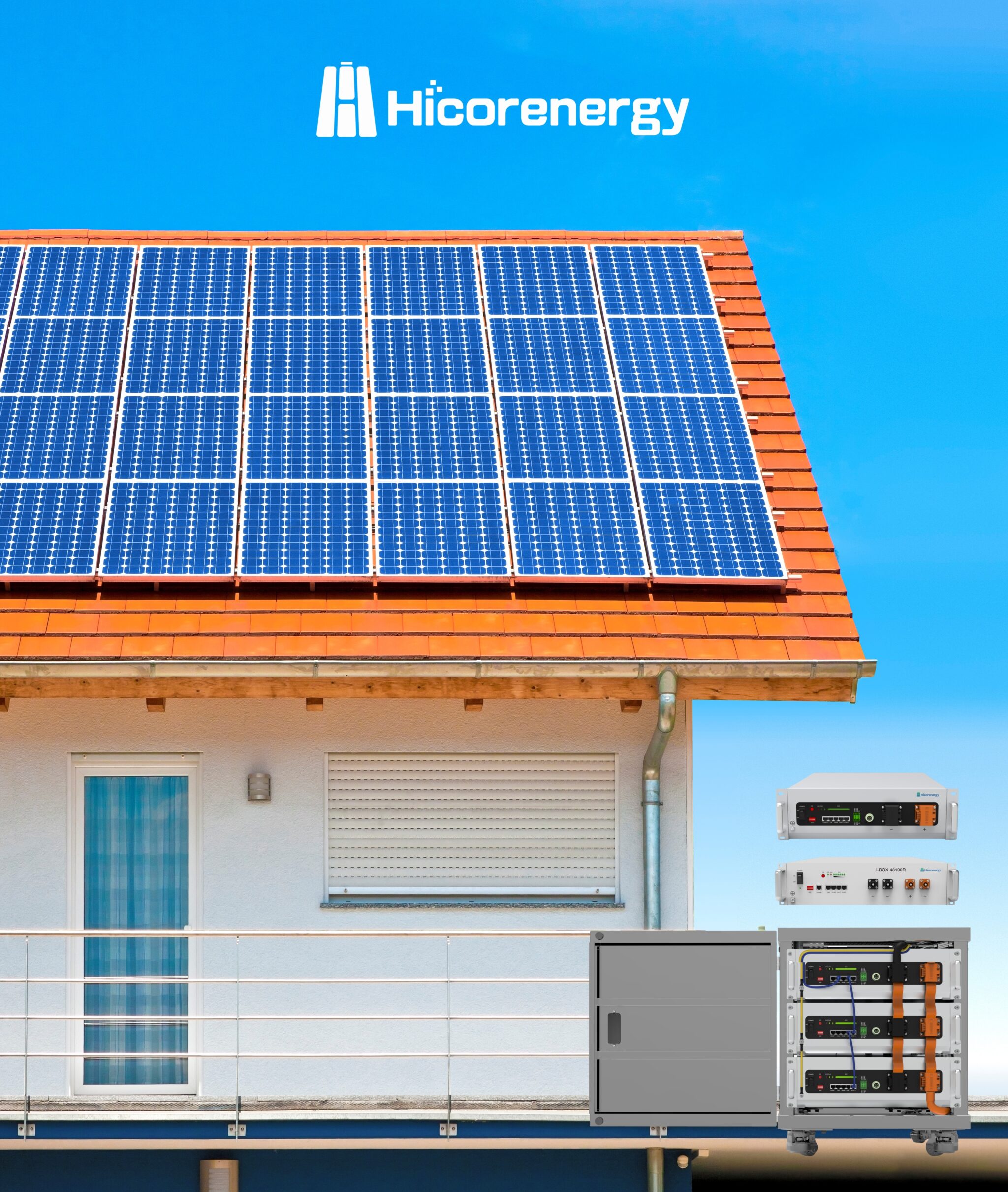
    Solar panels and batteries form a complementary system that enables households and businesses to store solar energy for later use. During the day, solar panels convert sunlight into electricity, powering appliances and other electrical needs. Any surplus energy is stored in a home energy storage system, which can be drawn upon when solar production decreases, such as at night or during cloudy periods. This reduces dependence on grid power, supports renewable energy integration, and helps in managing power outages effectively.

    To fully understand how this integration leads to energy independence, let’s explore the key concepts behind solar energy generation, battery storage, and their combined benefits.

    Understanding Energy Independence: What It Means and Why It Matters

    Energy independence refers to the ability to generate and utilize power without relying on external sources such as national electricity grids. It is crucial for both households and businesses seeking to lower energy costs, enhance energy security, and contribute to sustainable energy goals. By combining solar panels with a battery storage system, users can produce and store renewable energy, reducing reliance on fluctuating grid power and fossil fuels.

    Achieving energy independence is particularly beneficial in regions with unstable electricity supplies. It provides resilience against power outages and allows users to manage their electricity consumption more efficiently. With industrial energy needs rising, commercial solutions incorporating solar energy and storage systems are increasingly being adopted to ensure continuous power supply while lowering operational costs.

    Additionally, energy independence contributes to a cleaner environment. By reducing the consumption of fossil fuels, it helps in lowering carbon emissions and mitigating climate change effects. Many governments and organizations are now advocating for policies and incentives to support the transition to clean energy solutions.

    How Solar Panels Generate and Supply Power

    Solar panels work by capturing sunlight and converting it into direct current (DC) electricity using photovoltaic (PV) cells. This DC power is then converted into alternating current (AC) electricity by an inverter, making it usable for household or commercial applications.
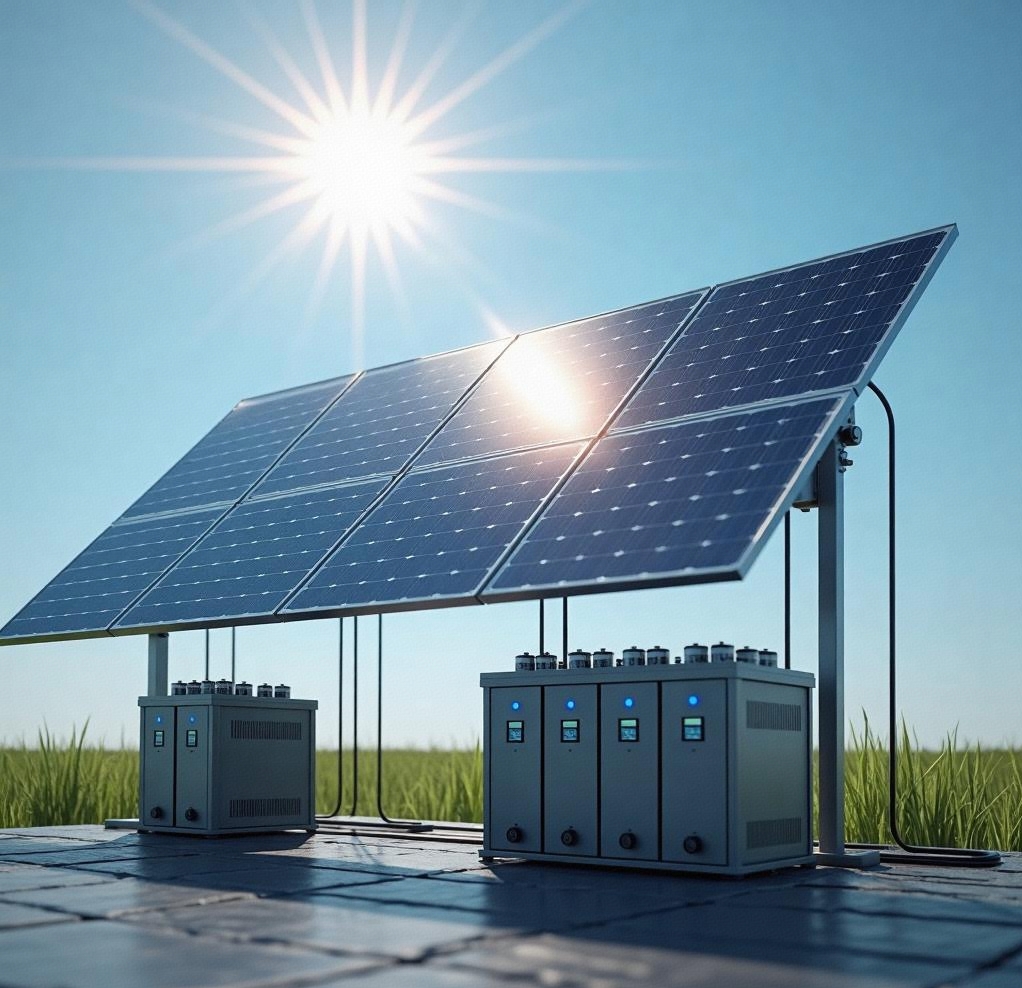
    Key components of a solar panel system include:

    • Photovoltaic cells: The primary components that absorb sunlight and generate electricity.
    • Inverter: Converts DC power to AC power for use in homes and businesses.
    • Charge controller: Regulates the power flow and protects batteries from overcharging.
    • Mounting system: Ensures optimal positioning for maximum solar energy absorption.

    Solar energy production depends on factors such as sunlight availability, panel orientation, and efficiency. When energy production exceeds immediate consumption, excess electricity can be stored in a battery energy storage system or fed back into the grid, depending on local policies and regulations.

    Technological advancements have led to higher-efficiency solar panels, enabling better energy conversion and greater power output. Modern solar panels now incorporate bifacial technology, allowing them to absorb sunlight from both sides for improved performance.

    The Role of Battery Storage in Capturing and Using Solar Energy

    Battery storage systems play a vital role in optimizing solar energy use. They allow users to store excess solar power generated during peak sunlight hours for later use, ensuring uninterrupted electricity supply during nighttime or cloudy conditions.

    Benefits of battery energy storage:

    • Power backup: Ensures a reliable power supply during outages.
    • Load shifting: Stores energy when production is high and releases it when demand increases.
    • Grid independence: Reduces reliance on external power sources.
    • Cost savings: Maximizes self-consumption of solar energy, reducing electricity bills.

    Advanced battery storage solutions, such as lithium-ion batteries, offer higher efficiency, longer lifespan, and better scalability compared to traditional lead-acid batteries. These innovations contribute to the energy revolution by making sustainable energy solutions more accessible and effective.

    Battery storage is also evolving with smart energy management systems that integrate AI and IoT technologies. These systems enable real-time monitoring, predictive maintenance, and optimized energy usage, ensuring that users get the most value from their stored energy.

    Key Benefits of Combining Solar Panels with Battery Storage

    The integration of solar panels with battery storage provides numerous advantages for both residential and commercial users. Some of the key benefits include:

    1. Energy Reliability
      Battery storage ensures a stable power supply even when solar panels are not generating electricity, mitigating issues related to power outages and grid failures.
    2. Cost Efficiency
      By storing solar energy for later use, users can minimize electricity expenses by avoiding peak-hour grid power costs. Additionally, some regions offer incentives or rebates for installing battery storage systems, making them even more cost-effective.
    3. Sustainable Energy Utilization
      This combination promotes clean energy consumption, reducing dependence on fossil fuels and lowering carbon footprints. With increasing global awareness of climate change, businesses and homeowners are prioritizing renewable energy investments.
    4. Scalability for Industrial and Commercial Applications
      Businesses can scale their energy storage systems to meet their specific power needs, ensuring operational efficiency and cost savings. Larger-scale battery storage systems also support grid stabilization by balancing supply and demand fluctuations.

    Choosing the Right Battery Storage System for Your Solar Setup

    Selecting the appropriate battery energy storage system is essential to maximize the benefits of solar energy. Here are some factors to consider:

    1. Battery Type

      Lithium-ion batteries: High efficiency, longer lifespan, and compact size.
      Lead-acid batteries: Lower upfront cost but shorter lifespan and lower efficiency.
    2. Capacity and Scalability
      The storage system should match the energy consumption needs of the user. Scalable solutions allow for future expansions based on increasing power demands.
    3. Efficiency and Lifespan
      Higher efficiency batteries reduce energy losses, while longer lifespan ensures cost-effectiveness over time.
    4. Compatibility with Solar Inverters
      The battery storage system should be compatible with existing solar inverters for seamless integration.
    5. Remote Monitoring Capabilities
      Modern battery storage systems offer web and mobile app monitoring features, allowing users to track their energy consumption, battery status, and overall system performance remotely.
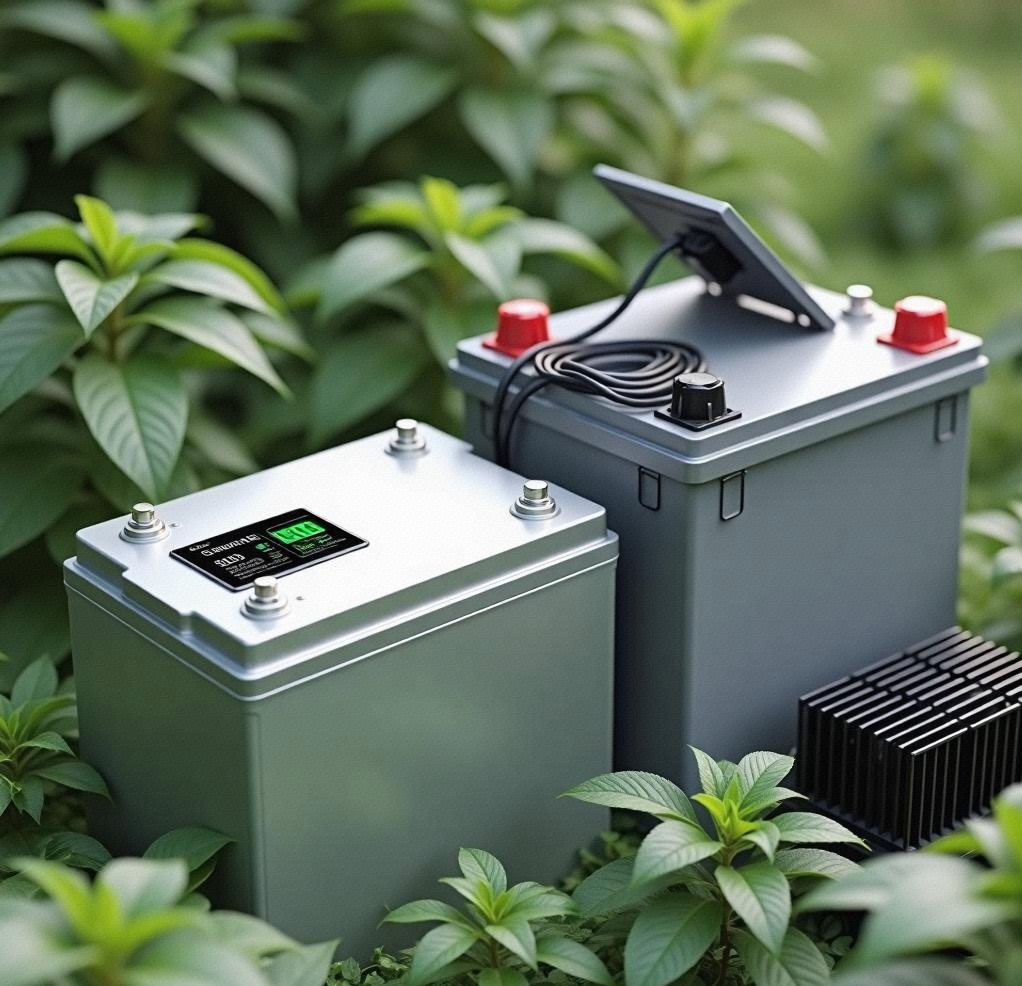
    By choosing the right battery storage system, users can enhance their energy independence, optimize renewable energy usage, and contribute to a cleaner, more sustainable energy future.

    Conclusion

    The combination of solar panels and battery storage is a game-changer in achieving energy independence. Investing in energy storage ensures long-term sustainability, cost savings, and resilience against power disruptions. To learn more about the best energy storage solutions for your needs, contact Hicorenergy today.
  • How Can Businesses Stay Regulated with Commercial Battery Storage and Grid Energy Systems?

    How Can Businesses Stay Regulated with Commercial Battery Storage and Grid Energy Systems?

    Lithium-Ion Battery Storage Solutions & Energy Storage Systems (ESS)

    Lithium-ion battery storage solutions and Energy Storage Systems (ESS) play a critical role in modern energy management. These systems help businesses reduce reliance on the grid, improve energy efficiency, and ensure compliance with energy regulations. By integrating advanced battery storage, companies can achieve cost savings and environmental sustainability.

    Commercial Battery Storage

    Who Uses Energy Storage Systems (ESS) with Battery Fire Protection?

    Energy Storage Systems (ESS) are widely used across various industries that require stable power supply and fire protection measures. Businesses in commercial and industrial sectors, including manufacturing plants, data centers, and healthcare facilities, rely on ESS to ensure uninterrupted operations. These systems also benefit renewable energy providers by storing excess power from solar and wind sources. Battery fire protection is a crucial feature, ensuring compliance with strict safety regulations and minimizing fire risks. With enhanced thermal management, automatic shutdown functions, and smart monitoring, modern ESS solutions provide reliable and safe energy storage for businesses seeking operational efficiency and regulatory compliance.

    Energy Storage Systems (ESS) are also increasingly being deployed in smart grids to enhance grid resilience and efficiency. Utility companies integrate these systems to stabilize power fluctuations, manage peak load demands, and prevent blackouts. Additionally, remote and off-grid applications, such as telecom towers and mining operations, utilize ESS to maintain reliable power supply in challenging environments. The ability to store and deploy energy efficiently makes ESS a valuable asset in reducing operational risks and ensuring continuous productivity.

    To learn more about how ESS and commercial battery storage can benefit your business, keep reading to discover how these systems maintain compliance, efficiency, and sustainability.

    Stay Compliant with Energy Storage Systems or Commercial Battery Storage

    Ensuring compliance with energy regulations is essential for businesses utilizing commercial battery storage and grid energy systems. Government policies and industry standards regulate the installation, operation, and maintenance of Energy Storage Systems (ESS) to ensure safety and efficiency. Regulations such as UL 9540, NFPA 855, and IEC 62619 establish strict requirements for battery storage units, emphasizing fire safety, energy efficiency, and environmental responsibility. Companies must work with certified providers to ensure their systems meet legal and safety requirements. By integrating compliant ESS solutions, businesses can reduce regulatory risks, improve operational safety, and enhance energy efficiency while minimizing environmental impact.

    Technology Used in Energy Storage Systems

    Modern commercial battery storage and grid energy systems rely on advanced lithium-ion battery technology, battery management systems (BMS), and artificial intelligence (AI)-driven monitoring tools. These innovations help optimize energy storage, improve system efficiency, and enhance safety features. Smart automation and predictive analytics further ensure compliance with safety standards while reducing the risk of system failures.

    Settings Where the Technology is Being Installed

    Energy Storage Systems (ESS) are installed in a variety of settings, including industrial plants, commercial buildings, hospitals, and data centers. These installations provide backup power during outages and enable companies to operate more sustainably by integrating renewable energy sources. In urban environments, ESS solutions are deployed in commercial high-rises and business districts to manage energy distribution efficiently.

    Size and Separation of Energy Storage System Installations

    The size of an ESS installation varies depending on the energy demands of a facility. Large-scale industrial plants require high-capacity systems, often housed in dedicated structures with strict safety protocols. Smaller installations for commercial buildings may integrate modular designs that allow scalability as energy needs grow. Regulatory guidelines dictate the required separation distances between storage units to prevent fire hazards and facilitate emergency response access.

    Current Fire Suppression and Control Systems

    Fire safety is a critical aspect of ESS installations. Modern systems incorporate multiple layers of protection, including thermal runaway prevention, automatic fire suppression mechanisms, and real-time monitoring for early hazard detection. Advanced fire suppression methods, such as gas-based extinguishing systems and liquid cooling technology, help mitigate fire risks and maintain regulatory compliance.

    Understand How These Systems Are Kept Safe, Efficient, and Environmentally Friendly

    Safety, efficiency, and environmental sustainability are key considerations in deploying energy storage systems (ESS). Advanced battery storage solutions incorporate multiple safety features, including battery management systems (BMS), thermal runaway prevention, and fire-resistant enclosures. Efficiency is maximized through smart energy management, ensuring optimal charge and discharge cycles. Additionally, eco-friendly lithium-ion batteries reduce carbon emissions by integrating renewable energy sources such as solar and wind. With continuous advancements in battery technology, commercial battery storage and grid energy systems are becoming increasingly safer and more reliable for industrial and commercial applications.

    Another major concern for businesses is the environmental impact of energy storage solutions. Sustainable ESS designs focus on reducing waste and improving recyclability. Many manufacturers are now adopting closed-loop recycling systems to minimize hazardous waste, ensuring that battery components are repurposed efficiently. By prioritizing environmental sustainability, businesses can meet corporate social responsibility (CSR) objectives while optimizing their energy consumption.

    Modern energy storage solutions also incorporate predictive analytics and AI-driven maintenance systems that ensure longevity and operational efficiency. By detecting performance anomalies in real-time, businesses can address potential system failures before they escalate, reducing downtime and maintenance costs. Such innovations contribute to both economic and environmental sustainability, making ESS an essential component of future-proof energy management.

    Why Users Prefer Hicorenergy?

    Hicorenergy provides cutting-edge energy storage systems (ESS) that combine safety, efficiency, and scalability. With high-performance lithium-ion battery technology, Hicorenergy’s solutions ensure long-lasting power storage and optimal energy utilization. Businesses choose Hicorenergy for its advanced BMS, smart monitoring capabilities, and robust fire protection features. Additionally, Hicorenergy’s commercial battery storage solutions offer seamless integration with renewable energy sources, reducing dependence on the grid and lowering energy costs. Designed for compliance with global safety standards, Hicorenergy’s ESS products provide reliable and sustainable energy storage for various commercial and industrial applications.

    Hicorenergy’s products are engineered for long-term durability and peak performance, ensuring that businesses can maintain efficient energy usage while adhering to regulatory standards. With state-of-the-art thermal management and AI-driven monitoring, Hicorenergy’s ESS units offer a proactive approach to energy management, allowing users to predict potential failures before they occur. This ensures uninterrupted operations and cost-effective energy utilization.

    Furthermore, Hicorenergy offers scalable energy storage solutions tailored to specific business needs. Whether a company requires a compact system for a small facility or a large-scale ESS for an industrial plant, Hicorenergy provides customizable options that align with energy consumption patterns and sustainability goals. With a focus on innovation and customer-centric solutions, Hicorenergy continues to lead the market in reliable and high-performance energy storage technology.

    Summary of Hicorenergy Products

    Hicorenergy’s commercial battery storage and grid energy systems provide safe, efficient, and environmentally friendly solutions. Featuring advanced fire protection, smart energy management, and seamless renewable integration, Hicorenergy ensures compliance with industry standards. Businesses seeking reliable energy storage systems (ESS) can trust Hicorenergy for cost-effective and sustainable power solutions.

  • Why Energy Management Matters: The Role of Advanced Battery Technology

    Why Energy Management Matters: The Role of Advanced Battery Technology

    Energy Management Matters

    Effective energy management is essential for reducing costs, improving efficiency, and ensuring a stable power supply. As energy demands increase, businesses and households need innovative solutions to optimize power usage and reduce reliance on the grid. Advanced battery technology plays a crucial role in modern energy management, providing sustainable and cost-effective storage solutions.

    One of the biggest challenges in energy management is handling fluctuations in energy availability and consumption. Traditional energy sources are often inefficient and costly, making it necessary to adopt advanced storage systems. Lithium-ion batteries, with their high energy density and long lifespan, have emerged as a leading solution for efficient energy management. These batteries store excess energy and release it during peak demand, helping users lower electricity costs and ensure a reliable power supply.

    Advanced battery technology enables businesses and households to integrate renewable energy sources, such as solar and wind, into their energy management strategies. By storing energy when production is high and using it when demand peaks, these systems optimize consumption and reduce dependence on fossil fuels. This approach not only cuts costs but also supports sustainability initiatives.

    Another key benefit of advanced battery technology in energy management is its scalability. Whether for industrial operations, commercial buildings, or residential applications, modern battery storage solutions can be tailored to different energy needs. Additionally, smart monitoring features allow users to track and optimize their power consumption in real-time.

    Investing in advanced battery storage is a game-changer for energy management. It provides cost savings, enhances energy security, and supports a transition to cleaner power sources. As demand for efficient energy solutions grows, leveraging advanced battery technology will be crucial for achieving long-term sustainability and efficiency.

    Introducing Scion Products

    Scion products offer innovative and reliable solutions for energy management. Designed with cutting-edge technology, they provide efficient energy storage, seamless integration with renewable sources, and advanced monitoring capabilities. Scion’s battery solutions ensure high performance, longevity, and cost-effectiveness, making them an excellent choice for businesses and households looking to optimize their energy consumption.

  • Commercial & Industrial Energy Management: Cutting Costs with Smart Storage

    Commercial & Industrial Energy Management: Cutting Costs with Smart Storage

    Effective commercial & industrial energy management is crucial for reducing costs and improving efficiency. As energy demands rise, businesses need innovative solutions to optimize power usage and ensure reliability. Smart energy storage systems offer a cost-efficient and sustainable way to manage electricity consumption.

    Businesses face challenges such as fluctuating energy prices, grid instability, and pressure to reduce carbon footprints. Traditional power management methods are no longer sufficient, making it essential to adopt flexible and reliable solutions. Smart energy storage systems, like lithium-ion batteries, help companies store and utilize energy efficiently, leading to cost savings and improved operations.

    These storage solutions allow businesses to store excess energy and use it during peak demand periods, reducing reliance on expensive grid power. They integrate seamlessly with existing infrastructures, enabling optimized power consumption and lower electricity costs. Commercial & industrial energy management benefits from real-time monitoring, ensuring optimal performance and preventing energy wastage.

    Key advantages of smart storage include cost savings, grid independence, sustainability, scalability, and enhanced energy security. These systems shift power consumption to off-peak hours when rates are lower, reducing expenses. Businesses can also decrease reliance on unstable power grids, ensuring continuous operations during outages. Integrating renewable sources such as solar and wind further supports sustainability goals.

    Lithium-ion battery storage is a major advancement in commercial & industrial energy solutions, offering high energy density, longer lifespan, and superior efficiency. Companies like Hicorenergy lead the way in providing innovative battery solutions that enhance business energy management strategies.

    By adopting smart energy storage, businesses can maximize ROI, optimize energy use, and improve sustainability efforts. Investing in advanced storage technologies is key to maintaining competitiveness, achieving financial savings, and ensuring a more sustainable future.

  • 5 Common Causes of Power Outages and How Battery Storage Can Help

    5 Common Causes of Power Outages and How Battery Storage Can Help

    What is the most common cause of power outages?

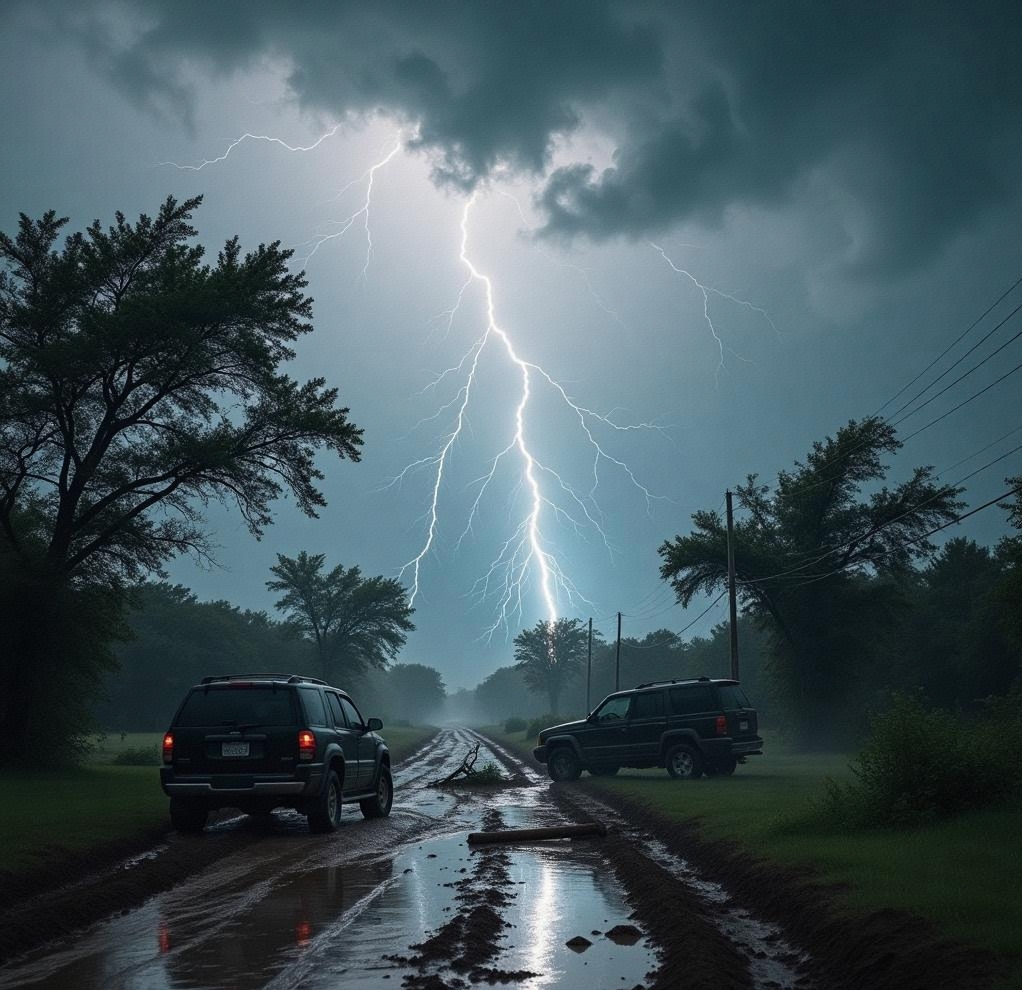
    Severe weather conditions, including storms, hurricanes, and high winds, are the leading causes of power outages. These events damage power lines, disrupt grid power, and leave homes and businesses without electricity. As climate change intensifies, weather-related blackouts are becoming more frequent, emphasizing the need for reliable backup power solutions.

    A home battery energy storage system can provide uninterrupted power during blackouts. By storing electricity from the grid or solar panels, these systems ensure homes and businesses have access to clean energy when outages occur. Regular maintenance and energy management strategies can maximize battery efficiency and prolong backup power availability.

    Power outages are more than just inconveniences—they disrupt daily life, impact businesses, and compromise safety. Understanding their causes and effects is crucial to finding effective solutions.

    Understanding Power Outages: Frequency and Impact on Daily Life

    Power outages are an increasingly common issue worldwide, affecting millions each year. The frequency of blackouts depends on various factors, including infrastructure reliability, weather conditions, and energy demand. In areas with outdated grid power systems, blackouts can occur multiple times a year, while regions prone to extreme weather may experience even more disruptions.

    The impact of power outages extends beyond simple inconvenience. For households, a lack of electricity disrupts heating, cooling, and essential appliances. Families must rely on alternative power sources, which may not always be reliable. Businesses, on the other hand, suffer from operational delays, financial losses, and potential security risks. Critical sectors like healthcare and manufacturing face significant threats, as power failures can jeopardize life-saving medical equipment and halt essential industrial processes. These realities underscore the importance of investing in energy innovation and backup solutions such as home energy storage and commercial solutions.

    Longer and more frequent blackouts can also result in spoiled food, loss of internet connectivity, and failure of communication devices. As digital dependency grows, the need for sustainable energy and reliable power backup solutions becomes even more pressing. Energy resilience is key to ensuring stability in both residential and commercial settings.

    The 5 Most Common Causes of Power Outages

    1. Severe Weather Conditions
      Extreme weather events like storms, hurricanes, and heavy snowfall can damage power lines and transformers, leading to widespread blackouts. High winds can bring down trees, which in turn disrupt the power supply. Flooding can cause electrical substations to fail, cutting power to entire regions. These disruptions highlight the need for sustainable energy solutions such as battery energy storage systems that can provide emergency backup.
    2. Equipment Failure and Aging Infrastructure
      Many power grids operate on outdated infrastructure that struggles to meet modern energy demands. Transformers, power lines, and substations can fail due to wear and tear, resulting in unexpected outages. In some areas, decades-old electrical grids are unable to support the growing energy consumption of modern households and businesses. Investing in industrial energy storage can help businesses mitigate these risks by providing a reliable alternative power source that operates independently of failing infrastructure.
    3. Overloaded Power Grids
      High electricity demand, especially during peak seasons, can overwhelm the grid. When energy consumption surpasses the supply capacity, utilities may enforce rolling blackouts. This is particularly common in regions experiencing rapid urbanization or population growth. Battery storage solutions allow homes and businesses to store excess energy and use it when needed, reducing dependency on grid power. Additionally, shifting to renewable energy sources can alleviate pressure on traditional power infrastructure and promote a more sustainable energy system.
    4. Natural Disasters and Wildfires
      Earthquakes, floods, and wildfires can severely damage power lines and substations, leading to prolonged outages. Wildfires, in particular, have become an increasing threat, as they not only destroy electrical infrastructure but also force power companies to shut down the grid as a precautionary measure. In such situations, a battery energy storage system offers a dependable power backup, ensuring continuous operation of essential devices and systems. Businesses that depend on refrigeration, data centers, or manufacturing can greatly benefit from these systems to prevent costly downtime.
    5. Human-Related Factors and Cyber Threats
      Human errors, vandalism, and cyberattacks on power grids can lead to outages. As digital threats increase, securing reliable energy storage solutions ensures homes and businesses remain powered even in the face of unexpected disruptions. Hackers targeting power infrastructure can cause widespread blackouts, which may take days or even weeks to resolve. Battery storage provides an immediate and effective countermeasure against such threats, reducing vulnerability to cyber incidents and enhancing energy security.

    The Consequences of Power Outages: Why Preparedness Matters

    Power outages affect more than just convenience; they pose safety risks and financial burdens. Loss of heating or cooling can lead to health issues, particularly for vulnerable populations. Businesses suffer from lost productivity, spoiled inventory, and damaged equipment. Additionally, frequent outages increase reliance on costly fuel-based generators, which contribute to environmental pollution.

    Extended blackouts can also disrupt essential services like water supply and emergency response systems. Hospitals rely on electricity to power critical equipment, while law enforcement and fire departments depend on functioning communication systems. The broader societal impact of power outages underscores the necessity of investing in grid power resilience and advanced energy storage solutions.

    Having a robust power backup plan minimizes these consequences. Renewable energy and home energy storage solutions provide sustainable alternatives, offering reliability and peace of mind in times of crisis. As part of the energy revolution, investing in clean energy storage ensures long-term resilience against power disruptions.

    How Battery Storage Provides Reliable Backup Power

    A battery energy storage system stores electricity from solar panels or the grid, making it available during blackouts. Unlike traditional generators, which rely on fuel, battery storage offers a cleaner, quieter, and more sustainable energy solution.

    One of the key benefits of battery storage is its ability to integrate with solar energy systems, allowing homeowners to harness renewable energy and reduce dependence on grid power. Additionally, advanced battery systems provide remote monitoring and smart energy management, ensuring optimized performance and efficiency.

    For commercial and industrial applications, large-scale battery storage solutions help businesses maintain operations during outages, reducing financial losses and improving energy reliability. By adopting energy storage, companies can contribute to a cleaner, more resilient energy future. Furthermore, modern battery storage systems come with intelligent software that allows users to monitor and control their energy usage in real time, maximizing efficiency and savings.

    Choosing the Right Battery Storage System for Your Needs

    Selecting the best energy storage solution depends on factors such as power requirements, budget, and compatibility with existing infrastructure. Homeowners should consider lithium-ion battery systems, which offer high efficiency and long lifespan. Commercial and industrial solutions, such as modular battery systems, provide scalable options to meet varying energy demands.

    Hicorenergy offers a range of high-performance battery storage solutions tailored for residential and commercial applications. With a focus on innovation and sustainability, our products ensure seamless integration with renewable energy systems and deliver reliable power backup during outages. Investing in energy storage not only provides immediate relief during power disruptions but also contributes to long-term environmental and economic benefits.

    Conclusion

    Power outages are unpredictable, but preparedness is key. Investing in a battery energy storage system ensures uninterrupted electricity, enhances energy security, and supports the transition to clean energy. Contact Hicorenergy today to find the best energy storage solution for your needs.

  • Empowering Agriculture in Uganda!

    Empowering Agriculture in Uganda!

    We’re excited to showcase a cutting-edge installation at a Ministry of Agriculture facility in Kampala, Uganda.

    Project Details:

    Hicorenergy  C5°Batteries: 16 units, providing 80kWh of scalable, reliable energy storage.

    DEYE Inverters: 12kW x 2, ensuring seamless energy management.

    This system is designed to enhance agricultural operations, offering robust, clean energy to support sustainable development. It’s a shining example of Hicorenergy empowering communities with innovative energy solutions!

  • Keeping the farm running in Belgium!

    Keeping the farm running in Belgium!

    We recently visited a lively farm where dairy cows and chickens are thriving, all powered by our energy storage system. During a warm conversation with the farm owner, it became clear just how vital our batteries have become for the farm’s smooth operation.

    System Details:

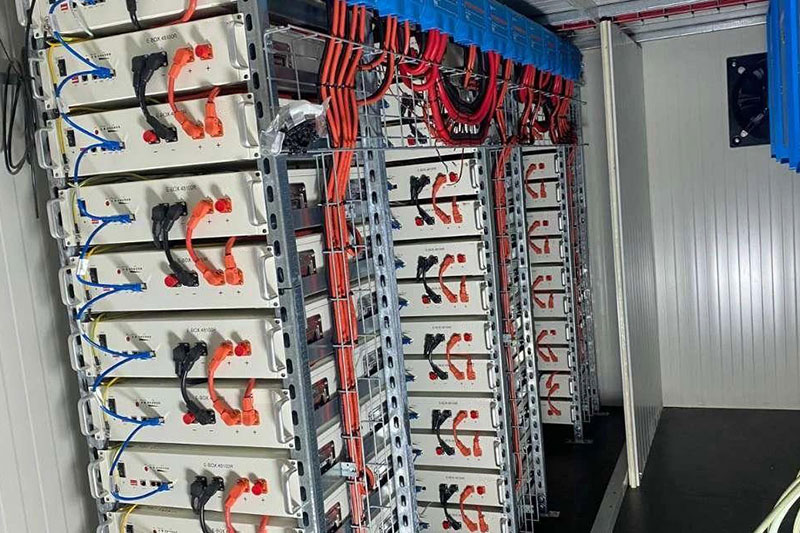
    ● 120kWh system, 24 Hicorenergy high-voltage battery modules

    ● Paired with a 50kW Deye Inverter (high-voltage)

    Our solution is now an essential part of keeping the farm running efficiently and sustainably. We’re excited to see our batteries making such a positive impact!

  • Innovative Residential Energy Storage Project in Austria!

    Innovative Residential Energy Storage Project in Austria!

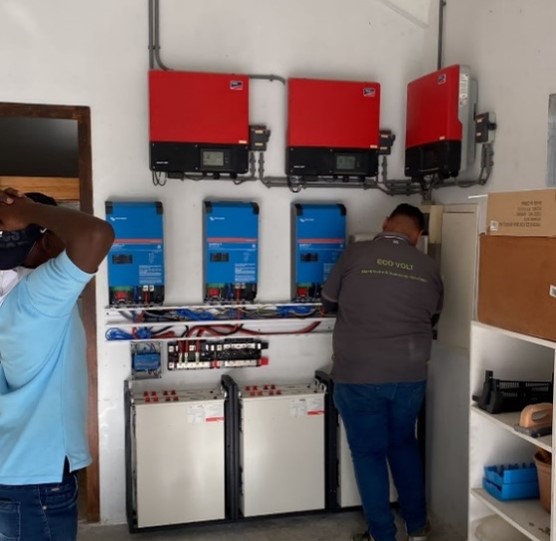
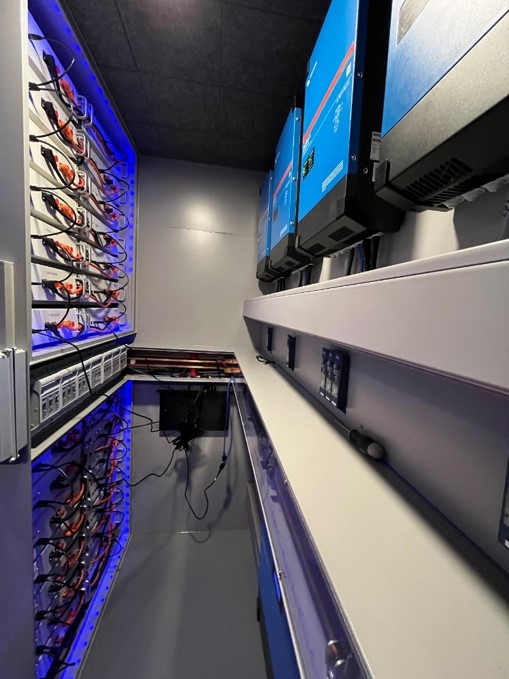
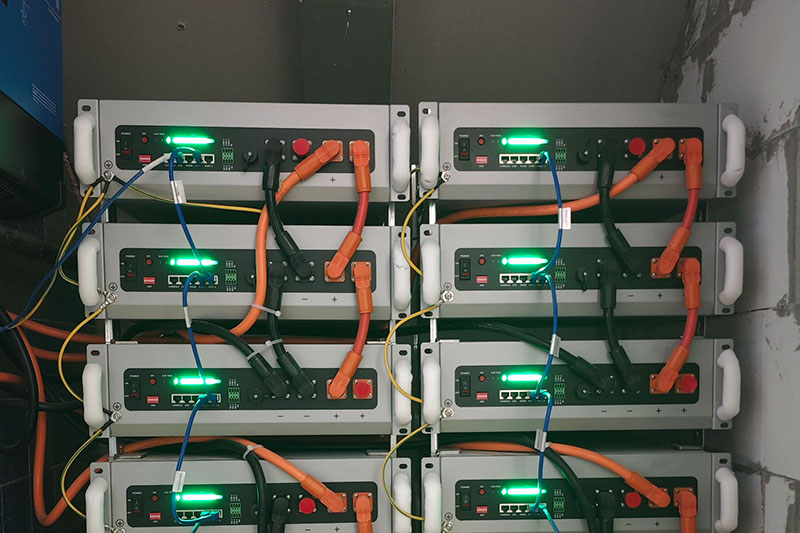
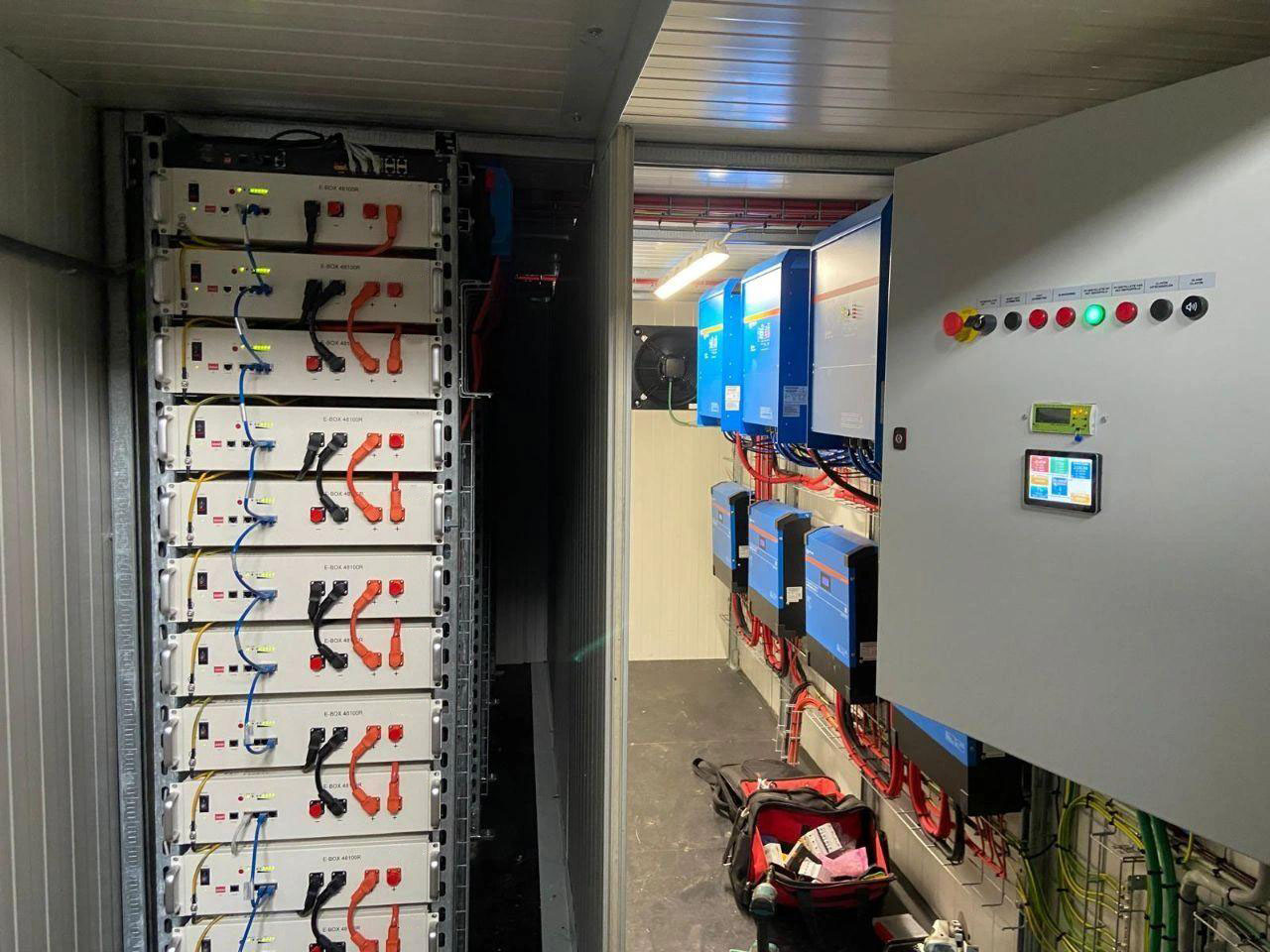
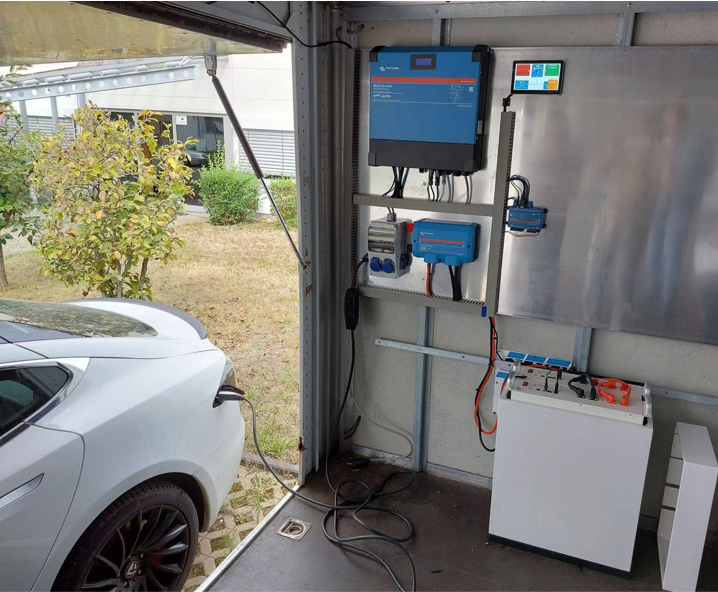
    We’re proud to present our latest installation in Austria, where 12 Hicorenergy C5° batteries are connected in parallel, creating a streamlined and modular system that adapts to the needs of the household. What makes this project special? It’s more than just energy storage—it’s the way our solution integrates seamlessly with Victron Energy inverters to unlock maximum flexibility and smart power management.

    This system doesn’t just store energy; it empowers homeowners to optimize power use, reduce peak demand costs, and actively participate in a more sustainable, decentralized energy future. It’s an adaptable, scalable solution that grows with your energy needs, setting new standards for residential energy independence.

    Ready to rethink the way you power your home? The future of renewable energy is here!

    What is the Right Residential Energy Storage System?

    Choosing the right residential energy storage system is essential for optimizing efficiency and ensuring long-term performance. Key factors to consider include:
    Battery efficiency and lifespan: Look for systems with ≥6000 cycles at 90% DOD and over 95% round-trip efficiency for superior longevity.
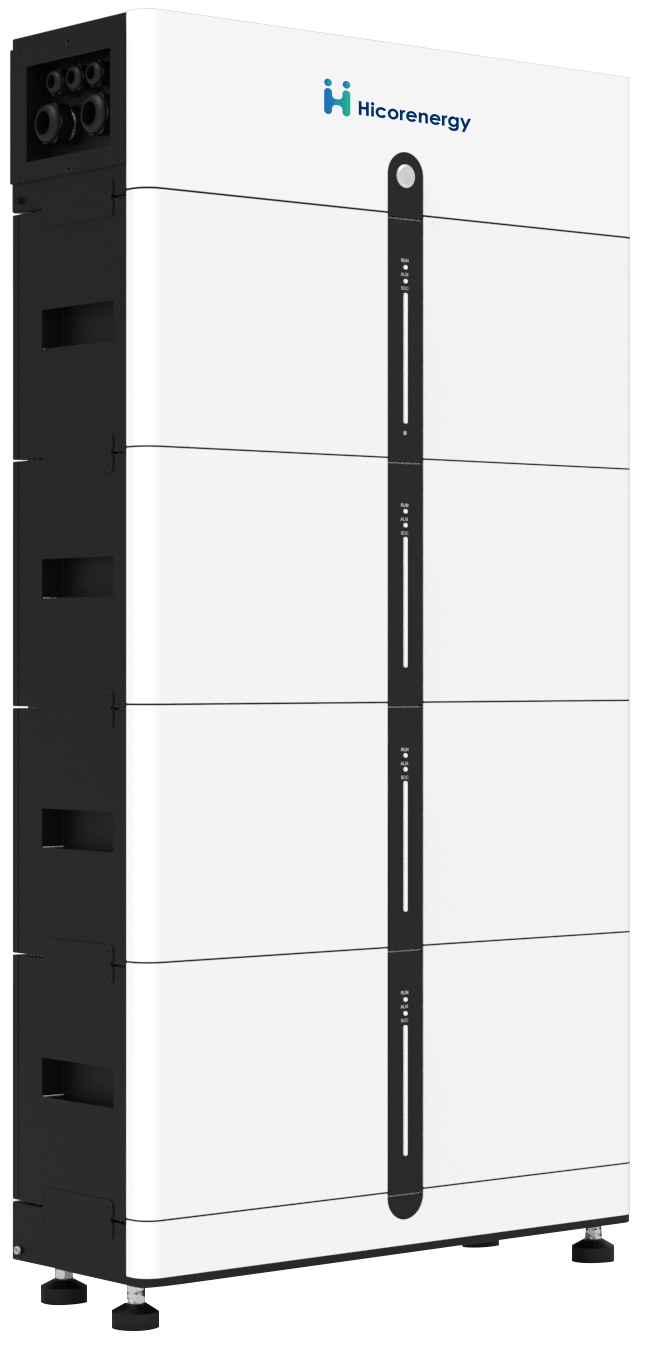
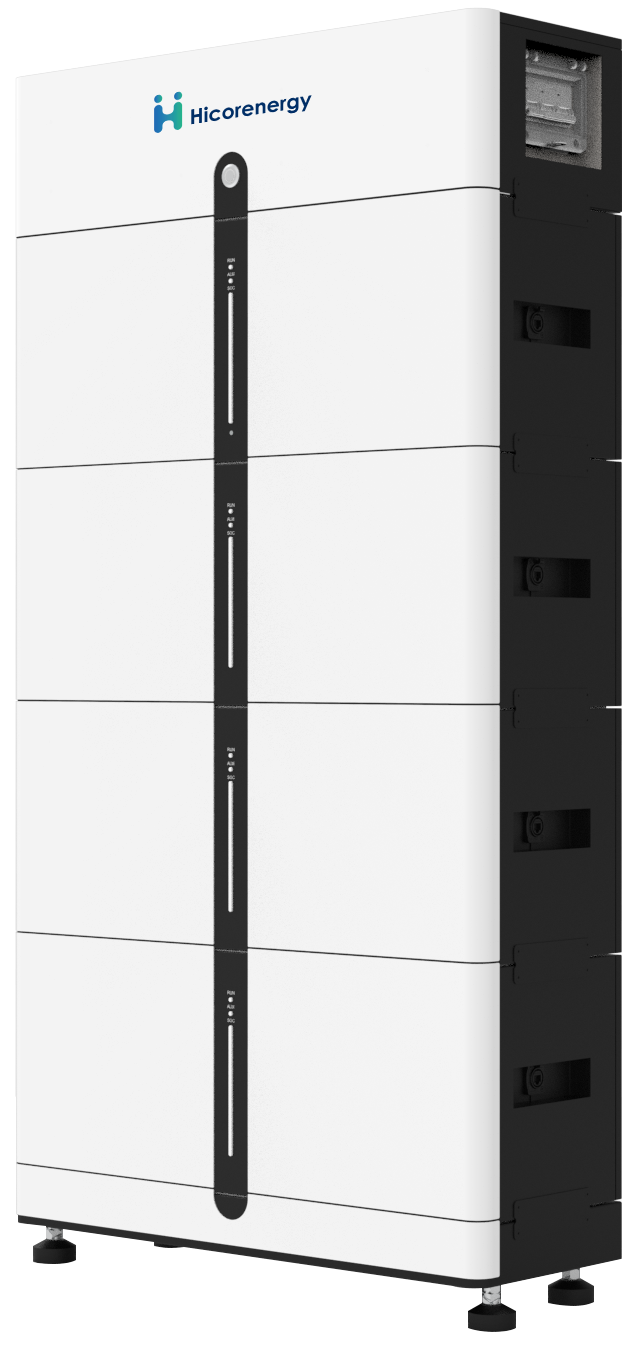
    Scalability and flexibility: Modular solutions, such as Hicorenergy’s Si LV1, allow for easy expansion as energy needs grow.
    Smart monitoring and remote management: Systems like C5° offer real-time data visualization, remote upgrades, and error detection for optimal performance.
    Compact design and easy installation: Systems with plug-and-play designs simplify installation, saving time and costs.
    Temperature resilience: Solutions with integrated heating systems, such as C5°, maintain consistent performance in diverse climates.

    By selecting a storage system with these features, homeowners can achieve greater energy independence, cost savings, and sustainability.

    Do You Think Home Energy Storage is Necessary?

    Absolutely! With rising energy costs, power outages, and the shift towards renewable energy, home energy storage is becoming increasingly essential.

    Energy security: Storage systems provide backup power during outages, ensuring homes stay powered.
    Lower electricity bills: By storing energy when rates are low and using it during peak hours, homeowners can reduce costs.
    Maximized renewable energy use: Home energy storage makes it possible to store excess solar energy and use it when the sun isn’t shining.
    Environmental benefits: By reducing reliance on fossil-fuel-generated power, residential storage systems contribute to lower carbon footprints.

    💡 With Hicorenergy’s C5° and Si LV1, homeowners can enjoy reliable, efficient, and future-proof energy storage—making it a smart and necessary investment.

  • The Brain of the Battery: Understanding the Role of a BMS

    The Brain of the Battery: Understanding the Role of a BMS

    What is a Battery Management System?

    A Battery Management System (BMS) is the control center for batteries, optimizing performance, ensuring safety, and prolonging lifespan. It monitors and regulates battery functions, balancing cells and protecting against overheating, overcharging, or deep discharges. A BMS is essential for maximizing the efficiency of battery energy storage systems in residential, commercial, and industrial energy applications.

    How Do Battery Management Systems Work?

    Battery Management Systems function as the operational “brain” of a battery pack. They continuously monitor key metrics such as voltage, current, and temperature to ensure each battery cell remains within safe parameters. The system regulates charging and discharging cycles to prevent overcharging or deep discharge, which can degrade battery life. If a risk, such as overheating, is detected, the BMS takes protective measures, including reducing power output or shutting down the system.

    Modern BMS solutions also incorporate features like remote monitoring and diagnostics, enabling users to oversee battery performance and identify issues in real time. These capabilities are vital for applications like solar energy storage, commercial energy solutions, and industrial operations.

    Explore the diverse capabilities of a BMS and its transformative impact on energy storage systems.

    Exploring Different Types of Battery Management Systems

    Battery management systems come in several configurations, each suited for specific applications.

    Centralized BMS:
    A centralized BMS features a single control unit connected to all battery cells. It collects data and manages operations from a central point. Centralized systems are cost-effective for smaller setups, such as residential energy storage. However, they can become less efficient as the battery system scales up, as wiring complexity increases and single-point failure risks rise.

    Modular BMS:
    Modular systems distribute control across smaller units, each responsible for managing a specific section of the battery pack. This setup enhances scalability and reliability. Modular BMS solutions are often used in commercial energy storage and industrial energy systems due to their ability to manage large-scale battery setups efficiently.

    Distributed BMS:
    Distributed systems take a decentralized approach, with each battery cell having its management unit. This configuration provides unparalleled precision and fault tolerance, making it ideal for high-performance applications such as grid power backup and renewable energy integration. The flexibility of distributed systems also supports energy innovation by enabling more complex configurations.

    Hicorenergy employs modular and distributed BMS solutions in its advanced battery energy storage systems, ensuring optimal performance for applications ranging from residential power backup to large-scale industrial operations.

    Why Battery Management Systems Matter

    A BMS is more than a tool for managing batteries; it is a critical component that enhances safety, performance, and sustainability in energy storage systems.

    Ensuring Safety:
    Battery safety is paramount, especially for lithium-ion systems. A BMS mitigates risks such as thermal runaway, over voltage, and short circuits. It ensures safe operation by continuously monitoring battery conditions and taking protective actions when needed.

    Maximizing Performance:
    By balancing charge levels across individual cells, the BMS enhances the efficiency and capacity of the battery pack. This optimization is crucial in applications like solar energy storage, where maximizing energy capture and utilization is key.

    Prolonging Lifespan:
    Over time, batteries degrade due to repeated charge and discharge cycles. A BMS mitigates this effect by carefully regulating these cycles, extending the overall lifespan of the battery pack.

    Supporting Energy Sustainability:
    As the demand for clean energy and renewable solutions grows, BMS technologies play a pivotal role in enabling sustainable energy practices. They ensure that battery energy storage systems operate efficiently, supporting the broader energy revolution.

    Key Advantages of Battery Management Systems

    The advantages of integrating a robust BMS into energy storage systems are both immediate and long-term.

    Efficiency Gains:
    BMS solutions optimize the performance of every battery cell, ensuring minimal energy waste. This efficiency translates to lower operating costs, particularly in large-scale installations like commercial and industrial energy systems.

    Remote Monitoring and Management:
    Advanced BMS systems, such as those developed by Hicorenergy, include real-time monitoring and diagnostics. Users can access performance data and receive notifications about potential issues through mobile apps or web platforms. This capability reduces downtime and minimizes maintenance costs.

    Versatility Across Applications:
    Whether in residential energy storage, solar energy systems, or grid power backup, a BMS adapts to the specific needs of each application. Its ability to scale from small systems to large configurations ensures its relevance across diverse use cases.

    Contribution to Energy Innovation:
    The role of a BMS extends beyond individual systems. By enabling safe and efficient energy storage, BMS technologies support the transition to renewable energy, contributing to the global effort for a sustainable future.

    Hicorenergy’s advanced battery systems, equipped with state-of-the-art BMS solutions, exemplify these advantages, making them a trusted choice for residential, commercial, and industrial users.

    Battery Management Systems: A Deep Dive with Hicorenergy

    Hicorenergy’s expertise in energy storage is underscored by its commitment to innovation in BMS technologies.

    Residential Applications:
    Hicorenergy’s BMS-integrated battery systems provide reliable power backup during grid outages, offering peace of mind for homeowners. These systems are designed to work seamlessly with solar energy solutions, ensuring efficient energy utilization and cost savings.

    Commercial and Industrial Energy Solutions:
    In commercial and industrial settings, the importance of scalability and reliability cannot be overstated. Hicorenergy’s modular and distributed BMS designs support high-capacity energy storage, peak shaving, and demand response initiatives. This adaptability helps businesses reduce operational costs while embracing sustainable energy practices.

    Driving Energy Innovation:
    By incorporating advanced features like real-time monitoring, remote upgrades, and fault detection, Hicorenergy’s BMS technologies empower users to harness the full potential of clean energy solutions. These innovations not only enhance system performance but also align with the broader goals of the energy revolution.

    Conclusion

    Battery Management Systems are essential for safe, efficient, and sustainable energy storage. Hicorenergy’s advanced BMS solutions deliver unmatched reliability and performance, empowering users to contribute to the energy revolution. By embracing these technologies, homeowners and businesses can optimize their energy use, reduce costs, and support a cleaner, greener future.

  • AI-Driven Energy Transition: How Can Energy Distributors Master Demand & Inventory Management?

    AI-Driven Energy Transition: How Can Energy Distributors Master Demand & Inventory Management?

    In the context of the global Energy Transition, Energy Distributors face mounting pressure to balance Renewable Energy integration, Grid Stability, and cost control. This article explores why traditional forecasting fails, how AI-driven demand and inventory management enables Smart Energy Management, and what practical steps Energy Distributors can take to adopt AI successfully while supporting a resilient Energy Transition.

    Energy Transition

    Why Energy Distributors Can’t Afford Outdated Forecasting Methods

    For decades, many Energy Distributors have relied on historical averages, static spreadsheets, or short-term human judgment to forecast demand. In a slow-moving energy system dominated by predictable fossil generation, these methods were once acceptable. However, the Energy Transition has fundamentally changed demand patterns. Renewable Energy sources such as solar and wind introduce variability, while electrification of transport, heating, and industry creates sudden demand spikes.

    Outdated forecasting methods struggle to capture weather-driven generation, distributed energy resources, and real-time consumption behaviors. As a result, Energy Distributors face higher imbalance costs, inefficient inventory allocation, and growing risks to Grid Stability. Poor forecasts also lead to overstocking or underutilization of energy storage assets, directly eroding margins. In today’s Energy Transition, inaccurate demand planning is no longer a minor inefficiency—it is a strategic threat to Smart Energy Management and long-term competitiveness.

    How AI Is Revolutionizing Demand Forecasts for Renewable & Traditional Energy

    AI introduces a data-driven layer that connects Renewable Energy variability with consumption behavior in near real time. By processing weather data, grid signals, historical demand, and market prices simultaneously, AI models generate adaptive forecasts instead of static predictions. For Energy Distributors, this represents a shift from reactive planning to proactive Smart Energy Management. AI-driven forecasting does not replace human expertise; rather, it augments decision-making, enabling faster responses that support Grid Stability and accelerate the Energy Transition.

    Key Steps to Implement AI-Powered Demand Forecasting in Your Operations

    Implementing AI-powered demand forecasting begins with data readiness. Energy Distributors must first integrate data from smart meters, renewable generation assets, weather services, and market platforms into a unified system. Clean, high-frequency data is essential for accurate AI outputs during the Energy Transition.

    The next step is model selection and validation. Machine learning models should be trained on both Renewable Energy and conventional load patterns to reflect hybrid energy systems. Continuous validation ensures forecasts remain reliable as consumption behaviors evolve.

    Finally, AI insights must be embedded into operational workflows. Forecast outputs should directly inform procurement, dispatch planning, and energy storage utilization. For example, pairing AI forecasts with modular battery systems such as Hicorenergy’s SI LV1 allows Energy Distributors to align storage capacity with predicted demand, enhancing Grid Stability while optimizing costs. Successful implementation turns AI from a technical tool into a core component of Smart Energy Management.

    Energy Transition

    Optimizing Inventory Management with AI: From Grid Stability to Cost Reduction

    Inventory management during the Energy Transition extends beyond fuel stockpiles to include batteries, inverters, and distributed storage assets. AI enables Energy Distributors to predict not only how much energy will be needed, but also where and when storage capacity should be deployed. This precision reduces idle assets and prevents shortages during peak demand.

    AI-driven inventory optimization supports Grid Stability by ensuring energy storage systems are charged, discharged, or redeployed based on real-time forecasts. For instance, residential and commercial battery solutions like Hicorenergy’s I-BOX 48100R can be strategically allocated to areas with high Renewable Energy penetration, reducing grid congestion and peak loads.

    From a financial perspective, smarter inventory decisions lower capital lock-up, reduce emergency procurement, and extend asset life cycles. In a competitive Energy Transition landscape, AI-enabled inventory management becomes a decisive advantage for Energy Distributors seeking both resilience and profitability.

    Real-World Case Studies: AI Success Stories in the Energy Distribution Sector

    Across global markets, Energy Distributors adopting AI have demonstrated measurable benefits. Utilities integrating AI forecasting with Renewable Energy portfolios report improved forecast accuracy, lower balancing costs, and enhanced Grid Stability. In regions with unstable grids, AI-supported storage deployment has reduced outage durations and improved customer satisfaction.

    In commercial and industrial segments, Energy Distributors using AI-driven demand planning have optimized peak shaving strategies, aligning storage discharge with high-tariff periods. These cases highlight a common theme: AI is most effective when combined with flexible, scalable energy storage systems that support Smart Energy Management throughout the Energy Transition.

    Getting Started: A Practical Roadmap for Energy Distributors to Adopt AI

    Adopting AI does not require a complete system overhaul. Energy Distributors can begin with pilot projects focused on high-impact areas such as Renewable Energy forecasting or storage optimization. Partnering with technology providers and energy storage manufacturers reduces implementation risks.

    The next phase involves scaling successful pilots across regions and asset classes, supported by staff training and change management. Transparency and explainability of AI outputs are crucial for regulatory compliance and internal trust. Over time, AI becomes an integral layer of decision-making, enabling Energy Distributors to navigate uncertainty and lead the Energy Transition with confidence.

    About Hicorenergy

    Hicorenergy provides reliable lithium battery energy storage solutions for residential, commercial, and industrial applications, supporting Smart Energy Management and Grid Stability throughout the Energy Transition. Its products are designed for safety, scalability, and long-term performance.

    Contact Information
    Email: service@hicorenergy.com
    WhatsApp: +86 181-0666-0961

    Energy Transition
  • Stackable Home Energy Storage: A Smart Solution for Affordable and Sustainable Power

    Stackable Home Energy Storage: A Smart Solution for Affordable and Sustainable Power

    What is Stackable Home Energy Storage?

    Stackable home energy storage refers to modular battery systems that allow homeowners to expand energy capacity by adding additional battery units. These systems provide flexible, cost-effective, and efficient power backup solutions, optimizing renewable energy use and reducing grid dependency.

    The Future of Sustainable, Cost-Effective Energy Solutions

    Stackable home energy storage is revolutionizing the way households store and manage power. Systems like the Hicorenergy Si LV1 offer scalable solutions, making it easier for homeowners to tailor their energy needs. By integrating seamlessly with solar energy systems, stackable battery energy storage systems ensure maximum efficiency, cost savings, and a sustainable energy future.

    Stackable Home Energy

    With stackable home energy storage, homeowners can take control of their energy needs while enjoying flexibility and long-term savings.

    Why Stackable Home Energy Storage is the Key to Reducing Energy Bills

    Energy costs continue to rise, making home energy storage a crucial solution for reducing expenses. Stackable battery energy storage systems enable homeowners to store excess solar energy generated during peak sunlight hours, allowing them to use stored power when electricity rates are highest. By minimizing reliance on grid power, homeowners can cut energy bills significantly while maximizing clean energy usage.

    Stackable Home Energy

    Stackable energy storage solutions also support demand response programs, where users can optimize power consumption based on electricity pricing fluctuations. With features like energy innovation and smart monitoring, these systems enable households to track and control their consumption patterns. Whether used as a power backup solution or a primary energy source, stackable battery storage ensures a sustainable, cost-effective approach to electricity management.

    How Stackable Energy Storage Systems Maximize Space and Efficiency in Your Home

    Traditional battery storage solutions can take up significant space, making them impractical for some homeowners. Stackable home energy storage systems, however, are designed with modularity and compact efficiency in mind. These vertically stackable units minimize space usage while maximizing energy capacity, making them ideal for homes with limited installation space.

    Many advanced stackable energy storage solutions, like Hicorenergy’s Si LV1, are engineered for quick installation and plug-and-play functionality. Homeowners can easily add or remove modules to meet their changing energy needs, ensuring both cost-efficiency and energy flexibility. Whether for off-grid living, grid power optimization, or as a long-term energy independence strategy, stackable energy storage solutions offer practical and adaptable benefits.

    Stackable Home Energy

    Sustainable Living: The Environmental Benefits of Stackable Home Energy Storage

    Sustainability is at the forefront of modern energy solutions, and stackable home energy storage plays a key role in reducing carbon footprints. These systems store excess renewable energy from solar panels, reducing reliance on fossil fuel-based electricity and promoting clean energy consumption.

    By decreasing grid power dependency, homeowners actively contribute to the energy revolution, promoting industrial energy efficiency and commercial solutions that support global sustainability goals. Stackable storage systems also extend battery life through optimized charging and discharging cycles, reducing electronic waste and contributing to a greener future. As nations push for greater adoption of renewable energy, stackable energy storage solutions will play a pivotal role in achieving widespread sustainable energy usage.

    Is Stackable Home Energy Storage Right for Your Household?

    Investing in stackable home energy storage requires careful consideration of several factors, including energy consumption patterns, available space, and budget. Homeowners should evaluate their daily energy needs and determine how much battery storage capacity they require.

    Those with solar energy systems benefit the most from stackable energy storage, as they can store and use surplus renewable energy when needed. Additionally, households located in areas prone to power outages can greatly benefit from reliable power backup solutions. When selecting a stackable storage system, homeowners should consider the compatibility of the system with their existing electrical setup, as well as the efficiency, warranty, and expandability options provided by leading manufacturers like Hicorenergy.

    From Installation to Savings: A Step-by-Step Guide to Stackable Home Energy Storage

    • Assess Energy Needs – Evaluate household electricity consumption and determine how much energy storage capacity is needed.
    • Choose the Right System – Research stackable energy storage solutions like the Hicorenergy Si LV1 to find a system that aligns with specific requirements.
    • Install the System – Professional installation ensures proper integration with existing power systems and solar panels.
    • Monitor and Optimize Usage – Use smart energy management tools to track energy consumption and maximize efficiency.
    • Enjoy Long-Term Savings – With reduced reliance on grid power, homeowners benefit from lower electricity bills and greater energy independence.
    Stackable Home Energy

    Comparing Stackable Energy Storage Solutions: Which System Works Best for You?

    Several stackable home energy storage solutions are available, each offering unique benefits. When comparing systems, homeowners should consider factors like battery capacity, efficiency, compatibility with solar energy, and expandability.

    For instance, the Hicorenergy Si LV1 offers high-performance energy storage with modular expansion capabilities, making it ideal for residential and commercial solutions. Other systems may offer features such as remote monitoring, advanced safety mechanisms, and customizable configurations. By assessing key specifications, homeowners can select the most suitable battery energy storage system for their needs.

    The Future of Energy Independence: How Stackable Storage is Changing the Game

    As technology advances, stackable home energy storage is playing an increasingly vital role in global energy independence. With grid power becoming less reliable and renewable energy adoption growing, stackable storage solutions provide a scalable and future-proof way to store and manage energy efficiently.

    Ongoing innovations in battery technology, energy innovation, and artificial intelligence-driven power management are enhancing the efficiency and accessibility of stackable storage systems. With continued advancements, homeowners and businesses alike can look forward to greater energy autonomy, lower costs, and a cleaner energy future.

    How Many Hours Can a Battery Power a House?

    The duration a battery can power a home depends on its capacity (kWh) and the household’s energy consumption. Here’s a general breakdown:

    Small to Medium Battery (5-10 kWh): Powers essential appliances (lights, fridge, Wi-Fi) for 5-10 hours during an outage.
    Medium to Large Battery (10-20 kWh): Supports moderate energy usage, including some larger appliances, for 10-24 hours.
    High-Capacity System (20-30+ kWh): Provides whole-home backup for 24 hours or more, depending on energy efficiency and usage patterns.

    For example, Hicorenergy’s Si LV1 system, with a stackable capacity of up to 30.72 kWh, can power an average household for a full day or longer, making it an ideal solution for energy independence and backup power.

    Can I Add Battery Storage to My Solar System?

    Yes, adding battery storage to an existing solar system is both possible and highly beneficial.

    Increased energy independence: Store excess solar energy during the day and use it at night or during outages.
    Reduced reliance on the grid: Maximize self-consumption of solar power, lowering electricity bills.
    Flexible compatibility: Many modern battery systems, such as Hicorenergy’s C5° and Si LV1, are designed to integrate seamlessly with existing solar inverters, making the upgrade process simple and efficient.
    Smart energy management: Advanced systems offer remote monitoring, enabling homeowners to optimize energy usage effectively.

    💡 Tip: When adding battery storage, consider compatibility with your solar inverter and the battery’s capacity to match your household’s energy needs.

    Stackable Home Energy

    What Are the Best Home Battery Solar Storage Options?

    When selecting a home battery solar storage system, key factors to consider include capacity, efficiency, lifespan, and scalability. Here are some top-performing options:

    Hicorenergy Si LV1:

    • Capacity: Scalable from 10.24 kWh to 30.72 kWh.
    • Efficiency: ≥6000 cycles at 90% DOD with over 95% round-trip efficiency.
    • Installation: Plug-and-play design for quick and easy setup.
    • Versatility: Compact, modular, and stackable for residential needs.

    Hicorenergy C5°:

    • Remote monitoring and upgrading for optimal energy management.
    • Wide operating temperature range, ensuring consistent performance.
    • High charge/discharge rates, maximizing energy efficiency.

    Tesla Powerwall 2:

    • Capacity: 13.5 kWh with 90% round-trip efficiency.
    • AC-coupled system, making it easy to retrofit to existing solar setups.
    • Smart management app for real-time monitoring.

    LG Chem RESU:

    • Capacity: 9.8 kWh with 95% round-trip efficiency.
    • Compact and sleek design for small spaces.
    • Compatible with leading inverters.

    In summary, stackable home energy storage is a cost-effective, space-saving, and sustainable solution for homeowners seeking energy independence and reduced electricity costs.

    Contact us:
    Email: service@hicorenergy.com

    WhatsApp: +86 181-0666-0961

    Stackable Home Energy
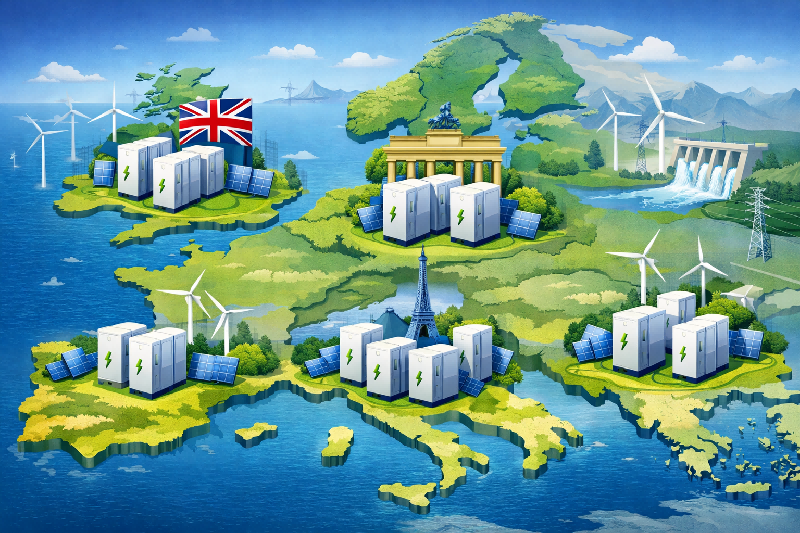
  • Top 5 Energy Storage Markets in Europe by 2025

    Top 5 Energy Storage Markets in Europe by 2025

    energy storage market

    What is the installed energy storage capacity in Europe in 2024?

    As of 2024, Europe’s installed energy storage capacity has reached approximately 35.9 GWh, reflecting a significant increase driven by renewable energy adoption and grid modernization initiatives.

    5 European Markets with the Highest Potential for Energy Storage

    The energy storage sector in Europe is expanding rapidly, with several key markets showing immense potential for growth. Governments and businesses are investing heavily in battery energy storage systems to stabilize the grid, support clean energy integration, and ensure energy security. Here are the five European markets with the highest potential for energy storage development:

    Germany: Germany has long been a leader in renewable energy and energy storage. It continues to dominate the European market, with residential energy storage systems playing a major role. In 2023 alone, Germany added approximately 6.1 GWh of new energy storage capacity, with over 80% of this growth attributed to home energy storage installations. The nation is also expanding its commercial and industrial (C&I) energy storage sector, aiming to enhance grid flexibility and sustainability. Germany’s focus on grid power stability, power backup solutions, and industrial energy storage makes it a primary market for investment.

    Italy: Italy is emerging as a top market for energy storage, driven by its ambitious renewable energy goals. The country aims to integrate more solar energy and wind power into its grid, which necessitates advanced energy storage solutions. Terna, Italy’s grid operator, estimates that the country will require at least 71 GWh of energy storage capacity by 2030 to meet its clean energy objectives. With growing demand for sustainable energy and commercial solutions, Italy presents a lucrative opportunity for energy storage investments.

    United Kingdom: The UK has one of the most mature energy storage markets in Europe, with significant investments in utility-scale battery storage projects. In 2023, the UK added approximately 800 MWh of new energy storage capacity, with projections indicating that total investments in the sector could reach £15.7 billion by 2030. The government’s support for clean energy and its commitment to reducing power outages through energy innovation make the UK a key player in the European energy revolution.

    Spain: Spain is rapidly increasing its energy storage capacity to complement its extensive solar and wind energy resources. The Spanish government has launched a €160 million grant program aimed at supporting the development of approximately 600 MW of new energy storage capacity by 2026. With a strong focus on renewable energy and a commitment to reducing grid instability, Spain is becoming a core market for battery energy storage system deployment.

    Ireland: Ireland has been making strides in energy storage since 2018, with several grid-scale projects in development. The country has approximately 1.5 GW of energy storage projects in the pipeline, which could provide sufficient power backup for around 750,000 homes. Companies such as Adaptogen Capital are investing heavily in Ireland’s energy storage sector, further solidifying its position as a key market in Europe’s clean energy transition.

    With several high-growth markets in Europe, the future of energy storage looks promising. However, challenges remain that must be addressed.

    Challenges and Risks in Europe’s Storage Markets

    Despite the rapid growth of energy storage in Europe, there are several challenges and risks that stakeholders must consider:

    • Financial instability of key industry players: Some battery manufacturers and storage companies have faced financial difficulties, leading to delays in project implementation. For example, the financial struggles of Northvolt have raised concerns about Europe’s ability to establish its own independent battery supply chain.
    • Supply chain dependencies: Europe still relies heavily on imported batteries and raw materials, particularly from China. This dependence creates supply chain vulnerabilities, affecting pricing and availability.
    • Regulatory and policy uncertainties: Different countries in Europe have varying regulations and incentives for energy storage, making it challenging for companies to operate across multiple markets. Policy changes can also impact investment decisions.
    • Technological advancements and competition: As battery technology evolves, companies must continuously innovate to remain competitive. New advancements in lithium-ion and alternative battery chemistries could disrupt existing business models.
    • Grid integration issues: While energy storage helps stabilize the grid, integrating large-scale storage projects into existing infrastructure requires significant investment and technical expertise.

    Addressing these challenges will be crucial for unlocking the full potential of Europe’s energy storage markets.

    How to Enter These Markets Successfully

    energy storage market

    For companies looking to enter Europe’s energy storage sector, the following strategies can enhance market success:

    1. Understand the regulatory landscape: Each country in Europe has its own energy policies, incentives, and grid regulations. Companies should conduct thorough research to navigate these complexities effectively.
    2. Form strategic partnerships: Collaborating with local businesses, utilities, and technology providers can facilitate smoother market entry and operational success.
    3. Invest in research and development: Developing battery storage solutions tailored to local market needs, such as high-performance systems for cold climates or compact designs for urban areas, can provide a competitive edge.
    4. Localize supply chains: Establishing regional manufacturing or assembly facilities can reduce dependency on imported components and improve market resilience.
    5. Focus on scalability and innovation: Energy storage demand will continue to grow, and companies that offer scalable, cost-effective, and technologically advanced solutions will have a stronger market position.

    By implementing these strategies, energy storage companies can capitalize on Europe’s rapidly expanding market opportunities.

    The Future of Energy Storage in Europe

    The future of energy storage in Europe is poised for substantial growth, driven by increasing renewable energy adoption and technological advancements. Key trends shaping the industry include:

    • Expanding battery capacity: Europe’s battery storage capacity is projected to grow five-fold by 2030, reaching over 50 gigawatts. This expansion will require an estimated €80 billion in investment.
    • Falling battery costs: Technological advancements and economies of scale are reducing the cost of energy storage systems, making them more accessible for residential, commercial, and industrial applications.
    • Integration with smart grids: Energy storage will play a crucial role in stabilizing the grid and supporting the transition to decentralized energy systems. Smart grid technologies will enhance efficiency and reliability.
    • Policy support and investment: Governments across Europe are increasingly recognizing the importance of energy storage and are implementing policies to encourage its development. Public and private investments will continue to drive growth in the sector.
    • Advancements in battery technology: The development of next-generation batteries, such as solid-state and flow batteries, will improve performance and longevity, further enhancing the feasibility of large-scale storage projects.

    With strong market drivers and continued innovation, Europe’s energy storage industry is set to become a global leader in clean energy and sustainable power solutions.

    What Are the Main Drivers for the Energy Storage Market?

    The key drivers of Europe’s energy storage market include:

    Renewable Energy Integration: The increasing share of renewable energy sources (solar, wind) creates demand for energy storage to balance supply and demand.

    Grid Modernization and Stability: Storage systems are crucial for grid balancing, frequency regulation, and providing backup power during blackouts.

    Declining Battery Costs: Technological advancements and mass production are driving down the cost of lithium-ion batteries, making storage more affordable.

    Government Policies and Incentives: European governments are supporting energy storage through subsidies, tax incentives, and renewable energy targets, boosting market growth.

    Electric Vehicle (EV) Adoption: The growth of EVs creates new opportunities for vehicle-to-grid (V2G) storage, where EV batteries can feed power back into the grid during peak demand.

    Technological Advancements: Innovations in solid-state batteries and flow batteries are improving energy density, safety, and longevity, making storage systems more efficient and reliable.

    By leveraging these drivers, energy storage companies can capture significant market opportunities in Europe.

    How Big Can the Battery Grid Storage Market Get?

    The battery grid storage market in Europe is projected to experience substantial growth in the coming years. By 2030, Europe’s battery storage capacity is expected to reach over 50 gigawatts (GW), which is more than five times the current installed capacity of approximately 35.9 GWh in 2024. This growth will be driven by rising renewable energy integration, grid modernization, and decarbonization policies. The market will require an estimated €80 billion in investments by the end of the decade.

    Key drivers include:

    Falling costs: Advances in lithium-ion technology and economies of scale are driving down costs, making battery storage more viable.

    What Are Some Successful Energy Storage Projects?

    Rising renewable energy adoption: The expansion of wind and solar power necessitates reliable storage solutions to manage intermittency.

    Grid stability needs: Battery storage helps maintain grid reliability, especially during peak demand and renewable energy fluctuations.

    Several European countries have implemented successful large-scale energy storage projects, including:

    • Germany – Lausitz Battery Park: One of Europe’s largest grid-scale storage facilities with a capacity of 50 MW / 50 MWh, helping stabilize the grid during renewable fluctuations.
    • UK – Minety Battery Storage Project: This 100 MW / 100 MWh lithium-ion battery project enhances grid stability and supports renewable integration.
    • Spain – Campo de Gibraltar Battery System: A 20 MW storage project supporting renewable energy deployment and reducing grid congestion.
    • Ireland – Lumcloon Energy Battery Project: A 100 MW battery project providing frequency regulation services and grid stabilization.

    These projects demonstrate how large-scale battery storage enhances grid reliability and facilitates renewable energy adoption.

    In summary, Europe’s energy storage market is expanding rapidly, with key opportunities in Germany, Italy, the UK, Spain, and Ireland. Despite challenges, the future outlook remains highly optimistic.

    energy storage market
  • Is Home Energy Storage Right for You?

    Is Home Energy Storage Right for You?

    Home battery storage systems allow homeowners to store electricity from solar panels or the grid for later use. These systems enhance energy independence, reduce reliance on utilities, and provide backup power during outages. They can also lower electricity costs by optimizing energy use based on peak and off-peak rates. With technological advancements, home energy storage solutions are becoming more efficient, affordable, and widely adopted.

    Home Energy Storage

    Is a Home Energy Storage System Right for You?

    Home energy storage systems are ideal for homeowners seeking energy independence, lower electricity costs, and reliable backup power. If living in areas with unstable power grids or high electricity rates, investing in a storage solution can be beneficial. Additionally, those with solar panels can store excess energy for nighttime or emergency use. Factors such as budget, energy needs, and government incentives should be considered before installation.

    Energy storage is also an excellent option for those wanting to reduce their carbon footprint. By using stored solar energy instead of relying on fossil fuel-based grid electricity, homeowners can contribute to a cleaner and more sustainable environment. This is particularly relevant in regions where renewable energy integration is still in progress and grid stability remains a challenge. With rising energy costs and increasing concerns about energy security, having a home battery system provides a practical way to take control of household power consumption and costs.

    Additionally, many modern home energy storage systems come with smart management features, allowing homeowners to monitor and control their energy usage through mobile apps. These intelligent systems help optimize energy consumption, ensuring that stored power is used efficiently and effectively. For individuals who value convenience and control, investing in a home energy storage system with remote monitoring capabilities can be highly beneficial.

    Why Should You Keep Reading?

    Discover the benefits of home battery storage, whether you need a battery with solar panels, cost-saving potential, best product options, and price considerations. Understanding these key factors can help determine if an energy storage solution aligns with your long-term energy goals. Making an informed decision about home energy storage requires understanding not only the potential savings but also the long-term benefits of energy independence and sustainability.

    Do You Need a Battery if You Have Solar Panels?

    Solar panels generate electricity during daylight hours, but without a battery, excess energy is sent back to the grid. A home battery allows homeowners to store that surplus for nighttime use or cloudy days. This reduces reliance on the grid and enhances energy security.

    Additionally, some regions have reduced incentives for selling excess energy back to utilities, making self-consumption a more attractive option. A battery can also provide backup power during outages, ensuring continuous electricity supply. For those in remote areas, a storage system makes off-grid living more feasible. Without a battery storage system, solar energy production is limited to real-time consumption, potentially leading to wasted energy.

    Moreover, certain utility companies impose demand charges based on peak energy usage. Having a battery allows users to manage their consumption more effectively, minimizing sudden spikes that could result in higher fees. This can be particularly beneficial for homeowners who experience fluctuating energy demands throughout the day.

    Another key consideration is energy independence. Many homeowners want to reduce their reliance on traditional utilities and ensure they have power during natural disasters, extreme weather events, or grid failures. With an energy storage system, homeowners gain peace of mind knowing they have a reliable energy source, even when external conditions are unpredictable.

    How Much Can Home Energy Storage Cut Utility Bills?

    Home energy storage helps homeowners lower electricity costs by using stored energy during peak pricing hours. Many utility companies charge higher rates during demand surges, while nighttime rates are lower. A battery system enables users to store electricity when rates are low and use it when prices increase.

    With net metering reductions in some regions, homeowners might benefit more from using their stored energy than selling it back to the grid. Depending on energy consumption and battery capacity, savings on utility bills can be substantial over time.

    In addition to direct savings, energy storage provides cost predictability. Unlike fluctuating utility rates, stored energy usage allows homeowners to have greater control over their electricity expenses. This is particularly beneficial for households with high energy consumption or those who want to future-proof against rising energy costs. Energy storage can also help in areas where electricity rates are expected to increase over time, making an investment in home battery storage a long-term financial strategy.

    Which Option Is Best for Your Home?

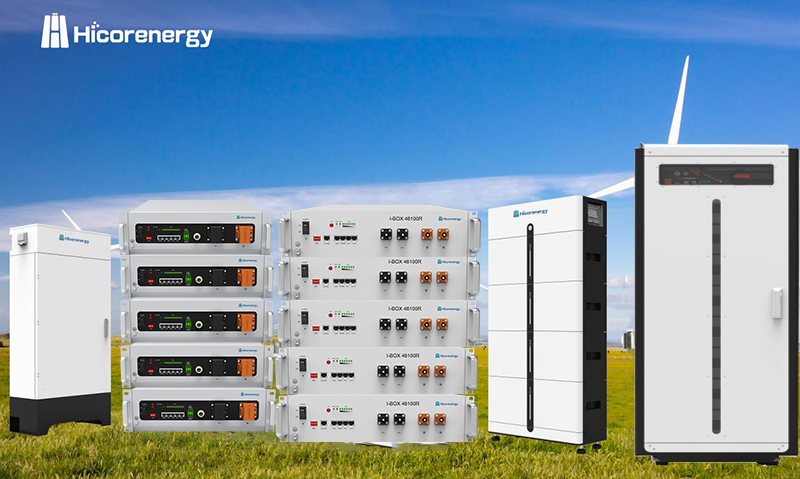
    Hicorenergy offers advanced home energy storage solutions, including the I-BOX 48100R, C5°, and Si LV1 models. These systems provide safety, efficiency, and seamless integration with solar panels and major inverter brands.

    Home Energy Storage

    I-BOX 48100R: Compact and flexible, supporting various installation options, with a 10-year warranty and over 6,000 life cycles. This system is ideal for homeowners looking for a durable and scalable energy storage solution.

    C5°: Offers remote monitoring, high charge/discharge rates, and a wide temperature range for reliable performance. With smart technology, users can optimize energy storage and consumption based on their specific needs.

    Si LV1: Plug-and-play design with a modular structure, enabling easy expansion and fast installation within 15 minutes. This system is perfect for those who need quick and efficient energy solutions with minimal installation hassle.

    Each of these options provides cost-effective, scalable energy storage for homeowners looking to enhance their energy efficiency. Depending on the household’s electricity demands and available space for installation, selecting the right model can maximize energy savings and ensure a smooth transition to energy independence.

    How Much Does a Home Energy Storage System Cost?

    The cost of a home battery storage system varies based on capacity, technology, and installation requirements. On average, systems range from $5,000 to $15,000 before incentives. Factors influencing price include battery chemistry, warranty, and brand reliability.

    Government rebates and incentives can reduce upfront costs, making home energy storage more accessible. Additionally, long-term savings from reduced utility bills and increased energy independence can justify the investment. Some financing options and leasing programs are also available, helping homeowners install energy storage solutions with manageable upfront expenses.

    Besides the initial cost, homeowners should also consider maintenance expenses. Hicorenergy’s lithium battery solutions are designed for long-term use with minimal upkeep. Their advanced battery management systems ensure optimized performance, extending the lifespan of the storage unit and reducing the likelihood of unexpected repair costs. Investing in a high-quality battery system can result in significant energy savings over time while providing greater resilience against grid instability and blackouts.

    Summary of Hicorenergy Products

    Hicorenergy provides safe, reliable, and efficient home energy storage solutions. With advanced lithium battery technology, scalable designs, and high compatibility with solar systems, these products help homeowners reduce energy costs and gain independence from the grid. By investing in a high-quality storage system, users can enjoy uninterrupted power, increased self-sufficiency, and long-term financial benefits. Whether looking for an energy backup, increased solar efficiency, or overall cost savings, Hicorenergy has solutions tailored to meet different household energy needs.

    Contact Information
    Email: service@hicorenergy.com
    WhatsApp: +86 181-0666-0961

    Home Energy Storage
  • Home Battery Storage: Your Path to True Energy Independence

    Home Battery Storage: Your Path to True Energy Independence

    As energy costs rise and the global focus shifts toward renewable energy solutions, homeowners are looking for ways to reduce reliance on the traditional power grid. One of the most effective ways to achieve this is by adopting home battery storage systems. These systems store energy for later use, ensuring power availability even when the grid is down or when solar panels are not producing electricity. But how does home battery storage contribute to true energy independence? Let’s explore.

    Home Battery Storage

    What is Energy Independence, and How Can Home Battery Storage Help?

    Energy independence means having control over your electricity supply, reducing reliance on the grid, and ensuring consistent power availability. Home battery storage systems help achieve this by storing excess energy from solar panels or the grid for use when needed, providing security during power outages and reducing electricity costs.

    How Home Battery Storage Works: A Beginner’s Guide

    A home battery storage system is designed to store electricity from solar panels or the grid for use when needed. When solar panels generate excess energy, the surplus is stored in the battery instead of being sent back to the grid. This stored energy can be used at night, during cloudy days, or when electricity demand is high.

    Hicorenergy offers cutting-edge lithium battery solutions that seamlessly integrate with solar energy systems. Their home batteries provide long cycle life, high efficiency, and reliable backup power, making them an ideal choice for homeowners looking to optimize their energy use.

    With a growing number of homeowners seeking greater control over their energy consumption, home battery storage is emerging as a key solution. But what exactly is a home energy storage system, and why is it a game-changer? Let’s dive deeper.

    What is a Home Energy Storage System?

    A home energy storage system is a device that stores electricity for later use. It typically consists of:

    • A rechargeable battery (commonly lithium-ion) that stores electricity.
    • A battery management system (BMS) that ensures safety and optimizes performance.
    • An inverter that converts stored energy into usable electricity.

    These systems can be connected to:

    1. Solar panels – Storing excess solar energy for later use.
    2. The power grid – Charging the battery when electricity rates are low and using stored energy during peak pricing hours.

    Types of Home Energy Storage Systems

    • Grid-Tied Systems – Work with the grid, allowing homeowners to store energy and use it when needed.
    • Off-Grid Systems – Provide complete energy independence, relying solely on stored energy.
    • Hybrid Systems – Combine solar power, battery storage, and grid electricity for maximum flexibility.

    The Benefits of Home Battery Storage Systems

    1. Reduced Electricity Bills

    With home energy storage, homeowners can store cheap electricity when rates are low and use it when rates are high. In regions with time-of-use pricing, this can significantly reduce monthly electricity costs.

    2. Backup Power During Outages

    Power outages due to extreme weather, grid failures, or maintenance can leave homes without electricity. A home battery storage system ensures that essential appliances like refrigerators, lighting, and medical devices continue running even during blackouts.

    3. Maximized Solar Energy Usage

    Solar panels generate electricity only when the sun is shining. Without battery storage, excess energy is sent to the grid, often with minimal financial benefit. A home energy storage system allows homeowners to store and use their solar power whenever needed, maximizing self-consumption.

    4. Energy Independence

    By relying more on stored energy, homeowners reduce dependence on the traditional power grid. This not only protects against rising electricity prices but also ensures stable, uninterrupted power.

    5. Environmental Benefits

    Home battery storage systems reduce reliance on fossil fuels by enabling greater use of clean, renewable energy. This leads to a lower carbon footprint and contributes to a more sustainable future.

    6. Grid Stabilization and Demand Response

    In areas with peak demand charges, battery storage helps stabilize the grid by reducing strain during high-consumption periods. Some homeowners can even participate in demand response programs, earning incentives by supplying stored energy to the grid when demand is high.

    Real-Life Stories: How Home Battery Storage is Helping Families Achieve Energy Independence

    Hicorenergy: The Future of Home Energy Storage

    Hicorenergy provides high-quality residential energy storage solutions designed for modern energy needs. Their innovative lithium battery systems ensure efficient, reliable, and long-lasting performance. Here’s how homeowners are benefiting:

    Case Study 1: Lowering Energy Bills in the U.S.

    A homeowner in California installed Hicorenergy’s I-BOX 48100R home battery storage system alongside their solar panels. By storing excess solar energy and using it during peak hours, they reduced their electricity bill by over 50% in one year.

    Case Study 2: Energy Security in Nigeria

    Frequent power outages in Nigeria made it difficult for a family to maintain a stable electricity supply. With Hicorenergy’s Si LV1 battery storage system, they now enjoy uninterrupted power, eliminating the need for an expensive generator.

    Case Study 3: Achieving Complete Energy Independence in Australia

    A homeowner in Sydney installed a combination of solar panels and Hicorenergy’s C5° battery system. The result? They are now completely off-grid, saving thousands on electricity bills while maintaining a reliable power source.

    Exploring the Best Battery for Home Energy Storage

    When considering the best battery for home energy storage, lithium-ion technology stands out as the most reliable and efficient solution. Compared to traditional lead-acid options, lithium-ion batteries provide longer lifespans, higher energy density, and reduced maintenance requirements. Homeowners seeking the best battery for home energy storage often value not just performance, but also cost-effectiveness and safety. With advanced battery management systems, today’s home energy storage solutions ensure optimal use of stored electricity, helping households reduce grid dependence, cut energy bills, and enjoy peace of mind during power outages.

    Advantages of Lithium-Ion in Home Energy Storage

    Lithium-ion systems are currently the most preferred choice for residential applications because of their scalability, compact design, and long cycle life. These systems can achieve thousands of charge-discharge cycles while maintaining high efficiency, making them ideal for daily use with solar panels. Beyond durability, they also feature flexible installation options, from wall-mounted to floor-standing designs, supporting both small apartments and large homes. This versatility ensures that the best battery for home energy storage meets different household needs without compromising performance.

    Hicorenergy: Your Trusted Partner for Home Energy Storage Solutions

    Home Battery Storage

    Hicorenergy is a leading lithium battery solution provider, offering cutting-edge energy storage systems that help homeowners achieve energy independence. Their products include:

    1. I-BOX 48100R

    • High-capacity solar battery storage system.
    • Compatible with all major inverters for seamless integration.
    • 6000+ cycles, 95% efficiency, and 10-year warranty.

    2. C5° Battery Storage System

    • Remote monitoring and real-time optimization.
    • Scalable capacity for future energy needs.
    • Efficient energy storage for reducing electricity bills.

    3. Si LV1 Plug-and-Play Storage System

    • Easy installation with quick-connect features.
    • Compact, modular design for limited installation space.
    • Long-lasting performance with over 6000 cycles.

    Hicorenergy is committed to delivering safe, high-performance, and scalable home battery solutions that empower homeowners to take control of their energy future.

    Conclusion

    Hicorenergy provides advanced home energy storage solutions that enable homeowners to reduce electricity bills, maximize solar energy, and achieve true energy independence. With state-of-the-art lithium battery technology, their products ensure reliable, efficient, and sustainable power storage, making them the ideal choice for modern homes. Whether you seek backup power, lower energy costs, or complete grid independence, Hicorenergy offers the perfect solution for your energy needs.

    Contact Hicorenergy today:

    Email: service@hicorenergy.com

    WhatsApp: +86 181-0666-0961

    Home Battery Storage

  • Industrial Energy Storage Systems — Detailed Insights

    Industrial Energy Storage Systems — Detailed Insights

    Introduction to Industrial Energy Storage Systems

    Industrial energy storage systems play a pivotal role in helping businesses optimize electricity usage, lower operational costs, and improve power reliability. These systems store excess energy for later use—particularly during peak demand periods—while supporting renewable energy integration and providing dependable backup power. By applying advanced storage technologies, industrial users can greatly reduce energy expenses, stabilize power supply, and minimize their carbon footprint.

    As a global supplier of lithium battery technologies, Hicorenergy develops industrial energy storage systems designed to deliver long-lasting performance, strong environmental adaptability, and cost-effective operation for commercial and industrial users worldwide.

     industrial energy storage systems

    Key Considerations for Industrial Energy Storage Systems

    When evaluating industrial energy storage systems, businesses should pay attention to several core factors that directly affect long-term performance and return on investment:

    Energy Efficiency

    High round-trip efficiency reduces energy losses and enhances cost savings over the system’s lifecycle.

    Scalability

    Industrial operations grow over time. Systems must support flexible expansion to maintain long-term operational value.

    Safety and Reliability

    Lithium battery safety, advanced thermal management, and intelligent battery management systems (BMS) ensure stable and secure operation.

    Compatibility

    Industrial energy storage systems must integrate seamlessly with existing electrical infrastructure, including solar PV, wind power, and grid-tied equipment.

    Cost-effectiveness

    Although initial investments can be substantial, the long-term reductions in energy bills, maintenance costs, and downtime justify the investment.

    Why Industrial Energy Storage Systems Matter

    Industrial energy storage systems are essential for achieving energy independence and operational resilience. These systems help organizations reduce electricity costs, stabilize production environments, and improve sustainability performance. They also reduce vulnerability to unstable power grids and fluctuating energy markets—ensuring smoother operations even during outages.

    Benefits of Implementing Industrial Energy Storage Systems

    Cost Savings

    Peak shaving and demand charge reduction can significantly decrease electricity bills.

    Grid Stability

    Storage smooths fluctuations between supply and demand, improving grid reliability.

    Renewable Integration

    Industrial energy storage systems maximize the utilization of solar and wind power by storing excess energy for later consumption.

    Energy Independence

    Businesses can operate continuously without relying entirely on inconsistent grid power.

    Sustainability

    Enhanced energy efficiency and optimized renewable usage decrease carbon emissions.

    Operational Continuity

    Stable, reliable power supply reduces unexpected downtime in industrial processes.

    Types of Industrial Energy Storage Systems by Hicorenergy

    Hicorenergy offers a range of industrial energy storage systems engineered for reliability, scalability, and high performance in demanding environments.

     industrial energy storage systems

    Si Station 186

    An air-cooled battery cabinet with a full configuration of 186 kWh, suitable for transmission grids, distribution networks, and renewable energy facilities. Its modular design ensures flexible deployment.

     industrial energy storage systems

    Si Station 230

    A liquid-cooled industrial energy storage system with 230 kWh capacity. It offers superior thermal control and efficiency for large-scale applications demanding high stability.

     industrial energy storage systems

    SHV48100

    A distributed high-voltage industrial energy storage system designed for factories, commercial buildings, and EV charging stations. It supports multi-system expansion, delivers strong cycle life, and ensures reliable performance across industrial environments.

     industrial energy storage systems

    Key Components of Industrial Energy Storage Systems

    Hicorenergy integrates industry-leading components to ensure stable, long-term operation:

    Lithium-Ion Battery Modules

    High-quality LFP (LiFePO4) cells provide long cycle life, excellent thermal stability, and superior safety.

    Battery Management System (BMS)

    Monitors state of charge (SOC), temperature, and health while implementing active protection against electrical and thermal risks.

    Inverters

    Convert DC to AC with high efficiency and ensure compatibility with industrial loads and grid import/export requirements.

    Cooling Systems

    Both air cooling and liquid cooling are used to maintain optimal operating temperatures, extending battery lifespan.

    Monitoring and Control Systems

    Real-time monitoring, remote control, and intelligent fault diagnostics support efficient operation and simplified maintenance.

    Factors to Consider When Selecting Industrial Energy Storage Systems

    System Capacity

    Energy capacity must match current consumption patterns and future expansion plans.

    Technology Compatibility

    The industrial energy storage system should integrate smoothly with existing power systems and renewable installations.

    Installation Requirements

    Space, ventilation, cooling, and environmental conditions must be assessed to ensure safe installation.

    Maintenance & Lifecycle Costs

    Evaluating the full lifecycle cost—including maintenance and battery replacement—ensures long-term value.

    After-Sales Support

    Strong technical support reduces downtime and maximizes operational reliability, especially in regions with unstable power supply.

    Installation and Maintenance of Industrial Energy Storage Systems

    Proper installation and maintenance are crucial to achieving optimal performance:

    Site Preparation

    Adequate space planning and compliance with electrical and fire safety standards.

    System Integration

    Ensuring precise connections with grid systems or renewable power equipment.

    Routine Maintenance

    Regular inspections, firmware updates, and system diagnostics prevent unexpected issues.

    Emergency Response Plans

    Clear protocols minimize production interruptions during technical faults.

     industrial energy storage systems

    Challenges and Limitations of Industrial Energy Storage Systems

    High Initial Investment

    Although initial costs are high, long-term operational savings offset the expense.

    Regulatory Compliance

    Policies and regulations vary by region, requiring careful planning.

    Battery Degradation

    All batteries experience natural aging; periodic replacement is necessary.

    Rapid Technological Change

    Businesses must stay current with new advancements in energy storage technologies.

    Integration Complexity

    Complex industrial environments may require customized system design.

    Future Trends in Industrial Energy Storage Systems

    Emerging trends are reshaping the development of industrial energy storage systems:

    Advanced Battery Technologies

    Solid-state, improved LFP, and flow batteries will further enhance safety and efficiency.

    AI-Based Smart Monitoring

    Predictive analytics and automated energy optimization reduce costs and improve performance.

    Grid Modernization & Decentralization

    Industrial energy storage systems will play a larger role in stabilizing local grids.

    Sustainability Initiatives

    Carbon-neutral goals are accelerating the adoption of renewable-integrated storage.

    Energy Trading Opportunities

    Businesses may profit from selling stored energy back to the grid.

    Conclusion

    Hicorenergy delivers high-quality industrial energy storage systems engineered for efficiency, scalability, and operational reliability. Solutions such as Si Station 186, Si Station 230, and SHV48100 support businesses seeking energy independence, cost savings, and stronger operational resilience. With advanced technology and global service capabilities, Hicorenergy enables industrial users to meet growing energy demands and achieve long-term sustainability in a rapidly evolving energy landscape.

    Contact Hicorenergy today:

    Email: service@hicorenergy.com

    WhatsApp: +86 181-0666-0961

     industrial energy storage systems
  • Reliable Power: Hicorenergy Residential Energy Storage Systems

    Reliable Power: Hicorenergy Residential Energy Storage Systems

    Residential Energy Storage Systems are designed to store electricity generated from renewable sources or grid power, ensuring stable and reliable energy availability during outages and periods of high consumption. These systems play an increasingly important role in enabling sustainable energy independence while reducing reliance on traditional grid infrastructure.

    Residential Energy Storage Systems

    The Importance of Residential Energy Storage Systems

    As global demand for sustainability grows, Residential Energy Storage Systems have become essential for addressing modern household energy challenges. They help resolve issues such as frequent power outages, rising electricity bills, and dependence on non-renewable energy. By storing solar or off-peak grid energy for use during peak periods, households can reduce energy expenses, enhance efficiency, and contribute to a cleaner environment.

    Industry sources also highlight additional advantages, such as improved home resilience, reduced strain on local grids, and the ability to support smart-home energy management—strengthening the long-term value of Residential Energy Storage Systems.

    Hicorenergy incorporates these strengths into its solutions to redefine energy independence for residential users.

    Understanding Residential Energy Storage Systems

    Residential Energy Storage Systems function by collecting and storing electricity for later use. This stored energy stabilizes home power supply, supports peak-shaving strategies, and enhances the efficiency of renewable energy systems such as rooftop solar.

    Central to Hicorenergy’s product lineup is the I-Box 48100R , engineered with Tier-1 automotive-grade prismatic LiFePO4 cells and dual-MCU BMS protection. Delivering over 6,000 cycles at 90% DOD with more than 95% round-trip efficiency, it provides long-lasting, safe, and reliable operation. The system is widely compatible with major inverter brands, enabling easy integration for both new installations and retrofit projects.

    These Residential Energy Storage Systems support the transition toward sustainable, resilient, and cost-efficient home energy usage.

    How Residential Energy Storage Systems Work

    The operation of Residential Energy Storage Systems relies on storing surplus energy—either from solar generation or from the grid during low-cost periods—and using it when energy demand peaks. This process ensures uninterrupted household power during outages and offers significant cost advantages.

    Hicorenergy’s advanced solutions, including the  I-Box 48100R  and C5°, feature remote monitoring, data visualization, and real-time upgrades. The C5° system integrates a high-efficiency heating module and low power consumption design to maintain optimal battery performance, even in extreme temperatures. These features align with industry-recognized benefits such as improved home energy autonomy and optimized smart-home integration.

    By efficiently bridging energy generation and consumption, Residential Energy Storage Systems maximize the value of renewable resources and reinforce home energy resilience.

    Residential Energy Storage Systems

    Common Forms of Residential Energy Storage Systems

    The market for Residential Energy Storage Systems includes several key technologies:

    Lithium-Ion Batteries
    The leading choice for modern homes due to high energy density, safety, and long cycle life. Hicorenergy’s I-Box 48100R utilizes prismatic LiFePO4 cells, achieving over 6,000 cycles and 95% efficiency. These compact systems serve both backup and off-grid applications.

    Lead-Acid Batteries
    A cost-effective but less durable option, offering lower energy density and shorter lifespan. While still used in specific cases, they are rapidly being replaced by lithium-based systems.

    Flow Batteries
    An emerging technology known for scalability and long service life, although currently limited by higher costs and lower market penetration.

    Hicorenergy also offers modular solutions like Si LV1, which expands from 10.24 kWh to 30.72 kWh per stack—allowing households to increase storage as energy needs grow.

    Benefits of Residential Energy Storage Systems

    Adopting Residential Energy Storage Systems delivers a broad set of advantages:

    Uninterrupted Power Supply
    These systems provide dependable energy during outages—especially beneficial in regions with unstable grids.

    Cost Efficiency
    Peak-shaving and time-of-use optimization help households significantly reduce monthly electricity costs.

    Environmental Benefits
    By maximizing renewable energy usage, homeowners reduce carbon emissions and contribute to global sustainability goals.

    Scalability and Flexibility
    Hicorenergy’s SHV48100  supports expansions up to 40.96 kWh, addressing varying household storage requirements.

    Advanced Monitoring and Control
    Features like remote diagnostics, automatic alerts, and system updates reduce maintenance needs and ensure consistent performance.

    Industry research also notes that Residential Energy Storage Systems reduce grid stress, enhance energy security, and increase property value—benefits aligned with Hicorenergy’s design philosophy.

    Why Choose Hicorenergy?

    Hicorenergy distinguishes itself through its focus on safety, efficiency, and global service capabilities. With over 20 years of expertise, the company utilizes high-grade materials, robust BMS technology, and internationally certified manufacturing standards.

    Flagship models—including the Si LV1, C5°, and I-Box 48100R—offer a balance of scalability, advanced monitoring, and proven reliability. Hicorenergy’s global presence, including facilities in China, North America, Europe, and Vietnam, ensures fast delivery and localized support.

    Residential Energy Storage Systems

    Why Choose Hicorenergy?

    Hicorenergy distinguishes itself through its focus on safety, efficiency, and global service capabilities. With over 20 years of expertise, the company utilizes high-grade materials, robust BMS technology, and internationally certified manufacturing standards.

    Flagship models—including the Si LV1, C5°, and I-Box 48100R—offer a balance of scalability, advanced monitoring, and proven reliability. Hicorenergy’s global presence, including facilities in China, North America, Europe, and Vietnam, ensures fast delivery and localized support.

    Contact Hicorenergy today:

    Email: service@hicorenergy.com

    WhatsApp: +86 181-0666-0961

    Residential Energy Storage Systems
  • Top 8 Battery Energy Storage System Suppliers in 2025

    Top 8 Battery Energy Storage System Suppliers in 2025

    Top Battery Energy Storage System Suppliers in China

    China leads the battery energy storage industry with companies like CATL, BYD, and Hicorenergy delivering cutting-edge solutions worldwide.

    Hicorenergy: Leading Renewable Energy Innovations

    Hicorenergy delivers high-quality energy storage solutions tailored to diverse needs. From residential to commercial applications, its innovative systems are revolutionizing energy storage globally.

    Explore the top battery energy storage system manufacturers shaping the energy landscape in 2025 and beyond.

    Battery Energy Storage System

    Top 8 Battery Energy Storage System Suppliers in 2025

    CATL

    CATL stands out as the world’s largest lithium-ion battery manufacturer and a pioneer in the energy storage industry. Based in Ningde, China, the company specializes in high-capacity batteries for electric vehicles (EVs), residential energy storage systems, and large-scale grid applications.

    Battery Energy Storage System

    Key Achievements:

    1. Market leader in energy storage battery production, contributing over 30% of global capacity.
    2. Significant advancements in sodium-ion battery technology, promising lower costs and improved energy density.
    3. Strategic partnerships with global automakers and renewable energy developers, expanding its market reach across North America, Europe, and Asia.

    Major Businesses:

    1. Development of grid-scale energy storage solutions to enhance power grid stability.
    2. Investments in recycling initiatives to promote sustainability and reduce raw material dependency.
    3. Production of batteries for EVs, with a focus on longer lifespans and improved safety features.

    Tesla

    Tesla’s contribution to the energy storage industry is unparalleled. Its Powerwall (residential) and Powerpack (commercial) products integrate seamlessly with solar energy systems, enabling efficient energy management and independence from the grid.

    Battery Energy Storage System

    Key Achievements:

    1. Industry-leading battery efficiency and scalability for residential and grid applications.
    2. Active deployment of large-scale storage systems, such as the Hornsdale Power Reserve in Australia.
    3. Pioneering efforts in V2G (vehicle-to-grid) technologies, enhancing energy flexibility.

    BYD

    As one of the most versatile energy companies, BYD is a leader in lithium iron phosphate (LFP) batteries, favored for their safety and durability. BYD’s energy storage systems cater to residential, commercial, and industrial applications.

    Battery Energy Storage System

    Major Businesses:

    1. Production of safe, long-lasting LFP batteries for energy storage and EVs.
    2. Grid-scale solutions designed to stabilize energy supply and improve renewable energy integration.
    3. A focus on expanding global reach through strategic partnerships.

    LG Energy Solution

    LG Energy Solution is known for its high-performance batteries and energy storage systems for residential, industrial, and utility-scale applications. The company places a strong emphasis on safety and product reliability.

    Battery Energy Storage System

    Key Achievements:

    1. Advanced battery management systems (BMS) for optimal performance and extended life.
    2. Active development of solid-state battery technology to improve energy density and safety.

    Samsung SDI

    Samsung SDI is a major player in energy storage, focusing on high-capacity batteries with excellent energy density and longevity. Its solutions cater to both consumer and industrial markets.

    Battery Energy Storage System

    Key Highlights:

    1. Development of scalable battery modules for large-scale energy storage projects.
    2. Consistent focus on improving cycle life and environmental sustainability.

    Hicorenergy
    Combining quality, scalability, and sustainability, Hicorenergy’s energy storage systems are compatible with major inverters, ensuring adaptability across markets. Its innovative technologies include real-time monitoring and modular designs.

    Battery Energy Storage System

    Enphase Energy

    Enphase specializes in residential energy storage, offering systems that integrate seamlessly with solar panels. Its products emphasize energy independence and user-friendly interfaces.

    Battery Energy Storage System

    Sonnen

    Sonnen provides intelligent residential battery energy storage solutions that support grid independence and sustainability. Its focus on innovation and community energy solutions sets it apart in the global market.

    Battery Energy Storage System

    Battery Energy Storage Market Size in 2025

    The battery energy storage market is set to exceed $35 billion by 2025. This growth is driven by renewable energy expansion, technological advancements, and cost reductions in lithium-ion batteries. Battery energy storage systems help stabilize grids, optimize energy use, and ensure reliable power during peak demand, making them essential for modern energy strategies.

    Growth in Africa and Key Market Drivers

    Africa is emerging as a significant market for battery energy storage solutions. With rapid urbanization and increasing renewable energy projects, the demand for energy storage systems has surged. Key drivers include:

    • Unstable electricity supply: Frequent outages and limited grid access make battery energy storage systems indispensable for residential and commercial sectors.
    • Renewable energy projects: Solar and wind installations in countries like Kenya and Morocco are increasing the need for efficient storage solutions.
    • Affordability: The declining cost of lithium-ion batteries has made advanced energy storage accessible to more regions.

    Despite logistical challenges and regulatory barriers, Africa’s potential is enormous, supported by partnerships with global battery energy storage companies.

    Global Market Expansion and Emerging Opportunities

    The global battery energy storage market is expanding rapidly, with Asia-Pacific leading in production and deployment. North America and Europe are investing heavily in grid-scale storage systems to support renewable energy integration.

    Emerging opportunities include:

    • Electric vehicles (EVs): Battery storage systems are integral to EV charging infrastructure and vehicle-to-grid (V2G) technology.
    • Off-grid and microgrid solutions: These systems provide reliable energy for remote areas and islands dependent on renewable energy.
    • Hybrid energy systems: Combining solar, wind, and storage systems for enhanced energy efficiency and cost savings.

    Battery energy storage suppliers are innovating with next-generation technologies like solid-state batteries and improving digital tools for monitoring and maintenance.

    Impact of Policies and Investments

    Supportive government policies and investments are shaping the battery energy storage industry. Key examples include:

    • U.S. initiatives: Tax credits and grants under the Inflation Reduction Act promote both residential and commercial storage solutions.
    • European Green Deal: Aims to achieve carbon neutrality with substantial investments in energy storage.
    • China’s policies: Focus on renewable energy storage as part of its five-year plans, backed by government incentives and subsidies.

    Private sector investments are equally critical, with companies prioritizing sustainability and innovation to meet growing energy demands.

    The Future of Battery Energy Storage

    The future of battery energy storage is transformative, with advancements in technology and applications:

    • Innovations in battery technology: Solid-state and sodium-ion batteries promise better performance, cost-efficiency, and safety.
    • Circular economy initiatives: Recycling and repurposing battery components enhance sustainability.
    • Integration with smart grids: Real-time data and AI-driven solutions improve energy efficiency and management.

    Battery energy storage systems will continue to be a cornerstone of global energy strategies, supporting the transition to a sustainable and resilient energy future.

    Battery Energy Storage System

    Conclusion

    The battery energy storage market is evolving rapidly, driven by innovation and growing demand for efficient energy solutions globally.

    Contact Us Today:
    Email: service@hicorenergy.com
    WhatsApp: +86 181-0666-0961

  • Energy Storage System Basics: What Are Energy Storage Cabinets and How Do They Work?

    Energy Storage System Basics: What Are Energy Storage Cabinets and How Do They Work?

    What Does an Energy Storage Cabinet Consist Of?

    An Energy Storage Cabinet is a compact and integrated solution designed to store and manage electrical energy safely and efficiently. A typical Energy Storage Cabinet consists of:

    • High-performance battery cells (commonly LiFePO₄ or NMC)
    • Battery Management System (BMS) for safety and performance optimization
    • Control systems & protection units
    • A robust, fire-resistant cabinet enclosure
    • Cooling systems (air-cooled or liquid-cooled depending on the model)

    These components work together to ensure stable charging, discharging, overheat protection, and long-term reliability. A well-designed Energy Storage Cabinet not only improves power stability but also significantly enhances the lifespan and safety of the entire energy storage system.

    Energy Storage Cabinet

    Common Faults Found in Energy Storage Cabinets

    While modern Energy Storage Cabinets are highly reliable, they may still encounter a few potential issues:

    1. Overheating

    Caused by insufficient ventilation, poor cooling design, or high ambient temperatures. Overheating directly impacts battery performance and accelerates aging.

    2. Inefficient Charging or Discharging

    Often linked to BMS malfunctions or incompatible charging systems. This leads to reduced usable capacity and decreased system efficiency.

    3. Capacity Degradation

    All batteries degrade over time. Low-quality cells or poor thermal management will accelerate this process, reducing the cabinet’s storage capability.

    Regular maintenance, a high-quality BMS, and advanced cooling technology are essential to ensuring long-term reliability. As Energy Storage Cabinet demand increases globally, understanding these faults helps both homeowners and businesses choose better systems.

    How Many Categories of Energy Storage Cabinets Are There?

    Energy Storage Cabinets can be categorized by application, capacity, and cooling method.

    1. Application-Based Categories

    Residential Energy Storage Cabinets

    Designed for homes needing backup power and renewable energy storage.
    Example: Hicorenergy’s I-BOX 48100R

    • 6000 cycles
    • 95% round-trip efficiency
    • Supports wall-mounted, floor-standing, and server-rack installations
    • Ideal for home solar systems and backup needs

    Commercial & Industrial (C&I) Energy Storage Cabinets

    Engineered for high-demand environments such as factories, renewable energy plants, and microgrids.
    Examples: Si Station 186 / Si Station 230

    • Modular and scalable
    • Air or liquid cooling
    • 186kWh–230kWh capacity
    • Ideal for peak shaving, renewable integration, and grid support

    2. Capacity-Based Categories

    • Low Capacity (5–20 kWh) – small homes or single devices
    • Medium Capacity (20–100 kWh) – large homes or small commercial setups
    • High Capacity (100 kWh and above) – industrial-scale operations

    3. Cooling System Categories

    • Air-Cooled Energy Storage Cabinets – suitable for moderate climates (e.g., Si Station 186)
    • Liquid-Cooled Energy Storage Cabinets – superior thermal control for high-temperature or heavy-duty environments (e.g., Si Station 230)

    Hicorenergy offers Energy Storage Cabinet solutions across all categories, meeting the needs of both homeowners and industrial users.

    Battery Types Used in Energy Storage Cabinets

    1. Lithium Iron Phosphate (LiFePO₄)

    The most widely used battery type in Energy Storage Cabinets today.
    Benefits:

    • High safety
    • Long cycle life (>6000 cycles)
    • Excellent thermal stability
      Hicorenergy’s I-BOX 48100R uses Tier 1 automotive-grade LiFePO₄ cells, ensuring high reliability.

    2. Nickel Manganese Cobalt (NMC)

    Higher energy density but less thermally stable. Used mainly where weight and size are crucial.

    3. Lead-Acid

    Cost-effective but outdated; low cycle life and less efficient.

    4. Solid-State Batteries (Future Trend)

    Next-generation batteries with higher safety and density, expected to transform Energy Storage Cabinets in the coming decade.

    Energy Storage Cabinet

    Quality Standards for Energy Storage Cabinets

    To ensure safety and reliability, Energy Storage Cabinets must comply with international standards:

    Global Safety Standards

    • IEC 62619 – lithium battery safety
    • UL 9540 / UL 9540A – Energy Storage System safety testing
    • CE Certification – European safety compliance

    Performance Standards

    • Round-trip efficiency ≥95% (e.g., Hicorenergy I-BOX 48100R)
    • Cycle life ≥6000 cycles (e.g., SHV48100)

    Environmental Standards

    • RoHS – free from harmful substances
    • REACH – safe chemical management

    These certifications validate the safety and reliability of every Energy Storage Cabinet before it reaches the market.

    Future Development of Energy Storage Cabinets

    The future of Energy Storage Cabinets is shaped by:

    1. Next-Generation Battery Technologies

    • Solid-state battery integration
    • Higher energy density & safer chemistries

    2. AI-Driven Energy Management

    • Predictive maintenance
    • Smart load optimization
    • Increased efficiency and longer battery life

    3. Growing Renewable Adoption

    Solar and wind installations will accelerate demand for residential and commercial Energy Storage Cabinet deployments.

    4. Supportive Government Policies

    Subsidies and carbon reduction policies will further expand the global energy storage market.

    Types of Energy Storage in Modern Systems

    Energy storage generally falls into three categories:

    • Mechanical storage (pumped hydro, flywheels)
    • Chemical storage (lithium-ion batteries housed inside Energy Storage Cabinets)
    • Thermal storage

    Among these, the Energy Storage Cabinet plays a central role in modern chemical storage systems, ensuring safe integration of lithium battery modules in homes, buildings, and industries.

    Energy Storage Cabinet

    Practical Applications of Energy Storage Cabinets

    Energy Storage Cabinets are now widely used in:

    Industrial Facilities

    • Peak shaving
    • Backup power
    • Renewable energy integration
      (e.g., Hicorenergy’s Si Station series)

    Commercial Buildings

    • Demand management
    • Reducing electricity bills
    • Power continuity
      (e.g., SHV48100)

    Residential Homes

    • Solar energy storage
    • Backup during outages
    • Lower energy bills
      (e.g., I-BOX 48100R)

    These real-world examples prove how Energy Storage Cabinets are now essential to modern energy infrastructure.

    Conclusion

    Hicorenergy delivers a full range of advanced Energy Storage Cabinet solutions built for safety, efficiency, and long-term reliability. Whether for homes, commercial facilities, or industrial operations, Hicorenergy’s technology ensures stable power, reduced energy costs, and sustainable growth.

    Choosing the right Energy Storage Cabinet is key to achieving energy independence and future-proofing your energy system.

    Contact Hicorenergy today:

    Email: service@hicorenergy.com

    WhatsApp: +86 181-0666-0961

    Energy Storage Cabinet
en_USEnglish