Author: Hicorenergy

  • What Are the 6 Unbeatable Advantages of Modular Energy Storage Systems?

    What Are the 6 Unbeatable Advantages of Modular Energy Storage Systems?

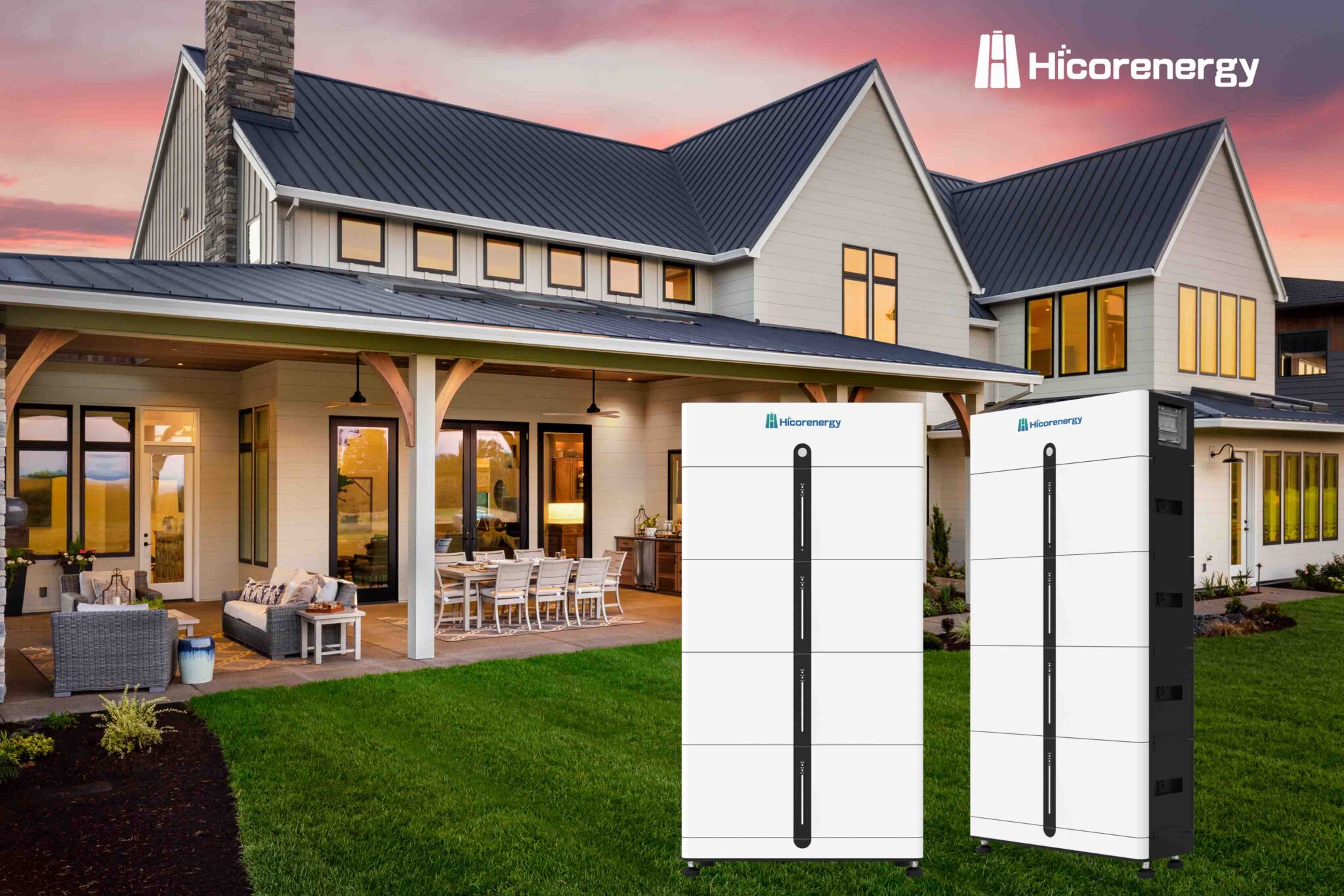
    Modular energy storage systems deliver unmatched scalability, resilience, and cost-effectiveness. These flexible, future-proof solutions empower homes and businesses to expand capacity, integrate renewable energy, and ensure reliable backup power — all while reducing total cost of ownership and maximizing solar ROI for long-term energy independence.
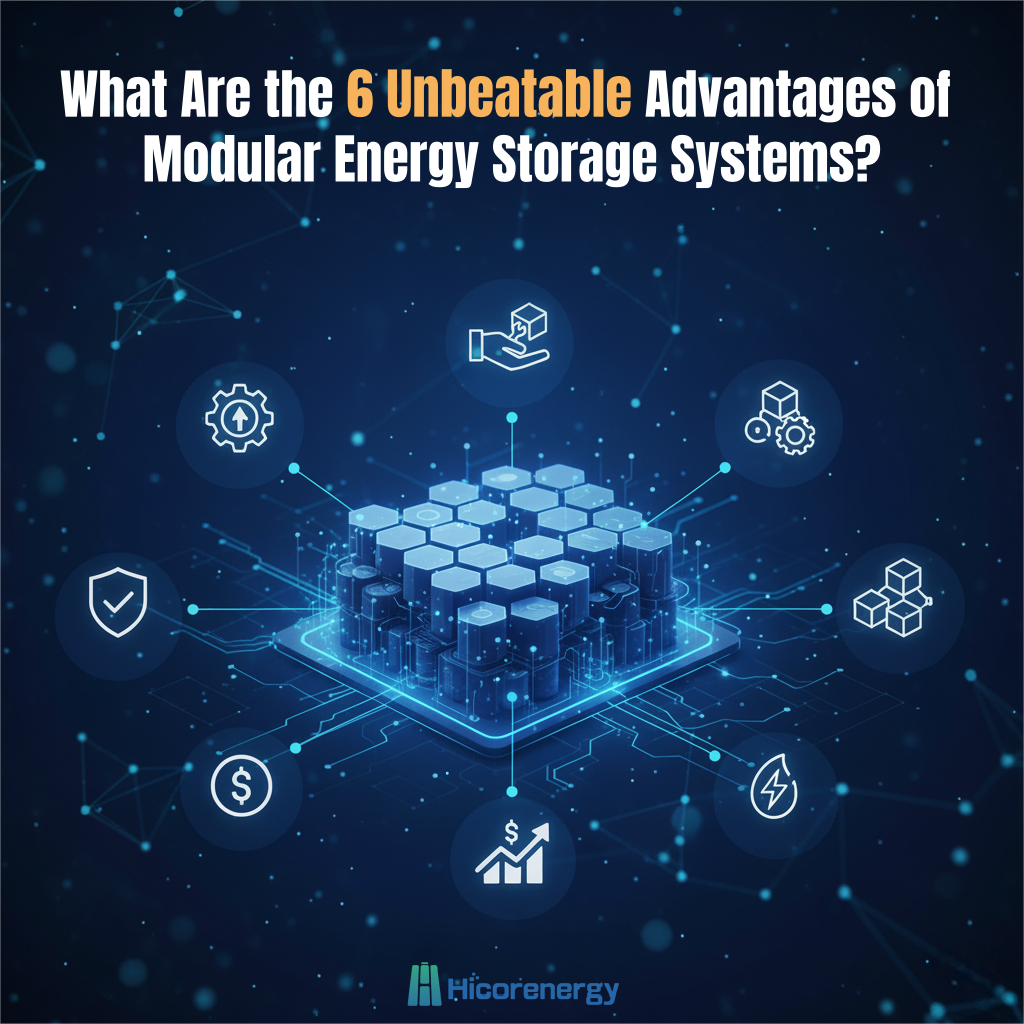
    Modular Energy Storage Systems

    Unmatched Scalability: Grow Your Energy Capacity as Needs Change

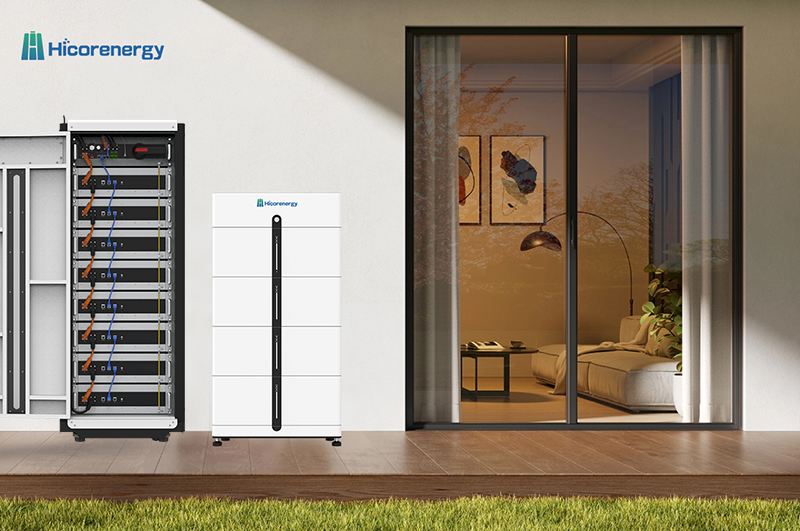
    One of the most defining strengths of modular energy storage systems lies in their scalability. Unlike fixed-capacity battery systems that require complete replacement to meet higher energy demands, modular designs allow for modular battery expansion — stacking additional units as needed. This “building block” approach ensures that both residential and commercial users can start small and grow their systems over time.

    In practical terms, this means your stacked energy storage solution can evolve seamlessly alongside your business or household needs. Whether expanding a solar-powered home or scaling up a factory’s energy resilience, new modules can be integrated without disrupting existing operations.

    This dynamic energy storage scalability makes modular systems ideal for evolving energy landscapes. As electricity costs fluctuate and renewable adoption accelerates, having a system that grows with your energy goals ensures lasting adaptability and long-term value.

    Enhanced Resilience and Reliable Backup Power During Outages

    A key advantage of modular energy storage is enhanced resilience — the ability to keep critical systems running even during grid failures. Each module operates independently, ensuring consistent backup power storage even if one component encounters a fault.

    For homeowners, this means home energy resilience and uninterrupted power during blackouts. For businesses, it ensures continuous operations and protection from costly downtime.

    At Hicorenergy, we design reliable battery systems engineered for stability and redundancy. Our modular architecture ensures that even during outages, your essential systems stay powered — providing peace of mind and energy security you can rely on.

    Superior Cost-Effectiveness: Reduce Upfront Investment and Total Cost of Ownership

    Traditional battery systems often demand large upfront investments for fixed capacities that may exceed immediate needs. Modular energy storage, on the other hand, offers cost-effective energy storage through its pay-as-you-grow model.

    Users can begin with smaller installations and expand capacity only when necessary, avoiding unnecessary spending. This approach minimizes initial costs while maximizing return over time. The result? A significantly lower total cost of ownership.

    Additionally, maintenance costs remain low due to modular independence — if one unit requires service, others continue operating, eliminating downtime. For both homeowners and enterprises, this delivers long-term affordability and superior financial flexibility.

    Hicorenergy’s modular products are optimized for scalability and cost efficiency, allowing clients to build energy systems that balance performance and economic value seamlessly.
    Modular Energy Storage Systems

    Future-Proof Design: Easy Upgrades with Advancing Battery Technology

    Energy technology evolves rapidly, but modular energy storage systems are designed to stay ahead of the curve. Their future-proof energy storage architecture allows for battery technology upgrades without replacing the entire system.

    As new chemistries or control technologies emerge, users can simply swap or add updated modules to enhance performance and safety. This flexibility ensures your investment remains current — extending system lifespan and avoiding expensive overhauls.

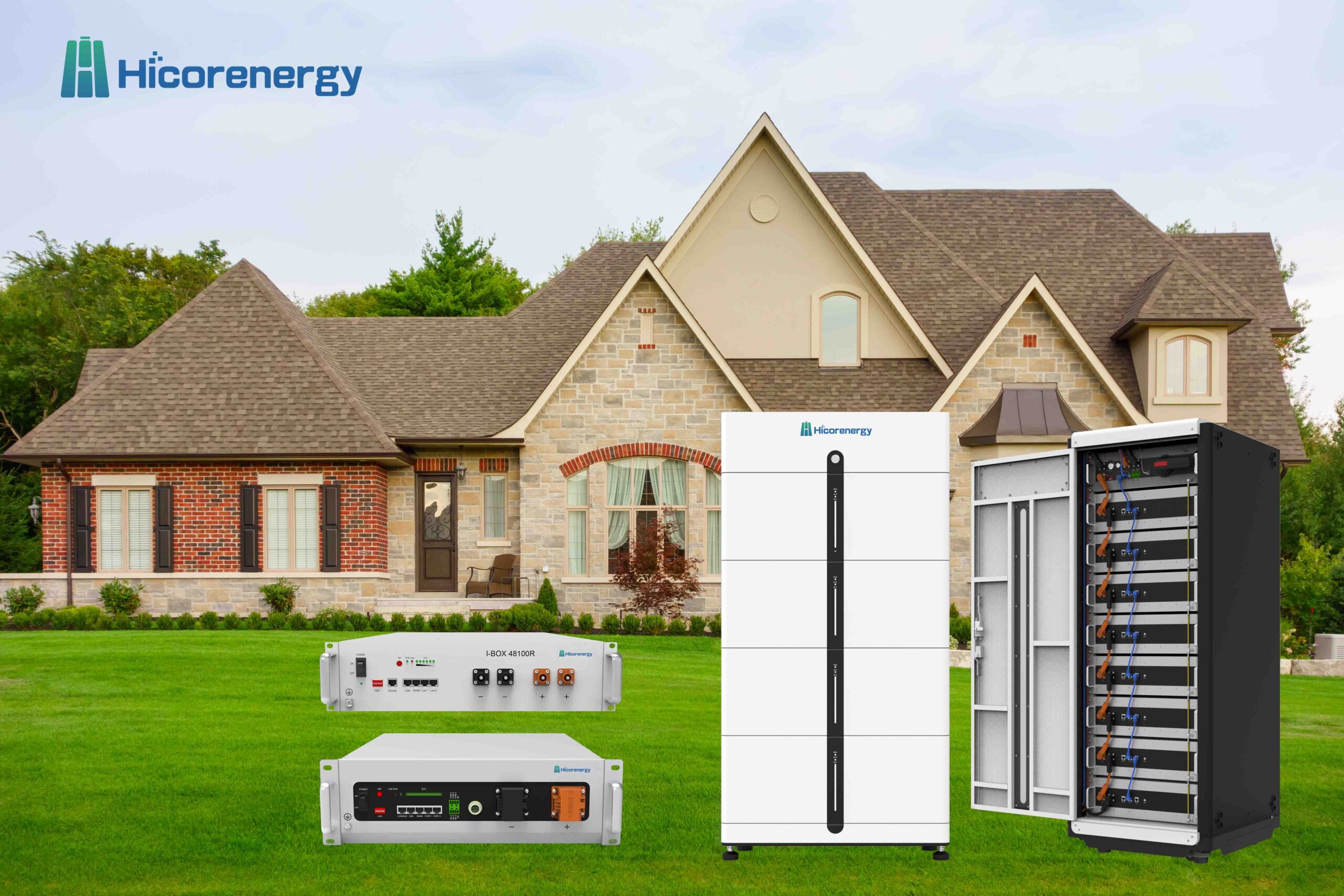
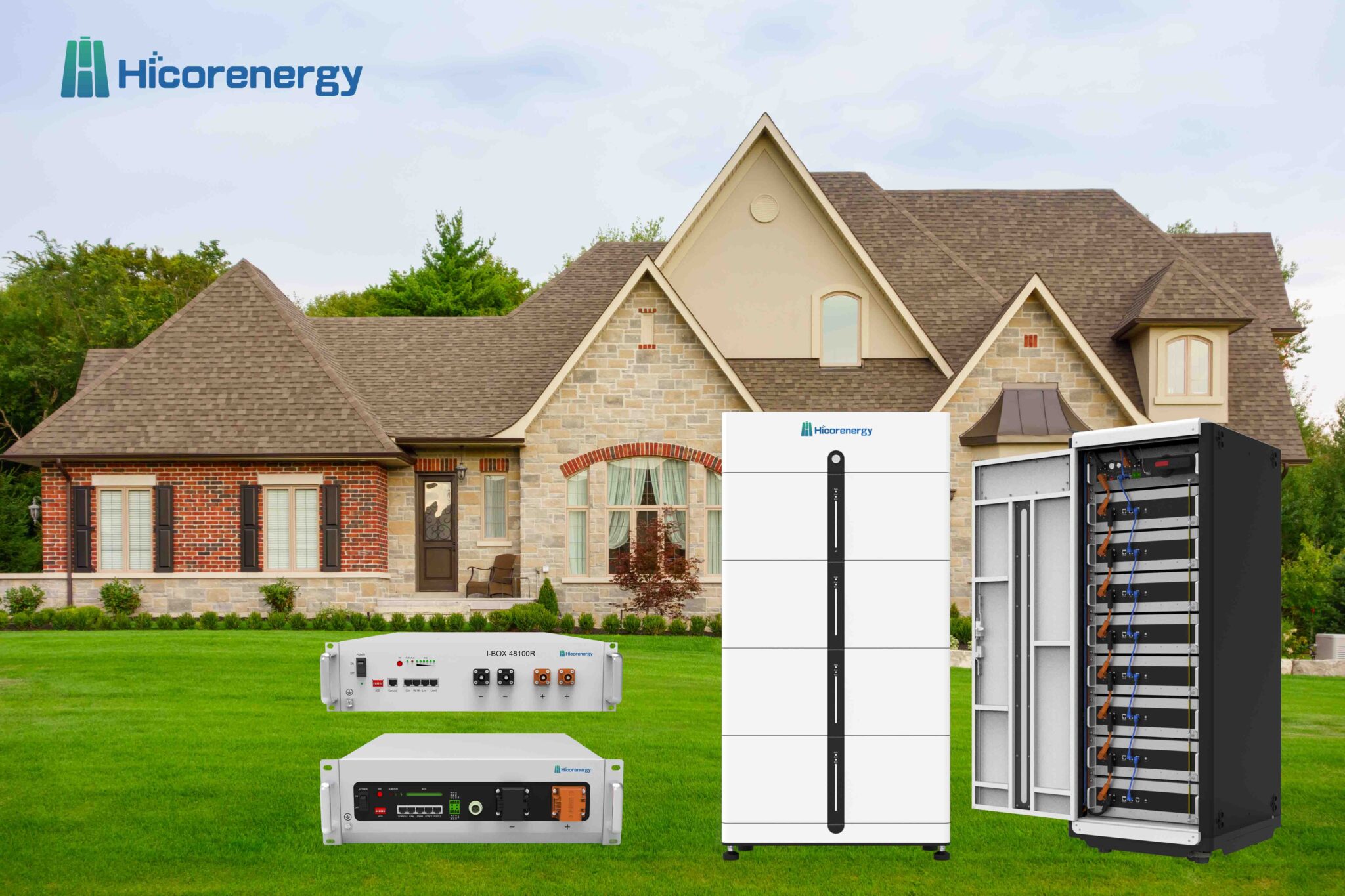
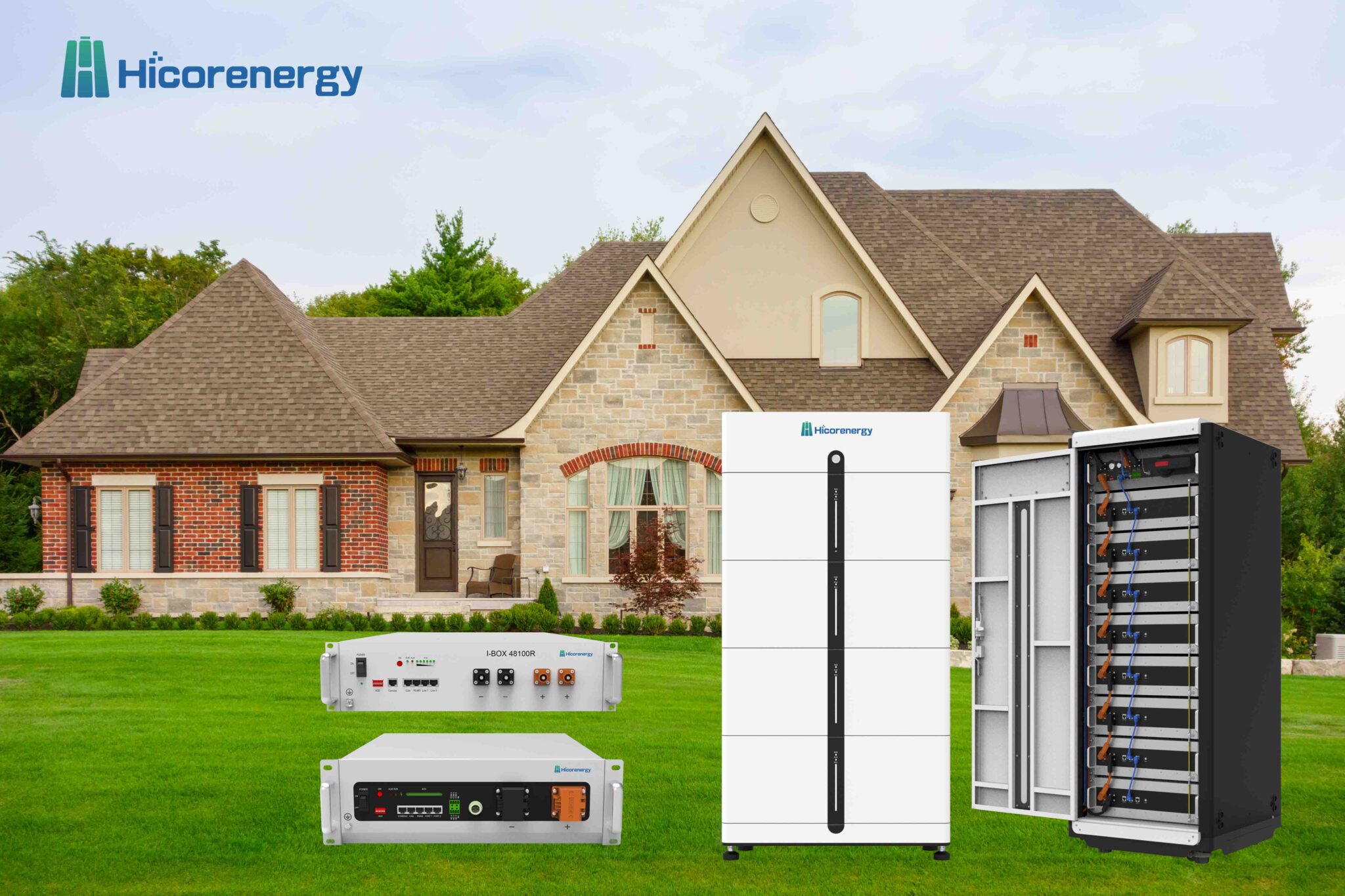
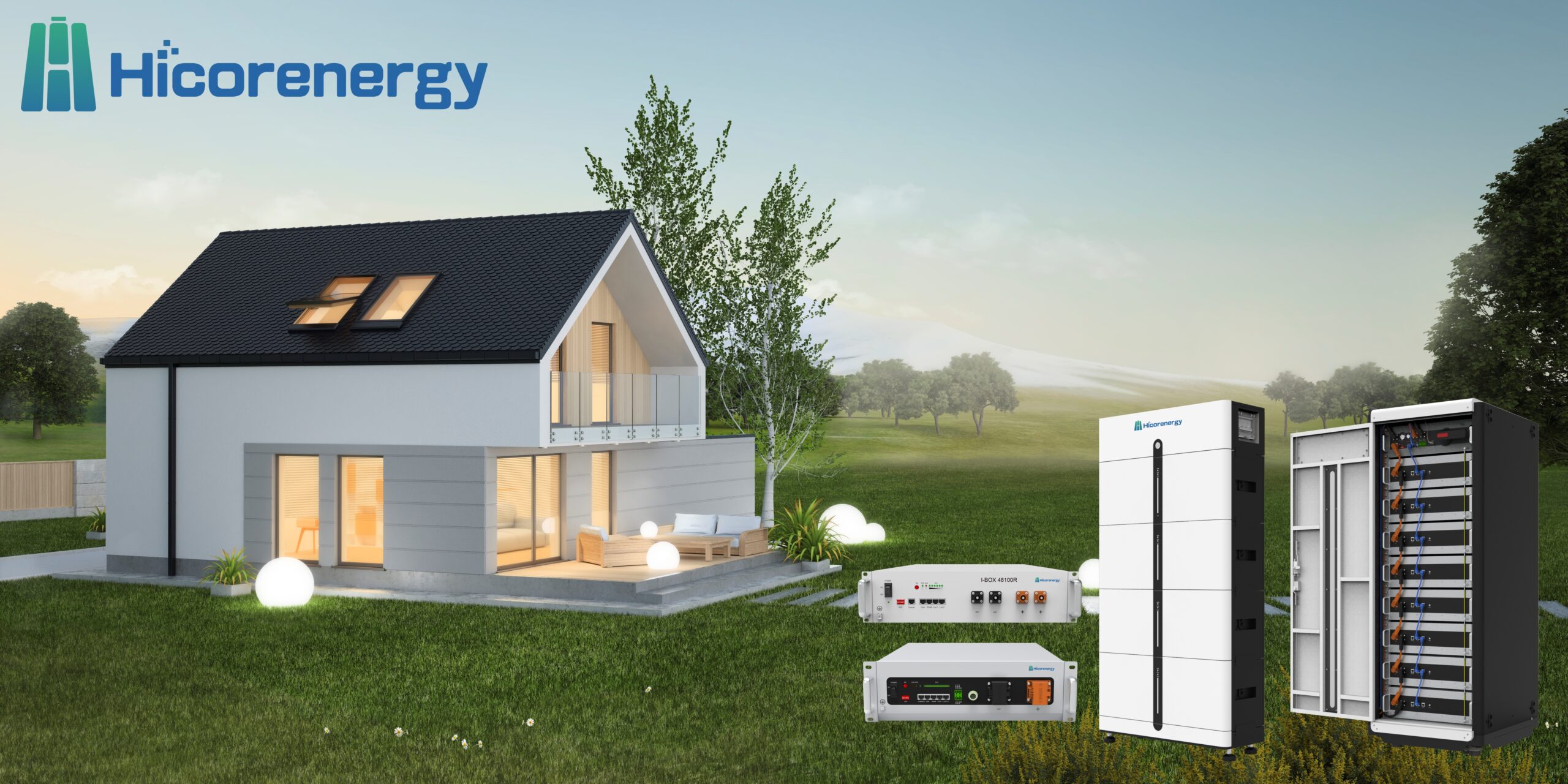
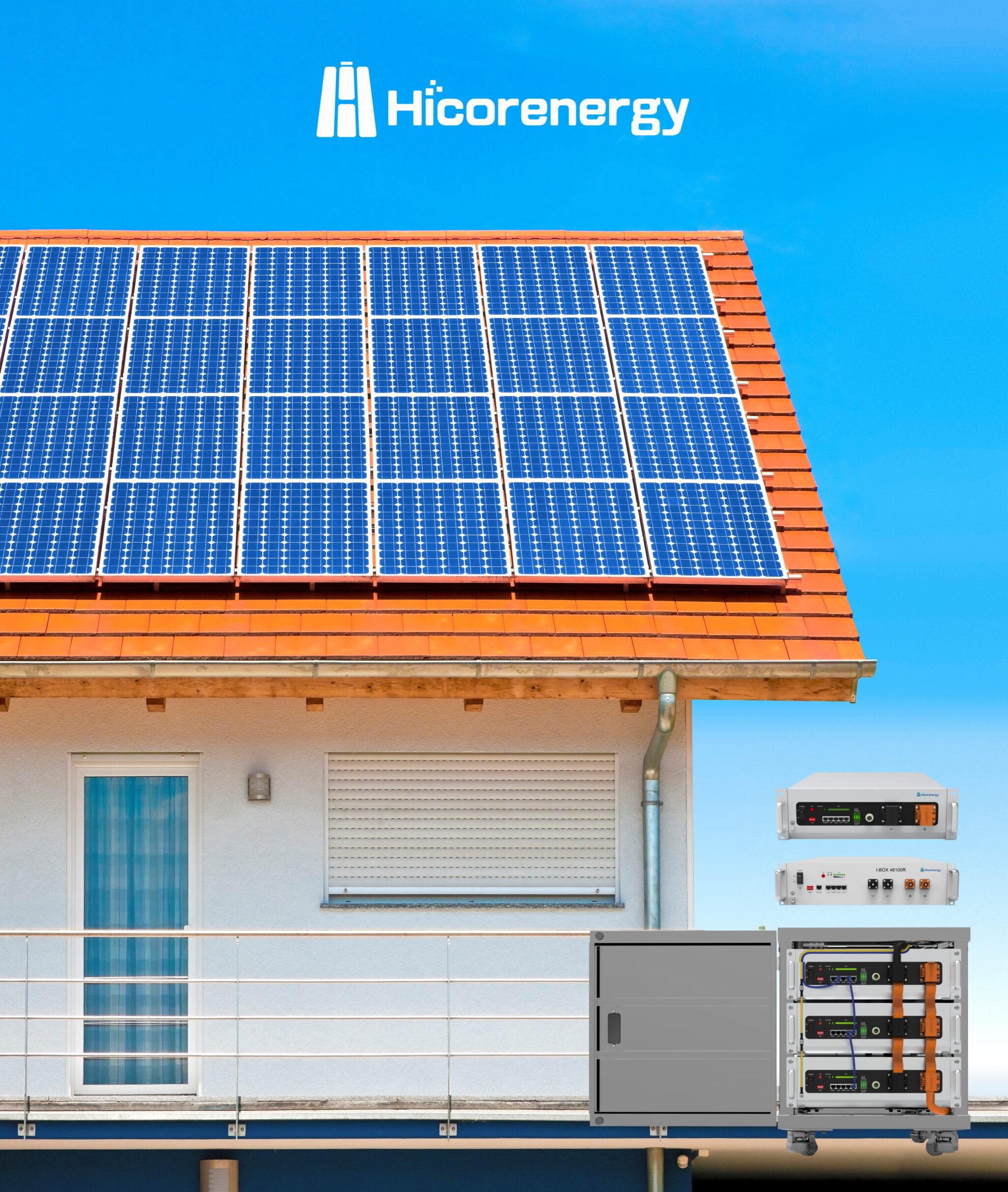
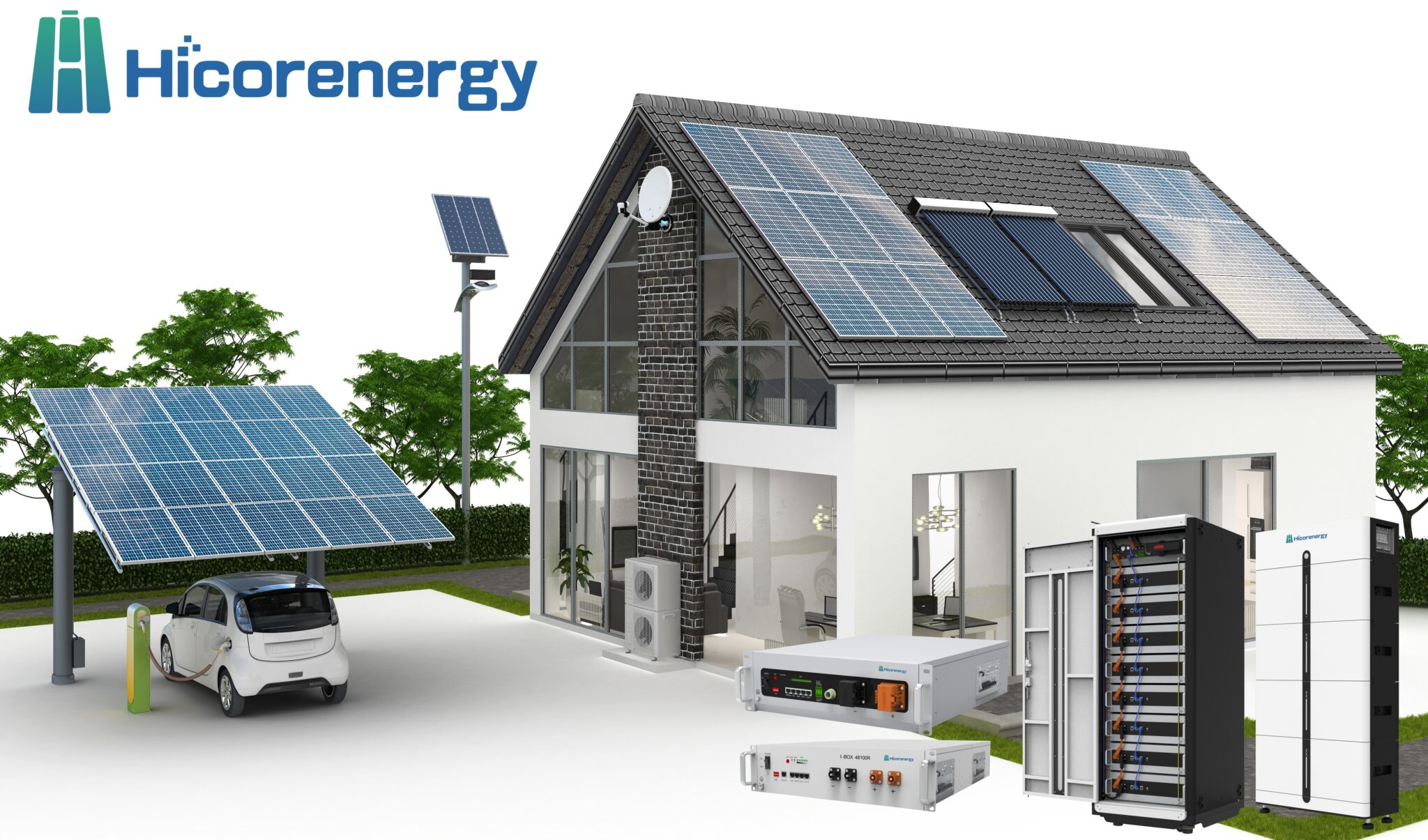
    At Hicorenergy, we engineer our systems to support next-generation technologies, ensuring easy integration with future battery innovations. Our modular platforms — like the Hicorenergy I-BOX 48100R and Si LV1 — are built for longevity, upgradability, and continuous improvement, ensuring users always benefit from cutting-edge efficiency and safety standards.

    Simplified Installation and Maintenance for Long-Term Peace of Mind

    Modular systems aren’t just powerful — they’re also practical. With streamlined modular system installation, each unit can be deployed quickly and configured to specific energy needs. This makes setup faster and less labor-intensive compared to large monolithic battery systems.

    Ongoing service is equally straightforward. Easy battery maintenance means individual modules can be inspected, replaced, or upgraded without affecting the entire array. This modular independence minimizes downtime and service complexity.

    Hicorenergy specializes in user-friendly, reliable battery systems that prioritize simplicity and long-term dependability. From installation to operation, our solutions are built to provide peace of mind and consistent performance — a vital feature for both residential and commercial applications.

    Maximizing Solar ROI: Storing Excess Solar Energy Efficiently

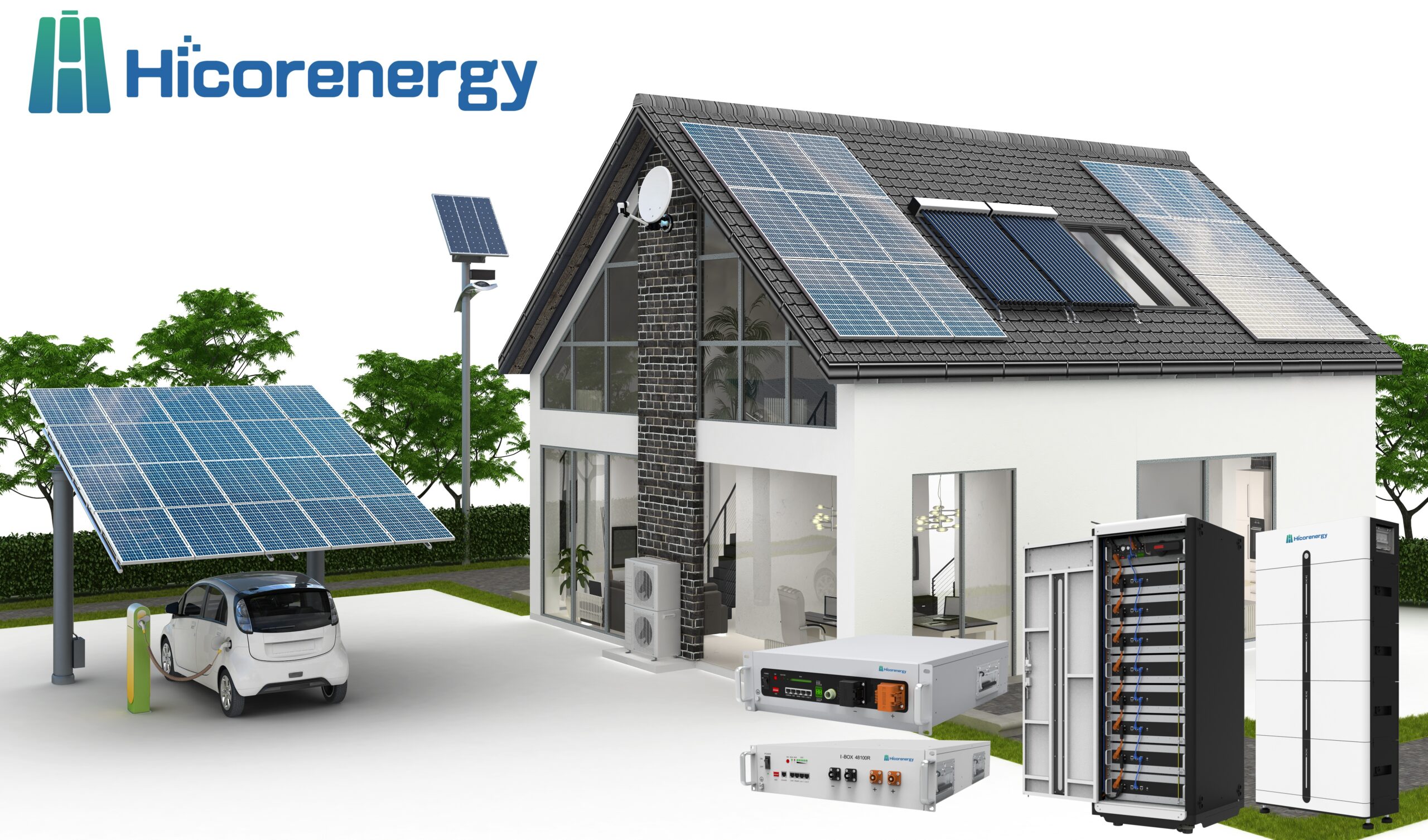
    For solar users, modular energy storage is the ultimate tool for efficiency. By storing excess solar energy during peak sunlight hours and discharging it at night or during cloudy periods, these systems help users maximize solar ROI while achieving energy independence.

    Modular battery setups enable homeowners to capture and use every watt generated, minimizing reliance on the grid and avoiding wasted renewable energy. Businesses can perform peak shaving, reducing costs during high-demand periods and improving sustainability scores.

    With solar energy storage integrated into a modular system, users gain predictable control over energy production and consumption. Hicorenergy’s stacked energy storage solutions are optimized for seamless solar integration — delivering a smarter, greener, and more cost-efficient approach to power management.

    Hicorenergy: Modular Solutions for a Smarter Energy Future

    Hicorenergy delivers advanced modular energy storage systems designed for scalability, reliability, and sustainability. Our solutions — including the I-BOX 48100R and Si LV1 — empower users to expand capacity, store renewable energy, and secure long-term power resilience.

    📩 Contact us:
    Email: service@hicorenergy.com
    WhatsApp: +86 181-0666-0961

    Modular Energy Storage Systems

  • Energy Storage Solutions for Distributors: How Can Battery Storage Enhance Grid Stability and Create New Revenue Streams?

    Energy Storage Solutions for Distributors: How Can Battery Storage Enhance Grid Stability and Create New Revenue Streams?

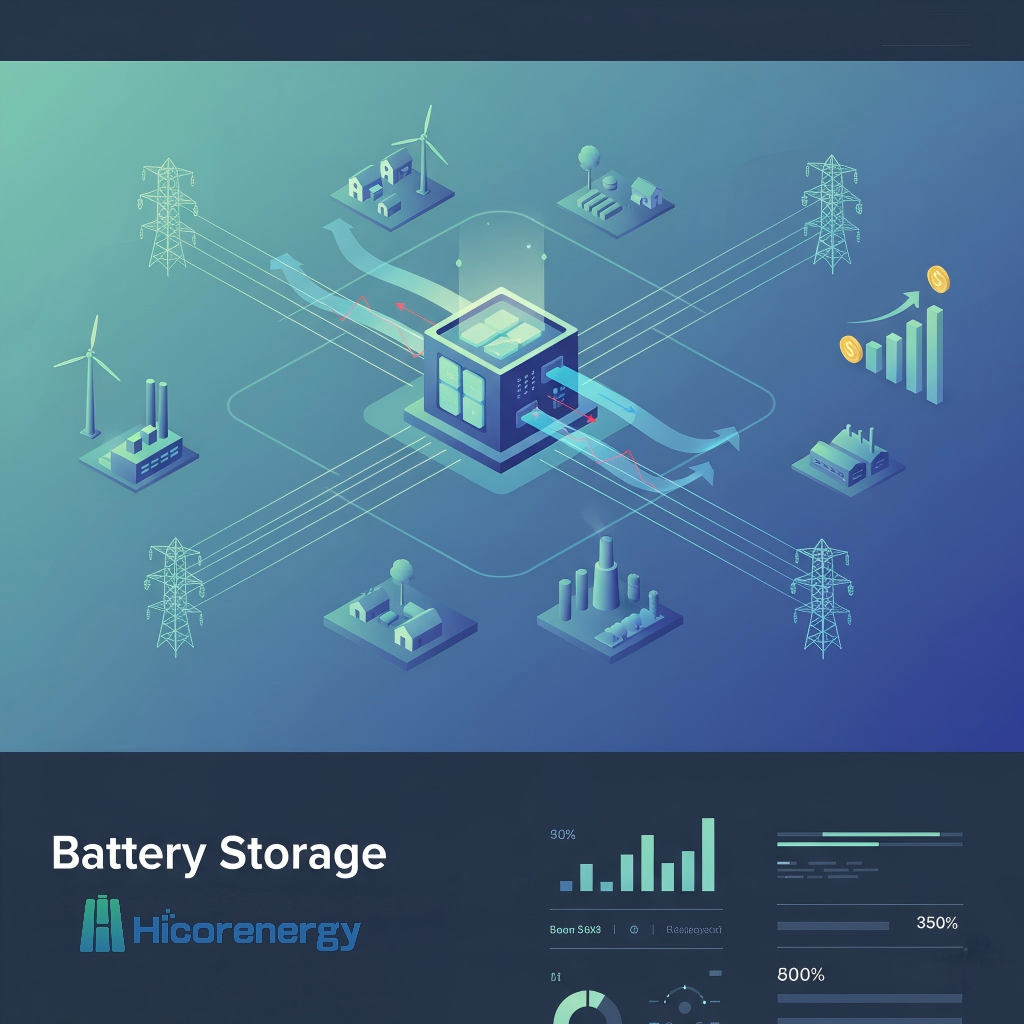
    Energy storage solutions empower distributors to stabilize the grid, reduce peak demand costs, integrate renewables, and unlock new revenue opportunities through wholesale electricity markets. Advanced BESS systems from HicorEnergy deliver resilience, flexibility, and strong ROI—helping distributors strengthen their networks and future-proof operations in an evolving energy landscape.

    Energy Storage Solutions

    Beyond Backup: How Battery Storage Fortifies Grid Resilience for Distributors

    Modern distribution networks face increasing stress from rising demand, extreme weather, and intermittent renewable generation. Battery storage for utilities and distributors goes far beyond traditional backup power—it provides dynamic grid support that fortifies grid resilience and reliability. By instantly responding to fluctuations in supply and demand, distributed energy storage systems help stabilize voltage and frequency, preventing outages and ensuring uninterrupted service. For energy distributors, this technology enables smarter load management and minimizes the impact of local disturbances. In regions with high solar and wind penetration, storage smooths variability, balancing renewable energy on the distribution grid. With intelligent control and predictive analytics, distributors can transform storage into a strategic asset that enhances both performance and profitability across their networks.

    Peak Shaving and Demand Charge Management: Cutting Costs with Distributed Storage

    Distributors face significant operational expenses from demand charges and infrastructure strain during peak hours. Through peak shaving and demand charge management, distributed storage systems alleviate these costs by discharging energy at high-demand times and recharging during off-peak periods. Hicorenergy’s commercial-grade BESS platforms—built with LiFePO₄ technology and smart BMS—allow precise control, lower grid stress, and reduce operational costs, maximizing long-term efficiency and savings.

    Unlocking Revenue: A Guide to Wholesale Electricity Market Participation for Distributors

    One of the most transformative opportunities for energy distributors lies in market participation. By leveraging energy storage solutions for wholesale electricity market engagement, distributors can buy low and sell high, offering grid services like frequency regulation, capacity support, and spinning reserves. This opens multiple new revenue streams while maintaining service stability. Batteries provide fast-response capabilities that traditional generation cannot match, allowing distributors to capitalize on market volatility. Hicorenergy’s intelligent energy management systems facilitate seamless integration with energy markets, automating charge and discharge cycles for maximum profitability. As the National Electricity Market (NEM) evolves, such distributed flexibility positions storage-equipped distributors at the forefront of Australia’s and global grid modernization efforts.
    Energy Storage Solutions

    Deferring Capital Expenditure: How Storage Postpones Grid Infrastructure Upgrades

    Investing in grid infrastructure upgrades—such as new substations or transformers—requires enormous capital outlay. Battery energy storage systems (BESS) offer a cost-effective alternative by deferring capital expenditure through localized energy balancing. Storage systems absorb excess generation and supply power during high-demand periods, reducing stress on aging infrastructure and postponing costly expansions. For distributors, this translates to improved asset utilization and deferred investment timelines. By strategically deploying distributed storage, utilities can optimize grid performance without large-scale construction. Hicorenergy’s scalable systems—ranging from modular C&I batteries to megawatt-level stations—provide utilities with flexible deployment options that support both immediate operational needs and long-term grid planning.

    Integrating Renewables: Using Storage to Balance Solar and Wind on the Distribution Grid

    The rapid growth of solar and wind generation presents challenges for balancing renewable energy at the distribution level. Fluctuating generation leads to voltage instability and potential curtailment. Integrating renewables with storage enables distributors to capture surplus energy when the sun is shining or wind is blowing and release it when generation drops. This synergy ensures smoother delivery and reduces grid imbalance penalties. Hicorenergy’s advanced BESS solutions with >95% round-trip efficiency and over 6,000 cycles provide robust performance for renewable balancing. With cloud-based monitoring and adaptive control, distributors gain full visibility and optimization capabilities, enabling reliable, carbon-free energy delivery even in variable conditions.

    Choosing the Right Technology: Comparing BESS Solutions for Maximum ROI

    Selecting the right battery technology is crucial to maximizing energy storage ROI. HicorEnergy offers a comprehensive range of BESS solutions designed for different distributor requirements.

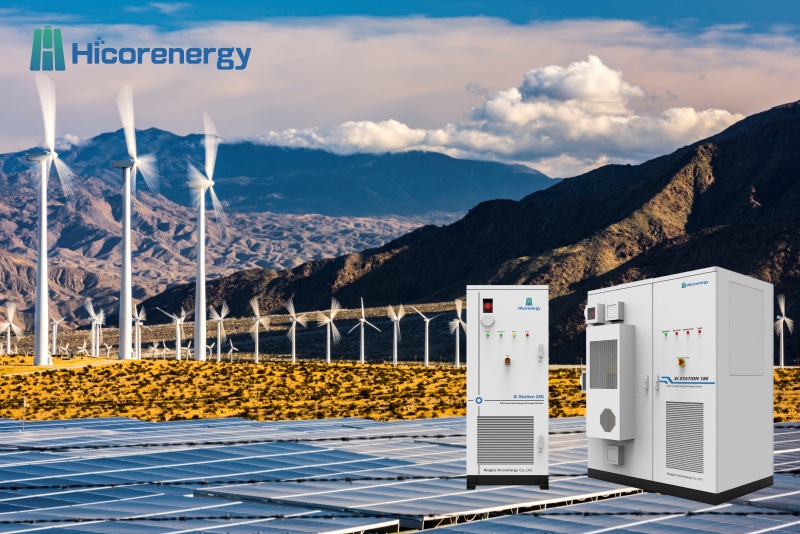
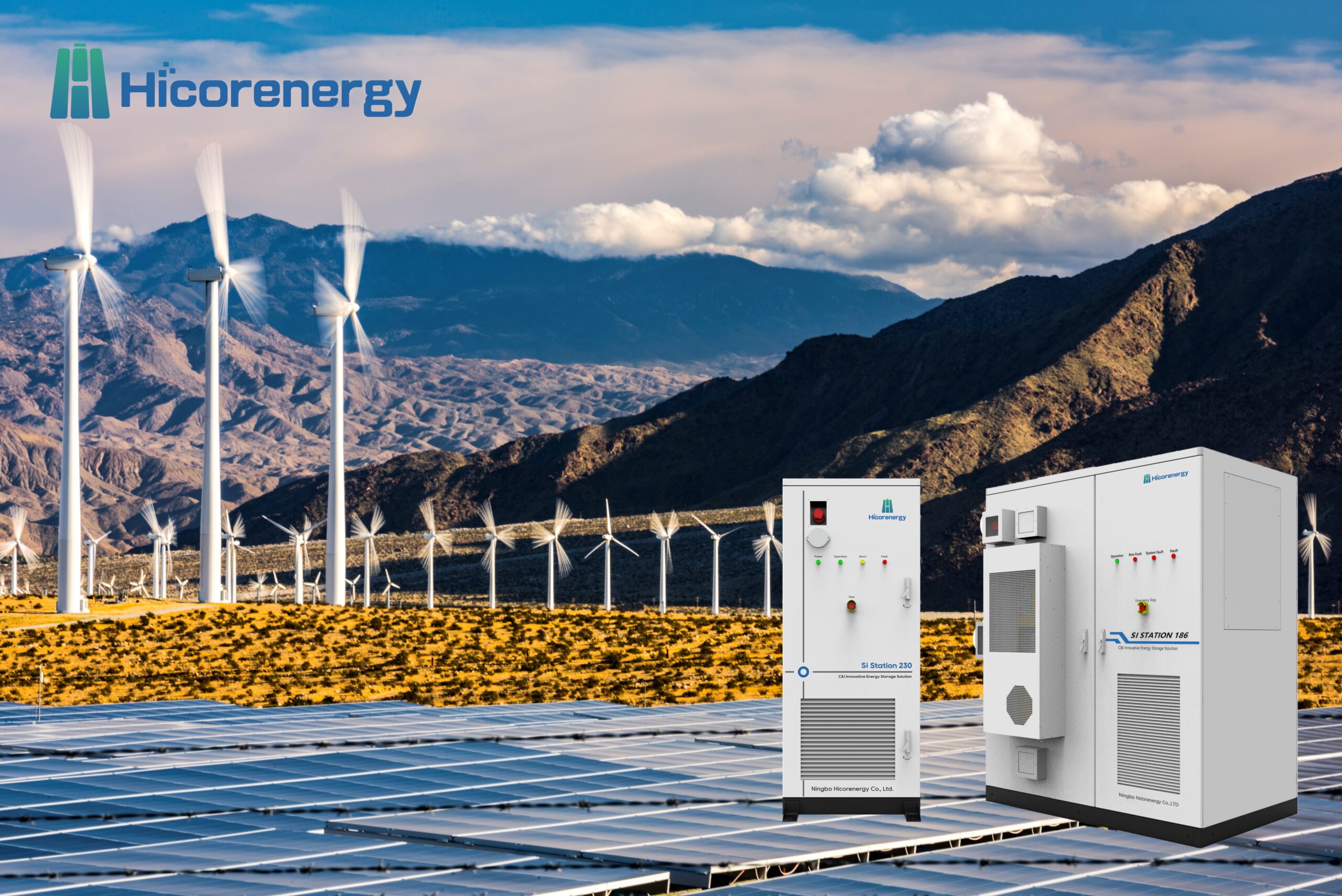
    • Si Station 186: Air-cooled modular cabinet with 186 kWh capacity, perfect for grid-tied or off-grid applications. Compact and scalable, it supports parallel installations for regional utilities.
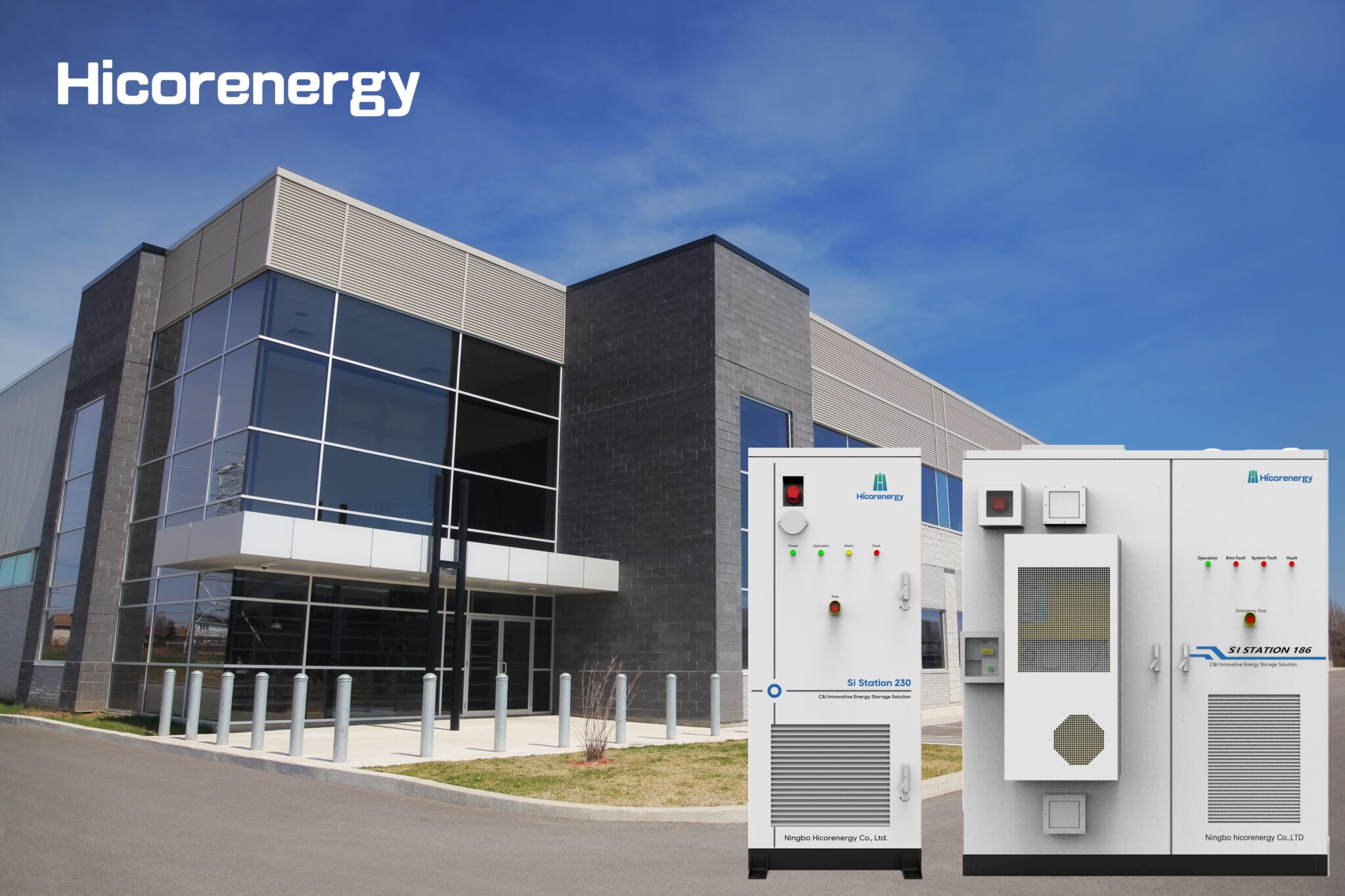
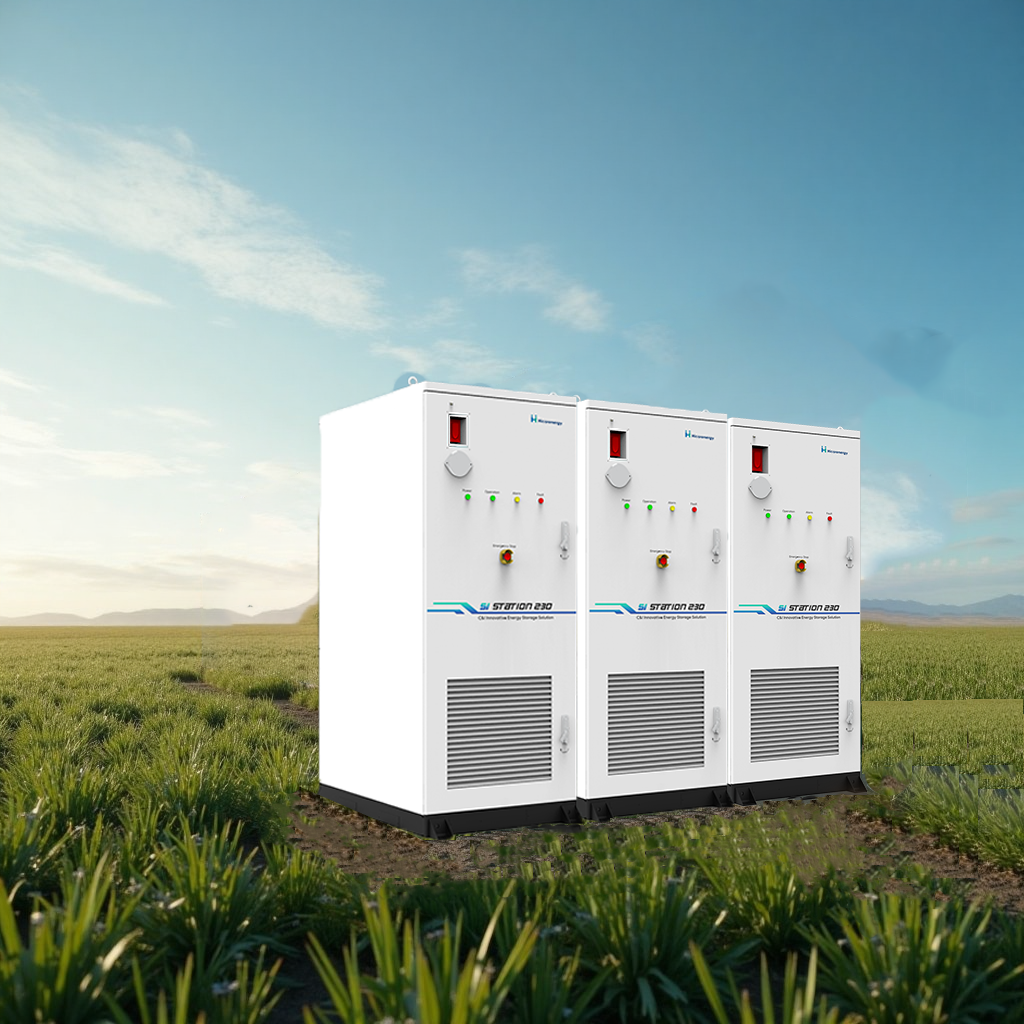
    • Si Station 230: A liquid-cooled, high-capacity system (230 kWh) built for harsh environments and continuous cycling. Its advanced thermal management ensures reliability and optimal performance.
    • SHV48100: A distributed energy cabinet ideal for substations and community grids, supporting up to 40.96 kWh with fast 2-hour charging and high efficiency.

    Each model features Hicorenergy’s proprietary BMS, ensuring safety, remote monitoring, and smart energy management. Whether for localized backup or full-scale grid applications, Hicorenergy provides battery storage for utilities that deliver stability, flexibility, and long-term financial returns.

    Hicorenergy designs and manufactures advanced residential and C&I energy storage systems that improve grid stability, reduce costs, and enable sustainable growth for energy distributors worldwide.

    📧 Email: service@hicorenergy.com
    📱 WhatsApp: +86 181-0666-0961

    Energy Storage Solutions
  • The Business Case for Commercial Battery Storage in Australia: Costs, Savings & ROI — Is It Worth the Investment?

    The Business Case for Commercial Battery Storage in Australia: Costs, Savings & ROI — Is It Worth the Investment?

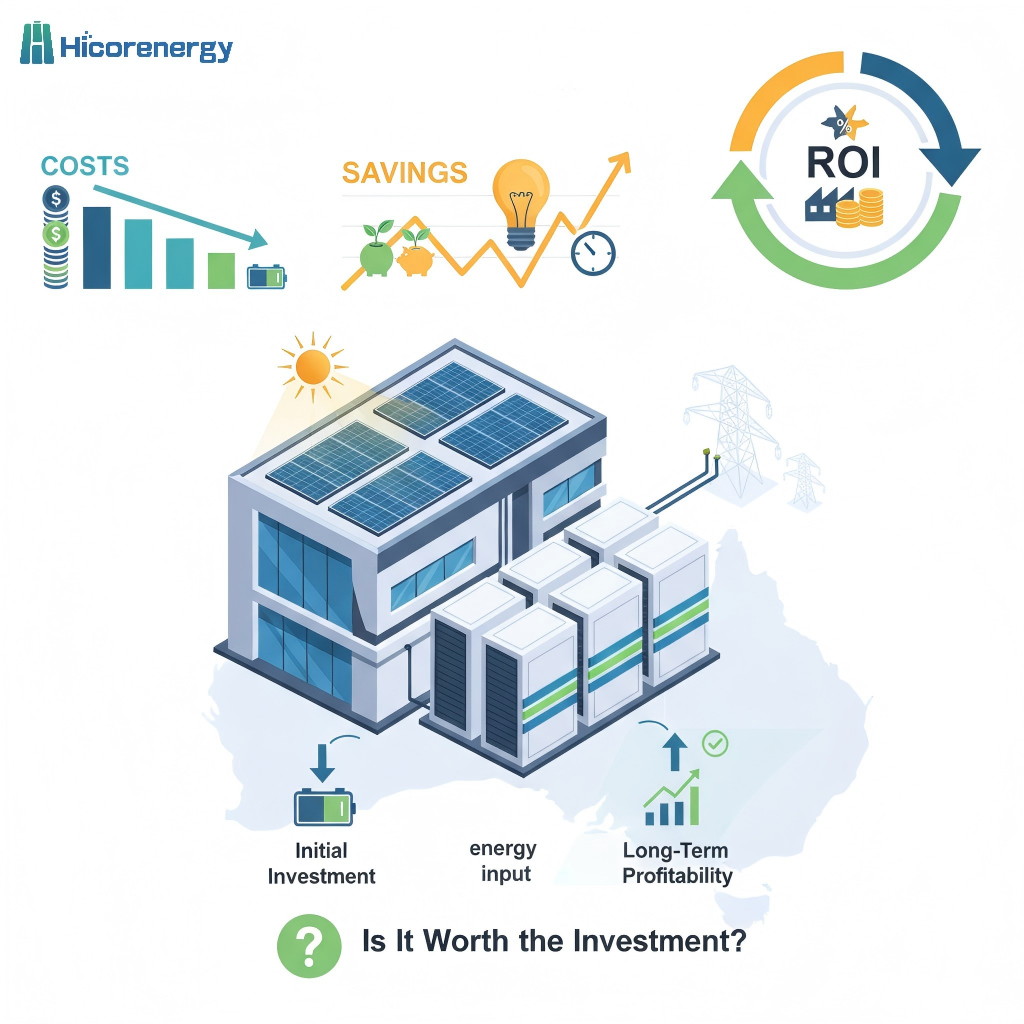
    Commercial battery storage in Australia is transforming how businesses manage energy. By reducing peak demand charges, improving business continuity, and taking advantage of government incentives, battery systems can deliver rapid payback and strong ROI while future-proofing enterprises against rising energy costs.

    Commercial Battery Storage

    Unlocking Savings: How Commercial Solar Batteries Slash Energy Costs for Australian Businesses

    Energy costs are among the highest operational burdens for Australian enterprises. Commercial solar batteries offer a way to dramatically slash energy costs by storing surplus solar energy during the day and using it during expensive evening peak hours. For manufacturers, data centers, and retailers, this reduces reliance on the grid and shields them from volatile electricity tariffs. The integration of commercial solar batteries in Australia also optimizes time-of-use billing, lowers demand charges, and minimizes wastage. Over time, these savings accumulate, driving a rapid return on investment (ROI). Businesses can additionally use stored energy during power outages, maintaining operations and avoiding costly downtime — a vital factor in a market where energy reliability remains inconsistent.

    Beyond the Blackout: The Role of Battery Storage in Australian Business Continuity

    Unplanned blackouts can cripple business operations. Battery storage backup power ensures business continuity in Australia, keeping critical systems online and production running smoothly. Companies that deploy battery storage gain not only cost control but also resilience. Hicorenergy’s C&I battery solutions—engineered for reliability, flexibility, and remote monitoring—help enterprises maintain stability even during grid disruptions, allowing seamless operation day and night.

    Calculating the ROI: A Real-World Guide to Commercial Battery Storage Payback Periods

    Understanding the commercial battery storage ROI begins with analyzing energy usage patterns. The payback period depends on battery capacity, solar generation, tariff structures, and incentive programs. For example, a typical 200 kWh battery system can reduce demand charges by up to 30%, saving thousands annually. When combined with optimized solar integration, the payback period can be as short as 4–6 years. Over its 10–20-year design life, the system delivers compounded energy savings that far exceed its initial investment. Hicorenergy’s long-cycle LiFePO₄ batteries, with over 6,000 cycles and 95% efficiency, ensure sustained financial and operational performance, making them an excellent long-term asset for commercial and industrial users.

    Commercial Battery Storage

    Government Incentives and STCs: Financing Your Business Battery System in 2025

    Australia’s renewable transition is underpinned by attractive government programs. Businesses installing eligible solar and storage systems can benefit from Small-scale Technology Certificates (STCs) and other business battery incentives in Australia. These reduce upfront costs and accelerate ROI. In 2025, additional support from state-level energy schemes will further improve affordability for enterprises investing in clean energy infrastructure. Combining STCs with tax depreciation and energy savings can cut effective costs by up to 40%. Hicorenergy’s engineering team assists clients in designing compliant systems that maximize incentive benefits and meet technical certification requirements across Australian states.

    Choosing the Right System: A Comparison of C&I Battery Solutions for Australian Enterprises

    Selecting between commercial vs. industrial battery storage depends on the scale, energy demand, and operational goals. Hicorenergy provides a complete portfolio of C&I battery solutions tailored to Australian businesses.

    • Si Station 186 — an air-cooled, all-in-one battery cabinet with 186 kWh capacity, ideal for grid-connected or off-grid operations. It supports modular expansion and easy installation for manufacturing and logistics sites.
    • Si Station 230 — a liquid-cooled system offering 230 kWh, optimized for large-scale energy plants and utility projects. It ensures consistent thermal management and peak efficiency even in extreme conditions.

    Both systems feature global certifications, IP54 protection, and optional PV input for seamless solar integration. Combined with Hicorenergy’s advanced Battery Management System (BMS) and remote monitoring, they deliver maximum uptime and safety for Australian enterprises seeking reliable commercial energy storage.

    Future-Proofing Your Business: Integrating Battery Storage with Solar and the Evolving Grid

    Integrating solar and storage is essential for future-proof business energy management. As Australia’s grid evolves toward decentralization, companies that adopt hybrid solar-plus-storage systems gain flexibility to participate in virtual power plants, demand response programs, and carbon reduction initiatives. Hicorenergy’s scalable storage architecture allows systems to grow with business needs, supporting from small C&I applications to multi-megawatt installations. Through intelligent monitoring and efficient power control, Hicorenergy ensures that businesses stay ahead of energy market changes, achieving resilience, cost-efficiency, and sustainability in one integrated solution.

    Hicorenergy delivers advanced residential and C&I energy storage systems—safe, efficient, and scalable—to help Australian businesses cut costs and ensure reliable power.

    📧 Email: service@hicorenergy.com
    📱 WhatsApp: +86 181-0666-0961

    Commercial Battery Storage
  • Powering the Outback: Can Battery Storage Transform Remote Australia?

    Powering the Outback: Can Battery Storage Transform Remote Australia?

    Remote Australia is increasingly turning to solar and battery storage systems as an alternative to diesel generators. These solutions lower costs, improve reliability, and reduce environmental impact, offering remote communities a sustainable path to off-grid power.

    Battery Storage

    Beyond Diesel Generators: Why Remote Communities are Turning to Solar and Battery Systems

    For decades, remote communities in the Australian Outback relied heavily on diesel generators to power homes, schools, and businesses. While effective in the short term, diesel dependency has proven costly, polluting, and logistically challenging, particularly when fuel must be transported across vast distances. Rising fuel prices and maintenance burdens add to the strain. Today, solar panels paired with modern battery storage systems are emerging as the preferred alternative. By storing excess solar energy for use during night or cloudy periods, these systems deliver consistent and reliable electricity. Importantly, they reduce emissions, stabilize costs, and provide communities with greater energy independence. The shift reflects both economic necessity and a broader environmental commitment across Remote Australia.

    Unique Hurdles: Key Challenges for Energy Storage in the Australian Outback

    Implementing battery storage across the Australian Outback is not without obstacles. Harsh weather, extreme temperatures, dust, and vast geographic isolation pose durability and logistical challenges. Financing such projects, ensuring reliable supply chains, and providing ongoing maintenance also add complexity. Overcoming these hurdles is crucial to fully realizing the benefits of off-grid power for remote communities.

    Economic and Environmental Benefits: The Opportunity for Off-Grid Power

    Battery storage offers Remote Australia both immediate and long-term advantages. Economically, households and industries can cut fuel costs by reducing diesel use, while extending the lifespan of their power systems through efficient load management. Environmentally, battery systems significantly lower carbon emissions and noise pollution compared to traditional generators. Remote communities also gain resilience during emergencies, ensuring hospitals, schools, and essential services remain powered. In mining sites and Indigenous communities alike, the benefits of off-grid power extend beyond economics—they create healthier living environments and enhance community sustainability in the face of rising energy demands.

    Battery Storage

    Technology Deep Dive: Comparing Battery Types for Harsh Australian Conditions

    Not all battery systems are equally suited to the Outback. Lead-acid batteries, while affordable, suffer from short lifespans and higher maintenance. In contrast, lithium-ion solutions, especially LiFePO4 (lithium iron phosphate), excel in harsh Australian conditions due to their durability, safety, and efficiency. Hicorenergy, a global leader in lithium battery solutions, specializes in such advanced technologies. Its residential systems like the I-BOX 48100R and Si LV1 offer long cycle life, high efficiency, and easy installation, making them ideal for households. For industrial projects, Hicorenergy’s Si Station series delivers scalable solutions for mining sites and large-scale remote operations. These innovations reflect the company’s commitment to providing reliable, cost-effective, and environmentally friendly battery systems worldwide.

    Funding and Implementation: Government Initiatives and Business Models for Remote Projects

    Government initiatives play a critical role in accelerating energy storage adoption in Remote Australia. Federal and state programs often provide grants, subsidies, and regulatory frameworks that reduce upfront costs for communities and businesses. Business models also continue to evolve, with power purchase agreements (PPAs), leasing options, and community-owned microgrids offering flexible pathways for deployment. Collaboration between private companies, local councils, and Indigenous organizations is helping ensure that projects are both technically and socially sustainable. These models are crucial for expanding battery storage access across the Outback.

    Case Studies: Successful Energy Storage Solutions in Indigenous Communities and Mining Sites

    Case studies across Remote Australia demonstrate the transformative potential of battery storage. Indigenous communities in Northern Australia have reduced reliance on diesel by integrating solar-battery microgrids, which provide cleaner, more reliable power and support local economic development. Mining operations, once burdened by fuel transport and generator costs, now use scalable lithium storage systems to cut expenses and meet corporate sustainability goals. Hicorenergy has contributed to similar success stories worldwide. With products like the SHV48100 distributed storage system and the Si Station liquid cooling cabinets, the company has enabled projects that balance high performance with safety and adaptability. These solutions prove that energy independence in remote, harsh environments is not just possible—it is increasingly practical.

    Conclusion

    Hicorenergy provides safe, reliable, and scalable battery storage solutions for both households and industries, enabling sustainable off-grid power in remote regions.

    📩 Contact Hicorenergy today:
    Email: service@hicorenergy.com
    WhatsApp: +86 181-0666-0961

    Battery Storage

  • Maximize Your Solar: How Can Australian Homes Benefit from Integrating Solar Panels and Battery Storage?

    Maximize Your Solar: How Can Australian Homes Benefit from Integrating Solar Panels and Battery Storage?

    Pairing solar panels with battery storage helps Australian households maximize energy use, reduce bills, and achieve greater energy independence. With government rebates and smart technologies, families can enjoy reliable power while supporting a greener grid and building a sustainable future.

    Integrating Solar Panels and Battery Storage

    Why Pair Solar Panels with a Battery? Unlocking Energy Independence and Savings

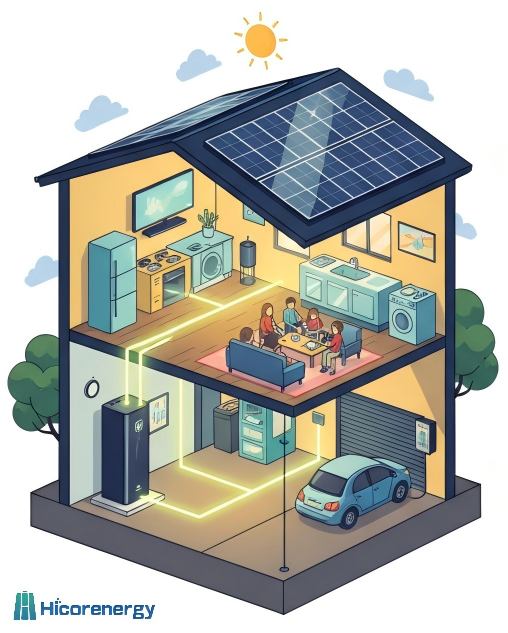
    Solar panels generate abundant electricity during the day, but without a battery, much of this energy is exported back to the grid at low feed-in tariff rates. A battery storage system changes this dynamic by capturing excess solar power for later use—whether at night, during cloudy weather, or in power outages. This means households consume more of their own solar energy instead of buying electricity from the grid at higher retail rates. In Australia, where energy prices continue to rise, this self-consumption not only reduces bills but also provides peace of mind through energy independence. For families seeking to maximize their solar investment, pairing solar panels with battery storage is the logical next step.

    Choosing the Right Solar Battery for Your Australian Home: A Comparison Guide

    Selecting the right battery storage solution depends on household needs, budget, and long-term energy goals. Lithium-ion batteries, particularly LiFePO4 chemistry, dominate the Australian home battery market due to their long lifespan, efficiency, and safety. Hicorenergy offers advanced options such as the I-BOX 48100R and Si LV1, designed for reliable performance, easy installation, and remote monitoring.

    Understanding the Costs and Government Rebates for Solar Batteries in Australia

    The upfront cost of solar and battery installation can be significant, often ranging from AUD 7,000 to 15,000 depending on system size. However, government rebates and incentives make adoption more affordable. Programs such as the Small-scale Renewable Energy Scheme (SRES) and state-based initiatives in Victoria, South Australia, and New South Wales reduce the cost of battery storage for Australian households. Some states even offer low-interest loans or direct subsidies. When combined with long-term electricity bill savings, these rebates make solar batteries not just a sustainable choice, but also a financially smart one. Understanding available incentives is a critical step in maximizing the value of your investment.

    Integrating Solar Panels and Battery Storage

    Maximizing Self-Consumption: How to Use Your Stored Solar Power Efficiently

    Owning a battery is only the first step; using it strategically ensures maximum savings. Smart monitoring systems allow households to schedule high-consumption activities, like running dishwashers or charging electric vehicles, during peak solar generation hours. At night, stored battery power can supply essential loads, minimizing reliance on expensive grid electricity. For larger households, scalable battery options allow storage capacity to expand with growing energy needs. By carefully managing self-consumption, families can extend battery life, reduce electricity costs, and truly maximize their solar in Australia.

    Is Your Home Suitable? Key Factors for a Successful Solar and Battery Installation

    Not every Australian home is immediately suitable for solar and battery installation. Key factors include roof orientation and shading, daily electricity consumption patterns, and the size of the solar array. Battery storage is most beneficial for households with high evening energy use, as this aligns with stored solar availability. Additionally, homeowners should consider whether they want full backup power during outages, which may require larger or specialized battery systems. Professional consultation ensures that households choose the right solar battery tailored to their energy profile, avoiding underutilized capacity or unnecessary costs.

    The Future of Home Energy: How Integrated Systems Support a Greener Grid

    As battery adoption increases, Australian households are not just lowering their bills—they are contributing to the stability of the national grid. Integrated solar and battery systems enable demand management by reducing strain during peak hours and supporting renewable energy integration. Virtual Power Plants (VPPs), where thousands of home batteries are connected digitally, allow communities to share stored energy and reduce dependence on fossil fuels. Hicorenergy plays a pivotal role in this future of home energy by delivering scalable, safe, and efficient battery solutions. These systems not only empower households but also accelerate Australia’s transition toward a greener grid.

    Conclusion

    Hicorenergy delivers safe, long-lasting, and scalable solar battery solutions that help Australian households maximize solar power, cut costs, and support a sustainable future.

    📩 Contact HicorEnergy today:
    Email: service@hicorenergy.com
    WhatsApp: +86 181-0666-0961

    Integrating Solar Panels and Battery Storage

  • How to Choose the Right Battery Supplier: 6 Key Considerations for Solar Installers and Distributors

    How to Choose the Right Battery Supplier: 6 Key Considerations for Solar Installers and Distributors

    Selecting the right battery supplier is crucial for solar installers and distributors. Key factors include product quality, certifications, scalability, technical support, pricing, and long-term partnerships. Understanding these considerations helps ensure reliable energy storage solutions, reduced risks, and sustainable growth in competitive markets.

    Energy storage system suppliers

    Product Quality & Battery Technology: Understanding LiFePO4, Performance Specs, and Warranty

    The foundation of any reliable energy storage system lies in product quality and proven technology. LiFePO4 chemistry is now the industry standard due to its high safety, stability, and long cycle life compared with lead-acid or other lithium chemistries. A trustworthy LiFePO4 battery supplier provides transparent battery performance specs, including cycle life, round-trip efficiency, depth of discharge, and operating temperature range. Equally important is a robust solar battery warranty—typically 10 years or more—that safeguards against premature failures. For solar installers and distributors, aligning with energy storage system suppliers offering advanced LiFePO4 technology and comprehensive warranties ensures dependable solutions for customers, minimizing replacements and protecting profit margins.

    Certifications and Compliance: Why UL, IEC, and UN38.3 Matter for Safety and Market Access

    Battery certifications are not just formalities—they are essential for safety and market entry. UL 1973 certification guarantees compliance with stringent safety standards, IEC standards confirm global reliability, and UN38.3 certified batteries ensure safe transport across borders. For installers and distributors, partnering with a reliable battery supplier that provides these certifications simplifies local approvals and builds customer trust.

    Scalability and Supply Chain Reliability: Ensuring Consistent Inventory for Your Projects

    Energy storage projects often scale from small residential systems to large commercial installations. A supplier’s ability to provide scalable battery supply is critical for long-term success. Beyond scalability, supply chain reliability ensures that installers and distributors can maintain consistent energy storage inventory without costly delays. With multiple production bases in China, as well as factories in Vietnam, Europe, and North America, Hicorenergy demonstrates strong global coverage and faster delivery. This multi-regional presence helps solar installers secure stable inventory for both residential and commercial projects, reducing risks from logistical disruptions.

    Energy storage system suppliers

    Technical Support and OEM Services: From Installation Guides to White-Label Solutions

    Technical support for installers is often the deciding factor when choosing a supplier. From clear installation manuals to responsive after-sales service, strong support prevents costly downtime. Hicorenergy distinguishes itself by offering battery OEM services and white-label energy storage solutions for distributors looking to build their brand. Its energy storage systems, such as the I-BOX 48100R and Si LV1, are designed with installer-friendly features like modular expansion, plug-and-play connections, and remote monitoring. Combined with dedicated technical support and product training, Hicorenergy helps distributors and installers maximize efficiency while reducing risks during deployment.

    Total Cost of Ownership (TCO): Evaluating Price Beyond the Initial Unit Cost

    Solar battery price is often a major consideration, but the initial cost does not tell the full story. The true battery total cost of ownership (TCO) includes factors such as cycle life, efficiency, warranty coverage, and maintenance requirements. For example, LiFePO4 batteries with ≥6000 cycles and >95% round-trip efficiency deliver lower lifetime costs compared with cheaper alternatives. Installers and distributors should carefully assess TCO for energy storage rather than focusing only on upfront price. By sourcing from suppliers that balance affordability with long-term durability, distributors secure better value for both their businesses and end-users.

    Reputation and Long-Term Partnership: Reviews, Case Studies, and Financial Stability

    Building a successful energy storage business depends on long-term partnerships. Beyond product specs, a supplier’s financial stability, track record, and customer feedback reveal its reliability. Top battery supplier reviews and energy storage case studies provide insights into real-world performance. Hicorenergy, with over 20 years of industry expertise and a global footprint, has established itself as a reliable partner. Its financial strength and reputation for quality ensure that solar installers and distributors can count on stable supply, responsive service, and future-ready solutions for years to come.

    Conclusion

    Hicorenergy delivers scalable, safe, and reliable LiFePO4 energy storage systems for both residential and commercial applications.

    For more details, contact service@hicorenergy.com or WhatsApp: +86 181-0666-0961.

    Energy storage system suppliers
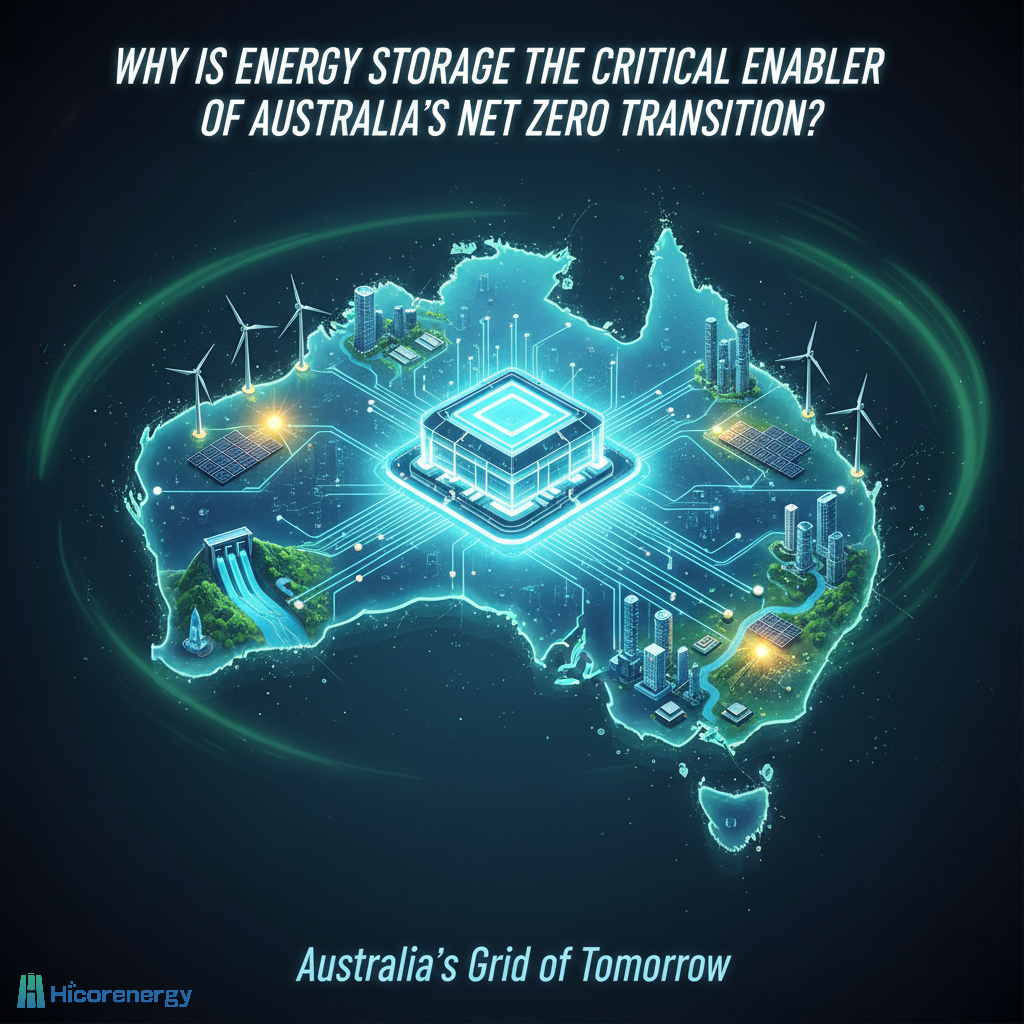
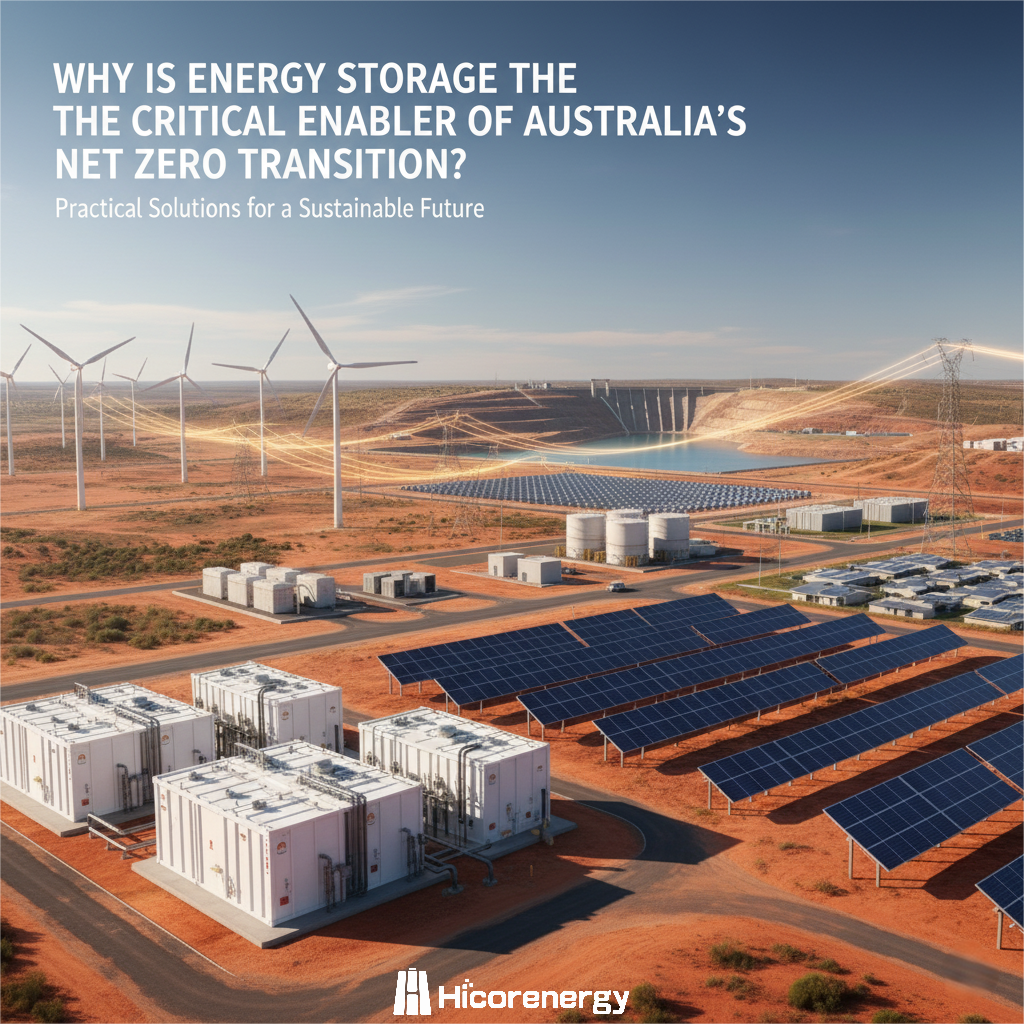
  • Why Is Energy Storage the Critical Enabler of Australia’s Net Zero Transition?

    Why Is Energy Storage the Critical Enabler of Australia’s Net Zero Transition?

    Energy storage bridges the gap between variable renewable generation and consistent demand, making it essential for Australia’s net zero transition. By stabilizing the grid, supporting renewable energy integration, and lowering reliance on fossil fuels, storage systems ensure a reliable, affordable, and sustainable renewable energy future for Australia

    Australia’s Net Zero Transition

    Beyond the Battery: Exploring Different Types of Energy Storage for Australia

    Australia’s renewable energy future depends on a diverse mix of storage technologies. While lithium-ion battery storage dominates due to scalability and declining solar battery cost, pumped hydro in Australia remains a cornerstone of long-duration storage. Pumped hydro projects can store excess renewable energy and release it during peak demand. Emerging options such as thermal storage, compressed air, and hydrogen also hold promise, though many are at pilot or demonstration stages. Together, these types of energy storage will help overcome intermittency challenges, ensuring flexibility across the National Electricity Market (NEM Australia) and building resilience for the future of Australian energy.

    Powering After Sunset: How Battery Storage Supports Solar and Wind Farms in the NEM

    Battery storage solar farms are becoming essential in NEM Australia, capturing renewable energy when generation exceeds demand and discharging it after sunset. This capability not only supports grid stability but also reduces curtailment of renewable energy, enhancing the value of both solar and wind investments.

    Australia’s Net Zero Transition

    From Grid-Scale to Home: The Rise of Residential Battery Storage in Australian Households

    The shift toward renewable energy integration has driven growing adoption of residential battery storage in Australia. Rising electricity bills and concerns about energy security have encouraged homeowners to invest in home battery systems. Hicorenergy supports this demand with advanced solar battery storage solutions, such as the I-BOX 48100R and Si LV1, offering safe, reliable, and long-lasting residential energy storage battery options. These systems deliver over 6,000 cycles, up to 20 years of design life, and high round-trip efficiency. With flexible installation, compatibility with most inverter brands, and scalability up to hundreds of kilowatt-hours, Hicorenergy’s solutions are tailored for both urban households and remote communities. For households exploring solar battery cost considerations, such solutions represent a balance of affordability, performance, and safety while ensuring lower reliance on the grid.

    Addressing Challenges: The Path to Scaling Up Energy Storage in Australia

    Despite strong momentum, energy storage challenges in Australia remain significant. Solar battery cost and financing hurdles can deter homeowners, while large scale battery storage projects often face long approval processes and regulatory complexity. Pumped hydro Australia projects, though promising, involve long construction times and environmental considerations. Furthermore, supply chain instability and grid scale battery funding constraints limit rapid expansion. Overcoming these barriers requires supportive policy frameworks, investment incentives, and streamlined approval processes. Strengthening local supply capabilities and encouraging collaboration between government, industry, and technology providers will be key to ensuring energy storage grows at the pace required for Australia’s net zero transition.

    The Future of Energy: How Storage Will Secure a Reliable, Affordable, and Low-Emission Grid for Australia

    Looking ahead, energy storage will underpin the future of Australian energy by ensuring a reliable renewable grid. With increasing penetration of wind and solar, storage systems will provide critical services including peak shaving, backup power, demand response, and renewable energy integration. Hicorenergy’s scalable solutions, such as the C5° system and commercial Si Station 230, demonstrate how advanced technology can serve both residential and industrial needs. These products feature remote monitoring, wide operating temperature ranges, and long design lifespans, making them well-suited to Australia’s diverse climate. By combining innovation with affordability, Hicorenergy is supporting Australia’s renewable energy future, helping build a low-emission, stable, and cost-effective energy system.

    Conclusion

    Hicorenergy offers residential battery storage, commercial systems, and large-scale solutions designed for safety, scalability, and efficiency—empowering households, businesses, and utilities in Australia’s renewable energy transition.

    📩 Contact us:

    service@hicorenergy.com | WhatsApp: +86 181-0666-0961

    Australia's Net Zero Transition

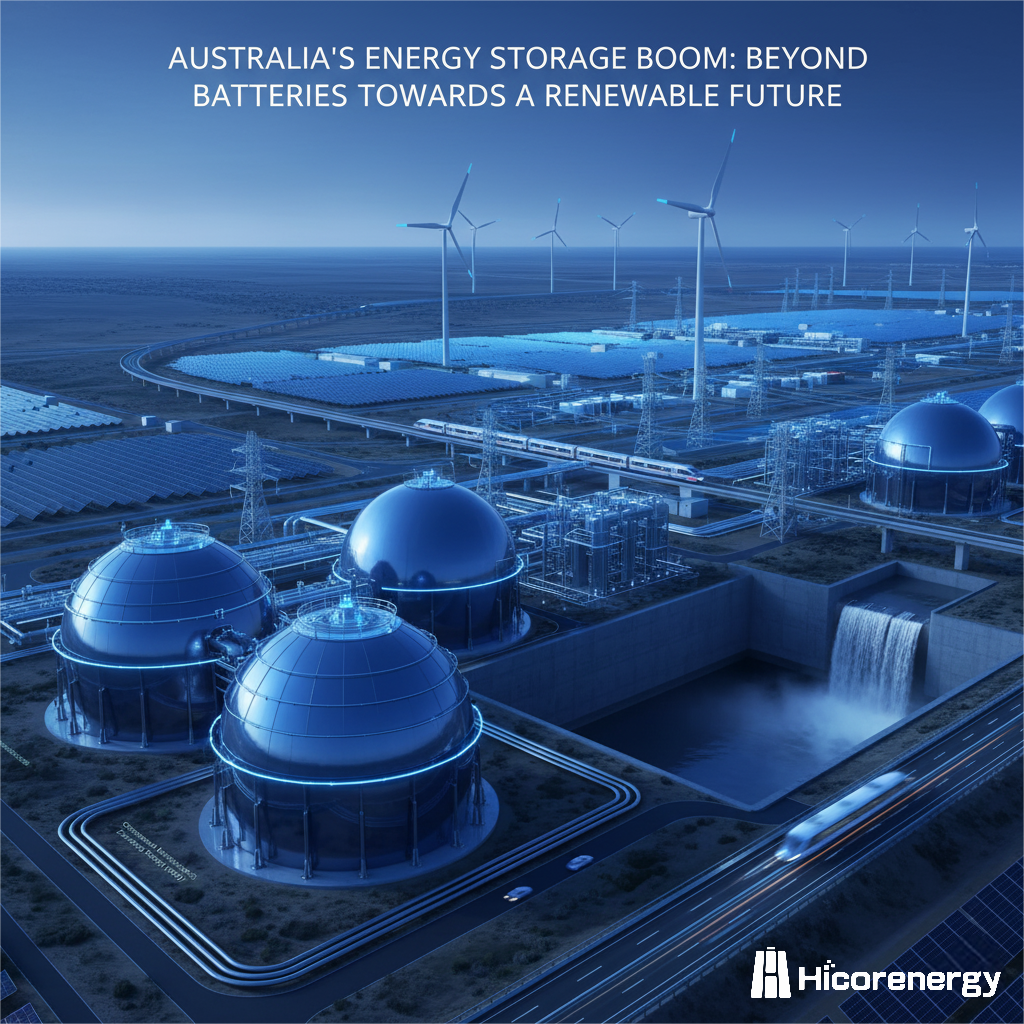
  • Australia’s Energy Storage Boom: Can the Nation Move Beyond Batteries to a Renewable Future?

    Australia’s Energy Storage Boom: Can the Nation Move Beyond Batteries to a Renewable Future?

    Australia is leading the way in energy storage, driven by its abundant renewable resources, supportive policies, and growing consumer demand. From lithium-ion batteries to grid-scale projects, the nation is setting benchmarks in adopting innovative energy storage technologies.

    Australia’s Energy Storage

    More Than Just Lithium: Exploring Diverse Storage Technologies

    When it comes to energy storage technologies, lithium-ion has dominated discussions, but Australia’s renewable future extends far beyond this single solution. Advanced battery chemistries, such as lithium iron phosphate (LiFePO4), are being deployed for safer and longer-lasting applications. Hydrogen storage is gaining attention for its potential in seasonal balancing, while thermal storage systems use heat or cold to stabilize supply. Pumped hydro, a legacy technology, remains vital for long-duration energy storage, and flow batteries are emerging as scalable solutions for large-scale applications. By diversifying technologies, Australia ensures resilience and flexibility, minimizing risks tied to supply chain limitations or performance constraints of any one option. This diversity positions the country as a true global leader in energy storage.

    The Rise of Grid-Scale Power: Pumped Hydro and Large-Scale Batteries

    Australia’s grid-scale storage landscape is rapidly expanding, combining massive pumped hydro projects with large battery installations. Together, they help balance the intermittency of wind and solar, ensuring reliable electricity for households and businesses. This integrated approach demonstrates the nation’s commitment to a renewable future and highlights the need for continued innovation and investment.

    Australia’s Energy Storage

    Powering Homes and Businesses: The Solar Battery Storage Revolution

    At the residential and commercial levels, solar battery storage is transforming how Australians consume energy. Homeowners and businesses are increasingly installing solar systems paired with advanced batteries to cut electricity bills, ensure backup during outages, and reduce reliance on the grid. Companies like Hicorenergy support this revolution with innovative products such as the I-BOX 48100R, a compact yet powerful solar battery storage solution, and the C5°, which offers remote monitoring, high efficiency, and wide temperature tolerance for diverse Australian conditions. For those with limited space, the Si LV1 provides modular scalability and safety-certified designs, while the SHV48100 enables flexible distributed energy storage for buildings and factories. With these solutions, Hicorenergy empowers households and industries alike, making solar battery storage central to Australia’s renewable journey.

    Overcoming Challenges: Integration, Regulation, and the Path Forward

    Despite rapid progress, Australia faces energy storage integration challenges. Technical hurdles include synchronizing diverse storage technologies with the existing grid and ensuring stability during peak demand. Regulatory frameworks also struggle to keep pace with innovation, often slowing deployment. Additionally, the cost of new technologies remains a barrier for widespread adoption. However, solutions are emerging. Clearer policies, investment in local supply chains, and advanced management systems are helping bridge these gaps. By addressing integration and regulation issues, Australia can accelerate its transition while maintaining energy security and affordability.

    The Future of Australian Energy: What’s Next for Storage?

    Looking forward, Australia’s renewable future will hinge on combining short- and long-duration energy storage technologies. Lithium-ion batteries will remain central, but hydrogen, thermal storage, and advanced flow systems are expected to play larger roles. Smart energy management, powered by AI and digital platforms, will enhance efficiency, while decentralized microgrids could deliver localized solutions in remote communities. With global demand for clean energy solutions rising, Australia has the chance to export not only resources but also expertise in grid-scale storage. By continuously investing in innovation and infrastructure, the nation can cement its position as a global leader in energy storage.

    Hicorenergy delivers reliable and cost-effective energy storage solutions, from residential batteries to commercial and industrial systems, enabling a sustainable and renewable future.

    Contact us:

    Email: service@hicorenergy.com

    WhatsApp: +86 181-0666-0961

    Australia’s Energy Storage
  • The Complete Guide to Battery Lifecycle & Recycling for Australian Energy Storage

    The Complete Guide to Battery Lifecycle & Recycling for Australian Energy Storage

    What is the Lifespan of a Solar Battery in Australia?
    In Australia, a solar battery typically lasts 10–15 years, depending on usage, battery chemistry, and maintenance. Lithium-ion batteries remain the most popular for energy storage because of their long lifespan, efficiency, and ability to support second-life applications after their initial residential use.

    Battery Lifecycle;Australia battery recycling

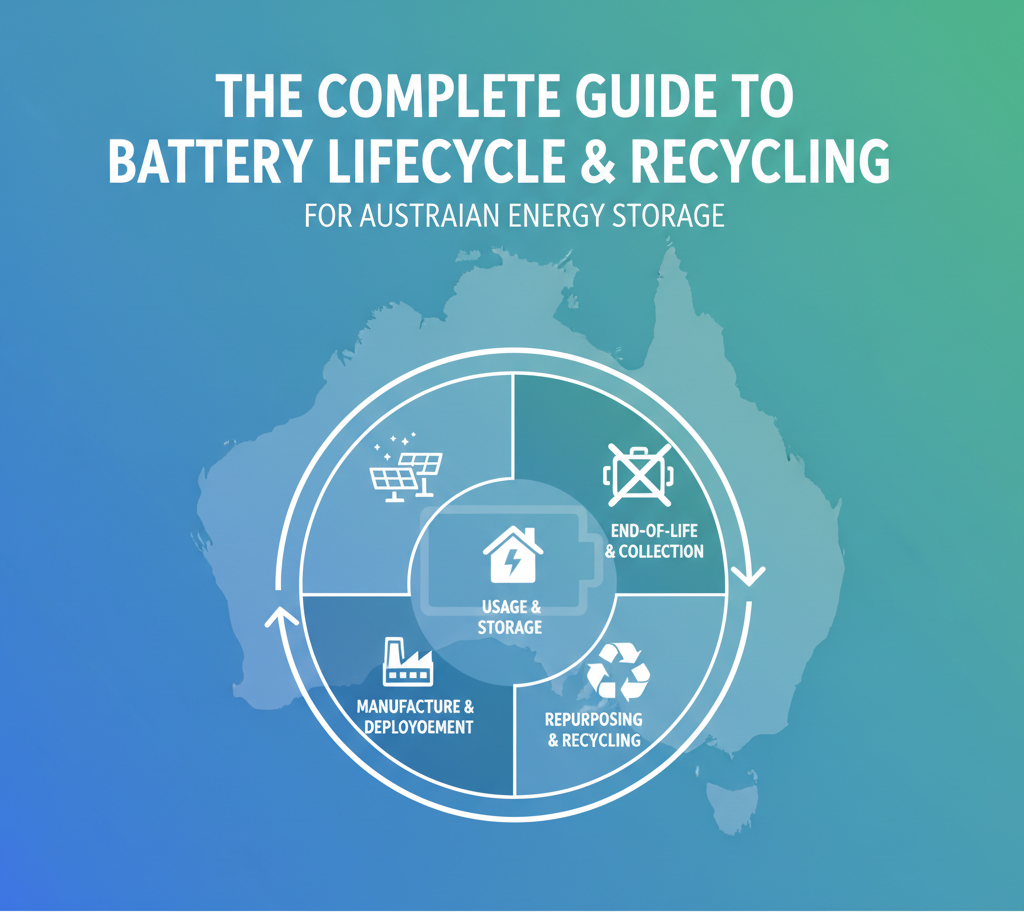
    Stages of a Battery’s Life: From Manufacturing to Second-Life Applications

    A solar battery’s journey begins with raw material extraction, where critical minerals like lithium, cobalt, and nickel are mined and processed. The next stage is manufacturing, where cells are assembled into packs ready for use in Australian energy storage systems. During its active service, a battery stores renewable energy, helping homeowners and businesses reduce reliance on the grid. Once its primary life cycle ends, it enters a “second-life” phase—where used batteries are repurposed for less demanding applications, such as backup storage or community energy projects. This approach extends the battery’s life and reduces environmental waste, offering a complete guide to sustainable energy storage.

    Why Battery Recycling is Critical for Australia’s Sustainable Future

    Battery recycling is more than waste management—it’s a pathway to sustainability. By recycling, Australians can recover valuable materials, reduce mining demand, and limit landfill waste. This ensures the country moves toward a cleaner, greener energy future while supporting the circular economy.

    How to Recycle Solar Batteries: A Step-by-Step Process Explained

    Recycling solar batteries involves several stages designed to recover materials and reduce environmental harm. First, batteries are collected from homes, businesses, and solar installations. Next, they are safely discharged to remove stored energy. They are then dismantled, separating metals, plastics, and chemical compounds. Lithium-ion recycling is particularly important, as it allows the recovery of cobalt, nickel, and lithium for reuse in new batteries. In Australia, specialized recycling facilities use mechanical and chemical processes to ensure materials are reintroduced into manufacturing. For homeowners, working with certified collection points ensures their batteries are responsibly recycled while supporting a sustainable future.

    Battery Lifecycle;Australia battery recycling

    Lithium-Ion vs. Other Chemistries: Comparing Recycling Challenges and Solutions

    Not all solar batteries are created equal when it comes to recycling. Lithium-ion batteries dominate the Australian energy storage market because of their efficiency and longer lifespan. However, lithium-ion recycling is complex, requiring advanced technology to recover metals safely. Lead-acid batteries, by contrast, are easier to recycle, with established processes already in place. Nickel-metal hydride batteries fall somewhere in between but are less common for residential solar. The challenge lies in scaling lithium-ion recycling to meet the growing demand for solar energy storage. By investing in innovative recycling technologies, Australia can strengthen its complete guide to battery lifecycle management.

    Choosing a Sustainable Battery: End-of-Life Considerations for Homeowners

    For Australian homeowners, selecting a sustainable battery isn’t just about today’s energy savings—it’s about planning for the future. End-of-life considerations, such as recycling potential and second-life applications, should play a major role in the decision. Hicorenergy offers advanced lithium-ion energy storage solutions that combine long lifespan performance with strong recycling potential. Products like the Si Station 230 and I-BOX 48100R are designed with sustainability in mind, ensuring that when their first life ends, they can be repurposed or recycled responsibly. Choosing a sustainable battery today helps homeowners secure long-term energy independence while contributing to Australia’s clean energy transition.

    Hicorenergy Solutions

    Hicorenergy provides sustainable lithium-ion energy storage systems designed for long lifespans, second-life applications, and responsible recycling.

    📩 Contact us:

    service@hicorenergy.com | WhatsApp: +86 181-0666-0961

    Battery Lifecycle;Australia battery recycling

  • How to Choose an Energy Storage Supplier: The Ultimate Guide for Homes & Businesses

    How to Choose an Energy Storage Supplier: The Ultimate Guide for Homes & Businesses

    Choosing the right energy storage supplier requires careful evaluation of your energy usage, storing goals, and long-term needs. This ultimate guide explains how to compare battery types, vet suppliers for experience and certifications, and assess warranty, lifespan, and after-sales support before making your final decision.

    Energy Storage Supplier

    Define Your Needs: Assessing Energy Usage and Storing Goals

    Before selecting an energy storage supplier, homeowners and businesses must first assess their energy usage and storing goals. Start by evaluating how much electricity you consume daily, your peak usage times, and whether you want to store energy for backup power, off-grid independence, or to lower energy bills. This clarity helps identify the right system capacity and storage technology for your needs. For businesses, energy resilience and scalability may be priorities, while for homeowners, affordability and integration with solar panels often matter most. By defining your needs early, you ensure that your chosen supplier can deliver tailored energy storage solutions aligned with your long-term goals.

    Understanding Battery Types: Comparing Lithium-ion, Lead-Acid, and New Technologies

    Battery type plays a critical role in your storage system’s performance and value. Lithium-ion batteries are the leading choice due to their longer lifespan, efficiency, and compact design. Lead-acid batteries, while cheaper, require more maintenance and have shorter lifespans. New technologies, like solid-state and flow batteries, are emerging but less widely available. Understanding your options ensures smarter supplier selection.

    Key Criteria for Vetting Suppliers: Experience, Certifications, and Reviews

    When vetting suppliers, experience should be your first checkpoint. Established suppliers with a proven track record in residential and commercial projects offer reliability and peace of mind. Certifications are equally important, demonstrating compliance with Australian and international safety standards. Look for credentials like ISO, IEC, or Clean Energy Council (CEC) approvals. Beyond technical qualifications, customer reviews provide real-world insight into after-sales support, maintenance responsiveness, and overall satisfaction. Reputable suppliers not only deliver quality products but also provide transparent guidance, helping you navigate the ultimate guide to selecting an energy storage partner that fits your needs.

    Energy Storage Supplier

    Beyond the Price Tag: Evaluating Warranty, Lifespan, and Total Value

    Cost alone should never dictate your supplier choice. Instead, focus on total value, which includes warranty coverage, expected battery lifespan, and long-term maintenance support. Lithium-ion systems typically provide warranties of 8–12 years, offering peace of mind for homeowners and businesses. Suppliers who emphasize after-sales support and proactive maintenance services demonstrate commitment to customer success. By evaluating these aspects, you protect your investment, ensuring your energy storage system performs reliably throughout its life. Remember, the lowest upfront cost may not equal the best long-term value.

    Getting Quotes and Making Your Final Decision: A Step-by-Step Checklist

    The final step is obtaining quotes and making an informed decision. Start by requesting detailed proposals from multiple vetted suppliers, ensuring they outline system capacity, battery types, warranty terms, and after-sales support. Compare not only the numbers but also the added services like installation quality and monitoring software. At this stage, Hicorenergy stands out by offering lithium-ion solutions engineered for durability, long lifespan, and sustainable performance. Products like the I-BOX 48100R and Si LV1 deliver reliable energy storage designed for both homes and businesses, helping you meet storing goals with confidence.


    Hicorenergy Solutions

    Hicorenergy delivers certified lithium-ion storage systems with long lifespan, strong warranties, and dedicated after-sales support for Australian homes and businesses.

    📩 Contact us:

    service@hicorenergy.com | WhatsApp: +86 181-0666-0961

    Energy Storage Supplier
  • Solving Australia’s Energy Crisis: Can Battery Storage Modernize the Grid?

    Solving Australia’s Energy Crisis: Can Battery Storage Modernize the Grid?

    Battery storage offers Australia a path to overcome its aging energy infrastructure by stabilizing renewable energy, reducing grid problems, and ensuring reliable power. By integrating advanced grid-scale solutions, the country can address rising energy demands while supporting a sustainable and cost-effective energy future.

    Australia’s Energy

    The Urgent Need: Understanding Australia’s Aging Energy Infrastructure

    Australia’s energy grid faces mounting challenges due to outdated infrastructure, rising electricity demand, and the growing share of renewable energy. Much of the grid was built decades ago and struggles to keep up with modern requirements. Frequent outages, voltage instability, and transmission bottlenecks are clear signs of strain. With the shift toward renewable energy sources such as solar and wind, which are intermittent by nature, grid operators are finding it increasingly difficult to balance supply and demand. This highlights the urgent need for innovative solutions like battery storage to modernize the system and prevent energy crises.

    What is Grid-Scale Battery Storage and How Does It Work?

    Grid-scale battery storage is a technology that allows large amounts of electricity to be stored and dispatched when needed. By charging during periods of surplus renewable generation and discharging during high demand, these systems stabilize the energy grid. They reduce reliance on fossil fuel backup, prevent blackouts, and enable more efficient integration of renewable energy. This flexibility makes battery storage a cornerstone of grid modernization.

    Key Benefits of Battery Storage for Australia’s Grid

    Battery storage provides multiple benefits to Australia’s energy system. It ensures stability of renewable energy by storing excess solar or wind power for later use, reducing curtailment and waste. It also enhances grid reliability by addressing frequency fluctuations and supporting uninterrupted supply during outages.

    Hicorenergy contributes to this transformation with advanced solutions tailored to both residential and commercial needs. Products such as the I-BOX 48100R and Si LV1 deliver long-lasting performance, efficiency above 95%, and over 6,000 cycles of safe operation. For larger-scale needs, the Si Station 186 and Si Station 230 provide modular, scalable solutions for generation plants and distribution grids. These systems are flexible, easy to install, and certified to global standards. Together, they help households, businesses, and utilities achieve energy independence while reducing costs.

    Australia’s Energy

    Beyond the Big Battery: Types of Energy Storage Solutions

    While Australia’s Hornsdale Power Reserve is the most famous example of grid-scale battery storage, there are several types of energy storage that play vital roles. Lithium-ion batteries dominate due to their efficiency, fast response, and scalability. Pumped hydro, another major solution, uses water reservoirs to store energy and release it when required, though it requires significant geographic and environmental considerations. Thermal storage, compressed air, and hydrogen-based systems are also being explored. For commercial battery storage, modular cabinet systems such as Hicorenergy’s SHV48100 allow scalable installations in buildings, factories, and charging stations. A diverse mix of solutions ensures that Australia can meet varying energy demands across regions.

    Real-World Success: Australian Battery Storage Projects in Action

    Australia has already demonstrated the potential of large-scale battery storage. The Hornsdale Power Reserve in South Australia, one of the largest lithium-ion battery systems in the world, has proven critical in reducing costs, preventing blackouts, and stabilizing frequency. Other projects, such as the Victorian Big Battery and the Wandoan South BESS in Queensland, show how investing in battery storage enhances energy security. These projects provide valuable case studies for expanding the role of batteries across the nation. By combining renewable energy projects with storage, Australia is creating a more resilient and sustainable grid.

    The Future of Australia’s Energy: Next Steps for Adoption

    The future of Australia’s energy lies in expanding storage capacity, encouraging investment, and improving policy support. As renewable penetration increases, reliance on flexible storage will only grow. Continued government incentives, partnerships with global technology providers, and innovations in lithium-ion and alternative storage technologies will accelerate adoption. With falling battery costs and proven benefits, commercial and residential sectors alike are turning to storage to reduce costs and ensure resilience. Grid-scale battery storage, combined with diversified technologies like pumped hydro, will be essential to shaping the future of Australian energy.

    Hicorenergy Solutions at a Glance

    Hicorenergy offers safe, scalable, and efficient lithium battery storage systems ranging from residential to commercial and grid-scale applications. With advanced features such as remote monitoring, wide operating temperature ranges, and long service life, these products empower customers worldwide to achieve energy security.


    For more information about how battery storage can transform energy systems, contact Hicorenergy today.
    📧 Email: service@hicorenergy.com
    📱 WhatsApp: +86 181-0666-0961

    Australia’s Energy

  • Understanding Energy Storage in Australia: A Complete Guide for 2025

    Understanding Energy Storage in Australia: A Complete Guide for 2025

    Energy storage in Australia is transforming how households and businesses use power. From reducing electricity bills to supporting a sustainable energy future, battery storage systems offer reliability and independence. This guide explains the importance, benefits, incentives, and product options available in 2025.

    Energy Storage in Australia

    What is Energy Storage and Why is it Crucial for Australia’s Future?

    Energy storage refers to the process of capturing electricity for later use, often through advanced battery technologies. In Australia, energy storage has become essential due to the country’s rapid growth in solar adoption, fluctuating energy prices, and the need for reliable power in both urban and regional areas. By storing excess solar energy generated during the day, households and businesses can reduce reliance on the grid during peak hours, ensuring stable supply and lower costs. Additionally, energy storage supports Australia’s renewable energy transition by stabilizing the grid, cutting carbon emissions, and providing backup power during outages. As extreme weather events and rising electricity demand strain infrastructure, battery storage offers a scalable and sustainable solution for the nation’s energy future.

    The Key Benefits of Installing a Battery Storage System in Australia

    Installing a battery storage system provides multiple advantages: lower electricity bills, energy independence, and reliable backup during blackouts. These systems also enhance solar efficiency by storing excess energy for evening use. For households and businesses alike, battery storage supports both economic savings and a greener, more resilient energy future.

    Government Incentives and Rebates for Energy Storage in Australia

    Government initiatives make energy storage more affordable. Programs such as state-level rebates in Victoria and South Australia offer thousands of dollars in support for homeowners who install battery systems. Some states provide low-interest loans, while others integrate battery rebates with solar PV incentives. On a federal level, small-scale technology certificates (STCs) may indirectly reduce system costs. Furthermore, new schemes are emerging in 2025, aiming to accelerate adoption and grid stability by rewarding customers who contribute stored energy to virtual power plants. For households and businesses, these incentives reduce the upfront investment and increase the return on adopting clean, reliable energy solutions.

    Energy Storage in Australia
    Solar Panels. 3d rendering

    Types of Home Battery Storage Systems in Australia: From Tesla Powerwall to Hicorenergy

    Australia’s energy storage market features a wide range of global and local brands. Popular options include Tesla Powerwall, LG Chem, Sonnen, BYD, and Enphase. Alongside these internationally recognized names, Hicorenergy delivers advanced and reliable solutions designed for diverse Australian conditions.

    Hicorenergy offers products such as the I-BOX 48100R, a long-lasting LiFePO4 battery with ≥6000 cycles, wide inverter compatibility, and flexible installation options. The C5° system includes remote monitoring, higher charge/discharge rates, and reliable operation across broad temperature ranges. For compact setups, the Si LV1 provides plug-and-play installation, scalability up to 30 kWh, and IP55-rated durability for both indoor and outdoor use. These systems complement Australia’s renewable growth by combining safety, efficiency, and affordability. With both international and Hicorenergy’s tailored solutions, households can find storage options suited to their budget, lifestyle, and energy needs.

    How to Choose the Right Battery Storage for Your Home and Budget

    Choosing the right system depends on energy usage patterns, budget, and long-term goals. Capacity is crucial—larger households with higher energy consumption may require expandable systems, while smaller homes can benefit from compact solutions. Safety, warranty, and cycle life should also guide decisions, ensuring durability and return on investment. Compatibility with existing or planned solar systems is another key factor. While premium options like Tesla Powerwall attract attention, cost-effective and flexible solutions from Hicorenergy can offer comparable performance at competitive pricing. Homeowners should also weigh after-sales support, remote monitoring capabilities, and installation requirements to ensure a system that balances affordability with reliability. Consulting with certified installers can further optimize system selection for maximum benefit.

    Hicorenergy Products in Brief

    Hicorenergy delivers safe, long-lasting, and flexible battery storage systems designed for both residential and commercial needs. With advanced LiFePO4 technology and scalable solutions, the company ensures reliable performance worldwide.

    For inquiries, please contact:
    📧 Email: service@hicorenergy.com
    📱 WhatsApp: +86 181-0666-0961

    Energy Storage in Australia
  • How Do Energy Storage Cabinets Improve Solar Power Systems and Reduce Electricity Costs?

    How Do Energy Storage Cabinets Improve Solar Power Systems and Reduce Electricity Costs?

    Energy storage cabinets work with solar panels to store excess electricity, improve energy reliability, and lower utility bills. By enabling households and businesses to use stored power during peak demand, these systems reduce costs, enhance efficiency, and provide backup power in areas with unstable grids.

    Energy Storage Cabinets

    What Are Energy Storage Cabinets and How Do They Work with Solar Panels?

    An energy storage cabinet is a system that integrates lithium battery packs, battery management systems, and safety components into a compact unit. When connected to solar panels, it stores surplus electricity generated during daylight hours. This stored energy can then be used at night or during power outages, ensuring a consistent supply of electricity. Hicorenergy offers advanced lithium battery storage cabinets—including residential battery charging cabinets, fireproof battery cabinets, and commercial battery storage systems—that are compatible with most inverters and scalable for growing needs. By bridging the gap between energy generation and consumption, these cabinets maximize the value of solar power while reducing dependence on the grid.

    Key Advantages of Integrating Energy Storage Cabinets in Solar Power Systems

    Integrating an energy storage cabinet enhances energy independence, reduces electricity bills, and improves system stability. Businesses and households benefit from reliable backup power, flexible installation options, and maintenance-free performance. With compatibility across multiple inverter brands, Hicorenergy’s battery cabinets offer scalable and safe energy storage solutions.

    How Energy Storage Cabinets Help You Save on Electricity Costs

    Energy storage cabinets directly address the challenge of high electricity bills. By storing solar energy when production is highest and releasing it during peak demand hours, users can significantly cut utility costs. For example, Hicorenergy’s I-BOX 48100R and Si LV1 residential systems provide more than 95% round-trip efficiency and up to 6,000 charge cycles, ensuring long-term savings. Businesses can use Hicorenergy’s C&I energy storage solutions, such as the Si Station 230 liquid cooling cabinet, for peak shaving and demand response programs, optimizing energy use and lowering operational costs. Whether for homes or factories, these cabinets turn renewable energy into a reliable and cost-effective power source.

    Energy Storage Cabinets

    Choosing the Right Energy Storage Cabinet for Residential or Commercial Use

    Selecting the right energy storage cabinet depends on application and capacity requirements. For homeowners, compact and flexible systems like Hicorenergy’s Si LV1 and C5° provide easy installation, remote monitoring, and scalability up to 122.88 kWh. These lithium battery storage cabinets are ideal for backup power during outages or reducing grid dependence. For larger-scale needs, Hicorenergy’s SHV48100 cabinet and Si Station series offer robust commercial and industrial solutions. The SHV48100 integrates high-performance LFP cells and supports rapid charging, making it suitable for factories, charging stations, and buildings. With modular expansion, both residential and commercial customers can scale systems as demand grows, ensuring reliable and efficient energy use.

    Maintenance Tips to Maximize Efficiency of Solar Energy Storage Systems

    Proper maintenance extends the life of an energy storage cabinet and ensures consistent performance. Regular inspections of connections, ventilation, and system monitoring are essential. Lithium-ion storage cabinets from Hicorenergy include built-in battery management systems (BMS) with dual MCU protection, ensuring safety and real-time monitoring. Users should keep battery charging cabinets in well-ventilated, fireproof enclosures, and take advantage of Hicorenergy’s remote monitoring and alarm notification features to detect irregularities early. By following these best practices, homeowners and businesses can maximize efficiency and protect their investment for years to come.

    Future Trends: Smart Energy Storage Cabinets and Renewable Energy Integration

    The future of solar energy storage is moving toward smarter, more connected solutions. Smart energy storage cabinets will integrate with renewable energy platforms, enabling intelligent load shifting and virtual power plant participation. Hicorenergy’s solutions already support remote upgrades, real-time data visualization, and automated energy optimization. As demand for sustainable and cost-efficient energy rises, advanced lithium battery storage cabinets with AI-driven energy management will play a central role in reducing grid stress, integrating renewables, and building resilient power systems for households, businesses, and communities.

    Summary of Hicorenergy Products

    Hicorenergy provides reliable residential and commercial energy storage systems, including fireproof battery charging cabinets, lithium-ion battery cabinets, and scalable energy storage solutions designed for safety, efficiency, and long service life.

    For inquiries, please contact:
    Email: service@hicorenergy.com
    WhatsApp: +86 181-0666-0961

    Energy Storage Cabinets
  • Powering Independence: How Will Australia’s 2025 Energy Storage Reforms Benefit Homes and Businesses?

    Powering Independence: How Will Australia’s 2025 Energy Storage Reforms Benefit Homes and Businesses?

    Australia’s 2025 energy storage reforms promise cheaper home batteries, stronger grid independence, and better support for renewable integration. These reforms create new opportunities for households and businesses to cut energy bills, access rebates, and adopt long-duration energy storage, while strengthening Australia’s transition to clean energy.

    Australia energy storage 2025

    2025 Australia Energy Storage Reforms: Simplified Overview

    In 2025, Australia will implement sweeping energy storage reforms aimed at driving adoption of battery energy storage systems (BESS). These reforms include the Cheaper Home Batteries Program, expanded Renewable Energy Zones (REZs), and support for long-duration energy storage to stabilize supply during peak demand. By encouraging investment in residential and commercial storage, the government seeks to reduce reliance on coal, lower electricity costs, and enhance energy independence. The battery storage market in Australia is forecast to grow significantly, with both households and industries gaining incentives for adopting scalable, efficient battery solutions. These measures will ensure storage plays a central role in balancing renewable generation with consumer needs.

    Maximize Your 2025 Solar & Battery Rebate Savings

    With rebates for solar and battery systems at their most generous in 2025, homeowners and businesses stand to save more than ever before. Acting early not only ensures access to subsidies under the Cheaper Home Batteries Program but also secures protection against rising grid costs. The sooner systems are installed, the greater the long-term financial and energy independence benefits.

    Is a Home Battery Worth It in Australia 2025?

    Home batteries are increasingly worthwhile in 2025 thanks to government rebates, falling lithium battery prices, and rising electricity bills. Households can store excess solar energy for evening use, lowering grid reliance and electricity costs. With long-lasting lithium iron phosphate (LiFePO4) batteries, like those used in Hicorenergy’s residential range, Australians benefit from 6,000+ life cycles, high efficiency, and warranties of up to 10 years. These systems offer protection against blackouts while maximizing time-of-use savings. Combined with reforms that support virtual power plants, homeowners can even sell stored power back to the grid, creating new income streams. For families facing unstable supply, batteries have become both a practical and profitable investment.

    Australia energy storage 2025

    Commercial Battery Solutions for Australian Businesses 2025

    For businesses, 2025 reforms expand opportunities to integrate BESS into operations. Factories, office complexes, and commercial facilities can cut peak demand charges, participate in demand response programs, and secure backup power during outages. With energy costs rising, Australian businesses are turning to modular storage systems like Hicorenergy’s Si Station 186 and Si Station 230, offering 186–230kWh capacity with air or liquid cooling options. These scalable solutions are designed for industrial-grade performance, enabling companies to stabilize operations while reducing costs. Furthermore, the reforms encourage commercial participation in Renewable Energy Zones Australia, unlocking new incentives for businesses adopting energy storage. In a competitive market, BESS offers both financial savings and a greener corporate image.

    Guide to Tesla Powerwall & Alternatives in Australia

    The Tesla Powerwall remains popular, but by 2025, more cost-effective and flexible alternatives are widely available. Hicorenergy provides residential and commercial energy storage systems that rival and often exceed Powerwall specifications. The I-BOX 48100R is a compact, scalable home battery with >95% round-trip efficiency, compatibility with major inverters, and up to 20 years of design life. For homeowners with limited space, the Si LV1 offers plug-and-play installation within 15 minutes, scalable up to 122.88kWh, and robust safety certifications. On the commercial side, the Si Station series deliver scalable solutions for businesses and utilities. These alternatives not only match Tesla’s performance but also provide flexible configurations, local delivery support, and advanced monitoring systems tailored to Australia’s energy market needs.

    How Battery Storage Strengthens Australia’s Grid Independence

    Battery storage is central to Australia’s push for grid independence in 2025. By storing surplus solar and wind energy, batteries reduce reliance on fossil fuels and minimize the risk of blackouts. Long-duration energy storage solutions allow renewable energy to be dispatched during cloudy days or peak demand hours, ensuring stability. Virtual power plants, supported by reforms, will see networks of home and business batteries acting as distributed energy resources, easing pressure on the grid. This decentralization enhances resilience against outages, strengthens energy security, and reduces costs. By 2025, battery adoption will not only empower individual users but also serve national energy goals.

    Hicorenergy: Reliable Storage for Homes & Businesses

    Hicorenergy delivers safe, efficient, and scalable lithium battery systems for households and enterprises, supporting Australia’s clean energy future.

    For details, contact:

    Email:service@hicorenergy.com

    WhatsApp: +86 181-0666-0961

    Australia energy storage 2025

  • Top Energy Storage System Manufacturers in 2025: Who Leads the Market?

    Top Energy Storage System Manufacturers in 2025: Who Leads the Market?

    The energy storage market in 2025 is growing fast, driven by demand for clean energy and grid stability. This article highlights key trends, leading manufacturers, regional comparisons, and tips for choosing the right partner in electricity storage.

    Energy Storage System

    Why Energy Storage Systems Matter in 2025: Market Growth and Trends

    The year 2025 is a turning point for electricity storage. Demand for renewable integration and stable power supply continues to rise. Energy storage systems (ESS) are now essential for households, industries, and grids. They no longer serve only as backup. Instead, they are central to storing solar energy and reducing dependence on traditional grids.
    Falling battery costs and strong government incentives support market growth. Solar-plus-storage is expanding quickly, helping customers cut peak demand costs. Modular systems, artificial intelligence, and distributed storage are major trends. These innovations make energy storage more reliable, affordable, and scalable for both developed and emerging markets.

    Top Global Energy Storage Companies in 2025: Who Are the Leaders?

    Competition in the global ESS market is intense. On one hand, established manufacturers are investing heavily in innovation. On the other hand, new players are challenging the market with competitive solutions. Consequently, customers are now focused on proven quality, flexible systems, and local service. The following sections highlight leading companies and explain how customers can choose the right energy storage partner.

    Best Lithium Battery Manufacturers for Solar Energy Storage

    Lithium battery technology dominates the solar energy storage sector in 2025. Companies such as CATL, BYD, LG Energy Solution, Tesla and Hicorenergy lead the way with advanced residential and commercial ESS.
    Hicorenergy stands out with its I-BOX 48100R and Si LV1 systems, offering long life cycles, wide inverter compatibility, and flexible installation options. Its focus on safety, scalability, and remote monitoring makes it a preferred partner for distributors and homeowners in markets from Africa to Europe. Meanwhile, CATL and BYD continue to expand large-scale grid solutions, while Tesla and LG provide integrated home and C&I storage options. These manufacturers are driving the adoption of efficient electricity storage solutions that allow users to store energy from solar panels and reduce reliance on traditional power grids.

    Energy Storage System Manufacturers in the USA, Europe, and Asia: Regional Comparison

    Regional leaders bring unique strengths. In the USA, Tesla and Fluence lead with advanced software and utility-scale projects. In contrast, Europe hosts companies like Sonnen and Northvolt, which focus on recycling and cold-climate performance. In Asia, CATL, BYD, and Hicorenergy dominate through cost advantages and scalable designs.
    Additionally, Hicorenergy operates factories in Shanghai, Shandong, and Vietnam. Furthermore, its offices in Europe and North America ensure faster delivery and stronger local support. As a result, customers benefit from global reach combined with regional service, allowing them to select electricity storage solutions that best match their needs.

    Energy Storage System

    How to Choose the Right Energy Storage Partner: Key Factors to Consider

    Selecting an energy storage manufacturer requires evaluating multiple factors beyond price. Customers should assess product performance, cycle life, safety certifications, and compatibility with existing inverters. After-sales service and local support are equally crucial, as ESS systems require monitoring and occasional maintenance. Scalability is another key factor—modular solutions allow users to expand storage capacity as demand grows. For distributors and installers, supply chain stability and regional stock availability reduce risks of delays. Hicorenergy, for example, supports distributors with local inventory, technical support, and flexible system configurations ranging from small residential batteries to industrial-scale liquid cooling cabinets. The best partner is one that balances cost-effectiveness with proven reliability.

    Future Outlook: What Energy Storage Manufacturers Are Developing Beyond 2025

    Looking forward, the next stage of energy storage will bring solid-state batteries, hybrid systems, and AI-driven grid control. Furthermore, efficiency, safety, and sustainability will remain top priorities. Recycling, in particular, will reduce waste and improve the circular economy. In addition, integration with virtual power plants and smart homes will expand rapidly.
    For emerging markets, cost and durability will remain critical. Conversely, developed regions will prioritize sustainability and intelligence. To address these shifts, Hicorenergy is preparing with modular designs, advanced monitoring, and scalable residential and industrial solutions.

    Hicorenergy’s Product Offering

    Hicorenergy provides residential and C&I energy storage systems featuring long life cycles, safe LFP technology, flexible installation, and remote monitoring, supporting households, businesses, and large-scale projects.

    Contact Information

    For more details, contact:

    Email: service@hicorenergy.com

    WhatsApp: +86 181-0666-0961

    Energy Storage System

  • 6000 Cycle Batteries Explained: How Long Do They Last in Solar Energy Storage?

    6000 Cycle Batteries Explained: How Long Do They Last in Solar Energy Storage?

    A 6000 cycle battery in solar energy storage means the battery can be charged and discharged about 6000 times before its capacity significantly declines. On average, these batteries last 15–20 years, depending on usage, temperature, and depth of discharge, making them one of the most durable choices for home and commercial energy storage.

    6000 cycle battery meaning

    What Does a 6000 Cycle Battery Mean in Energy Storage?

    The term “6000 cycle battery” refers to how many complete charge and discharge cycles a battery can endure before its capacity falls below a useful level. In energy storage systems, one cycle typically equals using the battery’s full capacity once per day. A battery rated at 6000 cycles means it can perform this cycle about 6000 times—often translating into more than 15 years of use. For example, lithium iron phosphate (LiFePO₄) batteries, such as those designed by Hicorenergy, are engineered to maintain high efficiency and stability over these cycles. This makes them a reliable choice for both residential and commercial solar systems where longevity and safety are critical.

    How Long Do 6000 Cycle Batteries Last in Solar Systems?

    When applied in solar systems, a 6000 cycle battery can typically last 15–20 years, depending on daily usage patterns and environmental conditions. This long lifespan ensures a consistent and reliable power supply, which is essential for households and businesses relying on stored solar energy.

    6000 Cycle Battery vs. 4000 Cycle: What’s the Difference?

    The difference between a 6000 cycle and a 4000 cycle battery lies primarily in durability and cost-effectiveness over time. A 4000 cycle battery may last around 10–12 years under standard conditions, while a 6000 cycle battery stretches this lifespan to 15–20 years. This added durability reduces replacement frequency, making the long-term investment more economical. Additionally, a 6000 cycle lithium battery usually maintains higher efficiency and stability across its lifespan, minimizing the risk of sudden performance drops. For users in regions with unstable electricity or heavy reliance on solar storage, the extended cycle life makes a noticeable difference in overall energy security.

    6000 cycle battery meaning

    Benefits of Using 6000 Cycle Lithium Batteries for Home Energy Storage

    6000 cycle lithium batteries offer several key advantages for residential applications. Hicorenergy’s advanced systems, such as the I-BOX 48100R and Si LV1, provide not only long cycle life but also enhanced safety features through self-developed battery management systems (BMS). These solutions ensure stable performance even under high loads, while maintaining efficiency above 95%. Additionally, Hicorenergy products are designed with flexibility in mind—supporting wall-mount, floor-stand, or rack-mounted installations. Their scalability enables homeowners to expand storage capacity as energy demand grows. With warranties up to 10 years and design lives of up to 20 years, these batteries offer peace of mind and consistent performance, making them ideal for long-term solar energy storage.

    Are 6000 Cycle Batteries Worth It for Solar and Off-Grid Applications?

    Yes, 6000 cycle batteries are highly valuable for solar and off-grid applications due to their reliability and cost-effectiveness over time. In off-grid environments, frequent charging and discharging demand robust storage solutions. A 6000 cycle battery reduces the frequency of replacements, lowering long-term operational costs. Moreover, their ability to maintain efficiency under various temperature conditions makes them suitable for diverse climates. For businesses and homeowners in regions with unstable grids, these batteries provide essential backup and energy independence. The higher upfront cost is offset by the longer lifespan and reduced maintenance compared to shorter cycle alternatives.

    Tips to Maximize the Lifespan of Your 6000 Cycle Battery

    To extend the life of a 6000 cycle battery, several best practices should be followed. First, maintain optimal operating temperatures by ensuring batteries are installed in well-ventilated or climate-controlled environments. Second, avoid deep discharges whenever possible—keeping usage around 80–90% depth of discharge helps maintain capacity longer. Regular monitoring through smart systems, such as Hicorenergy’s remote monitoring platforms, ensures early detection of potential issues. Finally, follow manufacturer recommendations for charging and discharging rates, as overloading can shorten lifespan. By implementing these measures, users can maximize the efficiency and durability of their solar energy storage systems.

    Hicorenergy Solutions at a Glance

    Hicorenergy provides advanced lithium energy storage systems featuring ≥6000 cycles, >95% efficiency, and design lives of up to 20 years. These solutions are scalable, safe, and suitable for both residential and commercial applications.

    For inquiries, contact Hicorenergy at:
    📧 Email: service@hicorenergy.com
    📱 WhatsApp: +86 181-0666-0961

    6000 cycle battery meaning
  • Stacked vs. Traditional Energy Storage: Which System Is Right for You?

    Stacked vs. Traditional Energy Storage: Which System Is Right for You?

    The choice between stacked and traditional energy storage systems depends on factors such as installation space, budget, and scalability needs. For households, businesses, and distributors, understanding the key differences is essential for making an informed investment in reliable, long-term energy solutions.

    stacked energy;Traditional Energy Storage

    What Is Stacked Energy Storage and How Does It Work?

    Stacked energy storage uses a modular design where individual battery units are physically stacked to expand capacity and power. This plug-and-play structure allows users to scale energy storage according to demand, whether for residential backup power or large commercial projects. Each module includes built-in protections and smart monitoring systems, ensuring safe, efficient, and flexible operation. For instance, Hicorenergy’s Si LV1 delivers up to 30.72 kWh per stack and can extend to 122.88 kWh, making it a powerful yet adaptable option for diverse applications.

    Understanding Traditional Energy Storage Systems

    Traditional systems usually come in cabinet or rack-mounted forms. They integrate multiple battery packs into a central housing and often require more complex wiring along with professional installation. Although less flexible than stacked units, they remain widely used for factories, buildings, and large-scale distributed energy storage because of their robust design and scalability.

    Key Differences Between Stacked and Traditional Battery Storage

    The main difference lies in system architecture. Stacked energy storage relies on modular units that can be added or removed easily, while traditional systems group batteries into fixed cabinets or racks. Stacked units provide faster installation, smaller footprints, and easier expansion, making them ideal for residential or small commercial projects. In contrast, traditional systems handle larger loads, integrate smoothly into industrial environments, and often support centralized monitoring. Choosing between the two depends on project size, available space, and flexibility requirements.

    Advantages of Stacked Energy Storage for Homes and Businesses

    Stacked systems are lightweight, compact, and highly adaptable. Homeowners benefit from easy installation, often completed in under 30 minutes, and flexibility in mounting options (wall, floor, or rack). For businesses, the modular nature supports gradual investment and scaling as energy needs grow. Hicorenergy’s Si LV1 combines plug-and-play installation, strong safety features (UL9540A tested), and powerful output up to 25.6 kW surge, ensuring reliability even during peak demand. Its outdoor-rated enclosure (IP55) makes it suitable for both indoor and outdoor use. For residential customers, the I-BOX 48100R provides >95% efficiency, over 6,000 cycles, and broad inverter compatibility—ideal for backup or solar self-consumption.

    stacked energy;Traditional Energy Storage

    When to Choose Traditional Energy Storage Solutions

    Traditional systems remain the go-to choice for industrial facilities, apartment buildings, and utility-scale projects. Their structured cabinet design allows integration into existing power infrastructures with higher voltage requirements. Hicorenergy’s SHV48100 and Si Station series provide cycle lives exceeding 6,000, fast charging capability, and expansion up to hundreds of kilowatt-hours. These solutions are especially suited for peak shaving, emergency backup, and grid-support functions in factories, charging stations, or large renewable installations.

    Stacked or Traditional: Which Energy Storage System Fits Your Needs Best?

    For homeowners and small businesses, stacked systems offer simplicity, safety, and cost efficiency. They are best when space is limited and energy needs may grow over time. On the other hand, traditional cabinet-based solutions are more appropriate for large-scale projects where centralized, high-capacity storage is required. The choice comes down to balancing flexibility, installation requirements, and long-term scalability with operational demands.

    Hicorenergy Energy Storage Solutions

    Hicorenergy delivers advanced lithium battery systems designed for households, businesses, and large-scale facilities, combining long-lasting performance, safety, and flexible scalability.

    To learn more about which system best fits your energy needs, visit hicorenergy.com or contact us directly:
    Email: service@hicorenergy.com
    WhatsApp: +86 181-0666-0961

    stacked energy;Traditional Energy Storage

  • Top Industrial Energy Storage Solutions in 2025: How Can You Maximize Efficiency and Lower Operational Costs?

    Top Industrial Energy Storage Solutions in 2025: How Can You Maximize Efficiency and Lower Operational Costs?

    As global demand for electric power grows and energy prices fluctuate, industrial sectors are under pressure to optimize efficiency and cut operational expenses. In 2025, the shift toward clean energy, green power, and battery storage solutions is not just a trend—it’s a business necessity. Industrial energy storage solutions have evolved into a critical tool for improving performance, lowering electricity bills, and supporting sustainability commitments.

    In 2025, leading industrial energy storage solutions combine advanced battery technologies, scalability, and seamless integration with renewable energy systems to deliver cost-effective and efficient electric power management.

    The rise of Industrial energy storage solutions helps industries improve grid independence and manage peak demand more effectively. By storing renewable energy generated from sources like solar and wind, businesses reduce their reliance on the grid and benefit from significant power saving. These systems are essential for energy conservation and achieving new energy efficiency targets.

    High-performance Industrial energy storage solutions also enables frequency regulation, grid stability services, and load balancing—further reinforcing industrial resilience in an increasingly electrified economy.

    Industrial energy storage solutions

    Best Battery Technologies for Industrial Use in 2025: From Lithium-Ion to Flow Batteries

    In 2025, lithium-ion batteries remain dominant in the Industrial energy storage solutions market due to their high energy density, scalability, and long lifespan. Modular battery pack designs make them ideal for data centers, factories, and distribution hubs. Lithium iron phosphate (LiFePO₄) variants, in particular, are favored for safety and thermal stability.

    Meanwhile, flow batteries are gaining ground for large-scale applications. These Industrial energy storage solutions use liquid electrolytes to store energy, offering long-duration storage and near-unlimited cycling capacity. They’re especially useful for facilities requiring extended discharge times and round-the-clock clean energy backup.

    Hybrid systems, which combine battery backup with thermal or mechanical storage technologies, are also emerging—offering tailored solutions that balance energy saving and performance across diverse industrial use cases.

    Top Industrial energy storage solutions Providers to Watch in 2025

    Several companies are leading innovation in the Industrial energy storage solutions space. Tesla’s Megapack, Fluence’s Gridstack, and Sungrow’s PowerTitan are notable examples. Each offers integrated software platforms and modular configurations suitable for industrial-grade renewable energy deployment.

    A standout in 2025 is Hicorenergy’s Si Station 186, a next-generation lithium battery system engineered for industrial-scale installations. Designed with ease of installation in mind, the Si Station 186 supports rapid deployment in diverse operating environments. Its robust compatibility with mainstream inverters and BMS platforms ensures seamless integration into existing infrastructures.

    With a compact battery pack architecture and expandable capacity, Si Station 186 delivers on both clean energy performance and cost-efficiency—making it an ideal choice for factories, logistics parks, and energy-intensive commercial campuses in industrial energy storage solutions space.

    Industrial energy storage solutions

    Key Factors to Consider When Choosing an Industrial energy storage solution

    When selecting an industrial battery storage solution, businesses must evaluate more than just capacity. Key considerations include:

    • Energy density and discharge duration
    • System scalability and modularity
    • Integration with renewable energy sources
    • Safety and thermal management features
    • Installation complexity and maintenance requirements
    • Support for energy conservation and grid participation (e.g., demand response programs)

    A well-matched Industrial energy storage solution should align with both operational demands and long-term power saving goals. Choosing a provider like Hicorenergy, with proven reliability and technical support, helps ensure uninterrupted energy service and strong ROI.

    Case Studies: How Energy Storage Cuts Operational Costs in Factories and Data Centers

    Many factories and data centers have adopted battery energy storage systems (BESS) to stabilize costs and reduce peak load charges. For instance, a North American automotive parts manufacturer reported a 27% reduction in monthly energy bills after installing a 2.5 MWh lithium-ion battery pack.

    In another case, a Tier III data center utilized industrial battery backup to support redundant power and participate in local utility demand response programs. The result: improved uptime, power saving during high-tariff periods, and additional revenue from energy market participation.

    These real-world applications highlight how renewable energy integration, paired with intelligent battery storage, drives both energy saving and green energy transition.

    Industrial energy storage solutions

    The Role of Industrial Storage in Supporting Renewable Energy and ESG Goals

    Industrial energy storage solution plays a crucial role in enabling companies to meet ESG (Environmental, Social, and Governance) targets. By storing solar or wind energy for later use, businesses reduce their reliance on fossil fuels and actively participate in the green power transition.

    Industrial energy storage solutions also help improve energy resilience—minimizing downtime during grid failures while ensuring compliance with sustainability mandates. As more organizations commit to carbon neutrality, energy storage becomes central to clean energy strategies, new energy investment planning, and overall energy conservation efforts.

    This shift aligns with investor and consumer demand for green energy solutions and reflects the broader movement toward an electrified, efficient, and environmentally responsible industrial sector.

    Explore the best industrial battery solutions for your facility—contact us to start saving energy today.

    Industrial energy storage solutions

en_USEnglish