Author: Killian

  • Australia’s Energy Storage Policies in 2025: What Should Homeowners and Businesses Expect?

    Australia’s Energy Storage Policies in 2025: What Should Homeowners and Businesses Expect?

    Australia is entering 2025 with a renewed commitment to clean energy, backed by updated national and state-level energy storage policies. For homeowners and businesses, these changes are not just about reducing electricity bills—they are reshaping the way energy is produced, stored, and consumed. With stronger rebates, targeted programs, and investment in large-scale projects, energy storage has become central to Australia’s path toward grid stability and decarbonization.

    Australia’s 2025 Energy Storage Policies: Affordable Batteries for Home and Business
    Australia’s energy storage policies in 2025 focus on making batteries more affordable through federal and state rebates, ensuring both households and businesses can access reliable, cost-effective storage solutions.

    Federal and state rebates are playing a crucial role in driving adoption of residential and commercial battery storage. Programs such as the Cheaper Home Batteries Program are designed to lower upfront costs, while incentives tied to rooftop solar integration are helping to accelerate uptake. These initiatives directly support both households looking for backup power and businesses managing energy costs in a volatile market.

    Australia’s energy storage future looks promising—let’s dive deeper.

    What Is the Cheaper Home Batteries Program and Who Qualifies?

    The Cheaper Home Batteries Program is among the most significant policy initiatives shaping 2025. It directly answers the question many households ask: What is the Cheaper Home Batteries Program? This scheme provides subsidies for homeowners who install approved battery storage systems alongside or after rooftop solar panels. The aim is to reduce upfront costs, making batteries more accessible to middle-income households.

    Eligibility typically requires homeowners to use accredited installers and approved battery products listed under the Small-scale Renewable Energy Scheme (SRES). Systems must meet Australian standards for safety and performance. By providing financial relief at the point of purchase, the program encourages thousands of households to adopt long-lasting, efficient solutions, addressing one of the key pain points—high initial cost. Importantly, the program does not just benefit homeowners; it also stimulates demand for certified products, driving confidence in the market.

    How Federal and State Incentives Reduce the Cost of Battery Storage

    In 2025, battery storage incentives in Australia are more coordinated between federal and state governments than in past years. Federal and State Battery Rebates offer substantial financial support to both residential and business customers. These rebates can cover up to 50% of installation costs in some states, while the federal government complements them with tax credits and subsidies.

    Homeowners benefit from rooftop solar and battery storage incentives that lower grid dependence, while businesses gain from accelerated depreciation schemes and grants targeting commercial and industrial storage. The combination of national and local incentives significantly narrows the gap between traditional power reliance and investment in renewable alternatives. By aligning federal and state policies, Australia ensures consistent adoption across different regions, making storage not only more affordable but also more appealing as a long-term investment.

    Large-Scale Battery Projects & Grid Resilience: What’s Changing?

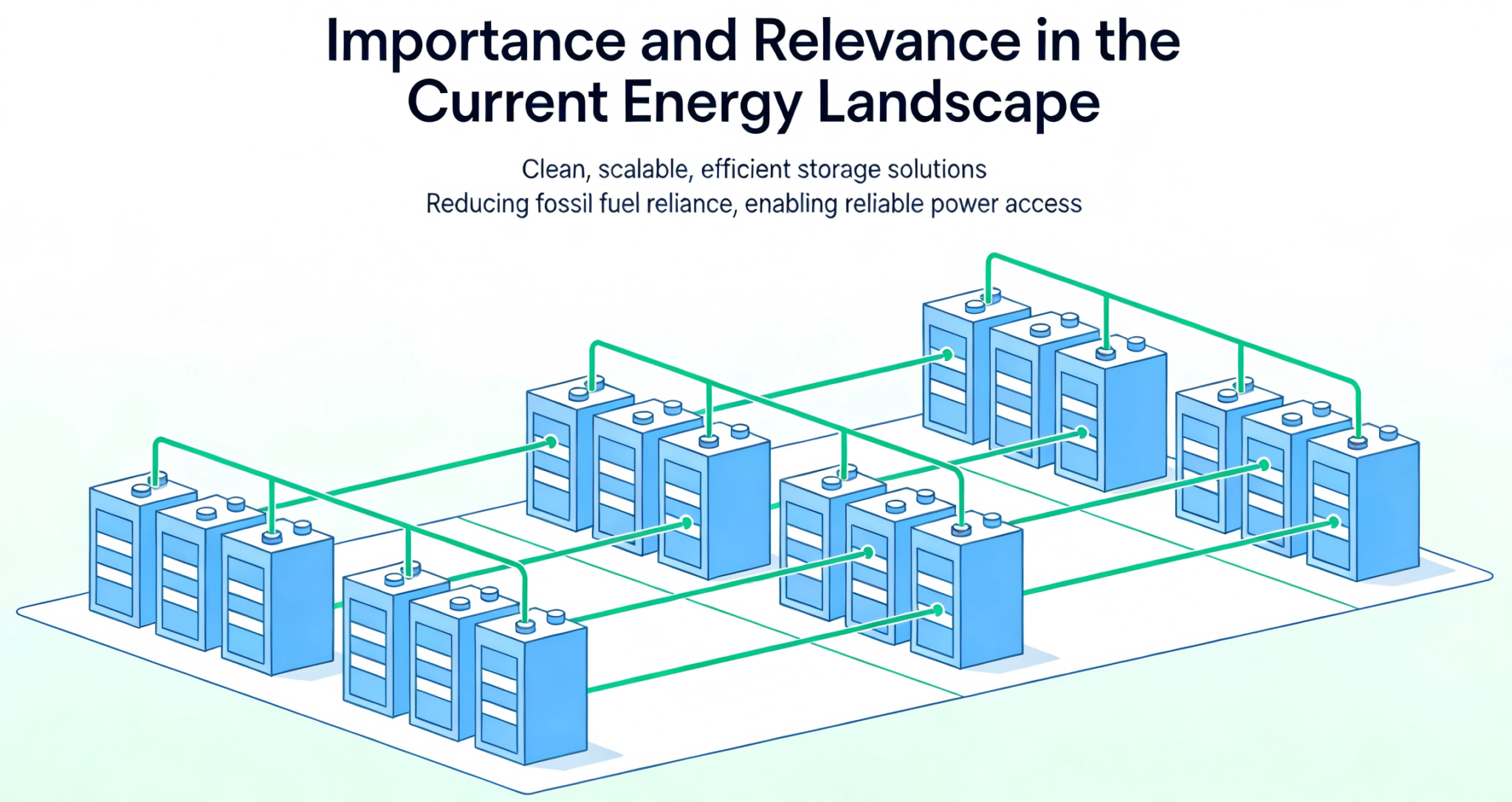
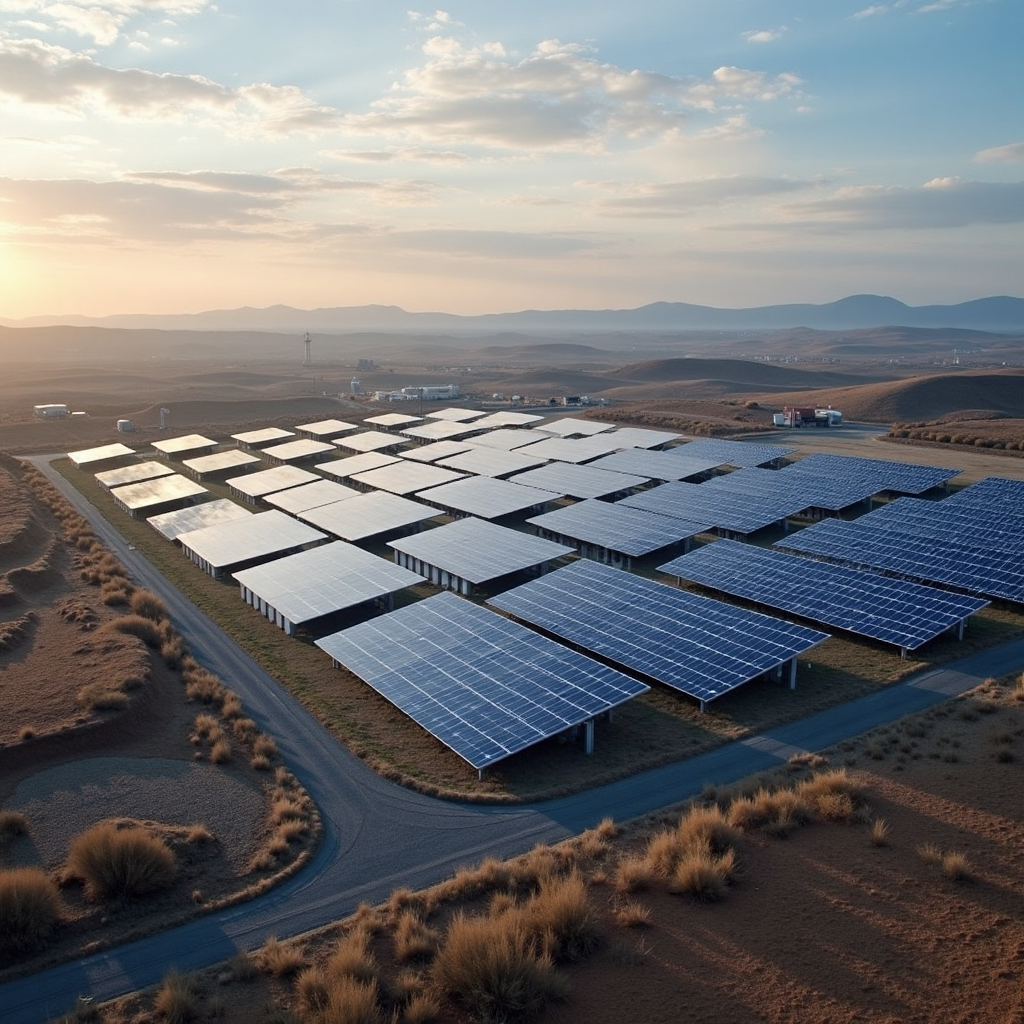
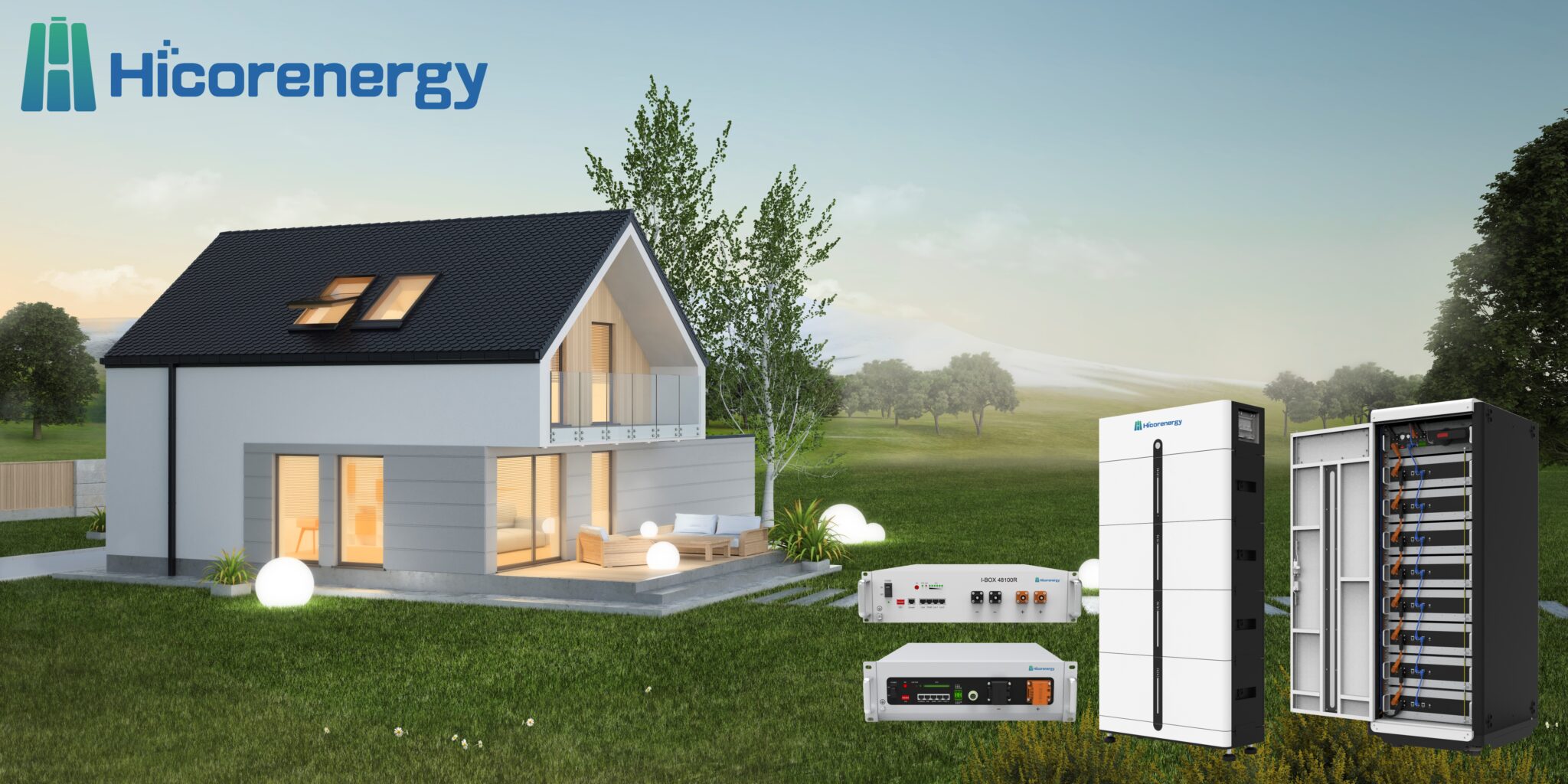
    Australia is also investing heavily in large-scale battery projects in 2025, marking a major shift in its energy strategy. These projects are not limited to supporting renewable integration—they are designed to enhance grid resilience through storage. Massive systems, often located near Renewable Energy Zones (REZs), provide stability during peak demand, reduce reliance on fossil-fuel peakers, and support transmission networks.
    Energy Storage

    Grid-scale storage also plays a role in reducing wholesale energy volatility, benefiting businesses and consumers alike. By ensuring that energy generated from solar and wind farms is stored and released strategically, these projects improve reliability and affordability. The government’s regulatory support and partnerships with private investors mean that large-scale storage is no longer an experiment but a mainstream tool in Australia’s energy mix.

    What Businesses Need to Know: Policy Support and Financial Impacts

    For businesses, energy storage policies for 2025 in Australia bring both opportunities and responsibilities. Policy frameworks now include targeted subsidies, low-interest financing, and grants to encourage commercial and industrial battery installations. Businesses that invest in battery storage can reduce peak demand charges, participate in demand response markets, and even sell excess power back to the grid.

    At the same time, compliance is becoming more stringent. New regulations require businesses to adopt certified systems, follow grid-interactive standards, and engage with local authorities to ensure safety and reliability. While upfront costs remain significant, the long-term financial impacts are positive, particularly with Australian battery rebates reducing investment risks. Companies that adopt early stand to gain competitive advantages, both in terms of cost control and sustainability credentials.

    Looking Ahead: Long-Duration Storage, REZs, and Regulatory Trends

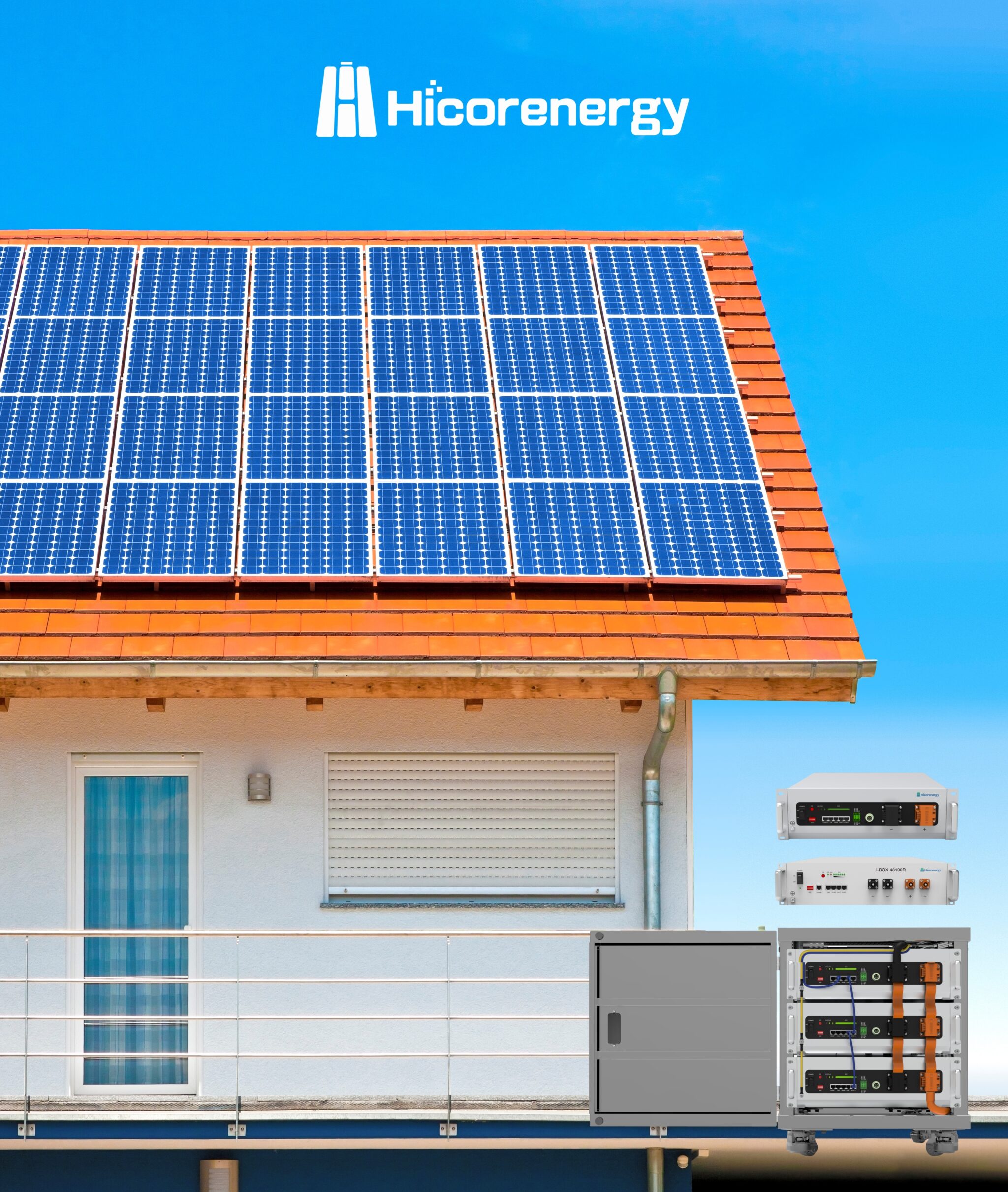
    The next frontier in Australia energy storage policies 2025 lies in Long-duration Energy Storage (LDES) and the expansion of Renewable Energy Zones (REZs). Policymakers are pushing for greater investment in technologies that can store energy for eight to twelve hours or longer, ensuring that renewables can supply power reliably even during extended low-generation periods.
    Energy Storage

    REZs are central to this future. By clustering generation, transmission, and storage infrastructure, REZs create efficient, scalable hubs that attract investment and reduce costs. The regulatory landscape is also evolving, with frameworks encouraging market participation from both households and businesses while setting clear safety and performance standards. Together, these trends signal a long-term commitment to making Australia’s grid not only cleaner but also more resilient and adaptable.

    Conclusion

    Australia’s 2025 energy storage policies represent a turning point for both households and businesses. With rebates, incentives, and large-scale projects driving adoption, storage is no longer a luxury but an essential part of the energy system. Programs like the Cheaper Home Batteries Program make residential systems more accessible, while businesses benefit from financial incentives and regulatory support.

    As the market shifts toward long-duration storage and Renewable Energy Zones, opportunities will continue to grow. For homeowners, businesses, and distributors alike, now is the time to act. To explore advanced solutions such as residential and commercial storage systems, contact Hicorenergy, a global provider of safe, reliable, and scalable energy storage solutions.

    Contact Us Today:
    Email: service@hicorenergy.com
    WhatsApp: +86 181-0666-0961

  • How Can Stacked Energy Storage Battery Solutions Transform Off-Grid and Hybrid Energy Systems?

    How Can Stacked Energy Storage Battery Solutions Transform Off-Grid and Hybrid Energy Systems?

    In a world where energy demands keep rising, remote areas and hybrid projects need solutions that are both flexible and reliable. Stacked energy storage battery systems offer a way to ensure continuous, high-quality power supply. They use advanced lithium-ion technology, modular scalability, and intelligent control to support energy independence. These systems also integrate seamlessly with solar and other renewable sources.

    How Stacked Energy Storage Batteries Power Off-Grid and Hybrid Energy Systems Efficiently
    Stacked battery systems store renewable energy in modular units. They deliver scalable, reliable, and cost-effective power for off-grid and hybrid applications.

    Compared with conventional battery banks, stacked systems offer better scalability and safer operation. Their modular designs make capacity expansion simple. Advanced battery management ensures strong performance and long life in challenging conditions.

    Stacked Energy Storage Batteries

    These benefits highlight why stacked batteries are shaping the future of renewable energy storage.

    What Is a Stacked Energy Storage Battery System?

    A stacked energy storage battery system links multiple modules in a vertical or horizontal arrangement. Each module includes lithium iron phosphate (LFP) cells, a battery management system, and built-in safety features. Hicorenergy’s Si LV1 offers quick plug-and-play installation. Capacity can scale from small residential setups to commercial arrays above 120 kWh.
    The modular stacked battery design lets users start small and expand over time. This is ideal for households, businesses, and utilities facing changing power needs or infrastructure limits.

    Why Stacked Batteries Are Ideal for Off-Grid Energy Independence

    For off-grid sites, energy independence is vital. Stacked lithium battery systems for off-grid homes offer over 6,000 cycles, high efficiency, and low maintenance. They last longer than lead-acid batteries, which degrade quickly.
    These systems pair well with solar PV, storing excess daytime power for night use or cloudy periods. High safety ratings, weather-resistant enclosures, and wide operating temperature ranges make them reliable in many climates.

    Integrating Stacked Battery Solutions into Hybrid Power Systems

    Hybrid systems combine renewable generation with grid or generator backup. Stacked batteries integrate smoothly, storing excess renewable power and reducing fuel generator use. Hicorenergy’s SHV48100 supports peak shaving, emergency backup, and time-of-use optimization. Capacity upgrades require minimal downtime.
    Hybrid solar battery storage solutions can be monitored remotely. Operators can track performance, adjust charge cycles, and detect faults in real time. This reduces costs and improves reliability.

    Advantages Over Conventional Energy Storage Technologies

    Stacked systems offer several clear advantages:

    • Scalability: Expand capacity module by module without replacing the entire system.
    • Space Efficiency: Vertical stacking reduces footprint, perfect for small areas.
    • Safety: LFP chemistry and integrated protections lower fire risk.
    • Longevity: Long cycle life and high efficiency mean better returns.
    • Flexibility: Works for off-grid energy storage and hybrid setups in many industries.
      Upgrades are easier since expansion needs little rewiring. This reduces installation time and cost.

    Real-World Applications: From Remote Homes to Commercial Sites

    Stacked battery systems serve many uses:

    • Remote Homes: Provide full energy independence in rural areas without grid access.
    • Commercial Sites: Support peak shaving and backup, cutting energy costs.
    • Telecom Towers: Supply stable, low-maintenance backup in isolated locations.
    • Agriculture: Power irrigation, refrigeration, and processing in off-grid farms.
    • Community Microgrids: Offer shared, scalable storage for villages and islands.
      The modular design and smart monitoring deliver dependable power and easier maintenance in all these cases.

    Conclusion

    Stacked energy storage battery systems represent a new stage in renewable energy storage. They offer unmatched scalability, safety, and flexibility for off-grid and hybrid uses. From homes to large commercial projects, these solutions support true energy independence while maximizing renewable power use.
    Hicorenergy provides modular lithium battery systems designed for long-term reliability. Their expertise ensures customers get dependable, future-ready solutions with strong support. Contact Hicorenergy to learn how stacked energy storage can reshape your energy strategy.

    Contact Us Today:
    Email: service@hicorenergy.com
    WhatsApp: +86 181-0666-0961

  • What Is a Stacked Energy Storage Battery and How Does It Work?

    What Is a Stacked Energy Storage Battery and How Does It Work?

    In renewable energy, storage technology is essential for stable and efficient power supply. A stacked energy storage battery is gaining attention for both homes and businesses. It offers high-density energy storage in a scalable, space-saving form. This makes it a dependable and flexible way to store energy for later use.

    A stacked energy storage battery is a system where battery modules are stacked to expand capacity, increase energy density, and ensure efficient renewable energy storage for homes or businesses.

    Compared with modular battery storage, stacked battery systems pack more energy into less space. They suit areas with limited room. Modular systems offer more flexible configurations. The better choice depends on budget, space, and energy needs.

    Stacked energy storage battery

    Read on to explore how these systems work.

    Definition: What Is a Stacked Energy Storage Battery?

    A stacked energy storage battery uses multiple modules—often lithium-based—arranged in layers to boost capacity and power output. Users can increase capacity by adding modules without replacing the whole system. This design works for home backup power and large-scale commercial renewable energy storage. Hicorenergy’s Si LV1, for example, uses safe LFP cells, advanced battery management, and quick connectors for easy setup. High energy density allows more storage in less space. The rugged design supports both indoor and outdoor installations.

    Core Components and Design of Stacked Battery Systems

    A stacked lithium battery system has several key parts. These include LFP cells for long life and safety, a battery management system (BMS) for monitoring, and a frame for stacking. Hicorenergy systems add DC breakers, fuses, and weatherproof enclosures up to IP55. Quick connectors make installation fast—often in 15 minutes. The system can grow from 10.24 kWh to more than 100 kWh. This flexibility meets the needs of both households and large facilities.

    Product Example: Hicorenergy SI LV1

    A representative example of advanced stacked storage design is Hicorenergy’s SI LV1 , developed for scalable residential and light-commercial applications. Each module uses Grade-A LiFePO₄ cells known for strong thermal stability and long lifespan, supporting over 6,000 cycles at 80% depth of discharge. The system operates on a 48V low-voltage architecture, improving safety and compatibility with mainstream hybrid and off-grid inverters.

    Its plug-and-play stacked structure allows users to expand capacity without complex rewiring. An integrated smart BMS provides multi-level protection against overcharge, over-discharge, short circuit, and temperature extremes. The natural cooling design eliminates the need for internal fans, reducing noise and maintenance requirements while increasing reliability. With modular capacities starting around 5 kWh per unit and scalable beyond 30.72 kWh or more, the system suits home backup, solar self-consumption, and small commercial peak-shaving. An LCD display and remote monitoring platform offer real-time visibility of SOC, voltage, and system status, ensuring full operational control.

    In addition, Hicorenergy systems integrate DC breakers, fuses, and weather-resistant enclosures (up to IP55). Quick connectors enable fast installation—often within 15 minutes—making deployment efficient for installers and end users alike.

    How Energy Flows in a Stacked Energy Storage Setup

    In a stacked battery for solar energy, power flows from solar panels or other sources into the battery modules. The BMS controls charging and protects the cells from damage. When power is needed, energy moves from the modules to the inverter. The inverter converts DC power to AC for use in buildings. Many systems can also charge from the grid during off-peak hours. This helps reduce costs. Hicorenergy models include remote monitoring, real-time data displays, and automatic updates.

    Key Benefits of Stacked Batteries for Home and Commercial Use

    Stacked battery systems provide several important advantages:

    • Scalability – Capacity can grow gradually, reducing upfront investment.
    • Space efficiency – High energy density suits compact installation areas.
    • Cost effectiveness – Expansion without system replacement lowers long-term cost.
    • Wide inverter compatibility – Simplifies integration into existing systems.

    For homes, stacked batteries provide backup power, increase solar self-consumption, and reduce dependence on the grid. In commercial environments, they enable peak shaving, demand response participation, and better utilization of renewable energy. Many systems deliver over 6,000 cycles and round-trip efficiency above 95%, making them a strong long-term investment.

    Stacked energy storage battery

    Popular Applications and Future Trends in Stacked Energy Storage

    Residential stacked battery storage is popular where power is unreliable or electricity costs are high. It can keep lights and appliances running during outages and maximize solar energy use. In commercial settings, stacked energy solutions support factories, apartments, and power plants. They help manage costs and improve energy security. Future systems will store more energy in less space, work better in extreme temperatures, and include AI for predictive maintenance. Stacked systems will also integrate more easily with smart grids and virtual power plants.

    Conclusion

    Stacked energy storage batteries are an effective, adaptable choice for reliable power storage. They combine scalable design, safety, and compatibility with renewable systems. They meet the growing demand for sustainable energy solutions. For expert advice and high-quality products, Hicorenergy provides both residential and commercial stacked energy options to ensure lasting energy security.

    Contact Us Today:
    Email: service@hicorenergy.com
    WhatsApp: +86 181-0666-0961

    stacked energy

  • Capacity Calculation Formula: How Do You Size Lithium Systems Based on Energy Loads?

    Capacity Calculation Formula: How Do You Size Lithium Systems Based on Energy Loads?

    Lithium battery energy storage systems are essential in ensuring energy security, cost savings, and sustainability—especially in regions with unstable power grids or where independence from the grid is a priority. Whether for residential homes or commercial facilities, one of the most critical steps in system design is correctly sizing the battery capacity based on actual energy loads. This article explores how to accurately calculate lithium battery capacity, why it matters, and common pitfalls to avoid.

    How Do You Calculate the Right Capacity for a Lithium Battery Storage System?
    To size a lithium battery, multiply your daily energy load (kWh) by the number of autonomy days, then divide by battery efficiency and depth of discharge.

    Right-sizing lithium batteries for residential and commercial applications begins with understanding your energy consumption. Start by analyzing your average daily energy use, typically measured in kilowatt-hours (kWh). From there, determine how many “days of autonomy” your battery should support during periods without solar input (like cloudy days or outages). Divide this total by the battery’s usable capacity, which depends on its depth of discharge (DoD) and efficiency. For example, a lithium battery with 90% DoD and 95% round-trip efficiency yields more usable energy than traditional lead-acid batteries. Finally, always include a safety margin—typically 10-20%—to cover unexpected loads or aging performance.

    Keep reading to learn how accurate sizing can save money and improve performance.

    Why Accurate Battery Sizing Matters in Energy Storage Systems

    Proper battery system sizing is fundamental to the success of any energy storage project. Undersized systems may not meet load demands, leading to frequent blackouts or battery degradation due to deep discharges. On the other hand, oversized systems increase upfront costs unnecessarily and can reduce return on investment.

    Lithium battery

    Accurate lithium battery capacity calculation ensures optimal use of the battery, maximizes performance, and prolongs the system’s lifespan. For residential applications, right-sizing helps avoid overpaying for unused capacity. In commercial settings, it guarantees reliability during peak demands and supports functions like peak shaving, demand response, and virtual power plant integration. Battery system sizing must balance load requirements, autonomy goals, and budget—delivering an energy storage system design that’s both cost-effective and resilient.

    Key Inputs for Sizing: Load Profiles, Usage Patterns, and Autonomy Days

    Battery sizing isn’t just a formula—it starts with data. The first and most important input is the load profile. This includes identifying appliances, machinery, or devices that will draw power from the battery system, along with their energy consumption patterns. Residential users might calculate daily loads from lighting, refrigeration, and air conditioning, while industrial users must consider motors, compressors, and production equipment.

    The second key factor is usage patterns. Are energy demands constant, or do they peak during certain hours? Will the battery be charged by solar panels, and if so, how consistent is solar availability?

    Thirdly, define your days of autonomy—how long should the battery last without recharge? Off-grid lithium battery sizing typically uses 1 to 3 autonomy days, depending on location and weather conditions. By combining these variables, users can apply the energy load sizing formula effectively.

    The Capacity Calculation Formula Explained

    The most widely used formula for calculating lithium battery capacity in kilowatt-hours is:

    Battery Capacity (kWh) = (Daily Load × Days of Autonomy) / (DoD × Efficiency)

    Let’s break it down:

    • Daily Load: The total energy required per day, in kWh.
    • Days of Autonomy: Number of days the battery should operate without charging.
    • Depth of Discharge (DoD): The percentage of the battery’s total capacity that can be safely used. For lithium-ion, this is typically around 90%.
    • Efficiency: The round-trip efficiency of the battery system, typically 95% for high-quality lithium solutions like Hicorenergy’s.

    For example, if your daily load is 10 kWh, you want 2 days of autonomy, your battery supports 90% DoD, and your system has 95% efficiency:

    Battery Capacity = (10 × 2) / (0.9 × 0.95) = 20 / 0.855 ≈ 23.4 kWh

    This gives you the usable capacity needed to meet your energy needs reliably.

    Energy Usage Calculator

    Real-Life Example: Calculating Battery Size for a 4-Bedroom Off-Grid Home

    Imagine a 4-bedroom off-grid home in Kenya with daily energy needs of 15 kWh. This includes lighting, refrigeration, a water pump, and occasional air conditioning. The homeowner wants two days of autonomy to cover cloudy weather conditions. They choose a lithium battery system with 90% DoD and 95% efficiency.

    Using the capacity formula:
    Battery Capacity = (15 × 2) / (0.9 × 0.95) = 30 / 0.855 ≈ 35.1 kWh

    A suitable configuration would involve multiple modules of a scalable battery like Hicorenergy’s I-BOX 48100R or Si LV1 system. For instance, three 12.8 kWh units or five 7.04 kWh modules can meet this requirement, providing enough flexibility and scalability for future expansion.

    Common Mistakes to Avoid When Sizing Lithium Battery Systems

    1. Ignoring Depth of Discharge: Some users assume they can use 100% of battery capacity. This leads to premature degradation and unreliable power.
    2. Overlooking Efficiency Losses: Not all energy charged into a battery is retrievable. Always include efficiency in your calculation.
    3. Incorrect Load Estimates: Underestimating your daily energy use results in undersized systems. Be realistic and thorough in your energy audit.
    4. No Autonomy Planning: Failing to account for autonomy days can make your system vulnerable during poor weather or outages.
    5. Poor Compatibility: Choosing a battery incompatible with your inverter or system design can reduce performance. Hicorenergy batteries are engineered for wide compatibility to avoid this issue.
    6. Lack of Future-Proofing: Not considering scalability might limit future usage expansion. Hicorenergy systems allow parallel connections and modular upgrades for future growth.

    Conclusion: Plan Smart, Size Right—Start with Hicorenergy

    Lithium battery capacity calculation is not guesswork—it’s a science grounded in data and proper methodology. From understanding your energy loads to applying the right formula, accurate battery system sizing ensures long-term performance, cost-efficiency, and energy security. Hicorenergy offers a wide range of lithium energy storage systems—compact, scalable, and reliable—for both residential and commercial needs.

    Lithium battery

    Need help with energy load sizing or planning a solar battery storage system? Contact the Hicorenergy team today for expert guidance and customized energy storage solutions.

    Contact Us Today:
    Email: service@hicorenergy.com
    WhatsApp: +86 181-0666-0961

  • Is Leasing the Key to Affordable Lithium Battery Deployment for Homes and Businesses?

    Is Leasing the Key to Affordable Lithium Battery Deployment for Homes and Businesses?

    As the demand for clean, reliable energy continues to grow, many homeowners and businesses are turning to lithium battery energy storage systems as a solution. However, the high upfront costs of purchasing and installing these systems can be a barrier. One promising approach to overcome this challenge is energy storage leasing. With a zero-down battery system, more users can access sustainable power solutions without the financial strain of ownership. But how does leasing compare to buying? And who benefits most from these models?

    How Energy Storage Leasing Makes Lithium Battery Systems Affordable for Everyone
    Energy storage leasing eliminates high upfront costs, offering zero-down lithium battery deployment, making home and commercial systems accessible to all.

    When comparing leasing versus buying an energy storage system, both options have distinct pros and cons depending on the user’s priorities. Leasing typically offers lower initial costs, predictable monthly payments, and maintenance support—ideal for those prioritizing affordability and convenience. Buying, on the other hand, often yields higher long-term savings, tax benefits (where applicable), and full ownership. For businesses focused on ROI and long-term energy independence, purchase models may be more favorable.

    Let’s explore why this energy model is gaining ground worldwide.

    What Is Energy Storage Leasing and How Does It Work?

    Energy storage leasing is a financing arrangement where a homeowner or business rents a lithium battery system from a provider without paying the full cost upfront. In a typical solar battery lease, the system is installed by the provider and remains under their ownership, while the user pays a fixed monthly fee. This fee covers the use of the battery system, often including monitoring, maintenance, and potential upgrades.

    Lithium battery

    With Hicorenergy’s extensive global network and local service support, users benefit from seamless deployment and fast response times. Leasing options are particularly advantageous for markets with unreliable grid infrastructure or high energy prices, allowing users to gain energy independence while conserving capital for other priorities. Whether for home energy storage or commercial energy applications, leasing offers a low-risk entry point into the world of renewable power.

    Benefits of Zero-Down Lithium Battery Deployment

    One of the most significant advantages of energy storage leasing is the ability to access a zero-down battery system. This model drastically reduces the financial barrier to adopting advanced lithium battery technology. Instead of facing large capital expenditures, users can immediately benefit from backup power, peak shaving, or time-of-use optimization with manageable monthly payments.

    Additionally, providers like Hicorenergy offer lithium battery deployment solutions that include Tier 1 LiFePO4 cells, built-in BMS protections, and remote monitoring capabilities. These features ensure optimal performance, long life, and safety—without the user needing to invest in ongoing maintenance. Leasing arrangements often include warranties and service agreements, reducing the risk and responsibility typically associated with battery ownership.

    Top Use Cases: Who Should Consider Leasing Energy Storage?

    Energy storage leasing is ideal for a wide range of users. Homeowners in regions with frequent outages or unreliable grid power—such as parts of Africa and Southeast Asia—can benefit immensely from affordable energy storage without upfront investment. Commercial enterprises, including factories and apartment complexes, can leverage battery leasing to stabilize energy costs, meet sustainability goals, or qualify for smart grid participation.

    For distributors like those in Nigeria or Kenya, where logistical challenges and cost pressures are significant, leasing enables resellers to offer cutting-edge battery solutions at competitive prices. In Europe and North America, small to mid-sized businesses can use solar battery lease options to meet carbon reduction targets without impacting cash flow.

    Key Factors to Compare: Lease vs. Purchase Models

    When deciding between battery lease vs. buy, users should weigh several key factors:

    • Cost structure: Leasing minimizes upfront cost but includes monthly fees; buying is capital intensive but may offer better long-term ROI.
    • Ownership and incentives: Purchase models may qualify for tax credits, while leasing arrangements usually do not.
    • Maintenance and service: Leasing contracts typically include maintenance, whereas purchased systems require the owner to handle repairs and upgrades.
    • Flexibility and scalability: Leasing offers flexible terms and scalability for growing energy needs, particularly with modular systems like Hicorenergy’s Si LV1 or SHV48100.

    Each model suits different financial strategies and operational needs, making it critical for users to assess their goals, budget, and risk tolerance.

    Lithium battery

    Future Trends in Battery Leasing for Residential and Commercial Markets

    As the global push for energy transition accelerates, energy storage leasing is expected to gain traction in both developed and emerging markets. The adoption of AI-based energy management, remote diagnostics, and modular lithium battery deployment will further enhance the appeal of leasing models.

    Hicorenergy, with its global infrastructure and cutting-edge product line, is well-positioned to support this transition. Innovations such as the C5° battery system with smart monitoring and flexible installation options make it easier for users to scale and adapt their energy storage solutions. Moreover, increasing regulatory support for decentralized energy and smart grid participation will likely encourage more businesses and households to choose solar battery lease options over traditional ownership.

    Conclusion: Unlock Energy Independence with Flexible Leasing Options

    Energy storage leasing presents a game-changing opportunity for individuals and organizations seeking affordable, zero-down battery systems. By lowering the financial barrier and simplifying access to high-quality lithium battery deployment, leasing models foster broader adoption of sustainable power solutions. Whether the goal is home energy storage or commercial energy management, leasing helps users take control of their energy future without the risk of large capital investments.

    To explore how energy storage leasing can benefit your specific needs, contact Hicorenergy today and discover a smarter path to energy independence.

    Contact Us Today:
    Email: service@hicorenergy.com
    WhatsApp: +86 181-0666-0961

  • 6,000+ Cycles Achieved? Breakthroughs in Lithium Battery Storage Technology

    6,000+ Cycles Achieved? Breakthroughs in Lithium Battery Storage Technology

    As energy demand surges and solar, EV, and grid-scale applications accelerate, the quest for longer-lasting lithium battery storage has entered a new era. Hitting over 6,000 charge cycles is no longer a dream—it’s becoming an industry standard, redefining how homes and businesses use power. What’s behind this leap forward? And how will it impact energy systems of the future?

    Today’s long-life battery technology reaches 6,000+ charge cycles by combining lithium iron phosphate (LiFePO₄) chemistry with smart BMS control and thermal optimization—delivering deep cycle battery performance with minimal degradation.

    New research into battery chemistry innovation has enabled the stabilization of LiFePO₄ structures, slowing down electrode wear and optimizing internal heat distribution. Combined with intelligent battery management systems (BMS), this has significantly reduced battery degradation, boosted energy density, and elevated the standard of sustainable battery technology.

    Explore how these breakthroughs are transforming global energy storage solutions.

    What Does “6,000+ Cycles” Actually Mean in Battery Performance?

    Battery cycle life refers to how many times a battery can be charged and discharged while retaining acceptable performance. A 6,000 cycle lithium battery, such as those developed by Hicorenergy, can last more than 16 years if used daily. That’s a substantial leap from earlier technologies, where 2,000-3,000 cycles were typical. These batteries, especially those using LiFePO₄ chemistry, are deep cycle batteries capable of maintaining 80% of their original capacity even after years of operation. This level of battery longevity is crucial for off-grid solar systems, EVs, and backup energy in commercial setups. More cycles mean better returns on investment and greater sustainability.

    Key Technological Breakthroughs Behind Long-Life Lithium Batteries

    The success of 6,000+ cycle lithium battery storage comes from advancements in three key areas: materials, system design, and smart control. First, lithium iron phosphate (LiFePO₄) has emerged as a chemistry leader due to its thermal stability, safety, and minimal degradation. Hicorenergy’s I-BOX 48100R and C5° models use Tier 1 Grade A prismatic LiFePO₄ cells paired with dual active MCU-based BMS for precision control. Second, innovative structural design improves heat dissipation and allows for flexible installation, reducing stress on battery components. Finally, features like real-time remote monitoring and adaptive charging algorithms reduce overcharging and undercharging risks, protecting long-term performance.

    Lithium battery storage

    LiFePO₄ vs. NMC: Which Lithium Battery Chemistry Offers the Most Cycles?

    When it comes to cycle life, lithium iron phosphate (LiFePO₄) has a clear edge over lithium nickel manganese cobalt oxide (NMC). LiFePO₄ batteries, like those in Hicorenergy’s SHV48100 and Si LV1 systems, typically exceed 6,000 cycles at 90% depth of discharge. In contrast, NMC batteries average 2,000 to 3,000 cycles under similar conditions. Although NMC batteries boast higher energy density, they degrade faster and are more sensitive to high temperatures and charging habits. LiFePO₄ offers better thermal stability, safety, and a flatter degradation curve, making it the best lithium battery for long lifespan and the top choice for solar energy and residential or commercial energy storage systems.

    How Extended Battery Lifespan Impacts Cost and ROI for Home & Business Use

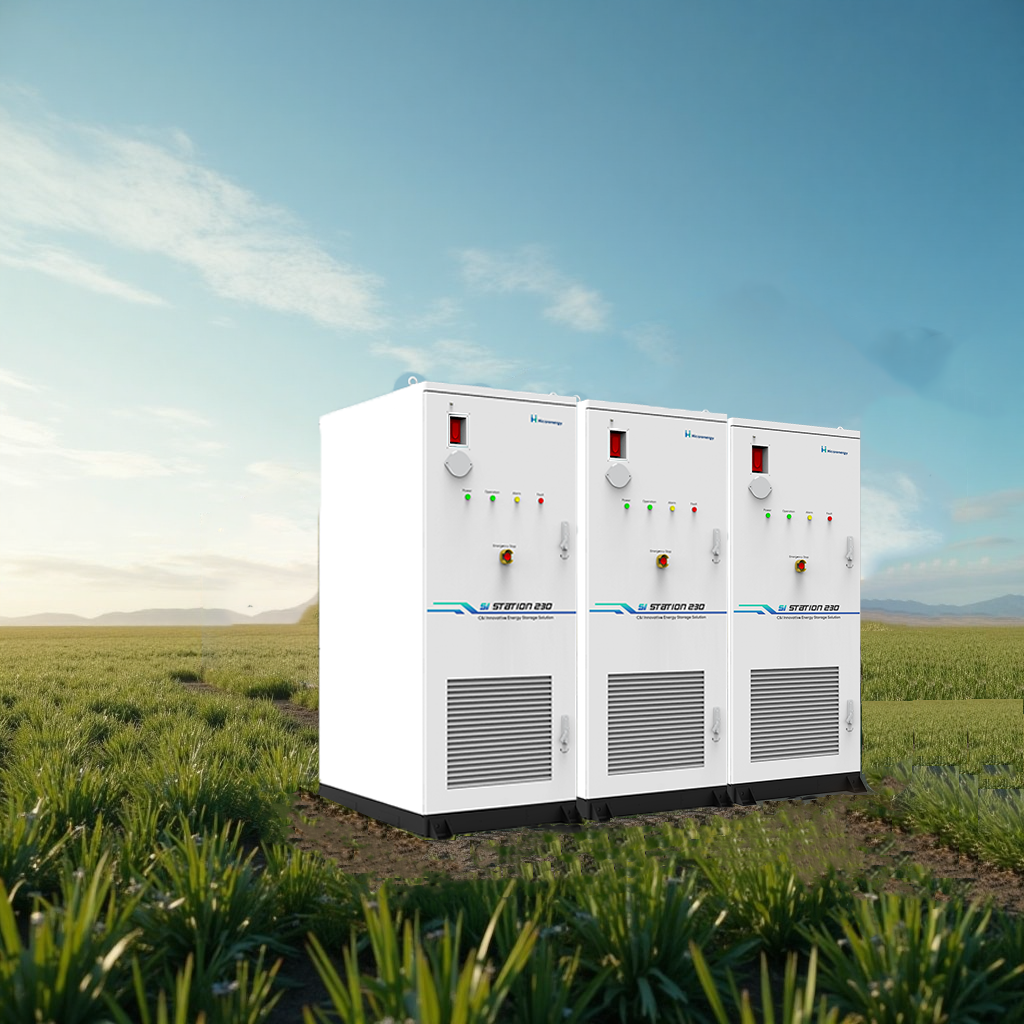
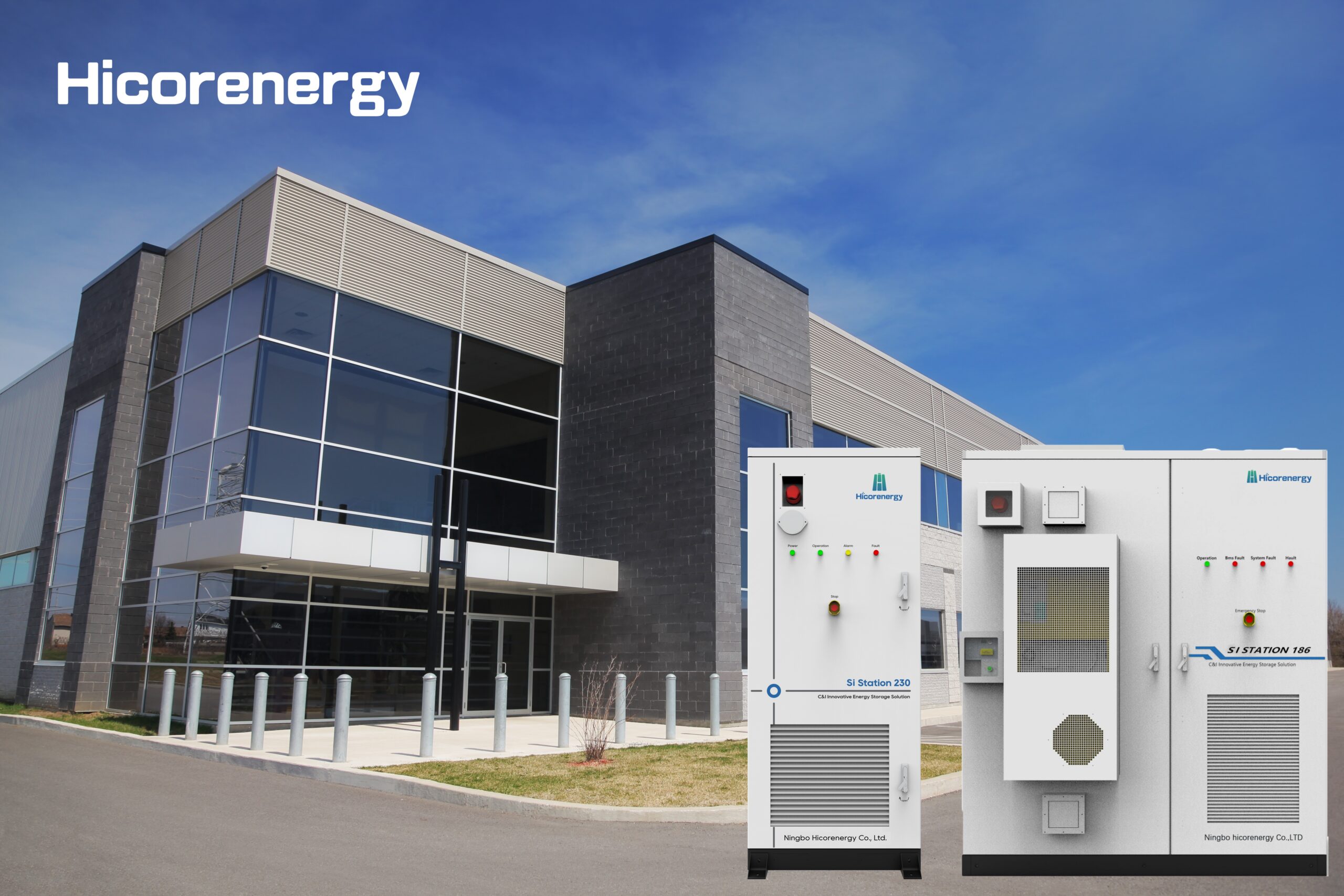
    A longer battery cycle life directly influences cost-effectiveness. Hicorenergy’s ≥6000 cycle lithium batteries reduce replacement frequency, cutting long-term ownership costs significantly. For home users, it means fewer disruptions and stable performance throughout the system’s 10–20 year design life. Businesses benefit from minimized downtime, lower maintenance expenses, and predictable operational costs. Whether used for peak shaving, emergency power, or solar storage, these systems enhance ROI by delivering more kilowatt-hours over their lifespan. Additionally, advanced energy storage systems like the Si Station 230 also offer scalability and compliance with global standards, making them attractive for commercial-scale projects aiming for sustainable battery technology solutions.

    Lithium battery storage

    What This Means for Solar, EVs, and Grid-Scale Energy Storage in the Future

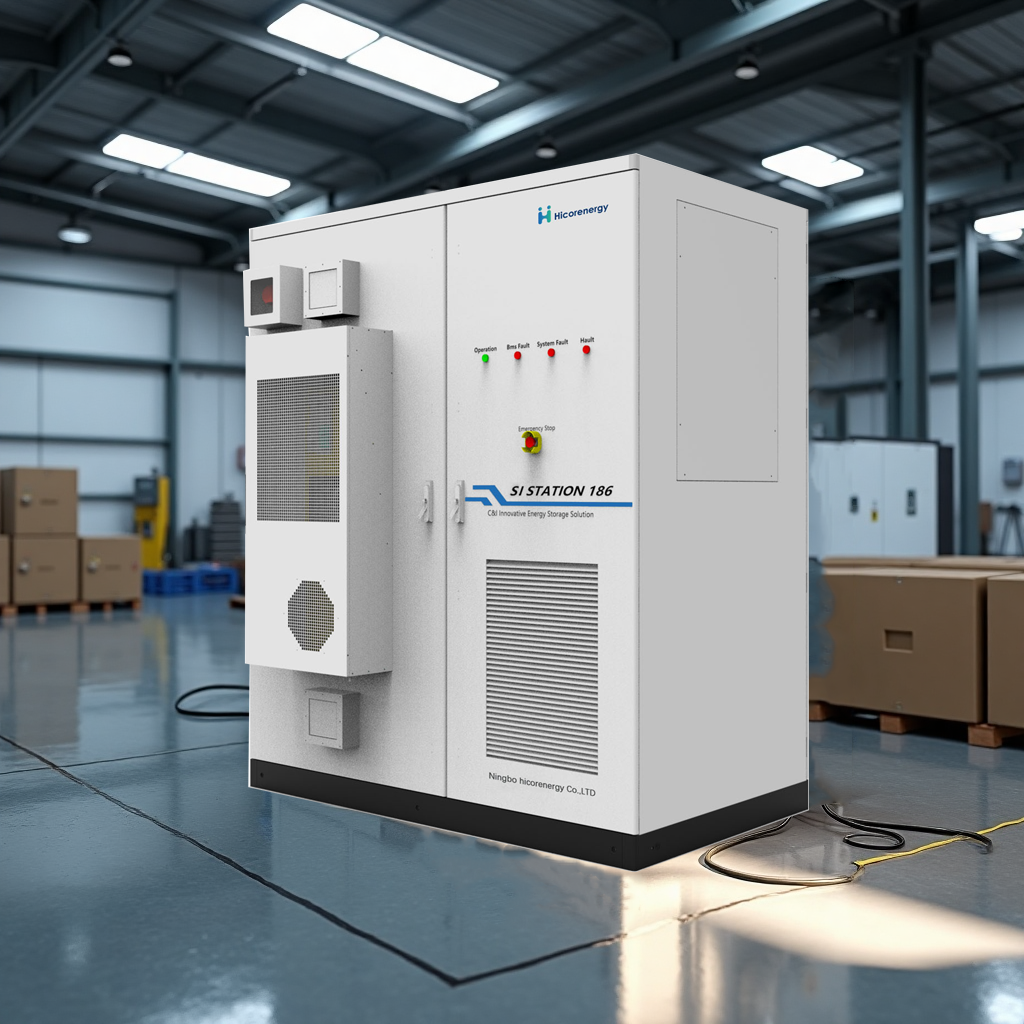
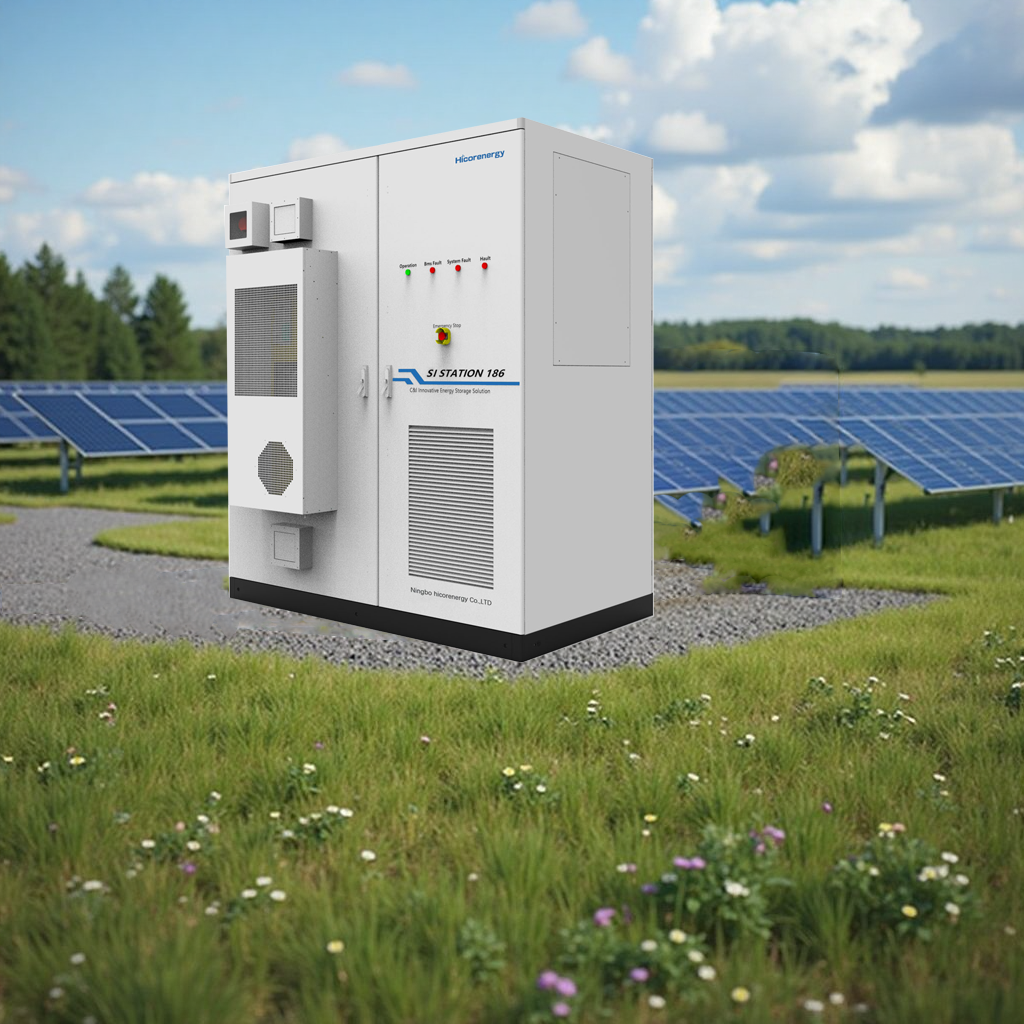
    The shift toward next-generation lithium batteries with high cycle performance is reshaping how energy is stored and used. For solar applications, such as residential and C&I systems, longer-lasting batteries reduce reliance on the grid and improve energy independence. In electric vehicles (EVs), extended battery life minimizes the need for early replacements, improving sustainability. Grid-scale projects also benefit by reducing infrastructure turnover and maintenance costs. With modular and scalable solutions like Hicorenergy’s Si Station 186, the future of advanced energy storage looks more efficient, more reliable, and better aligned with global carbon neutrality goals. Battery longevity for solar and EV use cases is no longer a limitation but a driving force for clean energy adoption.

    Conclusion

    As lithium battery storage technology advances beyond 6,000 cycles, energy solutions become smarter, safer, and more cost-effective. Hicorenergy is leading this transformation with reliable products built on sustainable battery technology. Whether you’re powering a home, factory, or entire grid, long-life battery technology ensures you stay ahead of the curve. Ready to explore how 6,000 cycle lithium batteries can upgrade your energy strategy? Contact Hicorenergy today.

    Contact Us Today:
    Email: service@hicorenergy.com
    WhatsApp: +86 181-0666-0961

  • The Future of Power Outages: How Is Smart Battery Storage Changing the Game?

    The Future of Power Outages: How Is Smart Battery Storage Changing the Game?

    Power outages are no longer a rare inconvenience—they are becoming a growing concern for households and businesses across the globe. As grids age, extreme weather intensifies, and energy demands increase, the need for next-gen power outage protection is critical. Enter smart battery storage, a transformative solution that is not only reshaping how we respond to blackouts but also redefining energy resilience at its core. With intelligent energy storage now more accessible and scalable than ever, consumers are turning to these solutions for smarter, safer, and more reliable energy management.

    How Smart Battery Storage Is Revolutionizing Power Outage Protection
    Smart battery storage enables real-time automation, load shifting, and uninterrupted power supply during blackouts, ensuring energy resilience and smarter outage response.

    In today’s connected world, intelligent energy storage systems are becoming indispensable tools for modern energy management. These systems offer seamless integration with solar panels and smart grids, enabling advanced energy automation and blackout prevention. From AI-powered outage detection systems to grid-tied battery backup for homes and factories, smart battery technology ensures uninterrupted service during grid instability. Scalable architectures and modular designs, like Hicorenergy’s Si LV1 and SHV48100, empower users with custom backup power tailored to individual or commercial needs, transforming both energy independence and grid reliability.

    Explore how this technology is rewriting the energy playbook.

    Why Power Outages Are Becoming More Frequent and Unpredictable

    Power outages have become increasingly frequent due to a combination of aging infrastructure, climate-induced weather events, and rising global energy demand. Traditional power grids, designed decades ago, are struggling to meet the demands of modern society. Heatwaves, floods, hurricanes, and wildfires further stress power systems, causing widespread blackouts. Moreover, geopolitical instability and supply chain disruptions are also contributing to power delivery inconsistencies. As grid systems are pushed to their limits, the unpredictability of outages poses serious challenges for residential energy management and business continuity. This evolving reality calls for smarter, decentralized solutions like battery backup systems that can step in when the grid fails.

    What Is Smart Battery Storage and How Does It Work?

    Smart battery storage refers to an advanced energy system that stores electricity from solar panels or the grid and automatically delivers it during outages or peak demand times. These systems integrate cutting-edge technologies such as AI-powered energy storage, outage detection systems, and remote monitoring platforms. Hicorenergy’s I-BOX 48100R and C5° models, for example, combine high-performance LiFePO4 batteries, intelligent BMS (battery management systems), and real-time WEB/APP interfaces for energy visualization and automation. Smart batteries support applications like load shifting and peak shaving, making them cost-effective and efficient. The result is a dynamic, smart home energy backup system capable of ensuring uninterrupted power and optimized electricity usage.

    Smart Battery Storage

    Key Advantages of Smart Battery Systems Over Traditional Backups

    Smart battery systems significantly outperform traditional diesel generators or lead-acid battery backups. First, they are maintenance-free, silent, and emission-free, contributing to a cleaner environment. Secondly, intelligent energy storage systems like the Si LV1 are plug-and-play, scalable, and safer, with integrated fuses and breakers. They offer high cycle life (≥6000 cycles) and efficiency (≥95%), meaning better performance and longer lifespan. Their ability to seamlessly integrate with smart grids and renewables positions them as critical tools in future-proofing homes and industries. Additionally, smart systems offer greater control through remote diagnostics, real-time alerts, and energy automation, features traditional solutions simply lack.

    Smart Battery Storage

    Real-Time Monitoring and Automation: Smarter Responses During Outages

    Real-time monitoring and energy automation are central to the smart battery revolution. These systems provide live data tracking, alarm notifications, and performance analytics via mobile apps and cloud platforms. For example, Hicorenergy’s smart monitor system enables remote upgrades and troubleshooting, minimizing downtime and after-sales service needs. Automation features allow batteries to switch from grid power to stored energy instantly, ensuring seamless blackout prevention. With intelligent scheduling and load prioritization, users can conserve energy and reduce costs during peak hours. This kind of advanced battery storage solution allows smarter, more proactive responses during emergencies and promotes better long-term energy resilience.

    How Smart Storage Systems Contribute to a More Resilient Grid

    Beyond individual protection, smart battery storage enhances the overall resilience of the energy grid. Grid-tied with battery backup systems can stabilize voltage, support frequency regulation, and balance supply-demand mismatches. Systems like Hicorenergy’s SHV48100 and Si Station 186 are scalable for industrial use, enabling distributed energy storage that supports grid reliability during outages. These installations help defer infrastructure upgrades and offer virtual power plant capabilities through coordinated energy dispatch. Furthermore, integrating residential and commercial energy storage into national grids decentralizes power supply, making the entire system less vulnerable to single points of failure. In essence, smart grid battery technology not only protects but also strengthens the energy ecosystem.

    Smart Battery Storage

    In summary, smart battery storage is more than just a backup—it’s a proactive, intelligent energy solution that ensures continuity, efficiency, and resilience in an increasingly unstable power landscape. From residential homes to commercial facilities, next-gen power outage protection is no longer a luxury, but a necessity. As global energy challenges mount, adopting advanced battery storage solutions becomes critical. For those ready to secure their future of power, Hicorenergy offers scalable, safe, and smart home energy backup systems tailored to meet every demand.

    Get in touch with Hicorenergy to build your smarter, more resilient energy future today.

    Contact Us Today:
    Email: service@hicorenergy.com
    WhatsApp: +86 181-0666-0961

  • What Should You Do Before, During, and After a Power Outage to Stay Safe?

    What Should You Do Before, During, and After a Power Outage to Stay Safe?

    Power outages can strike without warning, disrupting daily life and threatening your comfort, safety, and health. From minor blackouts to prolonged grid failures, having the right strategies in place makes all the difference. Whether you live in an area prone to severe weather or simply want peace of mind, this power outage safety guide will walk you through essential steps to follow before, during, and after an outage. It also highlights how energy storage systems like those from Hicorenergy can help mitigate the impact of blackouts and boost your long-term resilience.

    How to Stay Safe and Prepared Before, During, and After a Power Outage?
    Create an emergency kit, prepare backup power, follow safety procedures, and inspect systems carefully post-outage to stay protected.

    Essential Safety Steps Every Homeowner Should Follow to Handle Power Outages with Confidence and Minimize Risks
    Safety begins with preparation. Stocking an emergency kit for power outages that includes flashlights, portable power stations, first-aid supplies, and extra batteries is vital. Ensure you have battery-powered lighting and a communication device like a charged mobile phone with a backup charger. If you own a residential battery storage system, keep it well-maintained and fully charged. Test smoke and carbon monoxide detectors. Document a power outage checklist—before, during, and after—and review it with your family regularly to ensure everyone knows what to do.

    Power outage

    Let’s dive into key power outage safety tips every household should know.

    Before the Outage: Prepare Your Home and Emergency Kit

    Power outage preparation starts well before the lights go out. Begin by assembling a comprehensive emergency kit for power outages. Include essentials such as bottled water, canned food, medications, flashlights, and extra batteries. A battery-powered radio will help you stay informed. Also consider investing in a portable power station or a residential battery storage system like Hicorenergy’s I-BOX 48100R, which offers reliable backup power during outages.

    Secure your home by trimming tree branches near power lines and anchoring loose outdoor items. Install surge protectors to safeguard appliances. Most importantly, if someone in your household relies on powered medical devices, notify your local utility provider and make alternate power arrangements. Document a clear power outage checklist before, during, and after to ensure your household is ready.

    During the Outage: Stay Safe and Conserve Power

    When the power goes out, your first priority is safety. Keep refrigerators and freezers closed to maintain food safety during power outage conditions. Turn off and unplug appliances to prevent overloads when power is restored. Rely on battery-powered lighting instead of candles to reduce fire risk.

    Use the safe use of generators and batteries during blackout conditions—always operate generators outdoors, away from windows, and never in enclosed spaces to avoid carbon monoxide risk. Hicorenergy’s systems like the C5° support remote monitoring, helping users manage their energy reserves effectively. Conserve mobile phone battery life and limit screen use. Check in on neighbors, especially the elderly or those with disabilities, and stay tuned to local updates via a battery-powered or car radio.

    After the Outage: Inspect Systems and Avoid Hazards

    Once power is restored, inspect your home carefully. Check for signs of damage to electrical wiring, water leaks, or spoiled food. Gradually reconnect appliances, starting with critical systems. Pay attention to warning lights or error codes on your energy storage systems or generators.

    Avoid flood-prone areas in case of weather-related blackouts and don’t touch downed power lines. If you’re using a Hicorenergy residential battery system, verify its operational status via the web/app interface, which enables real-time monitoring and error detection. Reset clocks and security systems, and take inventory of your emergency kit to restock used supplies.

    Top Safety Mistakes to Avoid During a Power Outage

    Many people unknowingly put themselves at risk during blackouts. One of the most common power outage safety mistakes is using candles instead of battery-powered lighting, which increases the fire hazard. Another major error is operating a generator indoors or too close to open windows, leading to deadly carbon monoxide poisoning.

    Failing to conserve power in the early stages of a blackout can lead to premature depletion of energy reserves. Ignoring the importance of backup power or neglecting maintenance on your residential battery storage system may leave you unprepared. Finally, some homeowners reconnect all appliances immediately when the power returns—this can overwhelm circuits and damage devices. The power outage safety guide from experts emphasizes taking measured, informed actions to avoid these dangers.

    How Battery Backup Systems Can Improve Outage Safety

    Battery backup systems play a critical role in enhancing power outage safety. Products like Hicorenergy’s Si LV1 and C5° are engineered to provide stable, uninterrupted power during outages, storing energy from solar panels or the grid. With >95% round-trip efficiency and up to 20 years of design life, these systems offer peace of mind and significant savings over time.

    Such systems enable the safe use of generators and batteries during blackout situations, offering built-in protections, wide operating temperature ranges, and smart monitoring capabilities. With expandable configurations up to 122.88 kWh, systems like Si LV1 allow homes to scale backup capacity as needed. By ensuring constant access to lighting, refrigeration, and communication, they turn power outage emergencies into manageable events.

    Power outage

    In summary, power outages are unpredictable, but being well-prepared can drastically reduce their impact. By following these power outage safety tips—before, during, and after the blackout—homeowners can ensure the well-being of their families, protect their property, and maintain access to essential power. From assembling an emergency kit to investing in a reliable residential battery storage system like those offered by Hicorenergy, every step counts toward safety and resilience. With the right tools and knowledge, it’s possible to face even the longest outages with confidence and calm.

    Stay safe during blackout situations—start preparing today and contact Hicorenergy for trusted battery backup solutions.

    Contact Us Today:
    Email: service@hicorenergy.com
    WhatsApp: +86 181-0666-0961

  • How to Store Excess Solar Energy for Nighttime and Cloudy Days?

    How to Store Excess Solar Energy for Nighttime and Cloudy Days?

    With the global transition toward cleaner energy, solar power has become a cornerstone of modern renewable energy solutions. But while harnessing the sun’s energy during the day is now highly efficient, the challenge lies in storing that energy for use during the night and on cloudy days. Without proper storage, homes and businesses relying on solar power risk losing access to electricity when they need it most. So, how can we effectively store excess solar energy to ensure 24/7 availability?

    The most effective way to store excess solar energy is by using a home solar battery storage system, which ensures continuous power supply during night and cloudy conditions

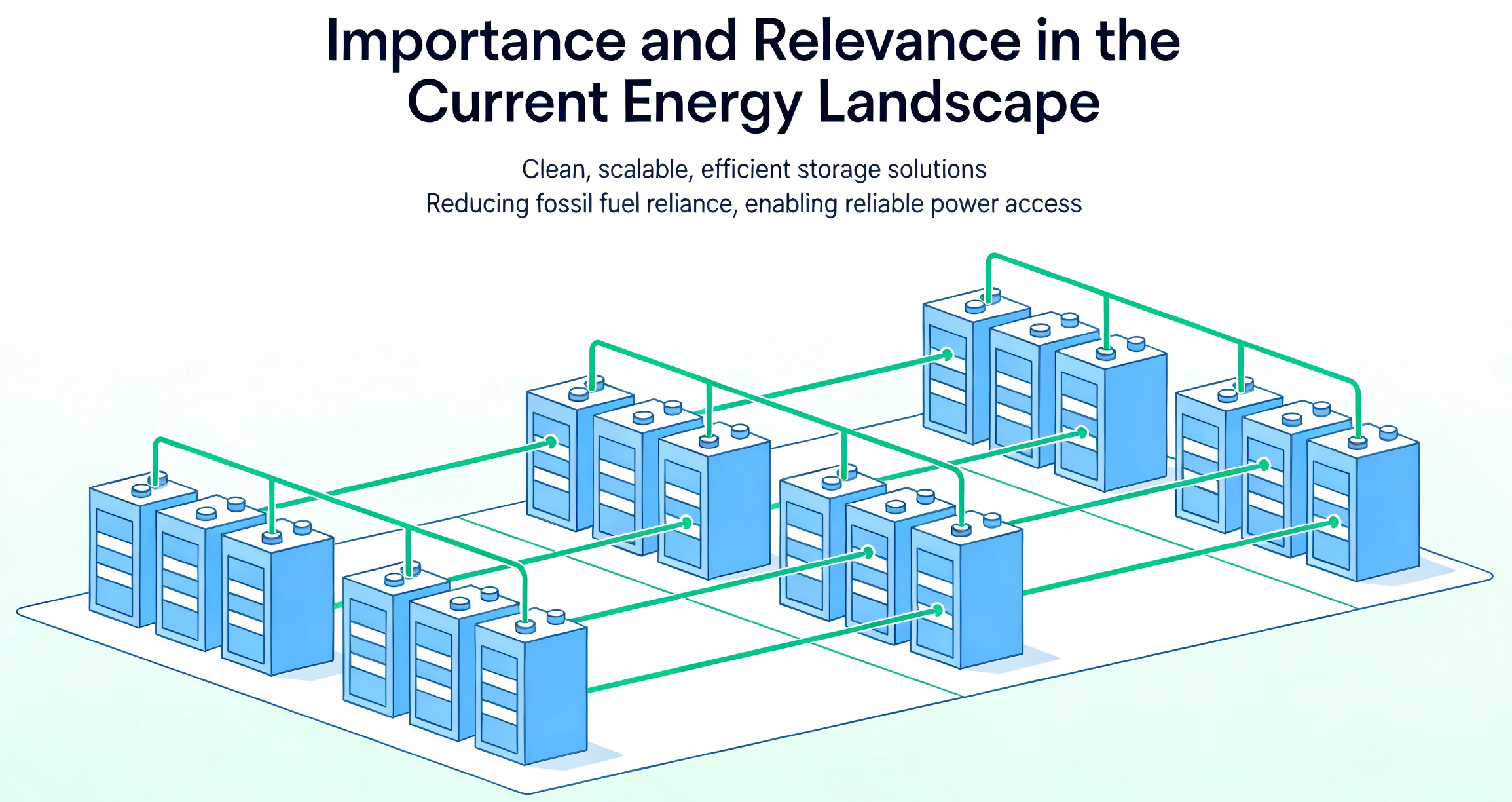
    Making solar power reliable means ensuring uninterrupted energy when sunlight isn’t available. This is achieved through a solar battery backup system for homes, which captures and stores solar energy during the day for use at night or during cloudy weather. When connected to an efficient inverter, the solar energy storage system can automatically switch to battery power when solar generation is low. Systems like Hicorenergy’s I-BOX 48100R and Si LV1 offer reliable, long-lasting lithium-ion battery for solar setups. These enable seamless energy independence, even in off-grid homes.

    Let’s explore how these systems work and what makes them so essential for consistent energy access.

    Why Solar Energy Needs Storage for 24/7 Reliability

    Solar panels only generate electricity when the sun is shining. At night or during overcast weather, solar output drops significantly. Without a solar energy storage system, this leads to a dependence on the grid—defeating the purpose of renewable energy independence. Storing solar energy for later use ensures homes and businesses remain powered regardless of the weather. In areas with unreliable grid infrastructure or frequent blackouts, such as in parts of Africa or Southeast Asia, energy storage for off-grid homes becomes not just a convenience, but a necessity. A solar battery storage system provides round-the-clock energy reliability, supporting critical loads like lighting, refrigeration, and communication devices.

    Types of Energy Storage Systems: Lithium-Ion, Lead-Acid, and Beyond

    Different battery technologies serve varying needs. Lithium-ion batteries, particularly LiFePO4 cells as found in Hicorenergy’s C5° and Si LV1 systems, are currently the best battery for storing solar energy. These batteries offer high round-trip efficiency (≥95%), long life (over 6000 cycles), and low maintenance. They are compact, safe, and ideal for storing solar energy for later use. Lead-acid batteries, while cheaper upfront, have shorter lifespans and require frequent maintenance. Newer technologies such as flow batteries or solid-state batteries are emerging but are not yet widely adopted. For residential and commercial users, lithium-ion remains the gold standard for storing cloudy day solar energy and nighttime solar power.

    How Home Battery Storage Works with Solar Panels

    Solar panels generate DC electricity, which is either used directly or converted into AC by an inverter. Any unused solar power is sent to the solar battery storage system for later use. Smart battery inverter systems, such as those integrated into Hicorenergy’s solutions, automatically manage solar charging and discharging cycles. During the day, excess energy is stored; at night, the system draws on this stored power. This seamless integration ensures the lights stay on even when the sun doesn’t shine. Additionally, Hicorenergy’s systems support remote monitoring and automatic upgrades through web/app interfaces, enhancing reliability and ease of use for homeowners.

    How Much Battery Capacity Do You Need for Nighttime Use?

    Battery capacity needs depend on energy usage patterns, solar generation, and local climate. A typical household may consume 10–20 kWh during nighttime hours. Hicorenergy’s scalable systems, like the modular Si LV1 (up to 30.72 kWh) or I-BOX 48100R (expandable to 491.52 kWh), allow for flexible energy storage tailored to individual needs. Calculating the right capacity also involves considering battery efficiency, discharge depth, and power ratings. For instance, if a home uses 15 kWh per night, a 20 kWh system provides enough buffer while ensuring long-term battery health. Using a professional energy audit can help determine the most cost-effective and reliable setup for your solar battery backup system for homes.
    Solar Energy

    Smart Energy Management: Maximizing Stored Solar Power Efficiency

    Beyond battery capacity, intelligent energy management plays a key role in maximizing system efficiency. This involves scheduling energy usage based on solar generation, using time-of-use pricing models, and prioritizing critical appliances. Hicorenergy’s smart monitor platforms support real-time monitoring, automatic error detection, and remote upgrades, allowing users to optimize performance and extend system life. Features like peak shaving, demand response, and virtual power plant participation provide additional savings and benefits. Ultimately, managing solar storage options for cloudy days with smart systems ensures the best return on investment and improves energy independence.

    In summary, storing excess solar energy is essential for achieving true energy independence and ensuring stable power during nighttime and cloudy days. By choosing the right solar energy storage system—whether it’s a compact residential battery or a scalable modular solution—users can reduce reliance on the grid, cut electricity costs, and enjoy a more sustainable lifestyle. Integrating smart management tools further enhances efficiency and reliability.

    Reliable solar energy storage transforms sunlight into dependable 24/7 electricity. Contact Hicorenergy for a customized solution today.

    Contact Us Today:
    Email: service@hicorenergy.com
    WhatsApp: +86 181-0666-0961

  • Hicorenergy Delivers Reliable Energy Storage Solution in Yemen

    Hicorenergy Delivers Reliable Energy Storage Solution in Yemen

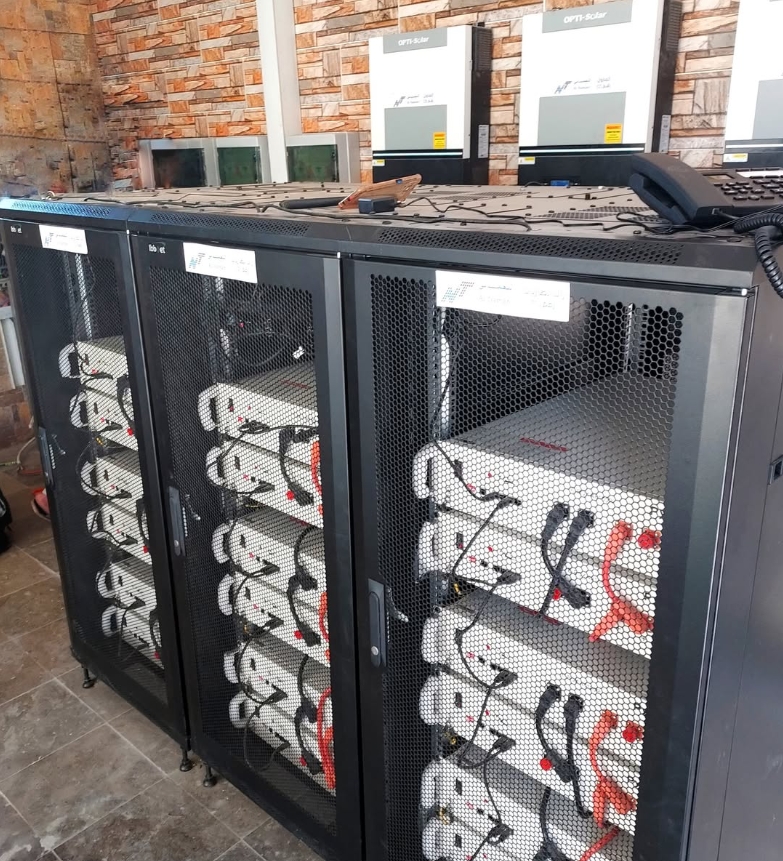
    Hicorenergy, a global leader in lithium battery energy storage solutions, has successfully deployed a customized energy storage system in Yemen, supporting local resilience amid ongoing energy instability. The project features 18 units of the I-BOX 48100R battery system, delivering a total capacity of 90kWh, tailored to meet the client’s energy demands through advanced modular integration.

    Each of the three modules in the project houses six I-BOX 48100R batteries, secured within robust battery cabinets for enhanced safety and reliability. Designed with scalability and efficiency in mind, this system ensures uninterrupted power during grid failures and peak demand periods, reducing operational disruptions for critical equipment.

    Energy storage solution

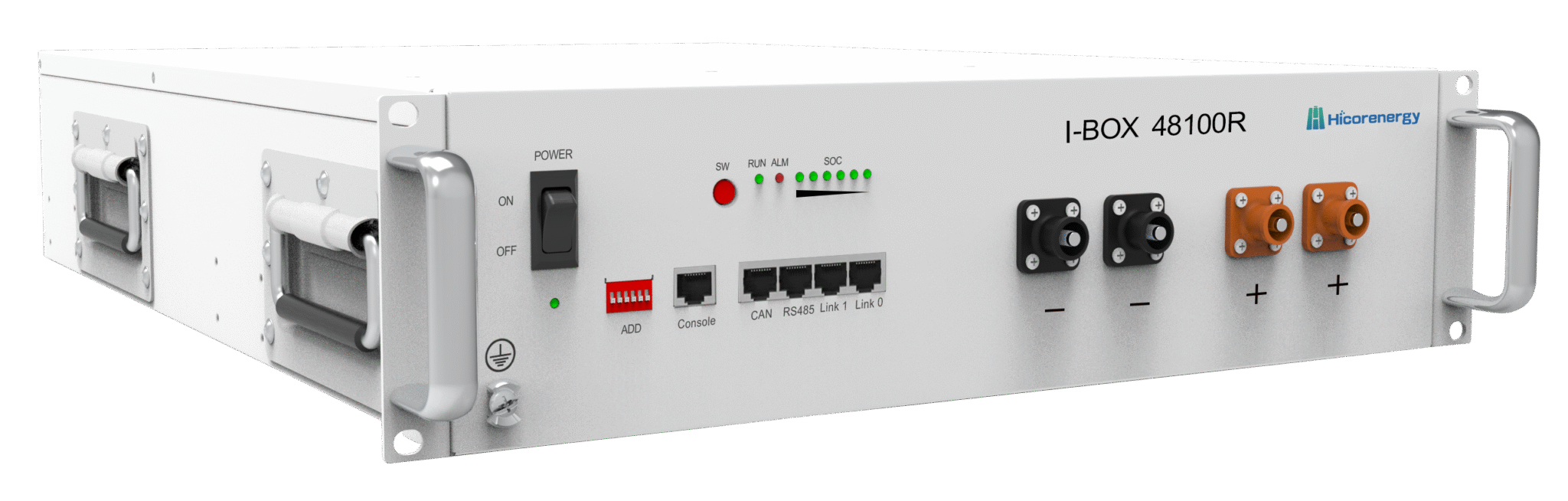
    The I-BOX 48100R system, known for its Tier 1 automotive-grade LiFePO4 cells and self-developed BMS with dual MCU protection, provides over 6,000 charge cycles, 95% round-trip efficiency, and compatibility with most inverter brands. It is also compact, flexible in installation, and suited for both wall and floor mounting, offering versatile application scenarios in off-grid, backup, and peak shaving settings.

    By integrating this solution, the Yemen-based client not only stabilizes their energy infrastructure but also reduces electricity costs and enhances overall system performance. The deployment highlights Hicorenergy’s commitment to delivering safe, intelligent, and sustainable energy storage solutions in the most challenging environments.

    With multiple production bases and offices spanning China, North America, Europe, and Vietnam, Hicorenergy offers localized support, fast delivery, and responsive service to its global partners. As part of its mission to “Make Life Better,” the company continues to expand its impact by empowering underserved communities with reliable and clean power.

    This successful case in Yemen reaffirms Hicorenergy’s dedication to advancing global energy security and its capability to deliver customized, high-efficiency battery solutions in regions with critical power needs.

    Contact Us Today:
    Email: service@hicorenergy.com
    WhatsApp: +86 181-0666-0961

  • What Are the 5 Most Common Causes of Power Outages—And How Can Battery Storage Help You Stay Powered?

    What Are the 5 Most Common Causes of Power Outages—And How Can Battery Storage Help You Stay Powered?

    Power outages can strike at any moment, disrupting daily life, halting business operations, and even compromising safety. Whether triggered by extreme weather or human error, these blackouts can result in economic losses and create discomfort—especially in regions with unreliable grid infrastructure. Fortunately, a backup battery system or home energy storage solution can provide the power outage protection households and businesses need. Here’s how you can stay connected and protected when the lights go out.

    Top Power Outage Causes and How Battery Storage Keeps Your Lights On
    The most common causes of blackouts include severe weather, grid failures, accidents, wildfires, and overuse. Battery storage ensures energy resilience by providing uninterruptible power supply when the grid fails.

    A solar battery system or residential battery storage solution, such as those from Hicorenergy, acts as an emergency battery backup, automatically powering homes during outages. These systems store energy—either from the grid or renewable sources like solar—and seamlessly activate during blackouts. Whether the power outage is due to weather or infrastructure failure, a home energy storage system ensures that lights stay on, essential devices remain powered, and peace of mind is maintained.

    Learn the root of blackouts and why the best battery backup for home power outages is more important than ever.

    Severe Weather: Storms, Lightning, and High Winds

    Weather-related blackouts are the most frequent across the globe. Heavy storms, hurricanes, lightning strikes, and strong winds can damage transmission lines, transformers, and substations. In countries like Nigeria and the Philippines—where grid systems are vulnerable—storm-related outages can last hours or even days.

    For these regions, battery storage for power outages offers a dependable solution. Hicorenergy’s I-BOX 48100R, equipped with Tier 1 LiFePO4 cells and advanced BMS protection, delivers power outage protection even under extreme environmental conditions. With over 6000 cycles and >95% round-trip efficiency, it ensures that homes remain powered when nature wreaks havoc.

    The system’s compatibility with solar inverters also allows households to charge the battery using solar energy—providing energy resilience independent of the unstable grid.

    Grid Overload and Infrastructure Failures

    In densely populated areas or regions with outdated electrical infrastructure, the grid often struggles to meet demand. Overuse—especially during peak hours—can cause substations to trip and transformers to fail, triggering widespread blackouts.

    Battery storage plays a vital role in such scenarios. During off-peak hours, Hicorenergy systems like the Si LV1 can store excess energy and then discharge it when demand spikes, effectively performing peak shaving. With modular expandability up to 30.72kWh, the Si LV1 supports grid failure solutions by minimizing dependency on unstable grids and preventing energy loss during infrastructure failures.

    Its plug-and-play design and fast 15-minute installation make it ideal for rapid deployment in critical regions, supporting energy access even when utility disruptions occur.

    Accidents and Human Error: Construction & Vehicle Collisions

    Unexpected accidents like construction mishaps, downed poles from car crashes, or careless maintenance can knock out power in local areas with little to no warning. These events are unpredictable and often occur during working hours when energy demand is high.

    In such cases, a residential battery storage system acts as a reliable uninterruptible power supply. Hicorenergy’s C5°, with its real-time monitoring and wide operating temperature range, ensures consistent backup energy. Its robust protection mechanisms safeguard your home’s power supply instantly when the grid is compromised due to human error.

    Additionally, remote monitoring capabilities allow users to track performance, receive alerts, and optimize energy consumption to prevent unnecessary downtime and loss.

    Wildfires and Planned Power Shutoffs (PSPS)

    In regions like Australia and California, utility companies may preemptively shut off power during high wildfire risk to avoid igniting fires. While this is a precautionary move, it leaves households without power for hours—or even days—during heatwaves.

    Hicorenergy’s outdoor-rated systems, such as the SHV48100, are engineered for such emergency conditions. Featuring over 6000 cycles, fast-charging capability, and scalable configurations, these systems provide power outage protection in off-grid or partially powered scenarios. They are ideal for planned blackouts, ensuring continued access to refrigeration, lighting, and medical devices.

    Moreover, the SHV48100 supports peak shaving and backup applications, making it a key component in regions subject to PSPS and extreme environmental threats.

    How Home Battery Storage Keeps You Powered Through Any Outage

    A modern solar battery system does more than just serve as an energy reserve—it empowers users to take control of their energy needs. Hicorenergy’s lithium-based battery systems offer scalable capacity, efficient performance, and smart monitoring features for a more connected energy experience.

    Whether you’re dealing with natural disasters, policy-driven shutoffs, or overloaded grids, these systems act as both short-term and long-term grid failure solutions. For individuals in Kenya, who face high energy costs and poor grid reliability, the investment in a home energy storage unit not only lowers bills but also provides critical backup battery system support.

    Even in colder climates like Sweden, some companies prioritize performance and service, systems like Si LV1 and C5° deliver unmatched reliability and ease of integration, ensuring how to stay powered during a blackout is never a question again.

    Stay prepared—contact Hicorenergy today for reliable backup battery systems.

    Contact Us Today:
    Email: service@hicorenergy.com
    WhatsApp: +86 181-0666-0961

  • Why Pairing Solar Panels with Home Battery Backup Systems Is the Smartest Energy Move for Homeowners?

    Why Pairing Solar Panels with Home Battery Backup Systems Is the Smartest Energy Move for Homeowners?

    In today’s energy landscape, homeowners are seeking reliable and cost-effective ways to reduce electricity bills, stay powered during outages, and minimize their reliance on the grid. One increasingly popular solution is the combination of solar panels with a home battery backup system. But why should families consider this pairing, and what are the real-world benefits of solar energy storage? This article explores the critical advantages of integrating a solar and battery system for home use—and why it’s a smart long-term investment.

    Why Combining Solar Panels with Battery Backup Is the Smartest Energy Move for Homeowners

    Pairing solar panels with a home battery backup system ensures power reliability, cuts energy costs, and enhances energy independence.

    Homeowners around the world are turning to solar panels and battery backup systems for three primary reasons: financial savings, blackout protection, and reduced grid dependence. During the day, solar panels generate electricity that powers the home. Any excess energy is stored in a solar battery backup system, which can be used when the sun goes down, during peak pricing hours, or during power outages. This setup not only reduces reliance on the grid but also protects homeowners from rising electricity rates and offers uninterrupted power—ensuring that vital appliances keep running even when the utility grid fails. As more utilities shift toward time-of-use pricing, storing solar energy during the day and using it at night becomes one of the most efficient and cost-effective strategies for managing home energy.

    Discover how solar and battery backup systems offer unmatched value—read on to explore their full potential.

    How Solar Panels and Home Batteries Work Together

    A solar and battery system for home use integrates photovoltaic (PV) panels with an energy storage battery, such as Hicorenergy’s I-BOX 48100R or C5°. During daylight hours, the solar panels generate electricity from sunlight, supplying power to household appliances. Any excess energy is directed to a home battery backup system. At night or during cloudy conditions, the stored energy is used to power the home, reducing reliance on the utility grid.

    A solar inverter and battery management system (BMS) ensure that energy flows seamlessly between the solar panels, the battery, and household loads. Some systems, like Hicorenergy’s, feature remote monitoring, efficient charge/discharge rates, and multiple installation options (wall-mount, floor-stand, rack-mount), enhancing their flexibility and performance. With Tier 1 LiFePO4 cells and a 10-year warranty, Hicorenergy’s solutions are built for reliability, safety, and long-term use.

    Energy Independence: Store Daytime Power, Use It Anytime

    Solar energy with a backup battery system empowers homeowners to achieve greater energy independence. In areas with unstable grids or frequent blackouts, this becomes essential. By capturing and storing solar power during the day, homeowners can operate their appliances at night or during outages without relying on external sources.

    This is especially relevant for off-grid solar system users in rural or remote areas. With scalable energy storage solutions like the Hicorenergy Si LV1, which supports up to 122.88 kWh of storage, users can manage their energy needs flexibly. Moreover, real-time monitoring and smart upgrades allow households to optimize performance and energy usage autonomously.

    Lower Electricity Bills with Solar + Battery Storage

    One of the top benefits of solar energy storage is the significant reduction in electricity cost. By using a solar battery backup system, homeowners can avoid peak utility rates. Time-of-use billing charges more during evening hours when demand is highest. By using stored solar power instead of grid electricity, families save money daily.

    In markets with net metering limitations or where exporting excess power to the grid is not profitable, storing energy for personal use is a more cost-effective solution. Hicorenergy’s C5° battery, with its high charge/discharge rate and >95% round-trip efficiency, ensures that homeowners extract maximum value from every kilowatt-hour of generated solar energy.

    Reliable Backup Power During Outages and Emergencies

    Unreliable grid infrastructure and increasing weather-related disruptions make blackout protection a priority for many households. Solar panels alone can’t power a home during outages unless paired with a home battery backup system. That’s where solar battery storage comes in.

    With robust energy storage systems like Hicorenergy’s I-BOX 48100R or Si LV1, homeowners gain access to continuous power when it matters most. These systems kick in automatically during outages, maintaining power to essential appliances such as lights, refrigerators, and medical equipment. This peace of mind is crucial in countries prone to frequent power interruptions like Nigeria, Kenya, or the Philippines.

    Environmental Impact: A Cleaner, Greener Home Energy Solution

    Combining solar panels and battery backup doesn’t just save money—it contributes to a cleaner planet. Solar energy is a renewable, emission-free resource. When stored in a solar battery backup system and used during peak times, it offsets electricity generated from fossil fuels, lowering a home’s carbon footprint.

    Additionally, lithium-ion batteries, especially those using LFP chemistry like Hicorenergy’s, are more sustainable and longer-lasting than lead-acid alternatives. With up to 6000+ cycles, they offer a greener solution with reduced waste and maintenance. Hicorenergy’s design also supports virtual power plants, allowing homes to participate in grid-wide energy balancing, further promoting a sustainable energy ecosystem.

    Make your home smarter, greener, and more resilient—contact Hicorenergy today for expert energy storage solutions.

    Email: service@hicorenergy.com
    WhatsApp: +86 181-0666-0961

  • What Is a Power Outage and Why Do They Happen?

    What Is a Power Outage and Why Do They Happen?

    In an increasingly electrified world, a sudden loss of electricity—known as a power outage—can bring everyday life to a halt. Whether it’s a blackout that plunges entire cities into darkness or a brief flicker that disrupts a business meeting, power outages affect homes, industries, and infrastructures alike. But what is a power outage exactly, and why do they happen so frequently in some parts of the world?

    A Power Outage Explained: What It Is and What Causes It?

    A power outage is the sudden loss of electrical power due to factors like extreme weather, grid overload, equipment failure, or maintenance.

    Power outages often stem from natural events like storms and floods, but they can also be triggered by utility grid disruption, aging infrastructure, and even planned rolling blackouts to prevent larger failures. Preparation is key—having a battery backup system or emergency energy storage in place helps maintain daily function and safety during an electricity blackout.

    Power outages are more than just an inconvenience—read on to see what causes them and how you can stay protected.

    What Exactly Is a Power Outage? Definition and Common Terms

    A power outage, also known as an electricity blackout, is the loss of electrical power in a specific area for any duration. This can affect a single home, a neighborhood, or entire cities. Some common types include blackouts (total power failure), brownouts (partial voltage drop), and rolling blackouts (intentional, rotating outages by utility providers to prevent grid overload). The power outage meaning varies depending on the scope and cause, but the impact is consistently disruptive. Electrical failure due to worn infrastructure or overloaded systems is a primary trigger. Understanding these terms helps clarify what causes power outages in homes and how to respond effectively.

    Top 5 Causes of Power Outages: From Weather to Grid Failures

    The causes of power outages range from natural forces to technical problems:

    • Extreme Weather Outages: Hurricanes, floods, snowstorms, and heatwaves are among the leading triggers. These events damage transmission lines and substations, leaving homes and businesses in the dark.
    • Utility Grid Disruption: Power grids are complex, and any failure in generation, transmission, or distribution can result in widespread outages.
    • Power Grid Overload: During peak times, high electricity demand can exceed system capacity, leading to rolling blackouts.
    • Equipment Failure: Transformers, circuit breakers, or underground cables may fail due to aging or lack of maintenance.
    • Human Error and Vandalism: Construction accidents, cyberattacks, and sabotage can all contribute to sudden electrical failure.

    Understanding why power outages happen enables individuals and businesses to take preventive actions and safeguard against future disruptions.

    How Power Outages Affect Homes, Businesses, and Critical Systems

    The impact of power outages on daily life is extensive. In homes, they interrupt lighting, heating, cooking, and access to clean water, affecting comfort and safety. For businesses, especially factories or data centers, a power outage can halt operations, cause data loss, and lead to significant financial losses. Hospitals and emergency services face life-threatening risks without reliable power, making power outage and emergency backup systems essential. Even minor outages can lead to spoiled food, reduced productivity, and communication breakdowns. Long-term outages stress infrastructure and highlight the need for reliable power outage solutions, especially in areas prone to frequent disruptions.

    How to Prepare for Power Outages with Backup Power Solutions

    Effective preparation can mitigate the worst effects of a power outage. Installing a battery backup system or investing in emergency energy storage ensures a continuous power supply during grid failures. Hicorenergy offers residential energy storage batteries such as the I-BOX 48100R and C5°, equipped with real-time monitoring, high charge/discharge rates, and long cycle life for reliable operation. These solutions support off-grid use, peak shaving, and virtual power plants. For commercial users, Hicorenergy’s Si Station systems offer scalable storage for critical facilities. Knowing how to prepare for a power outage with these technologies means less downtime and greater energy independence during utility disruptions.

    Power outage

    Power outages are unpredictable—but your response doesn’t have to be.
    Contact Hicorenergy for dependable power outage solutions today.

    Email: service@hicorenergy.com
    WhatsApp: +86 181-0666-0961

  • Are Lithium Battery Storage Systems Worth the Investment for Power Outages?

    Are Lithium Battery Storage Systems Worth the Investment for Power Outages?

    Unpredictable power outages are becoming an unfortunate norm for many households and businesses around the world. From extreme weather to grid failures, the demand for reliable backup power is higher than ever. With evolving technologies, lithium battery storage systems are emerging as a promising solution. But are they truly worth the investment when the lights go out? This article explores the value, functionality, and competitiveness of lithium battery storage systems during blackouts, helping homeowners and professionals make informed decisions.

    Lithium Battery Backup Systems: Are They the Best Solution for Power Outages?
    Yes—lithium battery storage systems are safe, long-lasting, and offer instant, maintenance-free backup power during outages.

    When it comes to safeguarding homes during a blackout, many compare lithium battery storage systems to traditional alternatives like diesel generators. Lithium systems offer quieter, emission-free, and maintenance-light performance. Unlike generators that require regular fueling and emit noise and fumes, home battery backup systems activate seamlessly and silently. They also integrate well with solar panels, creating a clean, closed-loop energy storage system that lowers reliance on the grid and enhances off-grid power storage capabilities.

    Let’s take a deeper look into why lithium battery storage is gaining popularity.

    Why Power Outages Are on the Rise—and What That Means for Your Home

    Globally, power outages are on the rise due to aging grid infrastructure, increasing energy demand, severe weather events, and geopolitical tensions. In developing regions such as Nigeria and Kenya, grid instability makes emergency power supply a daily necessity. In developed countries, extreme weather—like winter storms in Sweden or wildfires in the U.S.—has exposed vulnerabilities in even the most advanced power networks. For homeowners, this means more frequent disruptions to daily life, risks to appliance safety, and potential economic losses. Lithium battery backup systems provide a modern, proactive solution to mitigate these consequences, offering reliability when grid power fails.

    How Lithium Battery Storage Systems Work During a Blackout

    During a blackout, a lithium-ion battery backup system automatically detects grid failure and switches to stored power—within seconds or even milliseconds. Systems like Hicorenergy’s I-BOX 48100R or C5° come equipped with intelligent battery management systems (BMS) and inverter technology that ensure continuous power to essential loads such as lights, refrigerators, and medical devices. These energy storage systems can be recharged via the grid or solar panels, making them ideal for solar battery backup setups. The system’s modular design allows for scalability, meaning users can increase capacity based on energy needs. Real-time monitoring through web/app integration also enhances user control and maintenance.

    Cost vs. Value: Is a Lithium Backup System Worth the Investment?

    The initial cost of lithium battery storage systems can seem high, but the long-term value often outweighs the expense. While the upfront price for systems like Hicorenergy’s Si LV1 or SHV48100 might range from hundreds to thousands of dollars, they deliver significant savings by reducing grid dependency and cutting peak-time electricity costs. With over 6,000 charge cycles, 95% efficiency, and design lives up to 20 years, these systems provide an excellent return on investment. Additionally, they require minimal maintenance and are eligible for government incentives in many regions. For households prone to frequent blackouts, the peace of mind alone makes these systems worth the investment.

    Lithium-Ion vs. Generators: Which Backup Option Is Better?

    Comparing lithium-ion vs generators for home backup, the advantages of lithium battery systems are clear. Traditional diesel or gas generators are cheaper upfront but come with recurring costs for fuel, maintenance, and repairs. They are noisy, emit harmful gases, and can be unreliable over time. In contrast, lithium battery storage systems offer clean energy, near-silent operation, and seamless automatic transfer when the grid goes down. They can integrate with solar panels for sustainable off-grid power storage. For long-term use, lithium systems are more cost-effective, safer, and better suited for residential environments.

    What to Look for When Choosing a Battery Storage System for Outage Protection

    When selecting the best battery backup system for power outages, consider factors such as battery capacity, cycle life, efficiency, safety features, scalability, and compatibility with inverters or solar setups. Hicorenergy’s lineup, for instance, includes products like the C5°, which offers remote monitoring, wide temperature adaptability, and a 10-year warranty. Safety certifications (like UL9540A), multiple protections (software and hardware), and heating systems for cold environments enhance reliability. Choose a system with real-time monitoring, smart diagnostics, and flexible installation options to ensure your energy storage system meets both current and future demands.

    Ready for the switch? Contact Hicorenergy today for your ideal backup power solution.

    Contact us for more information:
    Email: service@hicorenergy.com
    WhatsApp: +86 181-0666-0961


  • How Do Solar Panels and Battery Storage Work Together to Deliver Energy Independence?

    How Do Solar Panels and Battery Storage Work Together to Deliver Energy Independence?

    In an era of rising energy costs and increasing climate concerns, homeowners and businesses alike are searching for ways to achieve greater energy independence. One solution gaining rapid popularity is the combination of solar panels and battery storage. This hybrid solar-battery system enables users to produce, store, and use their own electricity — minimizing reliance on the grid and protecting against power outages. But how do these technologies actually work together to provide seamless, reliable energy? This article explores the synergy between solar generation and home energy storage systems, and how this partnership is reshaping energy consumption around the world.

    How Solar Panels + Battery Storage Deliver True Energy Independence

    Solar panels generate power by day; batteries store it for night and outages—creating a reliable, off-grid solar system for full energy autonomy.

    Bridging the Gap: How Solar Generation and Battery Storage Work Together to Free Homes from the Grid.

    When sunlight hits solar panels, it’s converted into direct current (DC) electricity. A solar inverter then transforms DC into alternating current (AC) for home use. Any surplus energy gets stored in a lithium-ion battery, managed by an intelligent battery management system (BMS). When the sun sets or the grid fails, this stored power kicks in, ensuring continuous electricity. Systems like Hicorenergy’s I-BOX 48100R or Si LV1 are engineered to function in harmony with major inverters, offering high efficiency, wide operating temperature ranges, and over 6000 cycles of safe, reliable service.

    Still reading? Let’s explore how to achieve complete energy independence.

    What Is Energy Independence and Why It Matters

    Energy independence means meeting a home or business’s energy needs without relying on the utility grid. Using solar panels and battery storage, users generate and manage their own power, cutting fossil fuel use and reducing grid dependence.

    In places like Nigeria, Kenya, and Southeast Asia, where power is unreliable, solar plus battery systems are essential. Many users choose Hicorenergy’s systems for their affordability, long life, and off-grid compatibility. In developed markets like Sweden and the U.S., homeowners and businesses adopt these systems to achieve sustainability and stable long-term energy costs.

    Beyond autonomy, energy independence enhances resilience. It enables peak shaving, load shifting, and net-zero home energy solutions. And with battery inverters and BMS optimizing power flows, users enjoy smarter, more efficient energy usage. This shift is critical as the world transitions to more decentralized and renewable energy models.

    Solar Panel Basics: How Sunlight Becomes Home Electricity

    Solar panels use photovoltaic (PV) cells to convert sunlight directly into electricity. When sunlight strikes the cells, it knocks electrons loose, generating direct current (DC), which the solar inverter then converts into alternating current (AC) for household use.

    Without battery storage, excess electricity is either wasted or sent back to the grid—often at a loss. However, when paired with a home energy storage system like Hicorenergy’s C5° or I-BOX 48100R, the surplus power can be stored for nighttime use or during outages. These systems are engineered with high-efficiency LiFePO4 cells and integrated smart monitors, enabling real-time operation tracking, remote updates, and alarm notifications via mobile apps.

    The benefits of solar battery systems for homeowners include reduced utility bills, greater energy independence, and a significant reduction in carbon footprint. Whether grid-tied with battery backup or fully off-grid, solar panels remain the foundation of modern home power systems.

    Role of Battery Storage: Capturing Solar for Night & Outage Use

    While solar panels produce energy during daylight, battery storage ensures access to that power when it’s most needed—at night or during power interruptions. A lithium battery system stores unused solar energy and discharges it when sunlight isn’t available. This not only maximizes energy use efficiency but also enhances self-sufficiency.

    Hicorenergy’s C5° and Si LV1 systems exemplify the potential of modern battery technology. With over 6000 cycles and >95% round-trip efficiency, they ensure longevity and reliability. Features like remote monitoring, low power consumption, and operating temperature control make them suitable for diverse climates and user needs.

    Battery systems are often equipped with battery inverters and sophisticated BMS, enabling seamless switching between stored energy and grid supply. This versatility supports peak shaving, time-of-use optimization, and full off-grid operation, depending on the user’s configuration. For homeowners pursuing energy independence, a well-integrated battery system is indispensable.

    Sizing & Configuring: Choosing the Right Capacity for Your Home

    Selecting the best battery size for a solar power system depends on daily electricity consumption, desired backup duration, and solar panel output. Homeowners must consider peak load demands, climate conditions, and expansion potential.

    Hicorenergy’s scalable solutions, such as the Si LV1 (stackable up to 30.72kWh) and I-BOX 48100R (expandable to 491.52kWh), offer flexibility for both small homes and large properties. The modular design allows users to increase capacity as their energy needs grow, ensuring cost-effective long-term planning.

    An important factor is the battery’s cycle life and efficiency. With ≥6000 cycles and 10-year warranties, Hicorenergy batteries minimize replacement costs while delivering consistent performance. Proper sizing also involves considering whether the system is off-grid, hybrid, or grid-tied with battery backup—each setup influences the battery type, inverter capacity, and control systems required.

    Working with an experienced installer can help determine the most suitable solar-battery setup based on household energy patterns, ensuring optimal energy independence.

    Installation Tips & Smart Controls for Seamless Solar-Battery Integration

    Installing a solar battery backup system requires careful planning to ensure safety, compatibility, and performance. Begin by choosing certified products with proven safety features like BMS, DC breakers, and surge protection. Hicorenergy’s Si LV1, for example, offers a UL9540A large-scale safety certification and an IP55 outdoor-rated enclosure, making it ideal for varied environmental conditions.

    Smart monitoring systems are key to maximizing efficiency. Real-time dashboards, remote upgrades, and fault notifications—standard features in Hicorenergy’s smart platform—allow users to track system health and adjust settings remotely. These tools reduce maintenance costs and enhance user confidence.

    Quick installation is another priority. Hicorenergy’s plug-and-play systems with pre-wired connectors enable 15-minute setup, reducing labor time and errors. For optimal performance, it’s critical to place batteries in shaded, ventilated areas and maintain temperature stability.

    Installers should follow a reliable solar battery backup system installation guide to ensure correct integration with solar panels, inverters, and grid connections. A well-installed hybrid solar-battery system ensures maximum return on investment, uninterrupted power, and a pathway to energy independence.

    Ready to Take Control of Your Energy Future?

    Contact Hicorenergy today to discover the perfect solar plus battery system for your home.

    Contact us for more information:
    Email: service@hicorenergy.com
    WhatsApp: +86 181-0666-0961

  • From Cell to Rack: How Is Quality Control Ensured in Lithium Battery Energy Storage Manufacturing?

    From Cell to Rack: How Is Quality Control Ensured in Lithium Battery Energy Storage Manufacturing?

    Lithium battery energy storage systems play a crucial role in today’s renewable energy infrastructure. As global demand increases, so does the need for manufacturing consistency, performance reliability, and user safety. At the heart of delivering safe, long-lasting, and efficient energy storage systems lies a rigorous quality control (QC) framework. From selecting raw materials to final rack-level system testing, quality assurance in battery production ensures each component performs optimally throughout its lifecycle. This article provides an in-depth examination of the processes that safeguard lithium battery quality in energy storage manufacturing.

    What Are the Key Quality Control Steps in Lithium Battery Manufacturing?

    Key quality control steps include raw material testing, cell-level inspection, electrode coating precision, formation cycling, safety validation, and final rack-level battery testing.

    In lithium-ion battery production, quality assurance directly affects battery performance, longevity, and safety. Even minor inconsistencies in cell manufacturing can lead to overheating, reduced capacity, or catastrophic failure. Precision in the battery cell inspection process and adherence to international energy storage manufacturing standards are essential to mitigate risks, ensure compliance, and maintain end-user trust in large-scale deployments.

    Explore each phase of the production line to discover how defects are prevented and high-performing battery systems are delivered.

    The Importance of Quality Control in Lithium Battery Production

    Lithium battery quality control is critical to ensuring safety, performance, and consistency across every unit manufactured. Energy storage systems operate under variable environmental conditions and high load cycles. Inadequate QC increases the risk of thermal runaway, capacity loss, or early battery failure.

    An effective QC process detects flaws before they propagate across production lines, preventing costly recalls or system failures in the field. For instance, rigorous monitoring during electrode coating ensures active materials are distributed evenly, a key factor in energy density and cycle life.

    In energy storage applications, minor issues such as moisture intrusion or particle contamination during assembly can significantly impair battery efficiency and stability. This is particularly true in prismatic cell quality control, where the layered structure must remain uncontaminated and evenly packed to meet performance metrics. A comprehensive quality assurance process upholds the reputation of battery brands and ensures system integrators and end-users receive reliable, long-lasting energy storage solutions.

    Additionally, regulatory expectations are increasing as lithium-ion energy storage systems scale to meet the demands of electric vehicles, commercial storage applications, and decentralized power grids. Inconsistent or substandard manufacturing not only undermines performance but also poses serious safety risks. Hence, companies that invest in rigorous QC frameworks distinguish themselves in the global market, enhancing their credibility and customer retention.

    From Raw Materials to Final Testing: The Full QC Process

    The battery production line QC process spans multiple stages, from sourcing raw materials to final product testing. Each step is engineered to identify and eliminate inconsistencies:

    • Raw Material Testing: Lithium, nickel, cobalt, and graphite must meet strict purity levels. Impurities are tested using spectroscopy and chromatography methods. Each material batch is traced and logged to maintain quality provenance.
    • Electrode Preparation: Electrode coating thickness, adhesion, and homogeneity are monitored via automated optical inspection and laser measurement systems. Any deviation can alter the battery’s electrochemical behavior.
    • Cell Assembly: During cell stacking or winding, electrode alignment and separator integrity are continuously verified. In prismatic cell assembly, robotic systems ensure geometric precision, maintaining consistent performance across cells.
    • Formation and Aging: Cells undergo initial charging/discharging cycles, known as formation, to stabilize capacity. This stage identifies defective units early, ensuring only high-quality cells progress.
    • Battery Cell Inspection Process: Each cell is scanned for internal shorts, dimensional accuracy, impedance variation, and voltage irregularities. Faulty cells are automatically rejected or reworked.
    • Module and Rack Assembly: Cells are assembled into modules and racks. Electrical balancing and mechanical integrity are checked using thermal imaging and resistance measurement techniques.
    • Rack-Level Battery Testing: The assembled rack undergoes charge/discharge tests, temperature monitoring, insulation resistance tests, and BMS communication validation. Simulated environmental tests are also conducted to confirm robustness.

    By enforcing rigorous standards at each step, manufacturers ensure battery safety and reliability testing are not just reactive measures, but embedded throughout the production lifecycle. This ensures all energy storage systems meet strict tolerances and performance expectations, no matter the scale of deployment.

    Common Manufacturing Defects and How They Are Prevented

    Lithium-ion battery manufacturing defects can originate at various points along the production line. Some of the most common include:

    1. Contamination: Dust, metal particles, or humidity during cell assembly can cause internal short circuits. Cleanroom assembly lines minimize this risk using HEPA filtration systems.
    2. Misalignment: Incorrect electrode placement leads to uneven current density and reduced cell performance. Precision robotics and optical guidance help avoid these errors.
    3. Electrode Thickness Variation: Uneven coating thickness affects energy output and lifespan. Automated laser profilometers measure layer consistency in real time.
    4. Seal Failures: Poor welding or sealing of the cell casing may result in electrolyte leakage or exposure to air, which degrades battery chemistry. Ultrasonic welding and X-ray verification are used to ensure seal integrity.
    5. Capacity Mismatch: Inconsistent capacity between cells affects pack balance and performance. Capacity testing and sorting are performed before modules are assembled.

    To prevent these issues, manufacturers implement cleanroom environments, precision robotic handling, inline laser inspection, and automated X-ray diagnostics. Advanced imaging systems detect micron-level deviations, ensuring only compliant components move to the next stage.

    In addition, predictive analytics and AI-integrated quality control systems are increasingly used to flag potential defects based on historical data patterns. Machine learning models can forecast likely failure points, helping technicians intervene before defects occur. This proactive approach in battery production line QC reduces yield loss and enhances consistency across manufacturing batches.

    Industry Standards and Certifications for Battery Quality Assurance

    Global lithium battery manufacturers must adhere to established industry standards to ensure product safety and quality. These certifications provide assurance that products meet performance and regulatory benchmarks:

    • ISO Certification for Battery Systems (ISO 9001/14001): Focuses on quality management and environmental responsibility. Certification demonstrates organizational maturity and process standardization.
    • UN38.3: Required for shipping lithium batteries, involving tests like altitude simulation, thermal shock, vibration, and impact. This standard prevents transportation-related incidents.
    • UL 9540A: Tests battery system thermal runaway potential, especially for energy storage installations. UL certification is increasingly required for commercial ESS deployments.
    • IEC 62619/62133: Sets safety requirements for rechargeable lithium cells used in stationary storage and portable applications. Compliance here ensures grid compatibility and safety.
    • CE and RoHS Compliance: Ensures conformity with EU regulations on safety, health, and hazardous substances. Mandatory for access to the European market.

    Meeting these standards often requires third-party audits and testing. Certification not only validates the effectiveness of quality assurance in battery production but also facilitates entry into international markets and ensures compliance with local grid integration policies. Customers and project developers often use these certifications as prerequisites in supplier evaluation, making them vital for competitiveness.

    How Reliable QC Boosts Battery Safety, Lifespan, and Performance

    Reliable lithium battery quality control enhances all critical aspects of energy storage systems: safety, lifespan, and performance. Consistency in the manufacturing process ensures that cells within a battery pack operate uniformly, reducing stress and thermal imbalance.

    • Safety: High QC standards prevent internal shorts, overcharging, and thermal runaway events. Systems are equipped with multi-layer safety controls—from internal fuses to software-based protections.
    • Lifespan: Uniform electrode structure and electrolyte distribution result in even aging across cells, maximizing usable cycles. Batteries with high-quality QC maintain their capacity over time.
    • Performance: Accurate capacity matching and precision balancing enable stable voltage output and high efficiency. This is vital in applications such as grid support or industrial peak shaving.

    For example, Hicorenergy integrates advanced monitoring systems during both cell and rack-level testing. By using automated BMS diagnostics, remote system analytics, and integrated protection protocols, every battery unit that leaves the factory is built to perform reliably under diverse operational scenarios.

    In a sector where failure can result in fires, data loss, or grid instability, rigorous QC isn’t just a technical requirement—it’s a market differentiator. Buyers, whether residential users or utility-scale developers, rely on tested systems that deliver consistent, safe, and high-efficiency energy storage over the long term.

    Trust quality from the start—contact us to learn how our lithium battery systems exceed global QC standards and deliver reliable energy performance.

    Email: service@hicorenergy.com

    WhatsApp: +86 181 0666 0961

    Direct Call: 0574-8796-6601

  • What is a commercial battery storage system?

    What is a commercial battery storage system?

    A commercial battery storage system is an advanced solution designed to store and manage electrical energy for commercial and industrial applications. These systems typically use lithium-ion batteries to store electricity generated from the grid or renewable energy sources like solar or wind. Stored energy can be used during peak demand periods, power outages, or when electricity prices are highest. This helps businesses improve energy efficiency, reduce electricity costs, and ensure a reliable and stable power supply. A commercial battery storage system is a crucial part of modern energy management, particularly for businesses seeking sustainability, resilience, and cost savings.

    commercial battery storage system

    What are the benefits of using a commercial battery storage system?

    A commercial battery storage system helps reduce electricity costs, provides backup power during outages, and enhances energy independence. It allows businesses to store energy when it’s cheaper and use it during peak demand, improving operational reliability and supporting green energy goals.

    How do commercial battery storage systems work?

    A commercial battery storage system works by storing electricity and delivering it when needed, functioning as a buffer between energy supply and demand. These systems are especially useful for commercial users with fluctuating power needs, such as factories, office buildings, or data centers.

    During periods of low energy demand or when renewable energy generation is high (e.g., daytime solar production), excess energy is stored in the battery system. The system includes inverters that convert alternating current (AC) from the grid or solar panels into direct current (DC) for battery storage. When electricity demand spikes or an outage occurs, the system discharges the stored energy by converting it back into AC through the inverter and supplying it to the facility.

    Modern commercial battery storage systems also include intelligent energy management software that automatically decides the most efficient times to charge or discharge the battery. This not only reduces reliance on expensive peak-time electricity from the grid but also helps stabilize energy supply and reduce carbon emissions.

    Hicorenergy’s commercial solutions, such as the Si Station 186 and Si Station 230, offer scalable, high-performance energy storage with air or liquid cooling technology. These all-in-one, modular systems are compatible with both on-grid and off-grid operations and are designed for ease of installation and integration. Featuring IP54-rated enclosures, they support parallel installations and provide robust performance in various environments. With global safety certifications and compatibility with standard 208/400/480Vac 3P4W grids, these systems are ideal for power management in renewable energy plants, industrial sites, and commercial buildings. Their modularity allows businesses to start small and scale up as energy needs grow, ensuring future-proof investment.

    Summary

    Hicorenergy delivers high-efficiency commercial battery storage systems with fast local service and flexible configurations. Contact us today via Email: service@hicorenergy.com or WhatsApp: +86 181-0666-0961 to learn more.

  • How Lithium Battery Farms Redefine Energy Solution

    How Lithium Battery Farms Redefine Energy Solution

    Importance and Relevance in the Current Energy Landscape
    Lithium battery farms are transforming energy systems worldwide by providing clean, scalable, and efficient storage solutions, reducing reliance on fossil fuels, and enabling reliable power access in both developed and emerging markets.

    battery farmed

    What Are Lithium Battery Farms?

    A lithium battery farm refers to a centralized or distributed energy storage system composed of high-capacity lithium-ion batteries designed to store and manage electricity at scale. These systems act as modern energy reservoirs, capturing surplus electricity—often generated by renewable sources such as solar and wind—and releasing it when demand rises or the grid experiences instability.

    The core components of a lithium farm typically include:

    • Lithium iron phosphate (LiFePO4) battery cells
    • Battery Management Systems (BMS)
    • Power conversion systems and inverters
    • Thermal management systems
    • Monitoring and control software

    Compared with conventional diesel generators or traditional backup solutions, lithium battery farms operate silently, require minimal maintenance, and produce no direct emissions.

    Another major advantage is scalability. A lithium farm can be deployed for a small residential installation of a few kilowatt-hours or scaled to support commercial facilities and utility-scale energy infrastructure reaching hundreds of megawatt-hours.

    As energy demand grows and renewable penetration increases, battery farmed energy storage is reshaping how electricity is produced, stored, and consumed worldwide.

    What Are the Technologies for Lithium Battery Storage on Farms?

    Modern lithium farms integrate several advanced technologies that enhance safety, efficiency, and operational reliability.

    These include intelligent battery management systems capable of monitoring cell voltage, temperature, and charge cycles in real time. Advanced thermal control systems maintain stable operating conditions and prevent overheating, while cloud-based monitoring platforms allow operators to track system performance remotely.

    Many lithium battery farm installations also incorporate modular architecture, allowing additional battery racks or cabinets to be added as demand increases. This flexible design encourages wider adoption across residential, commercial, and industrial sectors.

    How Battery Farms Store and Release Renewable Energy

    One of the most critical roles of a lithium battery farm is managing the intermittent nature of renewable energy generation.

    Solar panels produce electricity during daylight hours, while wind turbines generate power depending on weather conditions. Without storage, excess renewable electricity is often wasted. A lithium farm solves this problem by storing surplus energy during peak generation periods and releasing it later when demand rises.

    However, the future of battery farmed energy systems will not rely solely on a single battery technology. Industry experts increasingly expect large-scale energy storage facilities to adopt technology-mixing strategies that combine multiple battery chemistries to optimize performance and cost.

    For example:

    • Lithium-ion batteries provide fast response and high efficiency.
    • Long-duration storage technologies may store energy for extended periods.
    • Advanced control systems manage charge and discharge cycles dynamically.

    This hybrid approach allows lithium battery farms to maximize renewable energy utilization while maintaining grid stability and reducing system costs over time.

    battery farmed

    The Benefits of Lithium Battery Farms

    Lithium battery farms offer a range of transformative benefits, making them ideal energy storage solutions for both grid-connected and off-grid environments.

    1. Grid Independence and Reliability

    In regions prone to frequent power outages—such as parts of Africa, Southeast Asia, and the Middle East—lithium farms ensure reliable electricity access. By storing energy during off-peak hours and supplying power during peak demand or grid failures, users achieve greater energy independence.

    Hicorenergy’s I-BOX 48100R and Si LV1 systems are designed with this functionality in mind, enabling compact, stackable installations capable of delivering uninterrupted energy access.

    2. Environmental Sustainability

    Lithium battery farms generate no greenhouse gas emissions during operation and produce minimal noise pollution. When paired with renewable energy systems, they significantly accelerate the transition toward low-carbon energy systems.

    Hicorenergy products such as the SHV48100 use LiFePO4 battery chemistry, which provides enhanced safety, longer service life, and improved environmental compatibility.

    3. Cost Effectiveness and Long-Term ROI

    Although lithium farms require upfront investment, their long life cycle and minimal maintenance deliver excellent long-term returns.

    Systems such as the Hicorenergy C5° provide more than 6000 charge cycles with up to 95% round-trip efficiency. In addition, time-of-use energy management allows users to store electricity when prices are low and use it during peak tariff periods.

    4. Scalability and Modularity

    Lithium battery farms can scale from small home installations to large commercial systems.

    Hicorenergy’s Si Station 186 and Si Station 230 energy storage systems support large-capacity configurations suitable for factories, renewable power stations, and community microgrids.

    5. Safety and Intelligent Control

    Safety is a top priority for any lithium farm installation. Hicorenergy integrates advanced protection systems including dual MCU protection, intelligent temperature regulation, and real-time monitoring.

    These systems automatically detect abnormal operating conditions and prevent issues such as overheating or overcharging.

    6. Renewable Energy Integration

    Lithium battery farms play a crucial role in renewable integration by stabilizing power supply and smoothing fluctuations in solar and wind output.

    They allow renewable energy to be stored during periods of surplus production and dispatched when demand increases.

    Beyond Storage: The Expanding Role of Battery Farms in Grid Stability

    While energy storage is the primary function of a lithium battery farm, its role in modern energy infrastructure is expanding rapidly.

    Battery farms now support critical grid functions including frequency regulation, voltage stabilization, and peak load management. By responding to grid fluctuations in milliseconds, lithium farms help prevent outages and maintain power quality.

    However, the long-term environmental value of battery farmed energy systems extends beyond operational emissions reductions. Increasing attention is being given to the full lifecycle impact of battery technologies.

    The recycling and reuse of retired batteries are becoming key components of sustainable energy storage. Second-life batteries from electric vehicles, for instance, may be repurposed for stationary storage within lithium farms.

    Developing efficient battery recycling infrastructure will ensure that lithium battery farms remain environmentally responsible throughout their entire lifecycle.

    battery farmed

    Comparison with Traditional Energy Storage Solutions

    Lithium battery farms outperform many traditional energy storage solutions in several important areas.

    Lead-Acid Batteries vs Lithium-Ion

    Lead-acid batteries typically provide fewer than 1000 charge cycles and require frequent maintenance. Lithium-ion batteries used in lithium farms can deliver over 6000 cycles with significantly higher energy density.

    Diesel Generators

    Diesel generators provide emergency power but produce emissions, noise, and ongoing fuel costs. A lithium battery farm offers a silent and clean alternative.

    Pumped Hydro Storage

    Pumped hydro systems require specific geographical conditions and large infrastructure investments. Lithium farms are far more flexible and can be deployed almost anywhere.

    The Shift Toward Hybrid Technology: Pairing Lithium-Ion with Flow Batteries

    Another emerging trend in large-scale energy storage is the integration of hybrid battery technologies.

    In many future installations, a lithium battery farm may operate alongside flow batteries or other long-duration storage technologies. Lithium-ion batteries excel at rapid response and short-duration power delivery, while flow batteries are better suited for long-duration storage.

    By combining these technologies, energy operators can build battery farmed systems that deliver both flexibility and extended storage capability.

    However, large-scale deployment also requires strict safety standards and transparent operational practices to maintain public trust. Communities hosting lithium farms expect robust fire protection systems, comprehensive monitoring, and proven engineering designs.

    Ensuring high safety standards not only protects infrastructure but also builds the social acceptance necessary for widespread adoption of lithium battery farms.

    Applications of Lithium Battery Farms

    The flexibility of lithium farms enables deployment across a wide range of industries.

    Residential Energy Storage

    Homeowners can use compact lithium battery farm systems such as the I-BOX 48100R to store solar energy and maintain backup power during outages.

    Industrial and Commercial Facilities

    Factories and commercial buildings benefit from large-scale systems such as SHV48100 and Si Station series products, which support peak shaving and energy cost optimization.

    Public Infrastructure and Microgrids

    In remote regions, lithium battery farms help establish microgrids powered by renewable energy sources.

    EV Charging Infrastructure

    As electric vehicle adoption increases, lithium farms support EV charging stations by balancing electricity demand and providing backup power.

    battery farmed

    Future Trends and Developments of Lithium Battery Farms

    The future of lithium battery farms will be shaped by rapid innovation.

    Emerging technologies such as solid-state batteries promise higher energy density and improved safety. Artificial intelligence and Internet-of-Things platforms will optimize energy management and automate operational decisions.

    In addition, lithium farms will increasingly participate in electricity markets, selling stored power to utilities or participating in demand-response programs.

    These developments will transform lithium battery farms from passive storage systems into active energy assets.

    Selecting the Best Energy Storage Supplier for Your Farm

    Choosing the right supplier plays a crucial role in maximizing the performance and return on investment of a lithium farm project.

    Hicorenergy offers:

    • Tier 1 prismatic LiFePO4 battery cells
    • Global support networks across China, Europe, the U.S., and Africa
    • Modular storage systems ranging from 5kWh to 230kWh
    • International certifications including UL and CE
    • Advanced remote monitoring platforms

    These features ensure safe, reliable, and scalable lithium battery farm deployments.

    Summary and Contact Guide

    Lithium battery farms are redefining how energy is stored, managed, and delivered across modern power systems. With high efficiency, strong scalability, and seamless renewable integration, a lithium battery farm represents one of the most promising solutions for future energy infrastructure.

    Hicorenergy provides advanced battery farmed energy solutions designed for homes, businesses, and large-scale industrial applications.

    Contact us today:

    Email: service@hicorenergy.com

    WhatsApp: +86 181-0666-0961

    battery farmed
en_USEnglish