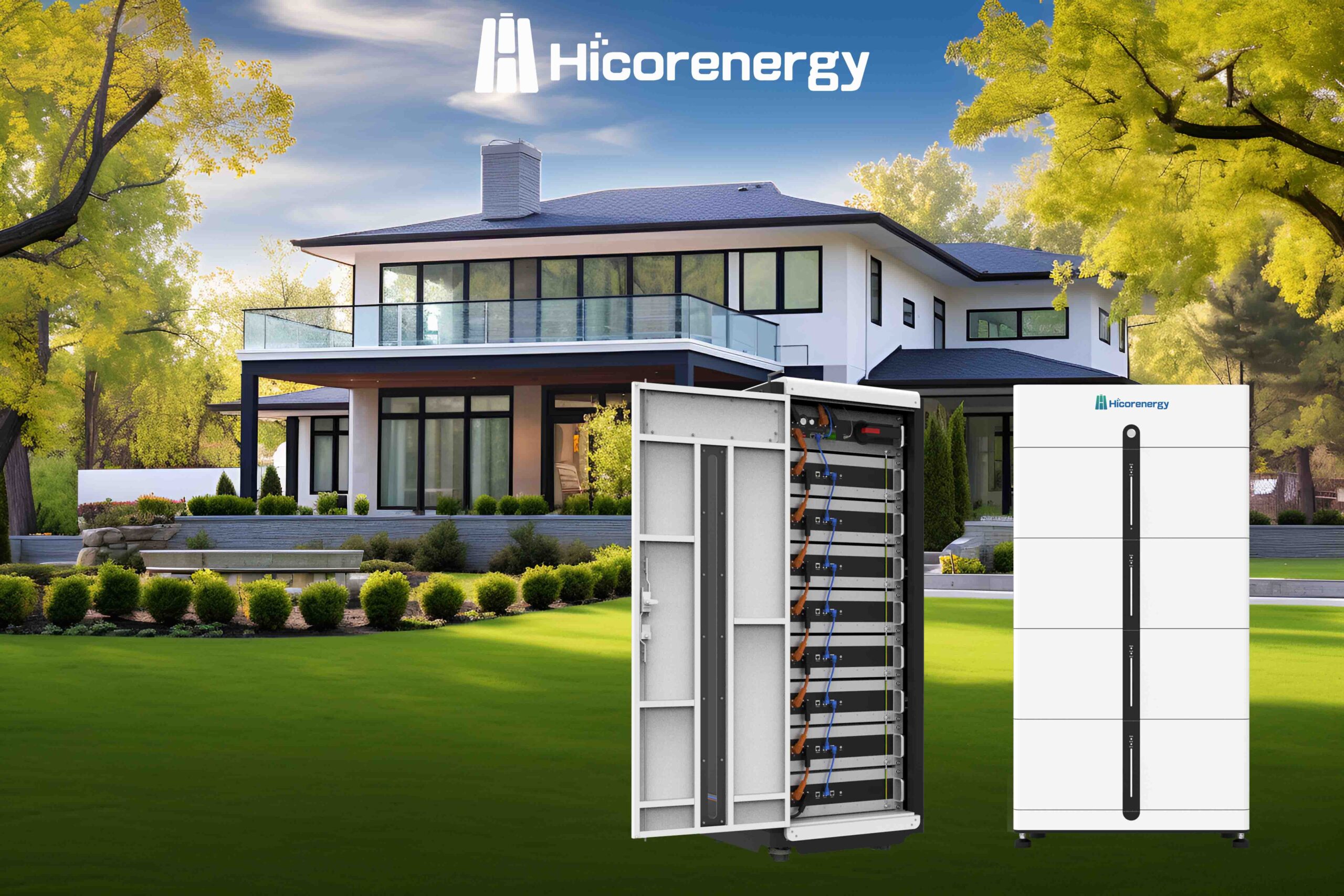
The global energy storage battery market is expanding rapidly due to rising renewable energy integration, growing demand for backup power, and advancements in lithium-ion technology. Key trends include regional diversification, evolving regulations, and increased investment in storage solutions that support grid stability and energy independence worldwide.

Key Drivers of Market Growth
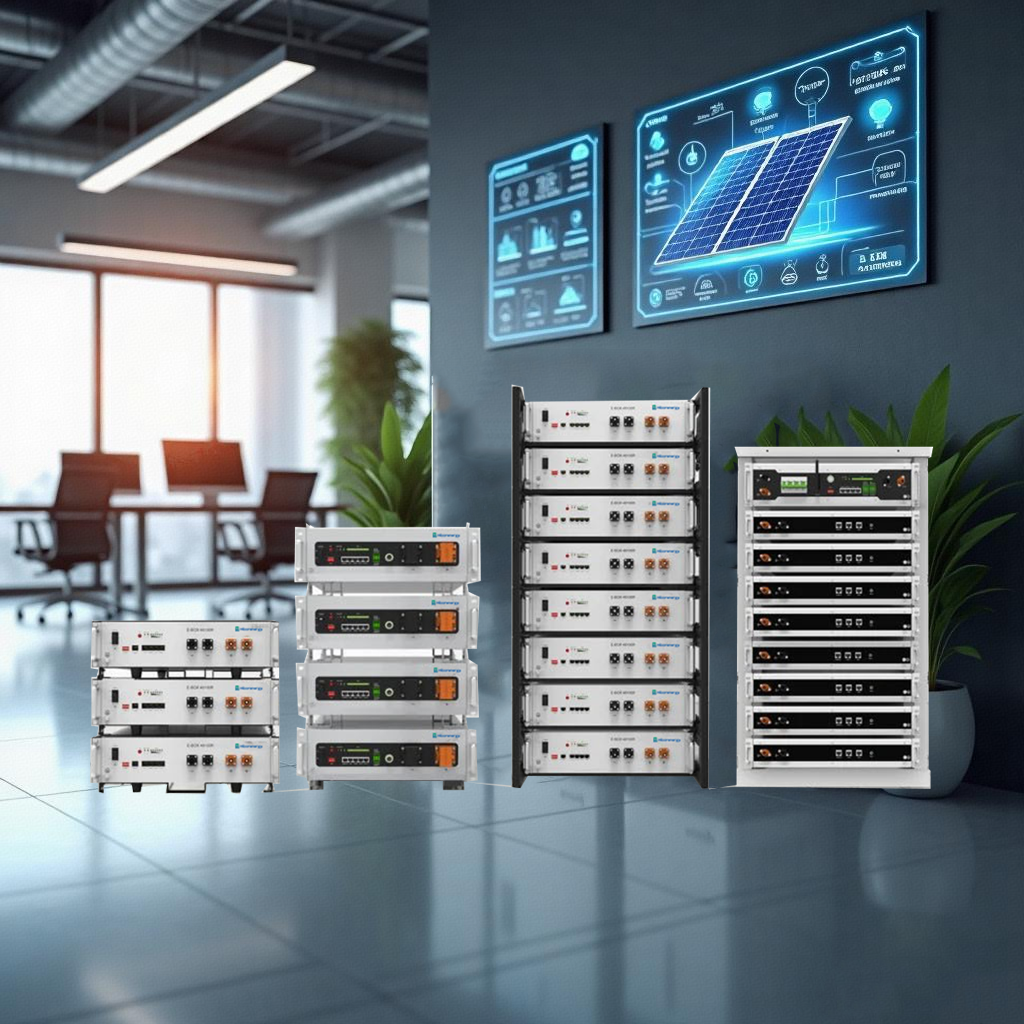
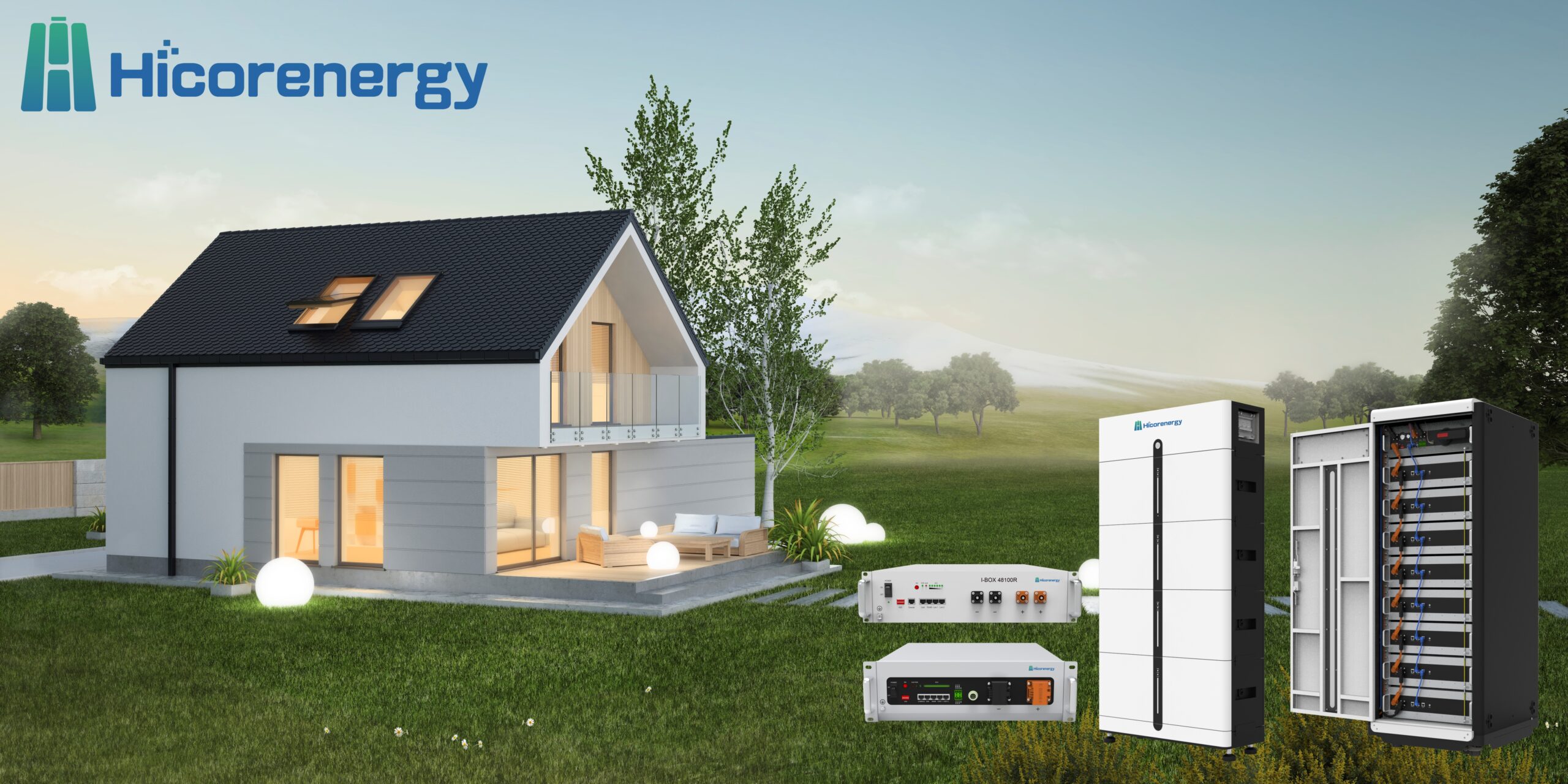
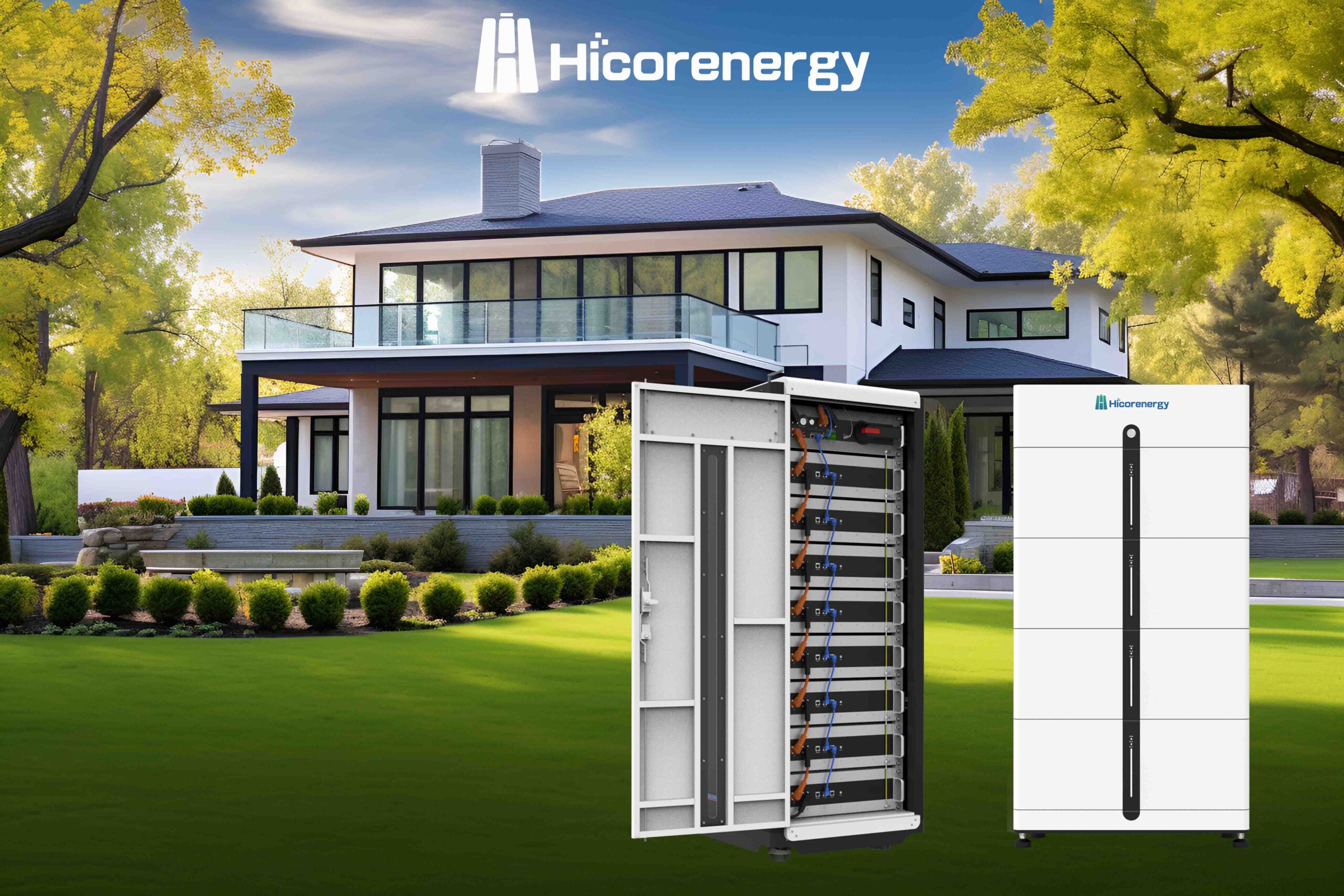
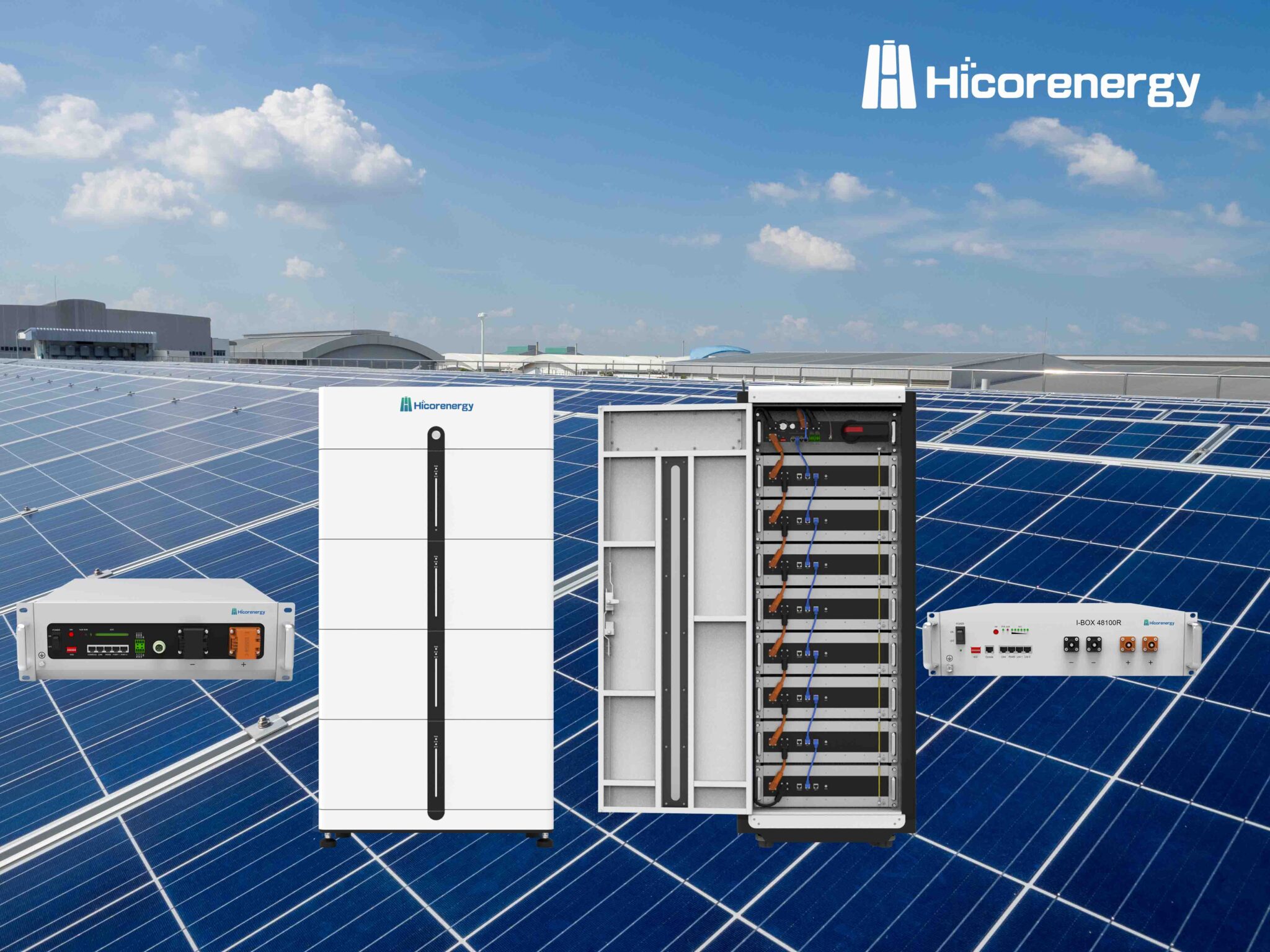
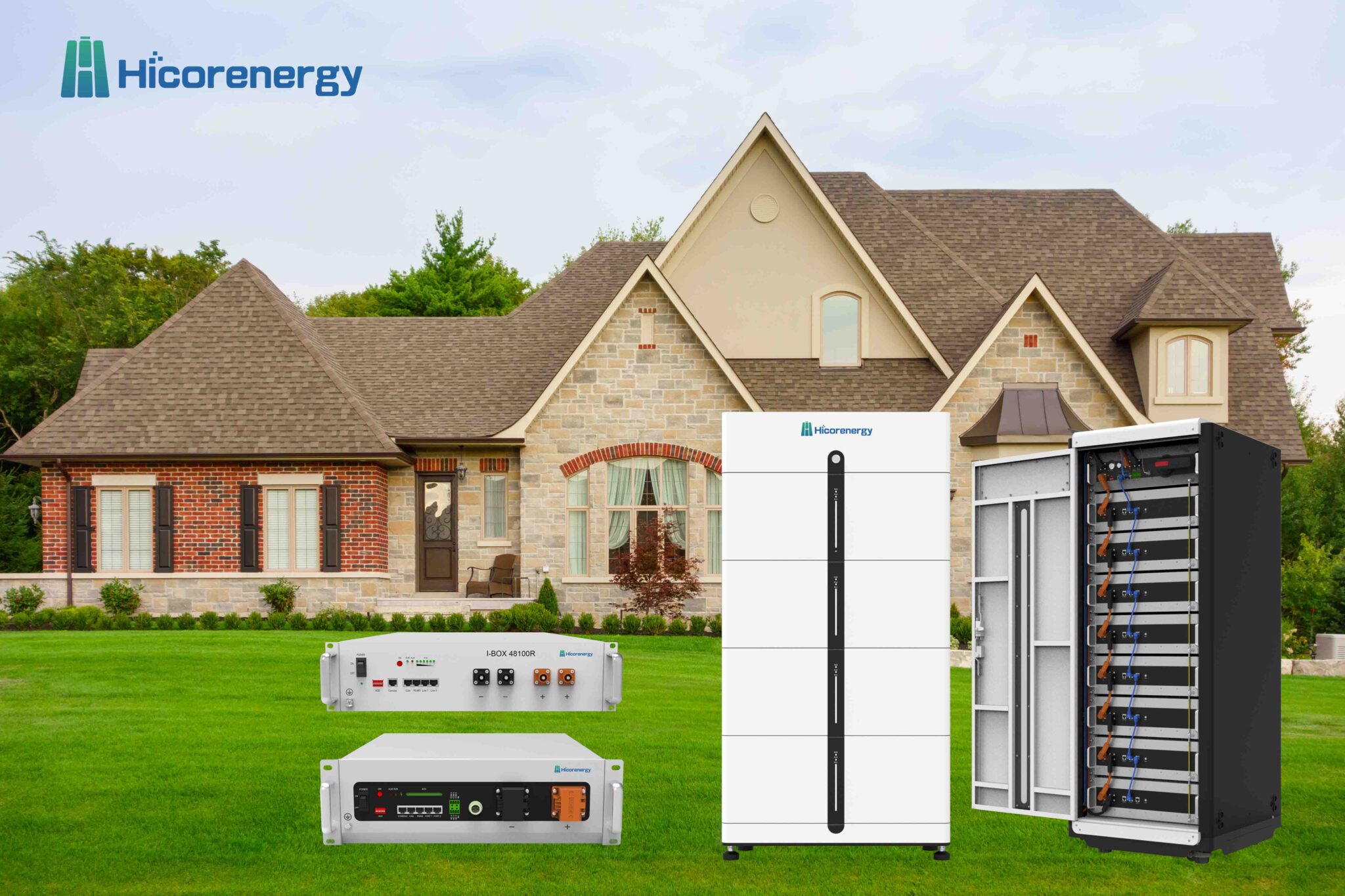
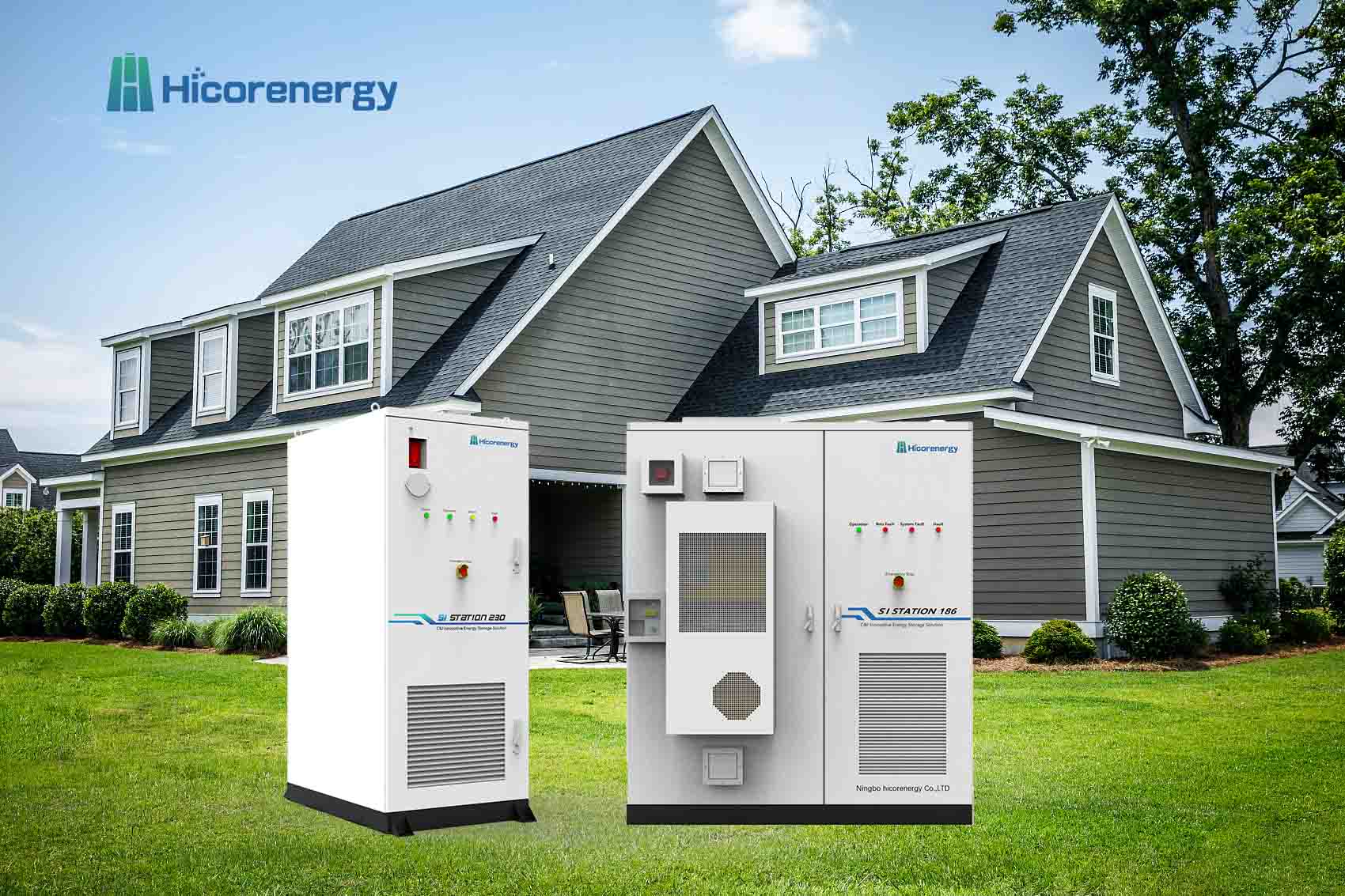
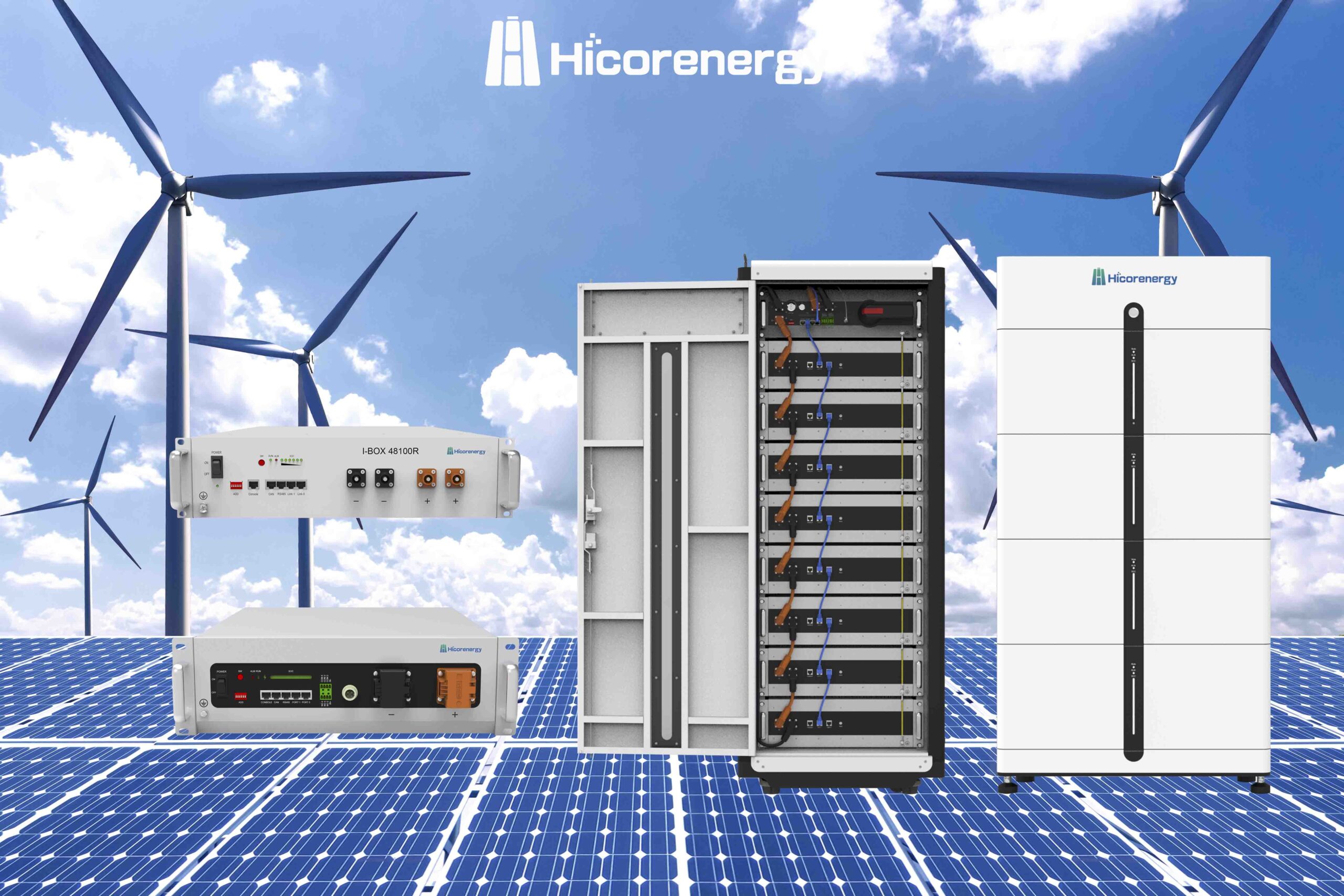
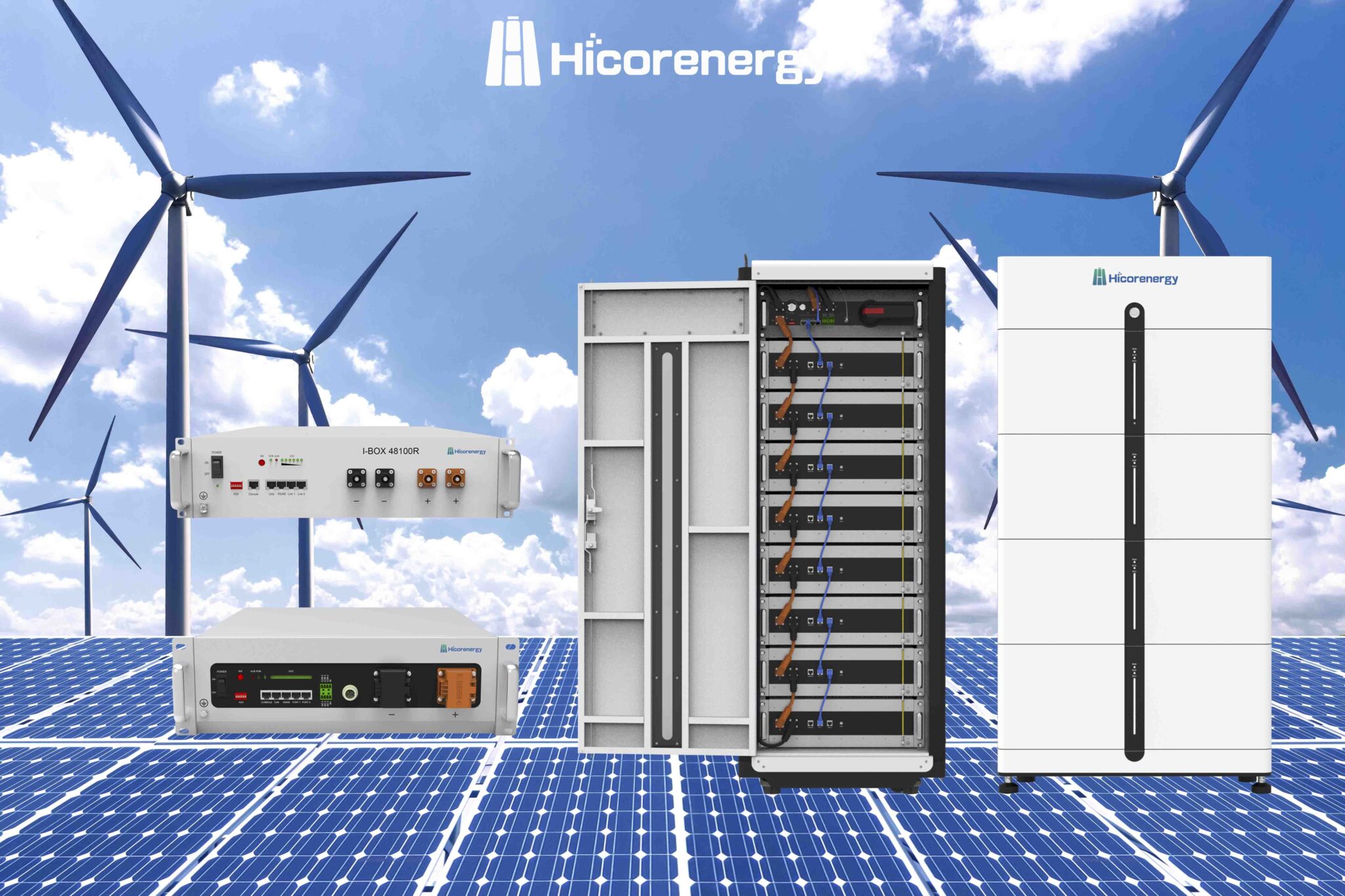
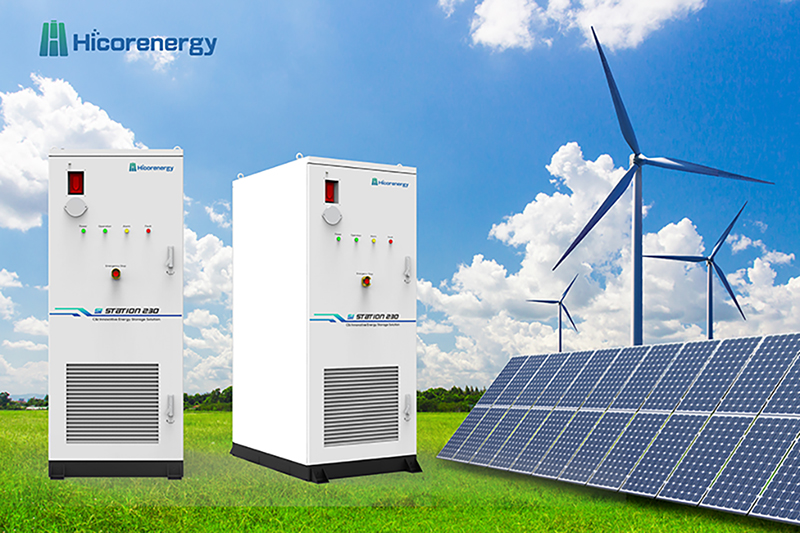
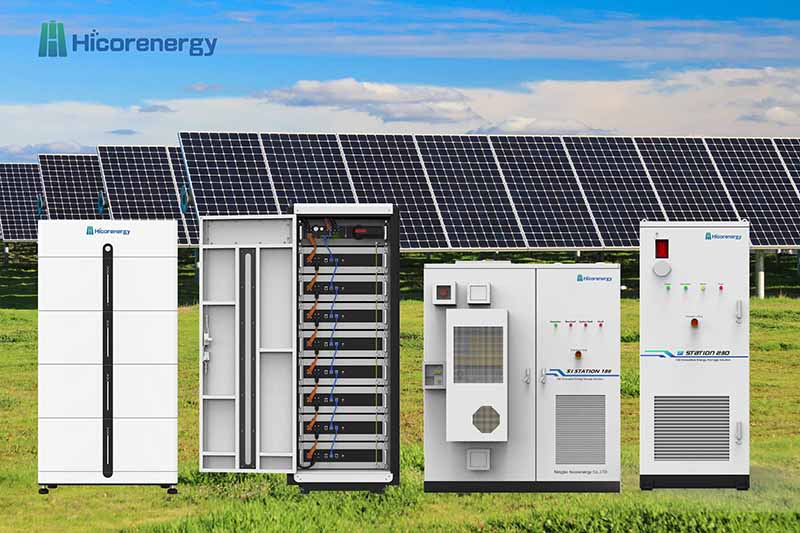
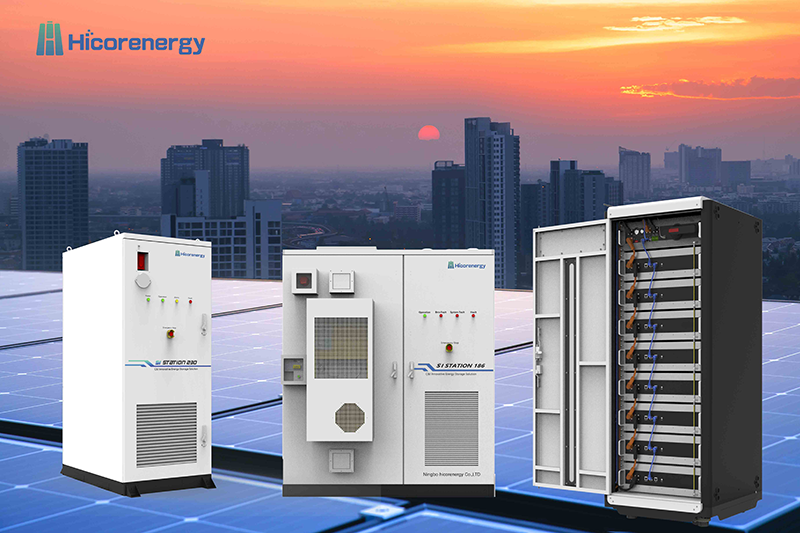
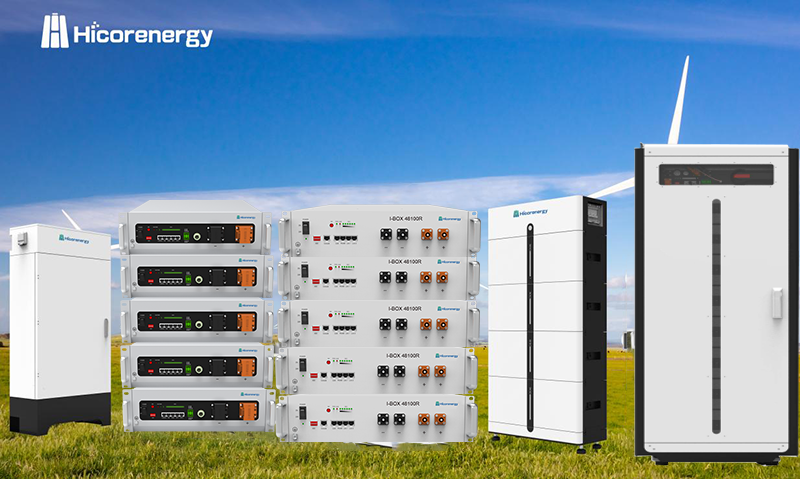
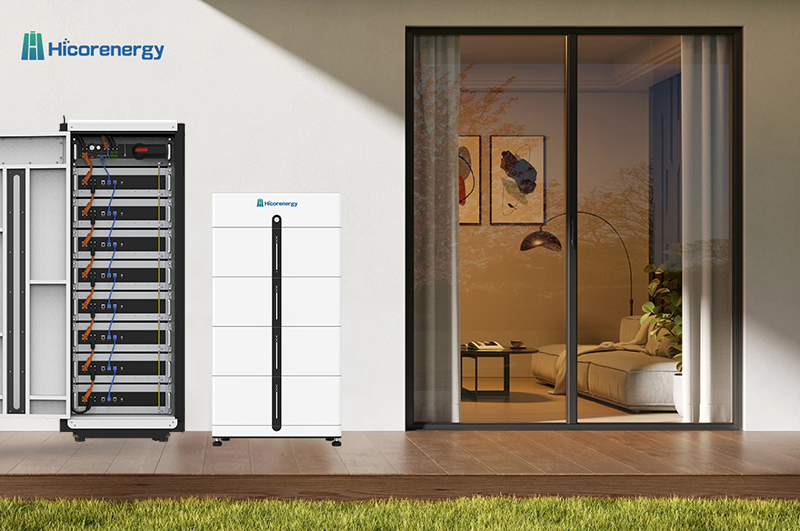
Several drivers are fueling the rapid growth of the energy storage battery market. The accelerating adoption of renewable energy, especially solar and wind, requires efficient storage systems to stabilize intermittent supply. Rising electricity demand in both developed and emerging economies also contributes to market expansion. Additionally, the shift toward carbon neutrality and supportive government policies incentivize investment in battery technologies. Technological advancements, particularly in lithium iron phosphate (LiFePO₄) batteries, enhance cycle life, efficiency, and safety, making them the preferred choice for both residential and commercial applications. Companies like Hicorenergy are spearheading this shift with high-performance products such as the I-BOX 48100R and scalable solutions designed for diverse applications across homes, businesses, and utilities.
Leading Battery Technologies in the Market
Lithium-ion batteries dominate the market due to their high efficiency, long lifespan, and scalability. Alternatives like lead-acid and flow batteries are also present, but their use is limited to specific applications. Growing R&D efforts in solid-state batteries promise even greater performance, signaling an exciting future for storage technology advancements.
Regional Analysis: Market Trends by Continent
The energy storage battery market exhibits unique characteristics across continents. In North America, demand is driven by renewable energy integration and resilience against grid instability. Europe leads in regulatory support, with nations like Germany promoting storage adoption to enhance clean energy transitions. Asia-Pacific, particularly China, Japan, and South Korea, shows rapid expansion due to industrialization, government subsidies, and large-scale renewable deployment. Africa, with countries like Nigeria and Kenya, increasingly embraces storage solutions to address unreliable grids and energy access challenges. Meanwhile, Latin America and the Middle East are emerging markets, gradually scaling up their adoption as infrastructure investments accelerate. These regional dynamics collectively contribute to a robust and competitive global landscape.
| Region | Key Drivers | Key Countries | Market Characteristics |
| North America | Renewable energy integration, resilience against grid instability | United States, Canada | Strong demand due to renewable energy adoption and grid stability concerns. |
| Europe | Regulatory support, clean energy transitions | Germany, France, UK, Spain | Leading in regulatory incentives and policies promoting energy storage adoption for clean energy transitions. |
| Asia-Pacific | Industrialization, government subsidies, large-scale renewable energy deployment | China, Japan, South Korea | Rapid expansion driven by government support, industrial growth, and large-scale renewable projects. |
| Africa | Addressing unreliable grids, improving energy access | Nigeria, Kenya | Growing adoption to solve energy access issues and unreliable grid infrastructure. |
| Latin America | Emerging infrastructure investments, gradual scaling of energy storage solutions | Brazil, Argentina, Chile | Emerging market with increasing adoption driven by infrastructure development. |
| Middle East | Infrastructure development, investment in energy storage solutions | UAE, Saudi Arabia, Qatar | Gradual adoption fueled by infrastructure investments and energy diversification efforts. |
Challenges Facing the Energy Storage Battery Market
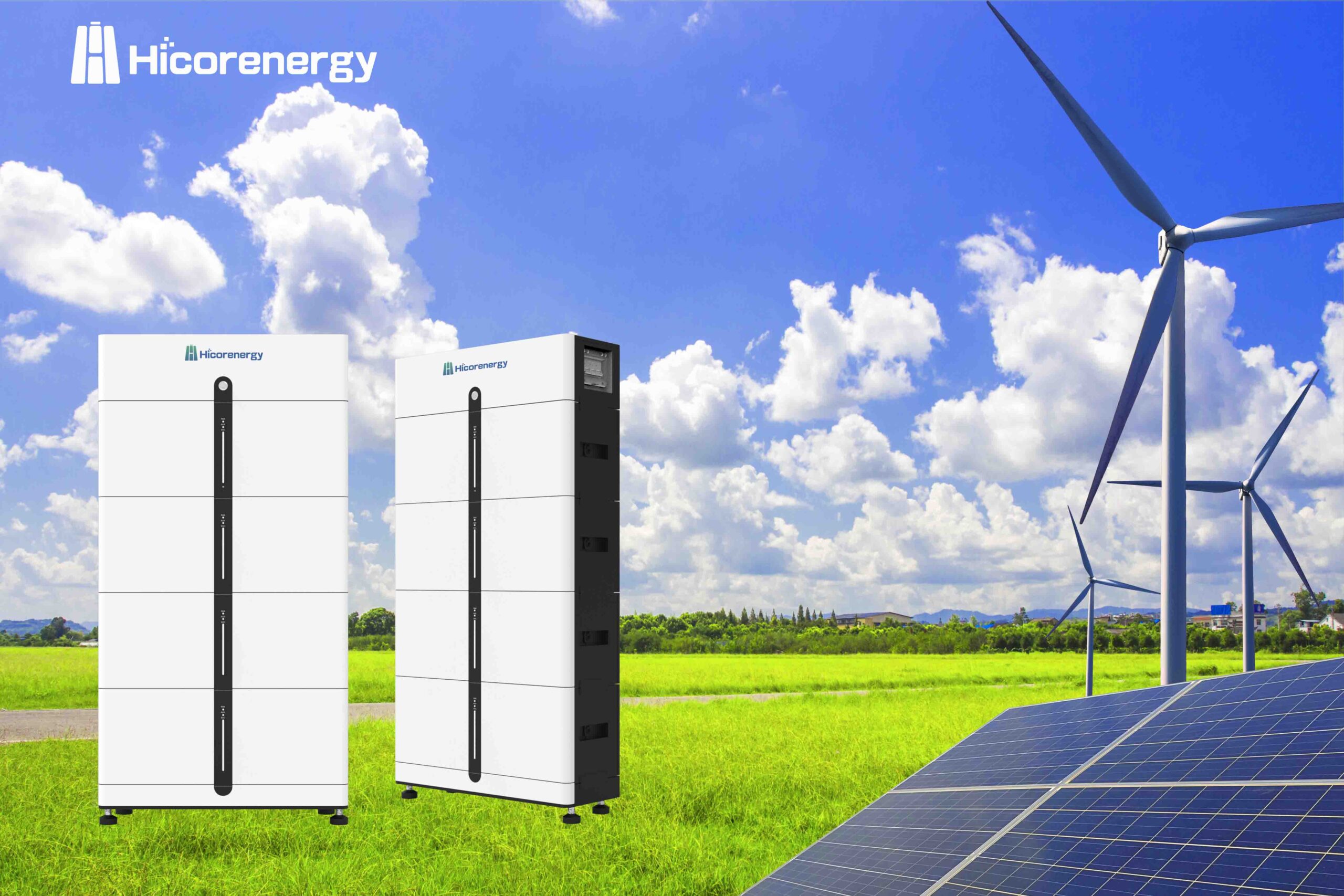
Despite strong momentum, the market faces significant challenges. High upfront costs remain a barrier, especially in developing regions where affordability is a priority. Supply chain constraints, including raw material shortages for lithium and cobalt, also impact pricing and availability. Additionally, recycling and disposal of used batteries present environmental concerns. To address these challenges, providers like Hicorenergy offer solutions designed for cost-effectiveness, safety, and long-term value. For example, Hicorenergy’s C5° system features remote monitoring, wide temperature adaptability, and high efficiency, while the Si LV1 provides modular scalability and rapid installation. These innovations demonstrate how high-quality energy storage batteries can mitigate industry pain points and build consumer trust.
Future Outlook and Market Opportunities
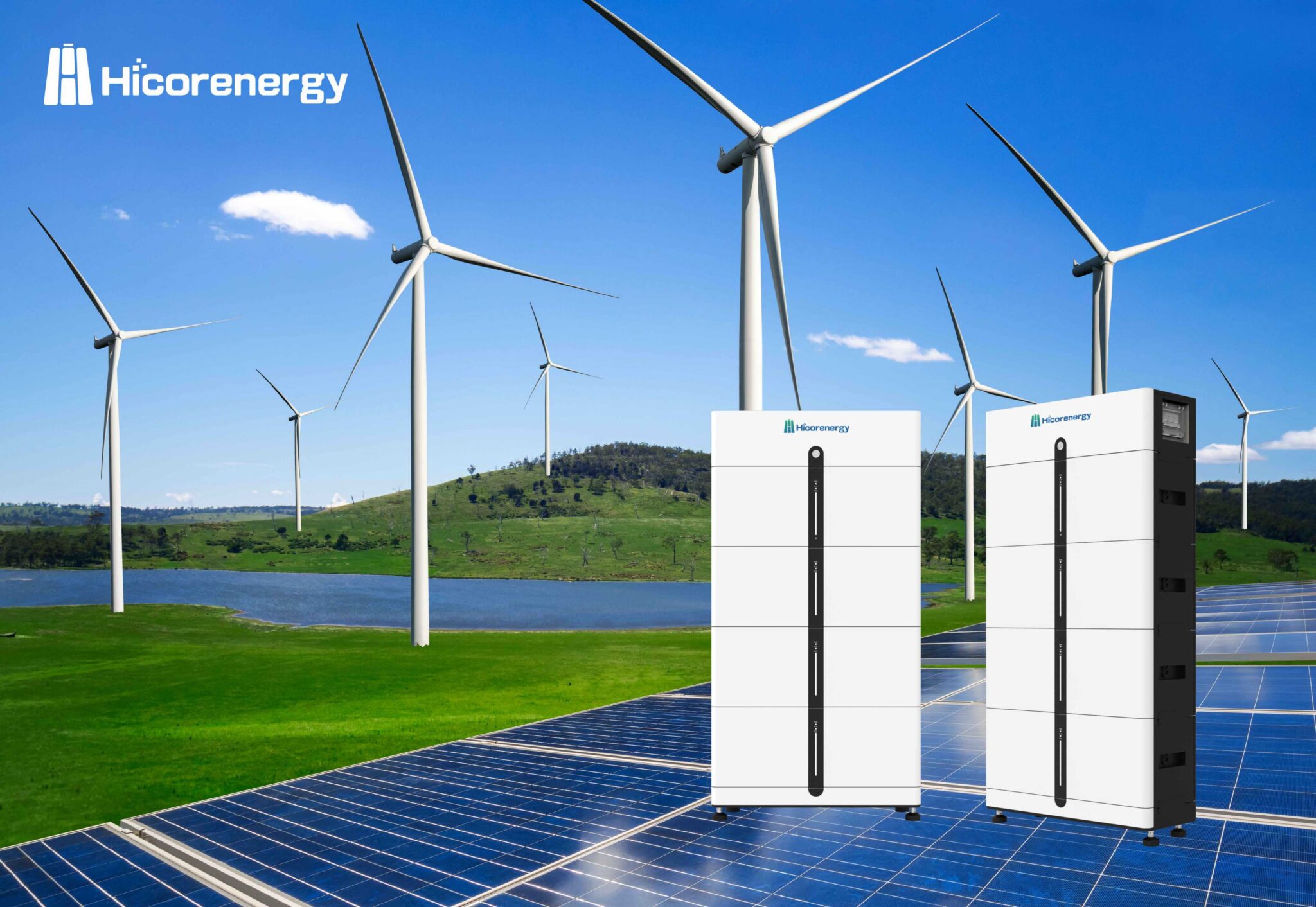
The future of the global energy storage battery market looks promising, with rising demand across residential, commercial, and utility-scale applications. Investments in green energy, electrification of transportation, and smart grid infrastructure will continue to accelerate adoption. Emerging technologies like solid-state batteries and enhanced recycling solutions will further strengthen sustainability. For companies like Hicorenergy, opportunities lie in delivering advanced lithium-ion solutions that combine scalability, safety, and cost-effectiveness. As more countries commit to carbon reduction targets, the energy storage battery market is expected to play a pivotal role in enabling a clean and resilient energy future.
Summary
The global energy storage battery market is driven by renewable integration, regional demand, and technological innovation. With advanced products like the I-BOX 48100R and Si LV1, Hicorenergy empowers households and industries to embrace reliable, efficient, and sustainable energy solutions.
Contact Hicorenergy today:

-2048x617.png)









-7-2048x617.png)


-7-2048x617.png)


 English
  Español
  Deutsch
  Français
  Italiano
  Bahasa Indonesia
  Svenska
  Română
  Українська
  Tagalog