-scaled.png)
-2048x1135-1.png)
Artificial intelligence and big data are rapidly transforming battery quality across the energy storage industry. By enabling smarter testing, predictive maintenance, real-time monitoring, and sustainable manufacturing, AI in energy storage is redefining how next-generation batteries are designed, managed, and deployed. This article explores how data-driven technologies are improving battery quality, safety, and long-term performance across modern energy systems.
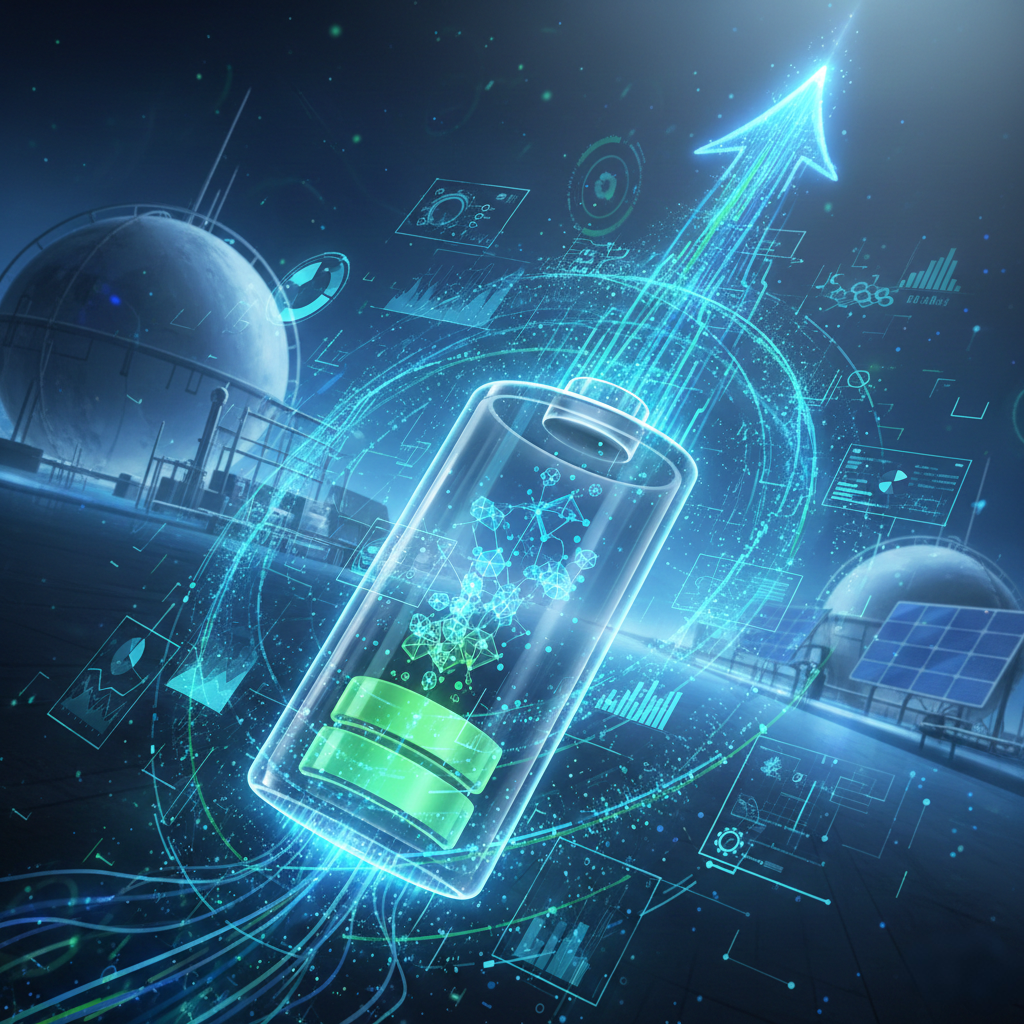
Table of Contents
AI-Powered Battery Testing: Accelerating Quality Assurance and Performance Validation
Ensuring high battery quality has always been one of the biggest challenges in energy storage manufacturing. Traditional battery testing relies on time-consuming charge–discharge cycles and manual inspection, which can delay product release and still miss hidden defects. AI-powered battery testing is changing this process entirely.
Using machine learning models trained on historical test data, manufacturers can now detect anomalies in voltage curves, internal resistance, and thermal behavior at a much earlier stage. These AI systems rapidly analyze thousands of parameters simultaneously, accelerating quality assurance while improving accuracy. As a result, battery quality becomes more consistent across large-scale production, and underperforming cells can be eliminated before assembly.
For energy storage companies like Hicorenergy, AI-driven testing supports the development of reliable battery solutions for residential, commercial, and industrial applications, where battery quality directly impacts safety, lifespan, and return on investment.
Big Data Analytics for Predictive Maintenance in Energy Storage Systems
High battery quality does not end at manufacturing—it must be maintained throughout the battery’s operational life. Big data analytics enables predictive maintenance for batteries by continuously collecting and analyzing operational data from deployed energy storage systems.
By examining usage patterns, temperature fluctuations, and state-of-health trends, predictive maintenance batteries can identify early warning signs of degradation. This approach reduces unexpected downtime, extends battery life, and improves overall system reliability. In the next sections, we will explore how machine learning and AI-driven monitoring take predictive maintenance even further, unlocking smarter energy storage solutions.
Machine Learning Algorithms: Optimizing Battery Materials and Cell Design
Machine learning battery optimization is playing a critical role in improving battery quality from the inside out. Advanced algorithms analyze massive datasets from material experiments, simulation models, and field performance to identify optimal combinations of cathode materials, electrolytes, and cell structures.
Instead of relying on trial-and-error, researchers can use AI to predict how material changes will affect energy density, cycle life, and safety. This significantly shortens R&D cycles while improving battery quality and consistency. For smart energy storage systems, optimized cell design leads to higher efficiency and better compatibility with advanced battery management system AI platforms.
At Hicorenergy, insights from machine learning help inform the development of scalable energy storage batteries that deliver stable performance across diverse operating environments.
Real-Time Monitoring with AI: Enhancing Battery Safety and Longevity
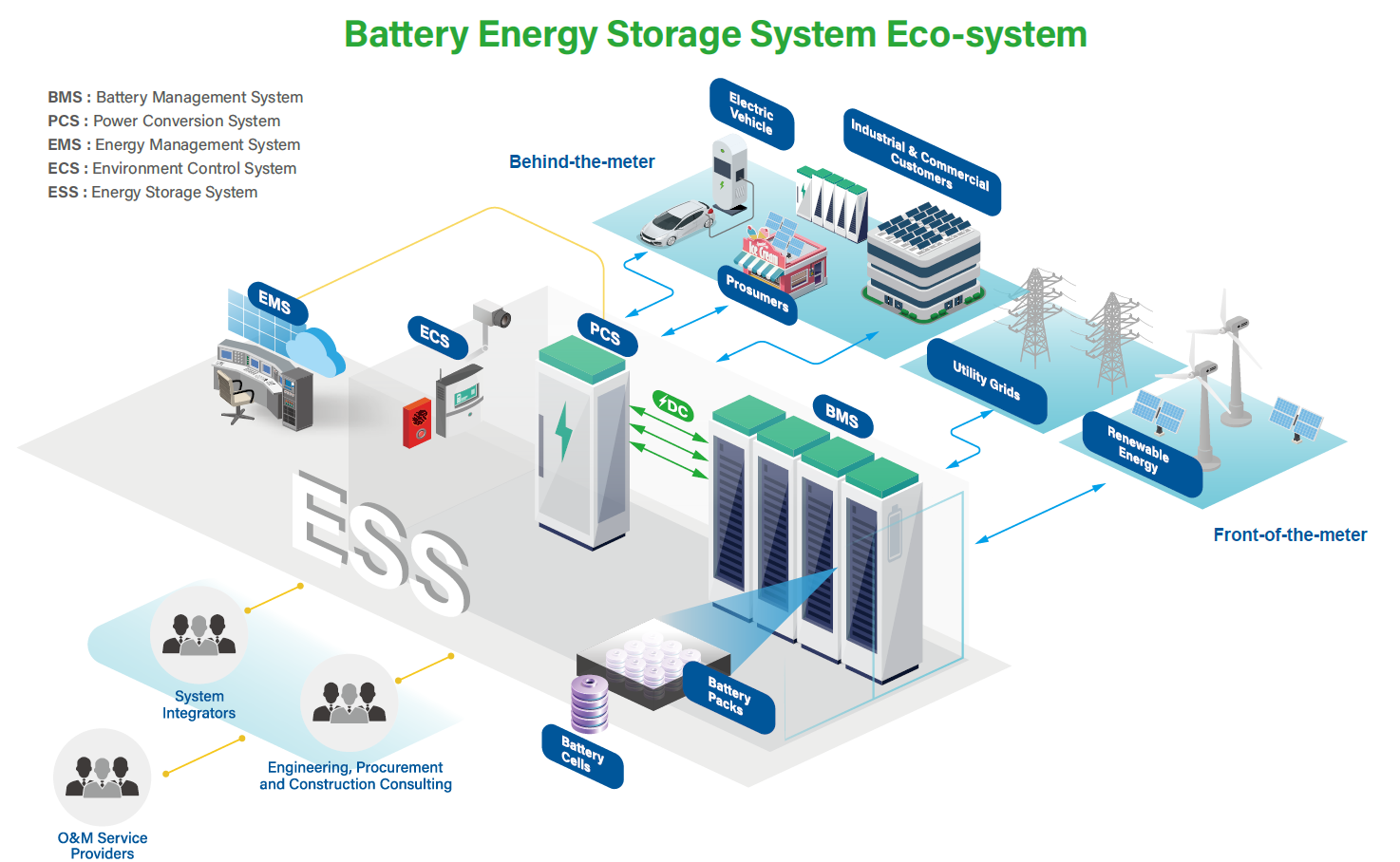
Battery safety is a core component of battery quality, especially for large-scale energy storage installations. Real-time monitoring powered by AI enables continuous analysis of temperature, voltage imbalance, and current flow at both cell and system levels.
A battery management system AI can instantly detect abnormal behavior and trigger protective actions before failures occur. This not only prevents thermal runaway but also slows long-term degradation, improving battery quality over thousands of cycles. For smart energy storage deployments, AI-based monitoring transforms reactive maintenance into proactive system optimization, ensuring safer and longer-lasting batteries.

Data-Driven Insights for Sustainable Battery Manufacturing and Recycling
Sustainability is increasingly tied to battery quality and lifecycle management. Big data analytics allows manufacturers to track material usage, energy consumption, and waste generation across production lines. These insights enable cleaner manufacturing processes without compromising battery quality.
In recycling, AI models analyze end-of-life battery data to determine remaining value and optimal reuse pathways. This data-driven approach supports circular energy storage ecosystems, where high battery quality is maintained even in second-life applications. For companies focused on smart energy storage, sustainability and performance are no longer competing goals—they reinforce each other.
The Future of Energy Storage: Integrating AI and Big Data for Smarter Grid Solutions
Looking ahead, the integration of AI in energy storage with grid-level big data will unlock truly intelligent energy systems. Smart energy storage platforms will dynamically respond to grid demand, renewable generation, and pricing signals while preserving battery quality.
Predictive maintenance batteries, real-time AI monitoring, and machine learning optimization will work together to balance performance and longevity. This convergence ensures that next-generation energy storage not only supports renewable integration but also delivers long-term economic value through superior battery quality.
Hicorenergy: Delivering High Battery Quality Through Smart Energy Storage
Hicorenergy provides advanced energy storage solutions designed for reliability, safety, and long-term battery quality. By integrating intelligent battery management system AI and data-driven design, Hicorenergy supports smart energy storage applications worldwide.
Contact us:
Email: service@hicorenergy.com
WhatsApp: +86 181-0666-0961
-2048x617.png)
 English
  Español
  Deutsch
  Français
  Italiano
  Bahasa Indonesia
  Svenska
  Română
  Українська
  Tagalog