Day: December 26, 2025

  • 5 Problems Home Energy Storage Can Help You Solve

    5 Problems Home Energy Storage Can Help You Solve

    Home Energy Storage

    What are the benefits of home energy storage?

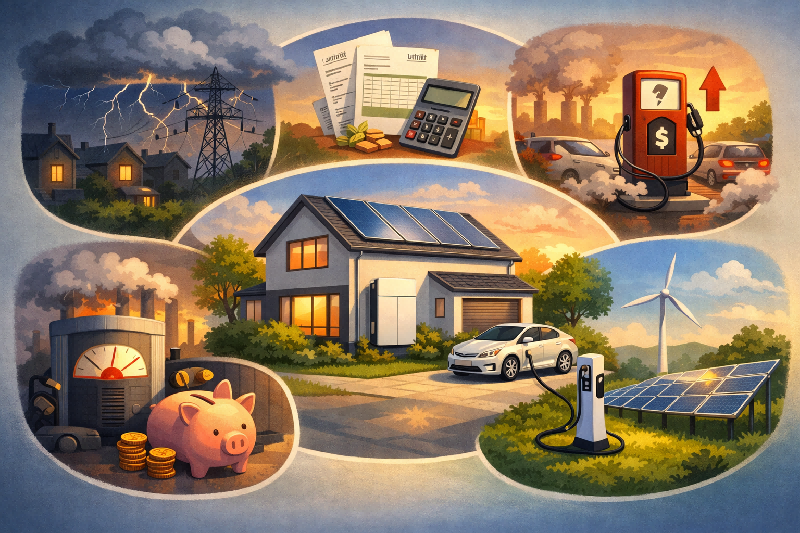
    Home energy storage systems provide reliable backup power, reduce electricity costs, optimize energy usage, support sustainable energy integration, and enhance energy independence. By storing excess solar or grid energy, they ensure continuous power supply, minimize reliance on the grid, and contribute to a greener future.

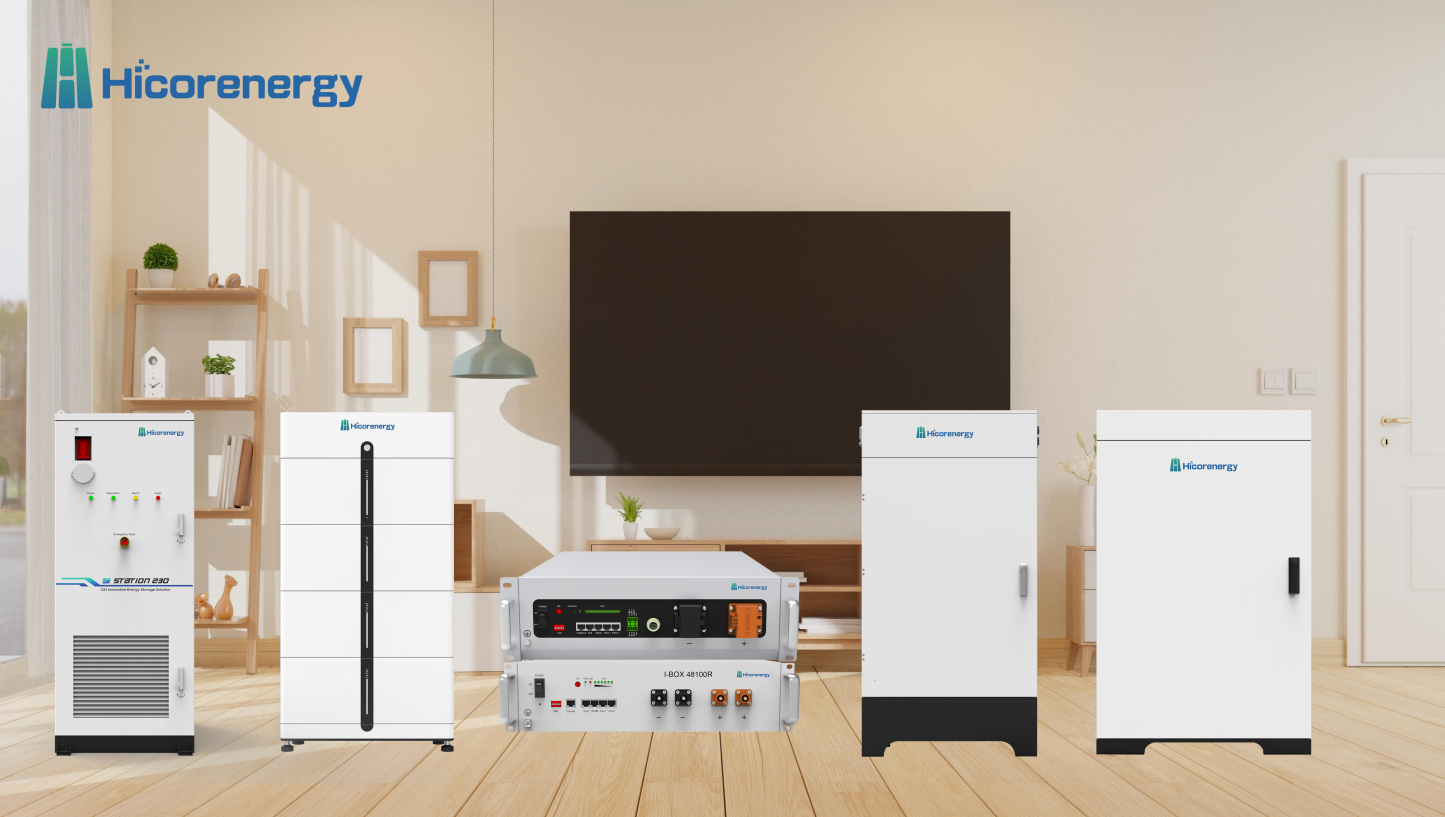
    Hicorenergy Home Energy Storage System

    Hicorenergy is a leading provider of battery energy storage systems, offering advanced solutions designed to enhance energy efficiency and sustainability. With cutting-edge lithium-ion battery technology, Hicorenergy’s products are engineered for durability, reliability, and seamless integration with solar energy systems. These storage solutions help homeowners reduce dependence on grid power, minimize the impact of power outages, and lower electricity costs. Hicorenergy provides scalable and high-performance energy storage solutions, ensuring long-term value and optimal energy management.

    5 Benefits of Home Energy Storage

    1. Protection Against Power Outages

    Power outages are an increasing concern worldwide due to extreme weather events, infrastructure failures, and rising energy demand. A home energy storage system acts as a power backup, instantly delivering electricity when the grid goes down. Unlike traditional generators, battery energy storage provides silent, maintenance-free operation without relying on fossil fuels.

    With a system like Hicorenergy’s I-BOX 48100R, homeowners can store excess power from the grid or solar energy and use it when needed. This ensures uninterrupted power supply for essential home appliances, including refrigerators, medical devices, and security systems. With remote monitoring capabilities, users can manage and optimize power usage, ensuring reliability and peace of mind.

    2. Lower Electricity Bills

    Electricity prices continue to rise due to increasing energy demand and grid maintenance costs. A battery energy storage system allows homeowners to store electricity when rates are low and use it during peak hours when prices are higher. This process, known as time-of-use optimization, significantly reduces monthly electricity bills.

    For homes with solar panels, excess solar energy generated during the day can be stored instead of being sent back to the grid. This maximizes self-consumption, minimizing dependency on external power sources. Hicorenergy’s home energy storage solutions feature high-efficiency lithium-ion batteries, ensuring long-lasting performance and cost savings.

    3. Increased Energy Independence

    Many homeowners seek energy independence to reduce reliance on utility providers and protect themselves from fluctuating electricity costs. By integrating home energy storage with renewable energy sources like solar energy, households can generate and store their own electricity.

    Hicorenergy’s Si LV1 system offers modular expansion, allowing homeowners to scale up their energy storage capacity based on their needs. With off-grid capabilities, homes can maintain stable power supply, even in remote areas or during extended grid failures. This is particularly valuable for homeowners in regions with frequent power outages or unreliable grid power.

    4. Contribution to a Sustainable Future

    Transitioning to clean energy is crucial in combating climate change and reducing carbon footprints. Home energy storage plays a vital role in the energy revolution, enabling households to make the most of renewable energy sources.

    By integrating solar energy with battery storage, homeowners reduce dependence on fossil fuels, contributing to a sustainable energy future. Hicorenergy’s storage solutions are designed for maximum efficiency and eco-friendliness, with long lifespan and recyclable components. Investing in home energy storage supports global efforts toward a cleaner, greener planet.

    5. Flexibility and Scalability for Different Needs

    No two homes have the same energy requirements. Some households require basic backup power, while others need large-scale battery energy storage systems for long-term off-grid living. Home energy storage solutions are highly flexible, allowing users to customize and expand their systems as needed.

    Hicorenergy’s I-BOX 48100R and Si LV1 systems are designed for scalability, enabling homeowners to increase storage capacity effortlessly. These modular energy storage solutions support different installation methods, including wall-mounted, floor-standing, and rack-mounted configurations. With remote monitoring and optimization, homeowners can manage their energy usage efficiently, ensuring maximum performance and savings.
    Home Energy Storage

    Energy Storage System Options for Different Needs

    1. Lithium-Ion Battery Storage

    Lithium-ion batteries are the most widely used energy storage technology due to their high efficiency, long lifespan, and fast charging capabilities. Hicorenergy’s residential energy storage batteries feature Tier 1 Automotive Grade A LiFePO4 cells, ensuring exceptional performance and durability.

    Benefits of lithium-ion battery storage include:

    • Higher energy density, allowing for compact and space-saving installations
    • Long cycle life, with over 6000 cycles at 90% depth of discharge
    • High round-trip efficiency of over 95%, reducing energy waste
    • Maintenance-free operation, unlike traditional lead-acid batteries

    2. Hybrid Energy Storage Systems

    Hybrid systems combine solar energy, grid power, and battery storage, ensuring seamless power supply. These systems allow homes to:

    • Store excess solar energy for later use
    • Draw power from the grid when necessary
    • Automatically switch between energy sources based on real-time demand

    Hicorenergy’s C5° battery offers remote monitoring, high charge/discharge rates, and intelligent power management, making it an excellent hybrid energy storage solution.

    3. All-in-One Energy Storage Solutions

    For homeowners seeking a compact, easy-to-install solution, all-in-one energy storage systems offer a plug-and-play experience. Hicorenergy’s Si LV1 system is designed for:

    • Quick installation (15 minutes setup)
    • Scalability, with capacity expansion up to 30.72kWh
    • Smart monitoring and remote upgrades
    • Indoor and outdoor installation options (IP55-rated protection)

    These features ensure reliable, hassle-free energy storage for a wide range of applications.

    Challenges and Future Developments in Household Energy Storage

    1. Initial Costs and Affordability

    While home energy storage offers significant long-term savings, the upfront cost can be a barrier for some homeowners. However, falling battery costs, government incentives, and financing options are making energy storage systems more affordable.

    2. Battery Lifespan and Performance

    Battery degradation is a common concern. Advances in battery technology, including improved lithium-ion chemistry and intelligent battery management systems (BMS), are increasing efficiency and longevity. Hicorenergy’s batteries are designed for over 6000 cycles, ensuring long-lasting performance.

    3. Grid Integration and Policy Regulations

    Many regions are still developing policies for integrating home energy storage with grid power. Ongoing developments in smart grids and energy management are expected to improve grid compatibility and unlock new revenue streams for homeowners through energy trading and demand response programs.

    4. Future Technological Advancements

    The future of home energy storage includes innovations like:

    • AI-driven energy management for optimized power usage
    • Next-generation battery materials for improved efficiency
    • Vehicle-to-home (V2H) technology, allowing EVs to act as home battery storage
    • More compact, lightweight designs for seamless installation

    These developments will further enhance the accessibility, efficiency, and affordability of home energy storage solutions.

    Home Energy Storage

    Which Type of Battery Is Best for a Home Solar System?

    When selecting a battery for a home solar system, it’s essential to consider efficiency, lifespan, safety, and cost-effectiveness. Here are the top battery types:

    1. Lithium-Ion Batteries (LiFePO4)

    • Best for: Long lifespan, high efficiency, and compact installations.
    • Efficiency: ≥6000 cycles at 90% DOD with >95% round-trip efficiency.
    • Advantages: Lightweight, fast charging, and minimal maintenance.
    • Example: Hicorenergy’s I-BOX 48100R and Si LV1, featuring Tier 1 Automotive Grade A LiFePO4 cells, ensure durability and top-tier performance.

    2. Lead-Acid Batteries

    • Best for: Low-cost, short-term storage needs.
    • Efficiency: 50-70% round-trip efficiency, shorter lifespan (~1000-1500 cycles).
    • Advantages: Lower upfront cost, widely available.
    • Drawbacks: Larger and heavier, shorter lifespan, and higher maintenance needs.

    3. Flow Batteries

    • Best for: Long-duration storage and off-grid applications.
    • Efficiency: 70-80% round-trip efficiency.
    • Advantages: Long lifespan (~10,000 cycles), minimal degradation.
    • Drawbacks: Lower energy density, higher upfront cost.

    For residential solar systems, lithium-ion batteries offer the best balance of performance, longevity, and cost-effectiveness, making them the preferred choice for reliable and efficient solar energy storage.

    Solar Batteries: Are They Worth the Cost?

    Yes, solar batteries are worth the investment for homeowners aiming for energy independence, cost savings, and sustainability. Here’s why:

    1. Lower Electricity Bills:

    • Store excess solar energy and use it during peak hours to avoid expensive grid rates.
    • Participate in time-of-use (TOU) optimization to maximize savings.

    2. Backup Power During Outages:

    • Provide reliable electricity during blackouts, ensuring continuity of essential services.
    • Hicorenergy’s C5° and Si LV1 offer scalable, high-performance backup solutions.

    3. Increased Self-Consumption:

    • Reduce energy waste by storing surplus solar power instead of feeding it back into the grid.
    • Achieve greater energy independence from fluctuating electricity prices.

    4. Long-Term Value:

    • With 6000+ cycles and a 10-20 year design life, advanced solar batteries offer durability and reliable performance.

    Solar batteries are a smart, long-term investment, providing financial, environmental, and security benefits, making them highly worthwhile.

    Buying a Solar Battery? Don’t Miss These Smart Tips

    When purchasing a solar battery, consider the following tips to maximize value and performance:

    1. Choose the Right Capacity:

    • Assess your energy consumption to determine the required storage capacity.
    • For larger households, opt for scalable systems like Hicorenergy’s Si LV1, which expands up to 30.72 kWh.

    2. Prioritize Efficiency and Longevity:

    • Select batteries with high round-trip efficiency (>95%) and long cycle life (6000+ cycles) for durability.
    • Look for a 10-year warranty or more for long-term peace of mind.

    3. Ensure Compatibility with Your Solar System:

    • Verify inverter compatibility to ensure seamless integration.
    • Hicorenergy’s I-BOX 48100R and C5° are compatible with most leading inverters.

    4. Consider Smart Features:

    • Opt for batteries with remote monitoring and management for enhanced control and optimization.
    • Hicorenergy’s C5° offers real-time monitoring, error detection, and remote upgrades.

    5. Factor in Installation and Maintenance:

    • Choose easy-to-install systems with plug-and-play designs, like Si LV1, for quick and hassle-free setup.
    • Look for low-maintenance lithium-ion options for convenience.

    Select a reliable provider like Hicorenergy, offering scalable, efficient, and long-lasting solar battery solutions for residential energy independence.

    Conclusion

    Home energy storage systems provide backup power, cost savings, energy independence, sustainability, and flexibility, making them an essential investment for homeowners. With Hicorenergy’s innovative energy storage solutions, users can take control of their energy consumption and embrace a clean, sustainable future.

    Home Energy Storage

  • How Are AI and Big Data Revolutionizing Battery Quality for Next-Gen Energy Storage?

    How Are AI and Big Data Revolutionizing Battery Quality for Next-Gen Energy Storage?

    Artificial intelligence and big data are rapidly transforming battery quality across the energy storage industry. By enabling smarter testing, predictive maintenance, real-time monitoring, and sustainable manufacturing, AI in energy storage is redefining how next-generation batteries are designed, managed, and deployed. This article explores how data-driven technologies are improving battery quality, safety, and long-term performance across modern energy systems.

    Battery Quality

    AI-Powered Battery Testing: Accelerating Quality Assurance and Performance Validation

    Ensuring high battery quality has always been one of the biggest challenges in energy storage manufacturing. Traditional battery testing relies on time-consuming charge–discharge cycles and manual inspection, which can delay product release and still miss hidden defects. AI-powered battery testing is changing this process entirely.

    Using machine learning models trained on historical test data, manufacturers can now detect anomalies in voltage curves, internal resistance, and thermal behavior at a much earlier stage. These AI systems rapidly analyze thousands of parameters simultaneously, accelerating quality assurance while improving accuracy. As a result, battery quality becomes more consistent across large-scale production, and underperforming cells can be eliminated before assembly.

    For energy storage companies like Hicorenergy, AI-driven testing supports the development of reliable battery solutions for residential, commercial, and industrial applications, where battery quality directly impacts safety, lifespan, and return on investment.

    Big Data Analytics for Predictive Maintenance in Energy Storage Systems

    High battery quality does not end at manufacturing—it must be maintained throughout the battery’s operational life. Big data analytics enables predictive maintenance for batteries by continuously collecting and analyzing operational data from deployed energy storage systems.

    By examining usage patterns, temperature fluctuations, and state-of-health trends, predictive maintenance batteries can identify early warning signs of degradation. This approach reduces unexpected downtime, extends battery life, and improves overall system reliability. In the next sections, we will explore how machine learning and AI-driven monitoring take predictive maintenance even further, unlocking smarter energy storage solutions.

    Machine Learning Algorithms: Optimizing Battery Materials and Cell Design

    Machine learning battery optimization is playing a critical role in improving battery quality from the inside out. Advanced algorithms analyze massive datasets from material experiments, simulation models, and field performance to identify optimal combinations of cathode materials, electrolytes, and cell structures.

    Instead of relying on trial-and-error, researchers can use AI to predict how material changes will affect energy density, cycle life, and safety. This significantly shortens R&D cycles while improving battery quality and consistency. For smart energy storage systems, optimized cell design leads to higher efficiency and better compatibility with advanced battery management system AI platforms.

    At Hicorenergy, insights from machine learning help inform the development of scalable energy storage batteries that deliver stable performance across diverse operating environments.

    Battery Quality

    Real-Time Monitoring with AI: Enhancing Battery Safety and Longevity

    Battery safety is a core component of battery quality, especially for large-scale energy storage installations. Real-time monitoring powered by AI enables continuous analysis of temperature, voltage imbalance, and current flow at both cell and system levels.

    A battery management system AI can instantly detect abnormal behavior and trigger protective actions before failures occur. This not only prevents thermal runaway but also slows long-term degradation, improving battery quality over thousands of cycles. For smart energy storage deployments, AI-based monitoring transforms reactive maintenance into proactive system optimization, ensuring safer and longer-lasting batteries.

    Battery Quality

    Data-Driven Insights for Sustainable Battery Manufacturing and Recycling

    Sustainability is increasingly tied to battery quality and lifecycle management. Big data analytics allows manufacturers to track material usage, energy consumption, and waste generation across production lines. These insights enable cleaner manufacturing processes without compromising battery quality.

    In recycling, AI models analyze end-of-life battery data to determine remaining value and optimal reuse pathways. This data-driven approach supports circular energy storage ecosystems, where high battery quality is maintained even in second-life applications. For companies focused on smart energy storage, sustainability and performance are no longer competing goals—they reinforce each other.

    The Future of Energy Storage: Integrating AI and Big Data for Smarter Grid Solutions

    Looking ahead, the integration of AI in energy storage with grid-level big data will unlock truly intelligent energy systems. Smart energy storage platforms will dynamically respond to grid demand, renewable generation, and pricing signals while preserving battery quality.

    Predictive maintenance batteries, real-time AI monitoring, and machine learning optimization will work together to balance performance and longevity. This convergence ensures that next-generation energy storage not only supports renewable integration but also delivers long-term economic value through superior battery quality.

    Hicorenergy: Delivering High Battery Quality Through Smart Energy Storage

    Hicorenergy provides advanced energy storage solutions designed for reliability, safety, and long-term battery quality. By integrating intelligent battery management system AI and data-driven design, Hicorenergy supports smart energy storage applications worldwide.

    Contact us:
    Email: service@hicorenergy.com
    WhatsApp: +86 181-0666-0961

    Battery Quality
  • How Should You Store Lithium Batteries for Energy Storage Systems?

    How Should You Store Lithium Batteries for Energy Storage Systems?

    Properly storing lithium batteries is essential for maximizing performance, safety, and longevity in energy storage systems (ESS). This article explains ideal conditions and best practices for storing lithium batteries, from temperature and humidity to safety protocols and maintenance tips. You’ll learn how to store lithium batteries the right way to preserve capacity and ensure long‑term reliability.

    storing lithium batteries

    What Are the Best Long‑Term Storage Conditions for Lithium Battery ESS?

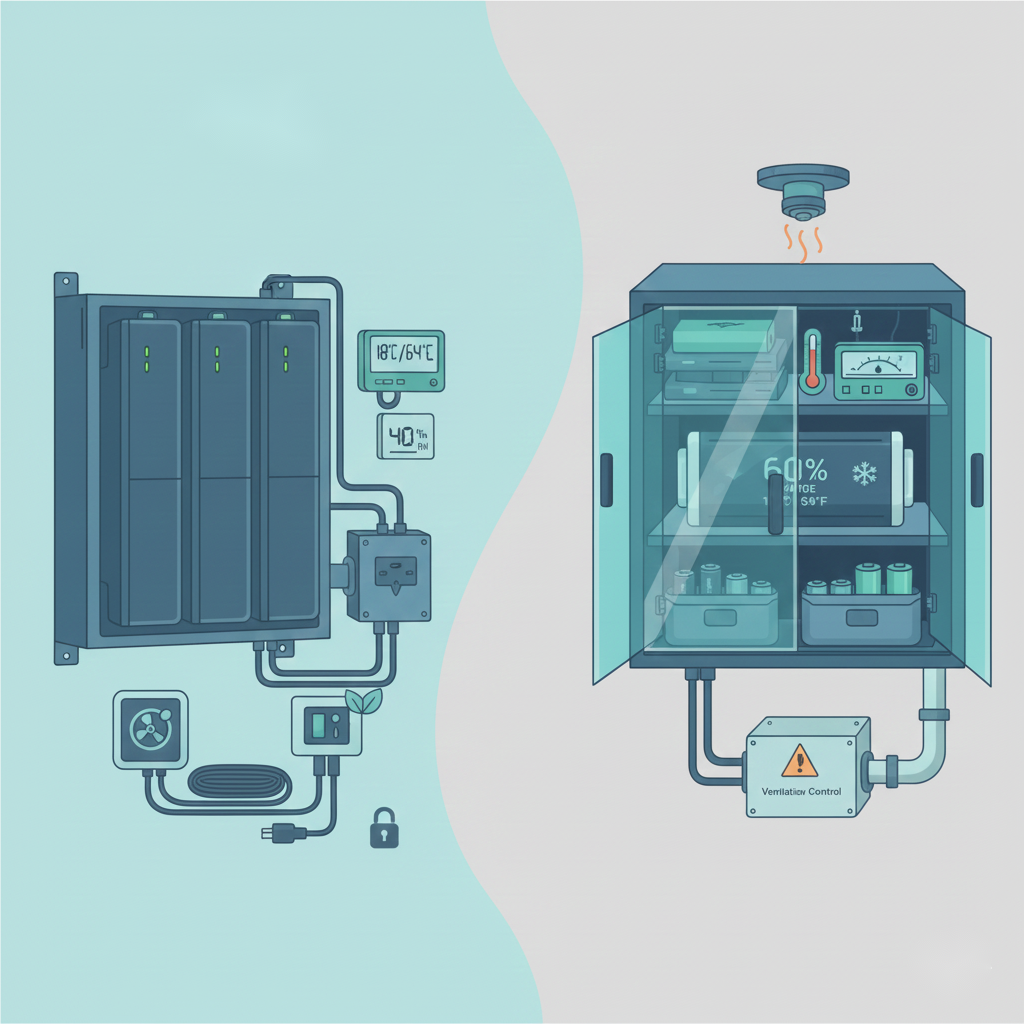
    When storing lithium‑ion battery energy storage systems long term, the environment you choose significantly affects lithium‑ion battery longevity and safety. Ideal lithium battery storage conditions keep temperature and humidity stable, minimize stress on the battery’s chemistry, and prevent degradation. For long‑term storage, a partial state of charge (SOC) of about 40 %–60 % is recommended, as storing at full charge accelerates aging while low SOC risks deep discharge damage. 

    Temperature control is critical: the recommended storage range is generally 15 °C to 25 °C (59 °F–77 °F) in climate‑controlled spaces, avoiding extreme heat or cold that can permanently reduce capacity or even cause safety hazards.Controlled humidity (ideally under 60 % relative humidity) prevents corrosion and internal short circuits.For large ESS installations, integrate a battery management system (BMS) for lithium batteries that monitors cell voltages and SOC during storage, ensuring safe disconnects and balancing without human intervention.

    How to Maintain Optimal Lithium Battery Health During Storage?

    Maintaining optimal health while storing lithium batteries isn’t just about putting them away — it’s about proactive battery maintenance and monitoring. To ensure your ESS retains capacity and performs well after storage, regularly check voltages, maintain the recommended SOC, and use a BMS to auto‑balance cells and flag issues early. This helps prevent battery imbalance and degradation over months or years of disuse, encouraging you to keep reading for step‑by‑step storage preparation, safety protocols, and commissioning checklists.

    What Are the Safe Temperature and Humidity Ranges for Storing Lithium Batteries?

    Safe temperature and humidity ranges are foundational to proper lithium battery storage. Temperature swings and extremes are a major cause of capacity loss and safety risk. For lithium‑ion battery storage, the generally accepted optimal storage temperature is 20 °C to 25 °C (68 °F–77 °F); sustained heat above this range accelerates chemical breakdown, while cold conditions can reduce capacity and delay charging.

    Humidity also matters. Excessive moisture can corrode terminals and internal connections, leading to short circuits or thermal issues. Ideal relative humidity is below ~50 %–60 %, using desiccants or dehumidification in storage rooms to maintain dryness.  ESS facilities should be well‑ventilated but sealed from moisture ingress, ensuring batteries remain dry and chemically stable. In industrial settings, humidity and temperature sensors tied into the BMS or facility HVAC can automate environmental control, reducing manual intervention and improving lithium battery storage conditions overall.

    storing lithium batteries

    How Should You Prepare a Lithium‑Ion Battery ESS for Seasonal or Extended Storage?

    Preparing a lithium‑ion battery ESS for seasonal or extended storage begins well before physically placing the system into storage. First, charge batteries to the recommended SOC (about 40 %–60 %) and confirm through the BMS that all cells are balanced and within safe voltage thresholds. Disconnection from on‑site inverters or loads prevents unintended cycling, and securing the ESS in a clean, dry, temperature‑controlled room prevents environmental stress.

    Label and log each battery bank, noting SOC, voltage, and date of entry into storage so periodic checks can occur every 3–6 months. Use battery cycling vs. storage strategies as needed: occasional controlled cycling refreshes the chemistry and keeps SOC within the ideal window, reducing long‑term degradation. For installed ESS units like hicorenergy’s modular solutions, ensure system firmware and the BMS for lithium batteries are updated before storage and configured for low‑power sleep modes to minimize background drain.

    What Are the Critical Safety Protocols for Commercial & Home Battery Storage?

    Safety is paramount when storing lithium batteries, whether in a commercial plant or a home ESS. Always store batteries away from flammable materials, with clear access routes and fire detection systems installed. Smoke and thermal sensors linked to alarms help detect early signs of thermal runaway or overheating. 

    For larger ESS installations, ensure compliance with local fire codes and standards such as UN 38.3 or UL 1642, particularly if batteries are removed or added in bulk. A battery management system (BMS) provides automatic safety cut‑offs if conditions go outside safe ranges, and periodic physical inspections for swelling, leakage, or corrosion help detect problems early.

    At home, use dedicated battery cabinets or racks with proper spacing to prevent short circuits, keep terminals insulated, and never store batteries in hot garages or unventilated attics where temperatures and humidity can fluctuate widely. Ground‑fault protection and certified chargers with overcharge/overdischarge cut‑off add extra layers of safety.

    Step‑by‑Step Checklist: Commissioning Your Stored Lithium Battery System

    1. Inspect Environment – Confirm temperature control and humidity levels are within safe long‑term storage ranges.
    2. Check SOC & Voltage – Use the BMS dashboard to verify all cells are at the target 40 %–60 % SOC.
    3. Balance Cells – Run a balancing cycle if necessary to equalize cell voltages prior to activation.
    4. Reconnect ESS Hardware – Reattach inverters, communication cables, and protective disconnects per manufacturer guidelines.
    5. Test BMS Functions – Ensure the BMS for lithium batteries communicates with the energy management system and logs data.
    6. Perform Controlled Startup – Gradually pressurize circuits and power systems, watching for anomalies like overheating or unusual cell drift.
    7. Document & Log Results – Record voltages, temperatures, and any adjustments to maintain storage history for future reference.

    About Hicorenergy Products

    Hicorenergy offers advanced ESS solutions with integrated BMS for lithium batteries and smart monitoring that simplifies lithium battery storage and maintenance, enhancing reliability and safety for commercial and residential installations.

    Contact us:
    Email: service@hicorenergy.com
    WhatsApp: +86 181‑0666‑0961

    storing lithium batteries
en_USEnglish