Day: December 19, 2025

  • Why Is Proper Lithium Battery Storage Essential for Maximizing ESS Performance and Safety?

    Why Is Proper Lithium Battery Storage Essential for Maximizing ESS Performance and Safety?

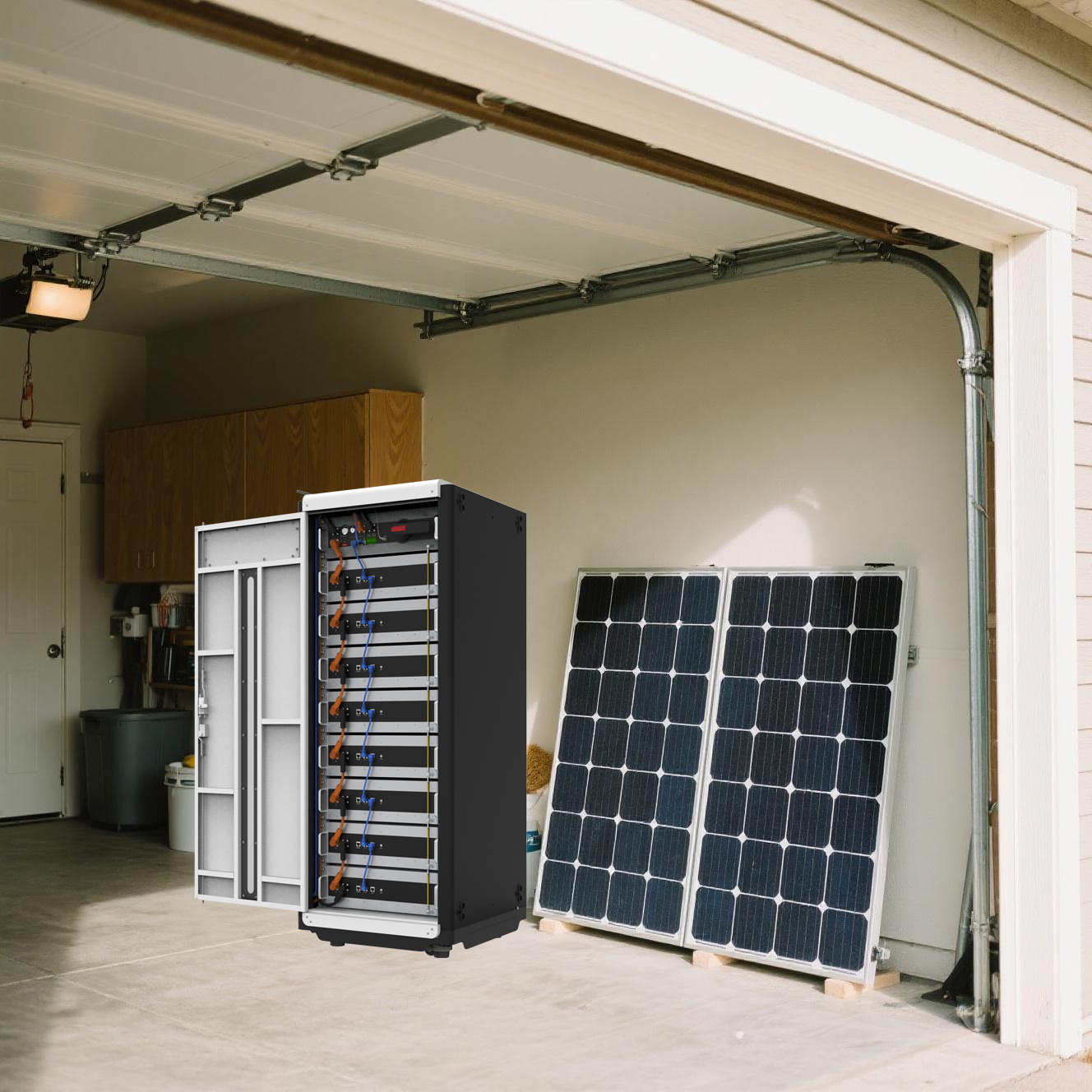
    Lithium battery storage is vital to maintaining the performance, longevity, and safety of Energy Storage Systems (ESS). This guide explores the science of lithium battery storage, the role of Battery Management Systems (BMS), strategies for long-term preservation, and how maintenance can prevent costly failures. We will also look into the future of battery stewardship and the latest technologies.
    Lithium Battery Storage

    Why Proper Lithium Battery Storage is Critical for ESS Performance and Safety

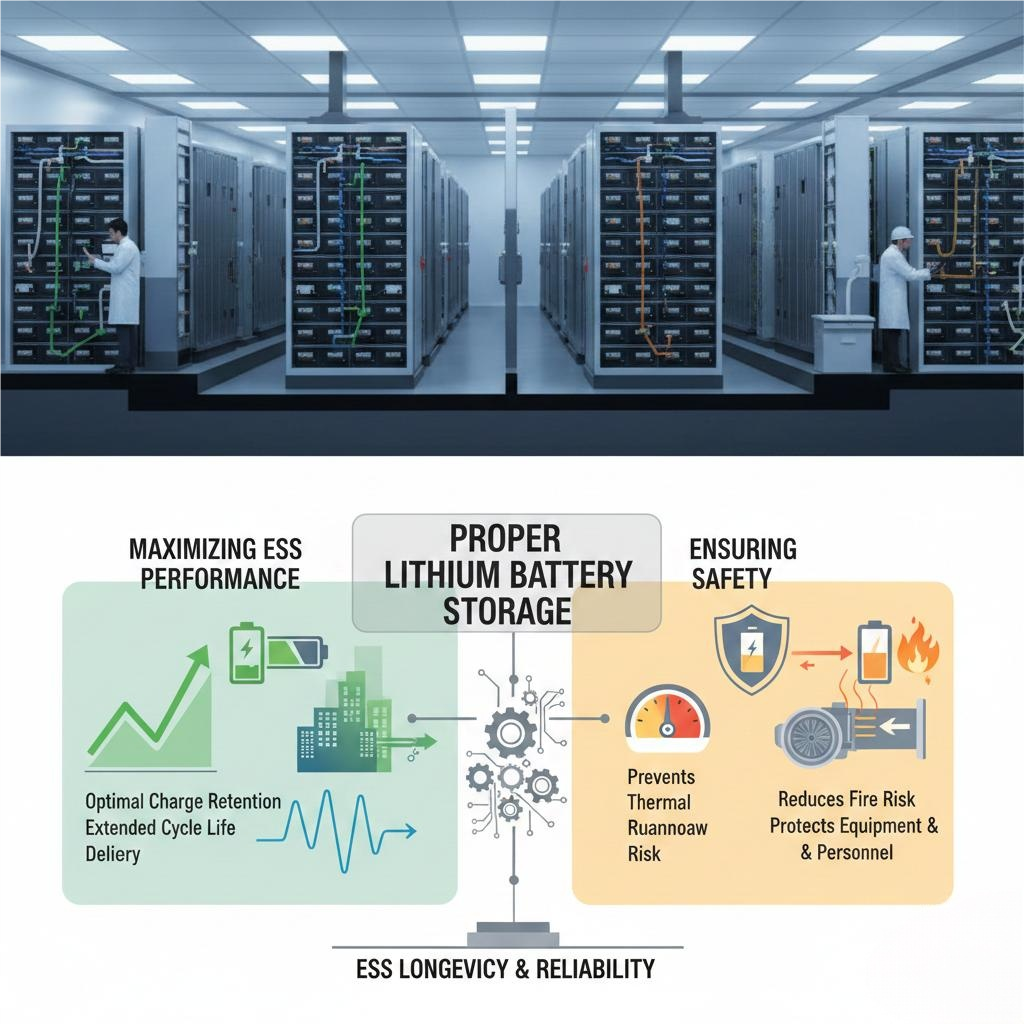
    Lithium battery storage plays a crucial role in ensuring that Energy Storage Systems (ESS) function optimally. Proper storage not only extends the lifespan of the batteries but also minimizes safety risks, such as overheating or fires. Poor storage conditions—like exposure to high temperatures or excessive charge—can degrade the internal chemistry of the battery, leading to reduced performance and a higher risk of failure. By maintaining correct storage temperatures, humidity levels, and charge cycles, ESS operators can optimize battery performance, reduce maintenance costs, and enhance overall safety.

    The Science of Storage: Optimal Conditions for Lithium Battery Cells & Modules

    Understanding the science behind optimal lithium battery storage is key to preventing costly damage. Lithium-ion batteries, which power most ESS, are highly sensitive to environmental conditions. Storage temperatures should ideally range between 20°C and 25°C (68°F – 77°F), and humidity levels must be kept between 40% and 60%. Additionally, storing batteries at a partial charge (around 40-60%) prevents the risks of overcharging or deep discharging, both of which can shorten battery life. Managing these conditions not only maximizes battery longevity but also mitigates safety concerns such as thermal runaway.

    The Brain of the System: How a BMS (Battery Management System) Enables Safe Storage

    A Battery Management System (BMS) is the “brain” of an Energy Storage System. It ensures the safe and efficient storage of lithium batteries by regulating factors like voltage, temperature, and charge levels. The BMS constantly monitors each battery cell to detect potential issues and prevents dangerous scenarios, such as overcharging or deep discharge. In addition, it helps balance the charge across individual cells, ensuring the battery operates within safe limits. Without a reliable BMS, even the best lithium battery storage conditions could fail to prevent problems, highlighting the importance of investing in a robust battery management system.

    Advanced System-Level Strategies for Long-Term ESS Storage and Preservation

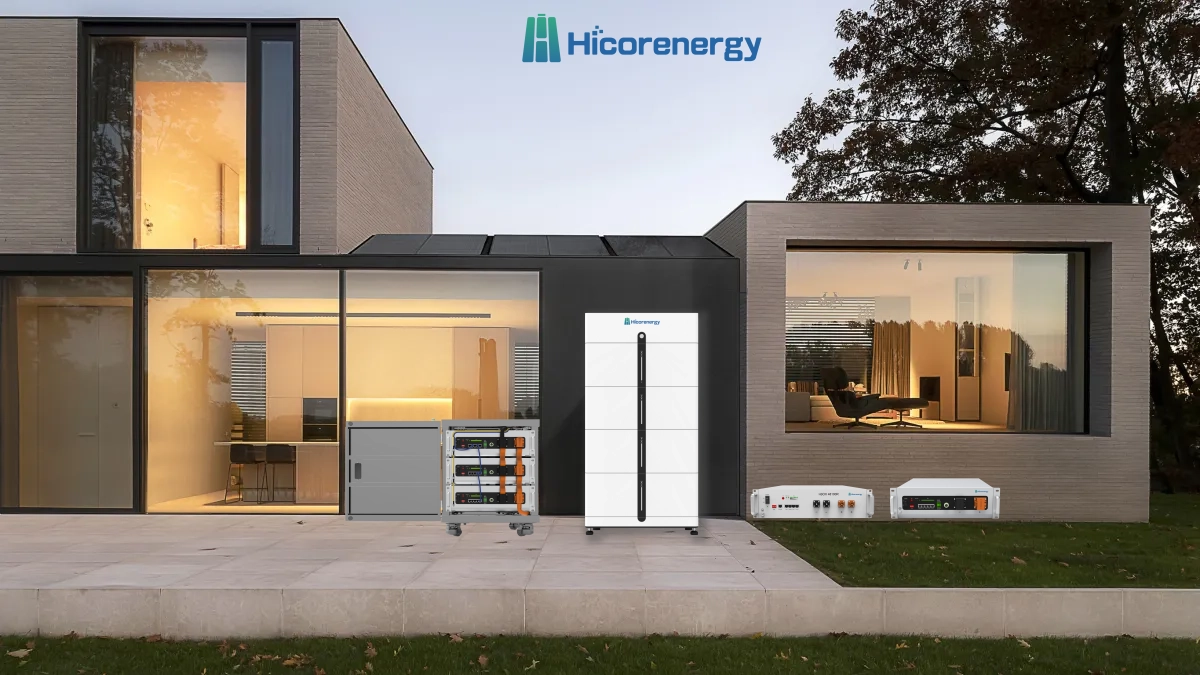
    As the demand for energy storage systems grows, so does the need for advanced strategies to preserve lithium-ion batteries over the long term. These strategies include optimizing storage locations to avoid temperature extremes, incorporating advanced BMS for real-time monitoring, and using state-of-the-art cooling systems to maintain optimal battery temperatures. Additionally, implementing a systematic maintenance schedule that includes regular inspections and recalibration of the BMS can help prevent unexpected failures. Smart storage solutions, such as modular battery storage systems, are increasingly being adopted to maximize energy density while minimizing storage space, which is crucial for scaling ESS in residential and commercial applications.
    Lithium Battery Storage

    Preventive Maintenance and Monitoring: Key to Avoiding Storage-Related Failures

    Preventive maintenance is one of the most effective ways to avoid storage-related failures in ESS. Routine checks on the batteries, including visual inspections and performance diagnostics, can detect early signs of wear or irregularities. Monitoring tools integrated into the BMS also provide critical real-time data, allowing operators to adjust parameters before small issues become major problems. Regular maintenance, such as recalibrating the BMS and updating software, ensures that the system remains optimized. Furthermore, temperature and humidity sensors can be strategically placed to monitor storage conditions, helping to avoid extreme environmental impacts that could compromise battery health.

    Future-Proofing Your ESS: Emerging Technologies and Best Practices in Battery Stewardship

    The future of ESS and lithium battery storage is full of exciting possibilities, thanks to emerging technologies and evolving best practices. New advancements, such as solid-state batteries, promise safer and more efficient energy storage solutions. The integration of AI and machine learning into BMS technology can help predict potential system failures based on historical data, making preventive maintenance even more effective. Additionally, sustainability practices are becoming a priority, with manufacturers focusing on battery recycling and repurposing to reduce environmental impact. By staying up-to-date with these trends, operators can future-proof their systems while maximizing performance and safety.

    Hicorenergy: Leading the Way in Lithium Battery Storage Solutions

    Hicorenergy’s innovative products are designed to optimize lithium battery storage and ensure the long-term safety and performance of your ESS. Their state-of-the-art BMS solutions, combined with cutting-edge storage technologies, help you maintain peak efficiency while extending battery lifespan.

    For more information on how Hicorenergy can enhance your lithium battery storage needs, contact us today.

    Contact Information
    Email: service@hicorenergy.com
    WhatsApp: +86 181-0666-0961

    Lithium Battery Storage
  • How Are Lithium-Ion Batteries Shaping the Future Beyond Consumer Electronics?

    How Are Lithium-Ion Batteries Shaping the Future Beyond Consumer Electronics?

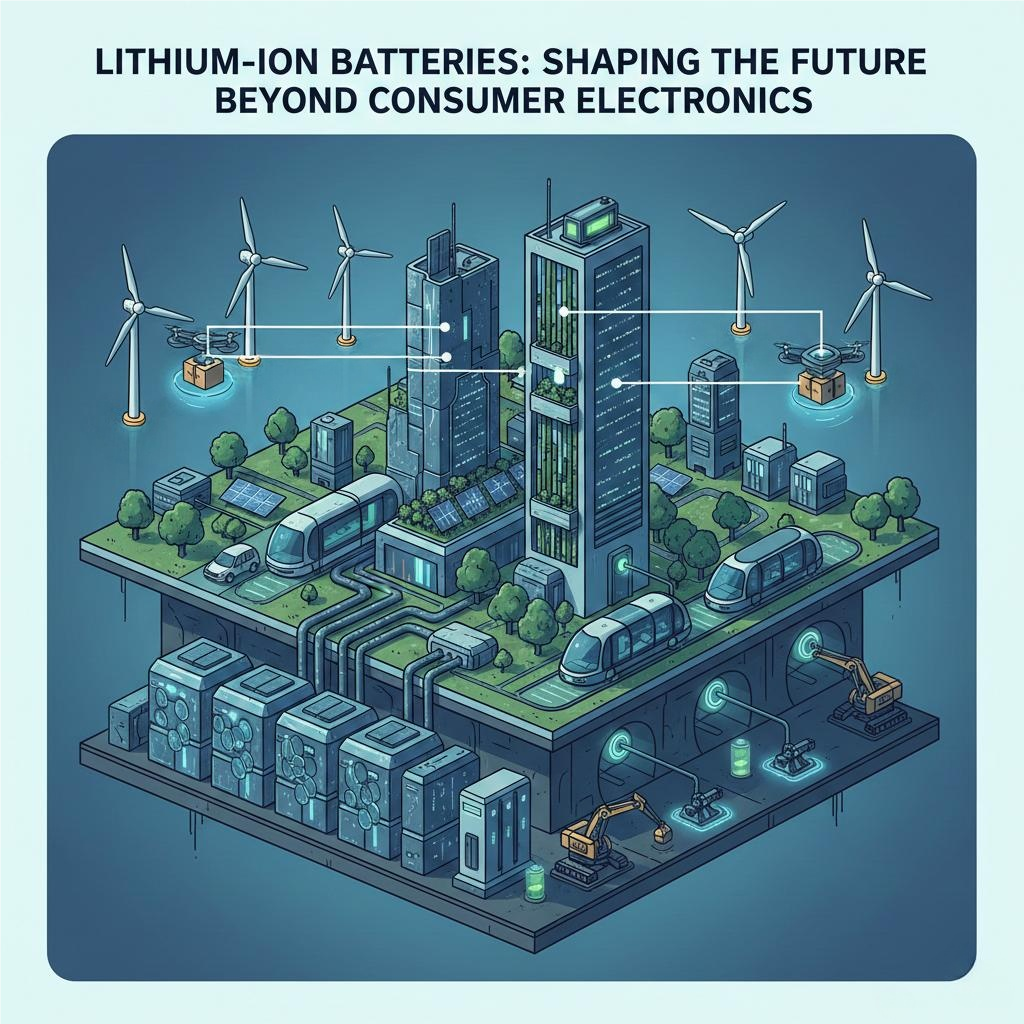
    Lithium-ion batteries are revolutionizing energy storage, extending far beyond their use in consumer electronics. This article explores their growing role in grid-scale energy storage, innovations in battery technology, challenges like safety and cost, and the circular economy’s impact on sustainability.

    Lithium Battery

    From Phones to Grids: The Rise of Utility-Scale BESS

    Lithium-ion batteries have long been central to consumer electronics, powering everything from smartphones to laptops. However, their role has expanded significantly in recent years. Today, large-scale energy storage systems (BESS) are leveraging lithium batteries to help stabilize and store energy at a grid level. These systems, which can store and dispatch large quantities of electricity, are key to advancing renewable energy adoption. By enabling solar and wind power to be stored during off-peak hours and used during periods of high demand, utility-scale BESS plays a critical role in creating a more resilient, efficient, and sustainable energy infrastructure. As renewable energy projects grow worldwide, lithium-ion battery storage is increasingly viewed as a cornerstone for the future of energy storage.

    Key Challenges: Safety, Degradation, and the Cost of Lithium

    Despite their incredible potential, lithium-ion batteries face several key challenges that limit their widespread adoption. Safety is one of the most pressing concerns, with risks such as thermal runaway and fires. The degradation of battery capacity over time also poses an issue for long-term use in grid-scale applications, as the cost of maintaining or replacing large numbers of batteries can become prohibitive. Additionally, the rising cost of lithium itself, driven by increasing demand and limited supply, raises concerns about the long-term sustainability of lithium-ion technology. These obstacles highlight the need for innovation, both in materials and battery management systems, to make lithium-ion batteries safer, more durable, and more cost-effective.

    Solid-State Batteries: The Next Leap in Lithium Technology

    The future of lithium-ion batteries may lie in solid-state technology. Solid-state batteries replace the liquid electrolyte used in conventional lithium-ion batteries with a solid electrolyte, offering numerous advantages. They have the potential to deliver higher energy densities, longer lifespans, and enhanced safety by eliminating the flammability risks associated with liquid electrolytes. Solid-state battery companies are working tirelessly to bring this technology to the market, aiming to solve key issues like degradation and safety. While still in the early stages of commercialization, solid-state batteries could redefine the energy storage landscape by providing safer, more efficient, and longer-lasting alternatives to traditional lithium-ion batteries.

    Lithium Battery

    Beyond Cobalt: Innovations in Cathode and Battery Chemistry

    One of the critical components of lithium-ion batteries is the cathode, which determines much of the battery’s performance. Traditionally, lithium-ion batteries have relied on cobalt-based cathodes, but the rising cost of cobalt, coupled with ethical concerns related to its mining, has spurred the search for alternatives. Researchers are focusing on developing sustainable battery materials, such as lithium iron phosphate (LFP) or nickel-based cathodes, which offer greater cost-efficiency and improved performance. These innovations are transforming the battery chemistry landscape, making energy storage more affordable and environmentally friendly. By shifting away from cobalt, the industry is not only enhancing battery performance but also addressing the social and environmental challenges associated with cobalt mining.

    System Integration: How BMS and Software Unlock Battery Potential

    Battery Management Systems (BMS) and software play a crucial role in unlocking the full potential of lithium-ion batteries, especially in grid-scale applications. BMS monitors the health of the battery pack, optimizes charging and discharging cycles, and ensures the safe operation of the entire system. As lithium-ion battery technology advances, the integration of Artificial Intelligence (AI) into BMS is becoming increasingly important. AI can predict battery failure, enhance operational efficiency, and extend the battery’s lifecycle. Additionally, sophisticated software systems enable real-time monitoring, data collection, and remote control of energy storage systems, which is vital for efficient energy distribution and grid management. These advancements in system integration are key to improving the reliability and performance of large-scale lithium battery storage systems.

    The Circular Future: Recycling and Second-Life for Lithium-Ion Batteries

    As the demand for lithium-ion batteries grows, so too does the need for a sustainable, circular economy for batteries. One promising solution is battery recycling, which allows valuable materials like lithium, nickel, and cobalt to be reused in new batteries, reducing the need for raw material extraction. Second-life applications for used batteries are also gaining traction, particularly in grid-scale storage. After reaching the end of their life in electric vehicles or consumer electronics, batteries can still retain enough capacity for stationary energy storage. By integrating these second-life batteries into large-scale energy storage systems, we can reduce waste and make energy storage more affordable. A circular economy for batteries will not only lower environmental impact but also promote sustainability in the energy storage sector.

    Hicorenergy: Innovating Energy Storage Solutions

    At Hicorenergy, we are dedicated to providing cutting-edge lithium-ion energy storage solutions, specializing in advanced battery management systems (BMS) and integrated energy storage systems for both industrial and residential applications. Our products support the transition to renewable energy by improving the efficiency, safety, and lifespan of lithium-ion battery storage systems.

    Contact Us
    For more information on Hicorenergy’s innovative energy storage solutions, feel free to contact us:
    Email: service@hicorenergy.com
    WhatsApp: +86 181-0666-0961

    Lithium Battery
en_USEnglish