Day: December 5, 2025

  • Why Are Energy Storage Cabinets Becoming the Future of Residential and Commercial Power Backup?

    Why Are Energy Storage Cabinets Becoming the Future of Residential and Commercial Power Backup?

    Energy storage cabinets are rapidly replacing traditional generators as the preferred home battery backup and commercial energy storage solution. This article explains how they work, why they are cost-effective, and what technologies and incentives shape their future—helping users make informed decisions about backup power solutions.
    energy storage cabinet

    Energy Storage Cabinets Explained: How They Work for Home and Business Backup Power

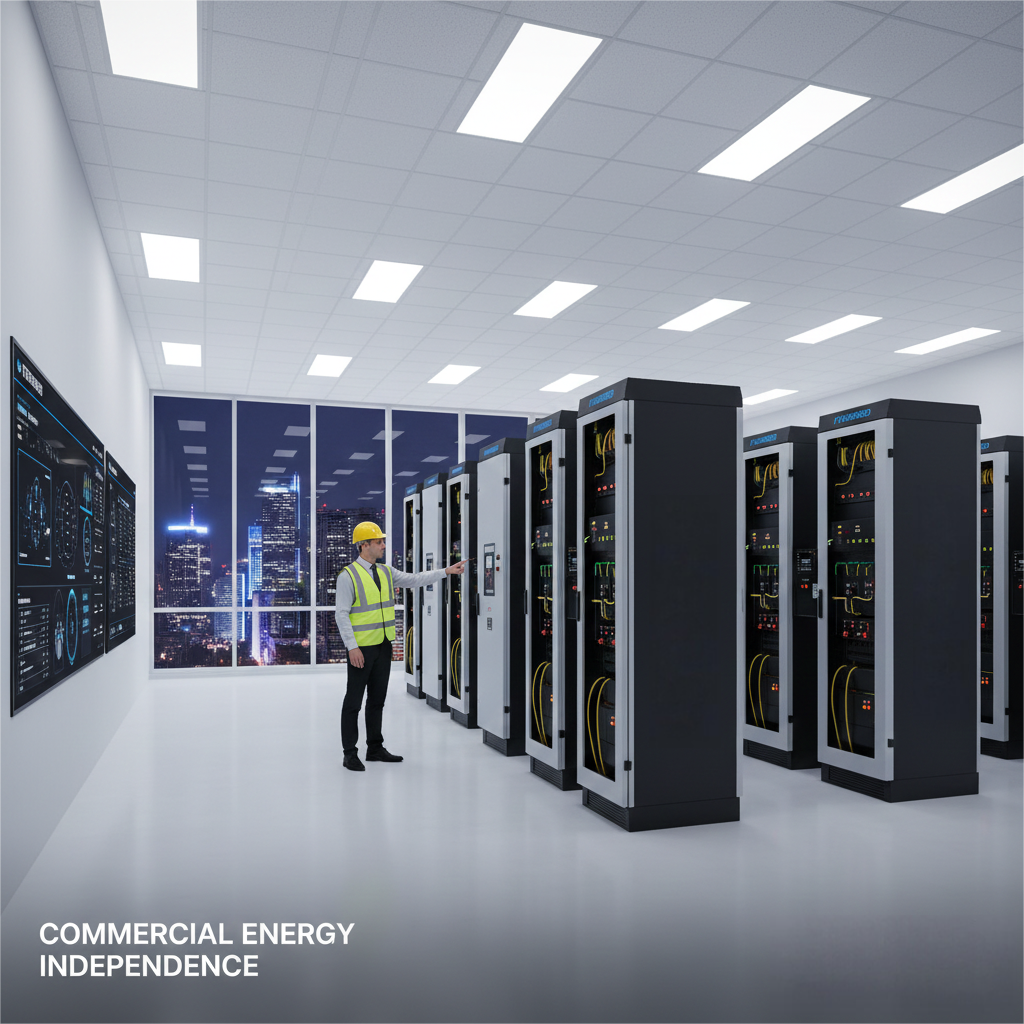
    An energy storage cabinet is a compact, enclosed system that integrates lithium-ion batteries, a battery management system and control hardware to deliver stable home battery backup or commercial energy storage. These cabinets store energy from solar panels or the grid and release it during outages or peak-price periods. Their fully enclosed structure ensures safety, efficient thermal management, and long life. For households, an energy storage cabinet provides quiet, maintenance-free backup power solutions. For businesses, it supports peak-shaving, emergency backup and energy cost optimization. Hicorenergy’s residential and C&I cabinets—built with long-life LiFePO4 cells and intelligent monitoring—offer durable solutions suitable for unstable grids and rising electricity costs.

    Top 5 Advantages of Home Energy Storage Cabinets: Why They Outperform Traditional Generators

    Homeowners increasingly choose an energy storage cabinet because it is silent, clean, and maintenance-free—unlike fuel generators. It stores solar energy, reduces dependence on the grid, and lowers long-term operating costs. As energy storage cabinet cost drops globally, households and small businesses can achieve reliable backup power without fuel, fumes or noise.

    Commercial Energy Storage Cabinet Applications: Ensuring Business Power Stability and Cost Control

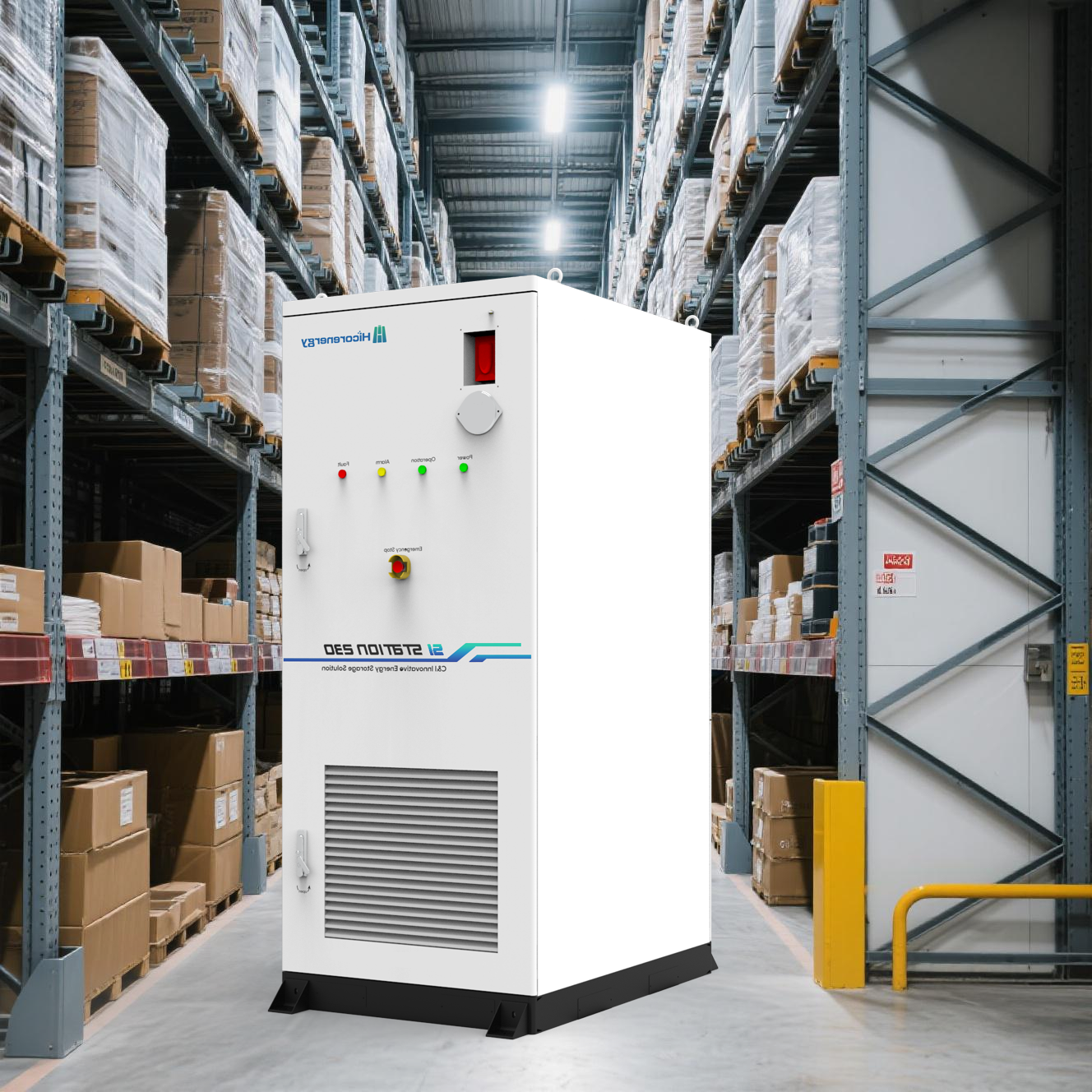
    Commercial energy storage cabinets provide critical support for factories, buildings, retail chains and industrial parks. They act as a stable backup power source during grid failures while also helping businesses reduce peak demand charges business owners typically face. By storing low-cost electricity and releasing it during high-tariff periods, companies can reduce operating expenses significantly. Systems such as Hicorenergy’s SHV48100 and Si Station series are engineered for peak shaving, emergency backup, and PV-coupled energy storage, making them ideal for regions with unstable grids or rising tariffs. Their modular construction supports scalable capacity, on-site expansion and smart control, improving both energy reliability and cost efficiency.
    energy storage cabinet

    Key 2025 Energy Storage Cabinet Technologies: Choosing Battery Types, Capacity, and Smart Management Systems

    In 2025, the energy storage cabinet market continues shifting toward safer and longer-life LiFePO4 batteries. Capacity selection depends on daily load, outage frequency and solar panel with battery storage cost considerations. Advanced systems now offer intelligent BMS, remote monitoring, thermal control and rapid charging. For example, Hicorenergy’s residential models—such as I-BOX 48100R and C5°feature ≥6000 cycles, 95% efficiency, remote app monitoring, and wide temperature adaptability. In commercial settings, liquid-cooled cabinets like the Si Station 230 improve heat dissipation, extending battery life and performance. These technologies ensure a more reliable and predictable backup power solution for both home and enterprise customers.

    4 Essential Factors to Consider Before Installing an Energy Storage Cabinet: Safety, Incentives, ROI, and Brands

    Safety should be the first priority—look for LiFePO4 chemistry, UL/CE certifications, integrated BMS and enclosure protection ratings. Energy storage cabinet incentives in many regions can reduce upfront investment. ROI depends on electricity tariffs, peak-shaving potential and the ability to replace generator fuel costs. Brand selection is equally important: choosing a supplier with stable production, global service coverage and proven technology avoids delays and after-sales issues. Hicorenergy, with production bases in China and Vietnam and offices in the USA, Europe and Asia, provides fast delivery, local service and scalable products designed for both residential and commercial needs.

    Future Trends: How Solar + Energy Storage Integration Enables Energy Independence and Green Power

    Solar plus an energy storage cabinet is becoming the standard for both homes and businesses seeking long-term energy independence. Integrated systems allow users to store excess solar energy for nighttime use, cut reliance on weak grid infrastructure, and stabilize electricity bills. As policies increasingly support renewable adoption, the combination of solar generation and smart energy storage will accelerate. Businesses benefit from reduced peak demand charges and uninterrupted operations. Households gain cleaner, quieter, and more reliable backup power solutions—ushering in a fully distributed, low-carbon future.

    Hicorenergy Product Summary

    Hicorenergy provides advanced residential and commercial energy storage cabinet solutions using automotive-grade LiFePO4 cells, intelligent BMS and scalable modular designs for global users.

    Contact Hicorenergy:
    Email: service@hicorenergy.com
    WhatsApp: +86 181-0666-0961

    energy storage cabinet
  • What Are the Top 5 Energy Storage Innovations Powering a More Sustainable and Stable Grid in 2025?

    What Are the Top 5 Energy Storage Innovations Powering a More Sustainable and Stable Grid in 2025?

    In 2025, global Energy Storage Innovation is accelerating grid modernization. This article explores five breakthrough technologies transforming grid-scale storage—from next-generation lithium-ion systems to hydrogen, flow batteries and gravity storage—and explains how these advancements enable a more reliable, sustainable grid worldwide.

    Energy Storage Innovation

    Why Grid-Scale Storage Is the Key to a Renewable Future

    Grid-scale storage is becoming the backbone of a sustainable grid as countries accelerate solar and wind adoption. Renewable energy is intermittent, and without reliable grid storage, power systems face volatility, outages and rising operational costs. Energy Storage Innovation enables utilities to balance supply and demand in real time, absorb excess renewable generation, and deliver power during peak consumption. Mature technologies such as next-generation lithium-ion solutions, as provided by companies like Hicorenergy, now offer higher energy density, safer chemistry and scalable deployments from homes to industrial sites. These advancements ensure that renewable energy becomes both reliable and dispatchable, driving a cleaner, more resilient power ecosystem.

    Next-Generation Lithium-Ion Batteries – Beyond Energy Density

    As renewable energy dependency grows, lithium-ion technology is evolving beyond traditional limits. Advanced systems now increase stability, reduce maintenance requirements, and provide greater energy density for both distributed and utility-scale applications. This continual push for improvement encourages further exploration of Energy Storage Innovation and prepares readers for the next wave of breakthroughs shaping a sustainable grid.

    The Rise of Long-Duration Energy Storage (LDES) with Flow Batteries

    Flow batteries are emerging as a cornerstone of long-duration energy storage, offering multi-hour to multi-day discharge capabilities essential for renewable-heavy grids. Unlike conventional lithium systems, flow batteries separate power and energy components, allowing scalable energy capacity without compromising lifespan. This flexibility makes them ideal for seasonal resilience and large microgrid applications. Their long cycle life and non-flammable electrolytes deliver superior safety and stability—critical advantages for markets with weak grid infrastructure. Continuous Energy Storage Innovation in this field is expected to help developing regions improve grid stability while enabling utilities to shift renewable power across long timeframes, strengthening overall grid reliability.

    Energy Storage Innovation

    Green Hydrogen Storage: Fueling Multi-Day and Seasonal Resilience

    Green Hydrogen Storage is rapidly gaining traction as a strategic solution for multi-day and seasonal energy gaps. Produced through renewable-powered electrolysis, hydrogen can be stored for months and converted back to electricity using fuel cells or turbines. This ability to bridge long-duration intermittency makes it one of the most promising technologies for future sustainable grids. Hydrogen’s versatility extends to transportation, industrial heating and backup power, enhancing its economic value. As Energy Storage Innovation accelerates, hydrogen infrastructure is expanding globally, enabling countries to diversify their clean energy portfolios and strengthen resilience against prolonged shortages caused by weather variability.

    Gravity-Based Storage: A Simple, Low-Cost Solution for Grid Stability

    Gravity-based storage uses elevation and mass to store energy, offering a straightforward, low-cost solution that relies on proven mechanical principles. By lifting heavy weights during periods of excess generation and releasing them to generate electricity when needed, these systems provide long-duration, high-cycling capability with minimal degradation. Their reliance on abundant materials and simple mechanics results in lower lifetime costs and reduced environmental impact. Gravity systems complement lithium-ion and flow battery deployments by stabilizing frequency and voltage within the grid. As countries seek diversified Energy Storage Innovation, gravity-based storage stands out as an affordable pathway to grid stability.

    Integrating Innovations for a Cleaner, More Reliable Power System

    A truly sustainable grid will depend on the integration of multiple energy storage technologies. Lithium-ion solutions deliver fast response and high energy density for homes, EV chargers and commercial sites. Flow batteries ensure long-duration capacity for renewables, while hydrogen and gravity systems reinforce multi-day and seasonal stability. Coordinating these technologies through advanced software and AI-driven control platforms allows utilities to optimize power flows, reduce curtailment and ensure uninterrupted service. Companies such as Hicorenergy contribute to these advancements by offering high-quality energy storage systems—from residential batteries like the I-BOX 48100R to scalable C&I solutions—which support flexible installation, remote monitoring and long-lasting performance.

    Hicorenergy’s Product Commitment to a Sustainable Grid

    Hicorenergy provides reliable lithium-based storage solutions—including the I-BOX 48100R, Si LV1 and C&I systems—that enhance grid stability, improve renewable integration and support global Energy Storage Innovation.

    Email: service@hicorenergy.com
    WhatsApp: +86 181-0666-0961

    Energy Storage Innovation
en_USEnglish