A high-performing ESS relies on battery cell quality, robust safety certifications, and a well-engineered BMS. This article outlines the five essential questions buyers must ask to protect their ESS investment and ensure long-term performance, safety, and cost efficiency.
Why Battery Cell Quality Is the #1 Factor in an ESS Investment
Battery cell quality determines nearly every key outcome in an Energy Storage System—cycle life, safety, energy storage system performance, and long-term ESS cost. High-quality cells deliver stable output, predictable degradation, stronger thermal stability, and consistent manufacturing compliance. Poor battery cell quality, in contrast, leads to accelerated aging, capacity loss, higher maintenance needs, and safety risks. Whether the ESS uses LFP battery cells or NMC battery cells, the quality of those cells and the integrity of their assembly directly define reliability. For both residential and C&I applications, investing in strong cell quality safeguards uptime, lowers risk, and protects overall ESS investment value.
Question 1: What Is the Cycle Life and Warranty of the Battery Cells?
Understanding cycle life and battery warranty is the first step to evaluating reliability. ESS suppliers should clearly indicate expected usable cycles under standard conditions, depth-of-discharge level, and temperature range. A strong warranty reflects confidence in battery cell quality and helps buyers mitigate risk over long-term operation. This question sets the foundation for all others—because if cycle life is weak, no other feature can offset ongoing degradation or rising ESS cost. Buyers should continue evaluating deeper technical factors to ensure the system can perform sustainably in real-world conditions.
Question 2: Which Cell Chemistry and Manufacturer Does the ESS Use?
Cell chemistry and the identity of the battery manufacturer directly influence safety, performance, and lifetime value. LFP battery chemistry is widely chosen for residential and C&I ESS because of its thermal stability, long cycle life, and lower risk of thermal runaway. NMC battery chemistry offers higher energy density, making it suitable for applications where space is limited. Regardless of chemistry, buyers must confirm the origin of the battery cells, the manufacturer’s production standards, and the cell-level testing performed before pack integration. Reputable manufacturers follow strict IEC standards, undergo batch-level quality inspections, and maintain consistency across multiple factories. Transparent sourcing is an essential indicator of battery cell quality and long-term ESS investment protection.

Question 3: How Does the Battery Management System (BMS) Protect Cell Health?
A high-performing Battery Management System (BMS) is essential for protecting cell health and ensuring safe operation throughout the ESS lifecycle. The BMS provides real-time monitoring, balancing, over-temperature protection, over-charge and over-discharge prevention, and communication with inverters or EMS platforms. Advanced BMS platforms—especially those designed by the ESS manufacturer—use dual-MCU architectures, cell-level balancing, and predictive algorithms to minimize stress on individual cells. A well-designed BMS significantly enhances energy storage system performance, preserves cycle life, and prevents failures linked to uneven aging. Buyers should confirm that the BMS is engineered to match the chemistry, operating temperature range, and installed environment of the ESS.
Question 4: What Safety Certifications Do the Cells and the Entire ESS Hold?
Safety certifications validate the structural integrity and compliance of the ESS under international standards. At the cell level, buyers should look for IEC-certified production processes and testing. At the system level, certifications such as UL 9540, UL 9540A, and IEC safety requirements are critical indicators of protection against thermal propagation, electrical faults, and mechanical failures. ESS safety certifications are not optional—they are a sign that the manufacturer adheres to strict design and testing procedures. For markets with strict permitting requirements, UL 9540 is often mandatory and accelerates approval for installation. Choosing an ESS with the correct certifications reduces liability and ensures stable long-term operation.
Making an Informed Decision: Balancing Quality, Performance, and ESS Cost
Selecting an ESS requires balancing battery cell quality, system performance, and total ESS cost. While low-priced systems may appear attractive, poor-quality cells can shorten cycle life, increase maintenance expenses, and jeopardize safety. A well-engineered system—featuring high-grade LFP battery cells, strong BMS design, verified certifications, and transparent manufacturing—provides a better lifetime return on investment. Buyers should request full technical documentation, confirm manufacturer credibility, and compare real-world performance data. An ESS with higher-quality components consistently delivers greater value over its full operating life.
Summary
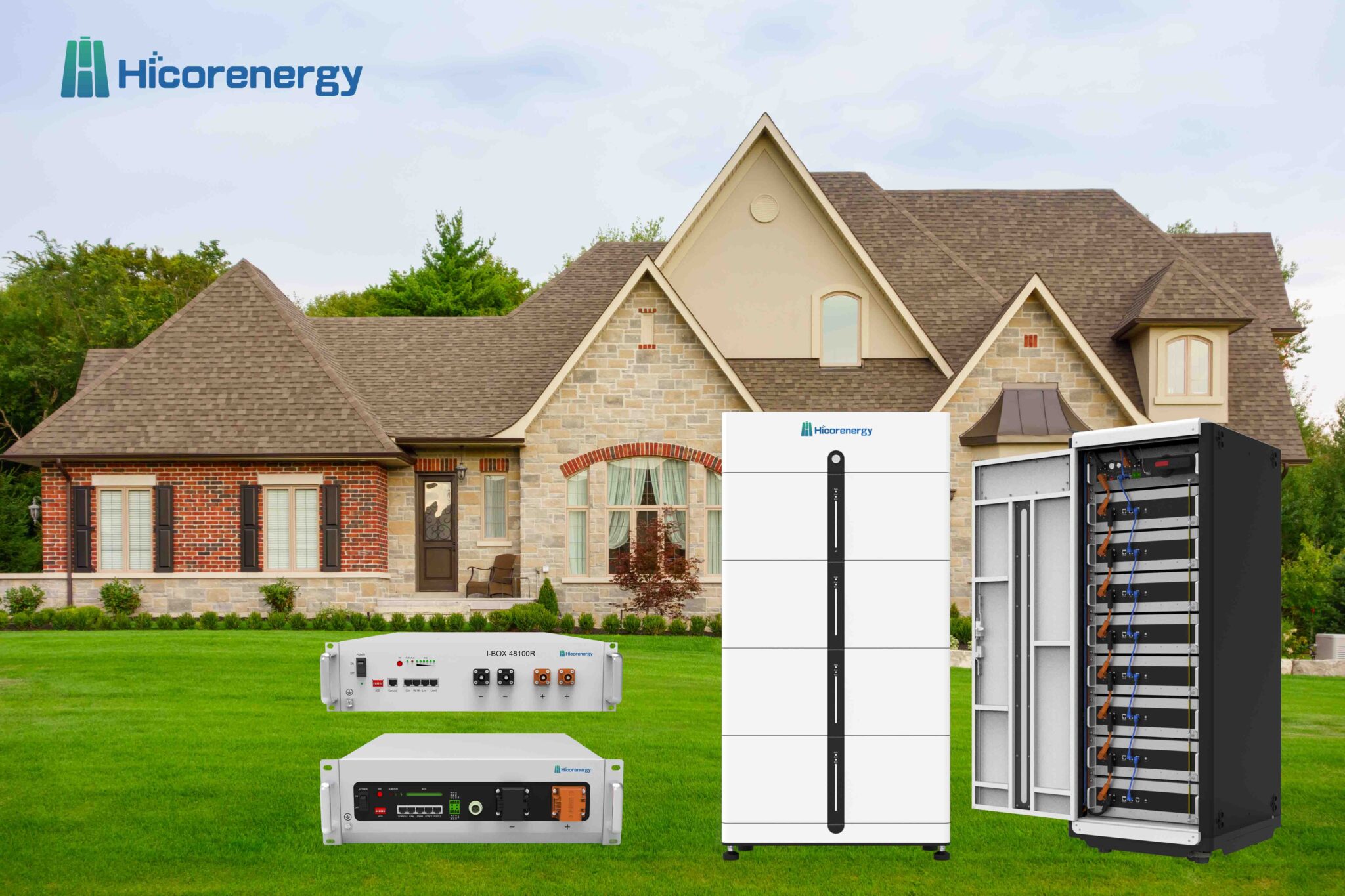
Hicorenergy provides ESS solutions built with robust LFP battery cells, advanced BMS protection, and certified safety performance to ensure reliable operation for residential, C&I, and utility projects.
Contact us:
Email: service@hicorenergy.com
WhatsApp: +86 181-0666-0961
-2048x617.png)
 English
  Español
  Deutsch
  Français
  Italiano
  Bahasa Indonesia
  Svenska
  Română
  Українська
  Tagalog