Improper Lithium-Ion Battery Storage can trigger severe safety hazards and reduce system lifespan. This article explores the dangers of thermal runaway, poor temperature control, SOC imbalance, and BMS failures, while offering essential practices to ensure energy storage safety and long-term reliability.
Thermal Runaway: The Greatest Threat in Battery Energy Storage Systems (BESS)
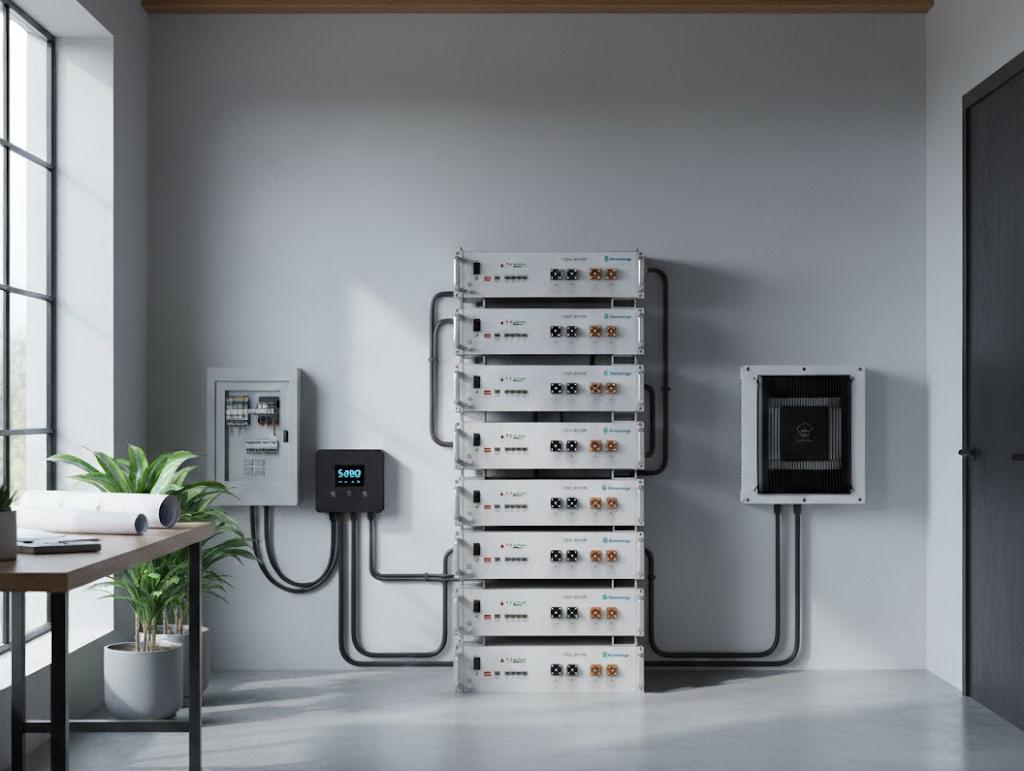
Among all energy storage risks, Thermal Runaway poses the greatest threat to Lithium-Ion Battery Storage systems. This phenomenon occurs when the internal temperature of a cell rises uncontrollably, leading to a chain reaction of heat and gas release. If left unchecked, it can result in fires, explosions, and total system failure. In large-scale BESS or Home ESS setups, thermal runaway may be triggered by overcharging, mechanical damage, or inadequate temperature control. The danger is compounded when cells are tightly packed, preventing proper heat dissipation. To mitigate this, effective thermal management, robust BMS design, and quality lithium battery cells are essential. Hicorenergy integrates advanced safety protocols, including dual-active MCU BMS protection and wide operating temperature ranges, ensuring their Lithium Battery Storage systems operate safely and efficiently under all conditions.
How Improper Temperature Control Shortens Battery Lifespan and Performance?
Poor temperature control can drastically reduce battery lifespan and performance. Extreme heat accelerates chemical degradation, while low temperatures limit ion mobility, reducing charge capacity. Without proper management, the battery’s efficiency, cycle life, and safety degrade over time. Maintaining the optimal temperature for lithium battery systems—typically between 15°C and 30°C—is crucial for extending service life and minimizing battery degradation.
Preventing Lithium-Ion Battery Fires: Essential Safety Protocols for Energy Storage
Energy Storage Safety depends heavily on proactive risk management. Preventing Lithium-Ion Battery fires begins with correct installation, sufficient ventilation, and regular system monitoring. Homeowners and commercial operators should follow strict manufacturer guidelines to avoid mistakes storing lithium batteries. High-quality Battery Management Systems (BMS) should continuously monitor voltage, current, and temperature to detect early signs of failure. Hicorenergy’s self-developed BMS, coupled with multi-level hardware and software protection, minimizes the risk of overheating and ensures system stability. Regular inspections and remote monitoring—features integrated into Hicorenergy’s C5° and Si LV1 models—enable early intervention, significantly reducing the risk of fire and system failure.
The Impact of State of Charge (SOC) on Long-Term Battery Health and Degradation
The State of Charge (SOC) plays a vital role in maintaining long-term battery health. Both overcharging and deep discharging can accelerate battery degradation and reduce effective cycle life. To preserve battery lifespan, it is best to maintain SOC between 20% and 80% during daily operation. Proper SOC management helps stabilize the electrochemical structure of lithium cells, minimizing capacity loss. Hicorenergy’s advanced systems are engineered with intelligent SOC control functions, ensuring optimal balance between performance and safety. By continuously monitoring SOC data, their products maintain consistent energy delivery, extending the life of Lithium-Ion Battery Storage systems in both Home ESS and commercial setups.
Battery Management System (BMS) Failures: A Single Point of Catastrophic Failure
A malfunctioning Battery Management System can lead to catastrophic outcomes. Since BMS acts as the “brain” of every Lithium-Ion Battery Storage unit, its failure can disable temperature regulation, misreport voltage levels, or overlook overcurrent conditions—potentially triggering thermal runaway. A robust BMS ensures safety by managing charge/discharge processes, balancing cells, and detecting faults. Hicorenergy’s proprietary dual-MCU BMS architecture provides redundant protection against single-point failure. It delivers precise data tracking and temperature control, safeguarding against unexpected breakdowns that often lead to energy storage safety incidents.
Mitigating Risks: Best Practices for Safe Lithium-Ion Battery Installation and Maintenance
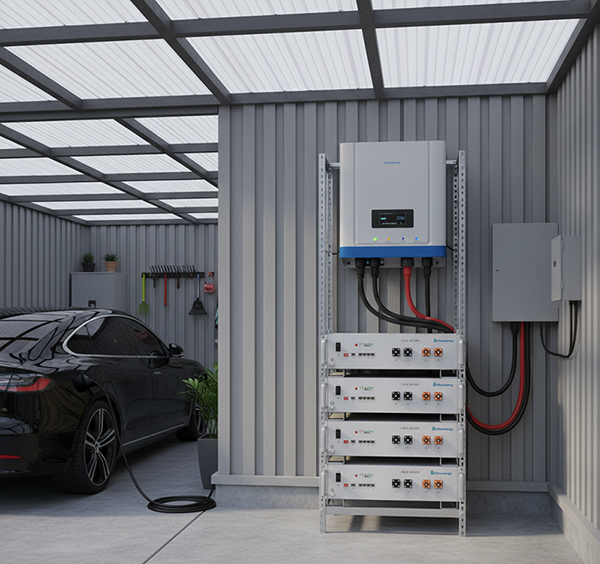
Ensuring the safety of Lithium Battery Storage systems begins at installation. Batteries should be placed in clean, dry, and temperature-controlled environments—away from direct sunlight or flammable materials. Proper ventilation prevents heat buildup, while certified installers must follow Lithium Battery Storage FAQs and manufacturer-specific guidelines. Regular maintenance, such as checking connections, firmware updates, and thermal calibration, is key to system longevity. Hicorenergy’s I-BOX 48100R and Si LV1 models feature remote monitoring and upgrade capabilities, allowing users to detect irregularities early and maintain safe operation. Following these best practices reduces thermal runaway risks and extends battery lifespan, ensuring reliable performance for years to come.
Hicorenergy’s Commitment to Safe and Reliable Energy Storage
Hicorenergy delivers advanced Lithium-Ion Battery Storage solutions that combine high efficiency, safety, and scalability. From residential Home ESS units to industrial systems, their products are designed for reliability and long-term sustainability.
Contact Hicorenergy today:
📧 Email: service@hicorenergy.com
📱 WhatsApp: +86 181-0666-0961
-2048x617.png)


 English
  Español
  Deutsch
  Français
  Italiano
  Bahasa Indonesia
  Svenska
  Română
  Українська
  Tagalog