Top battery storage suppliers for commercial use provide high-performance, scalable, and certified energy solutions that ensure reliability, safety, and efficiency for businesses. These suppliers offer advanced lithium battery systems, strong technical support, and proven compliance with global standards to meet diverse energy storage needs.
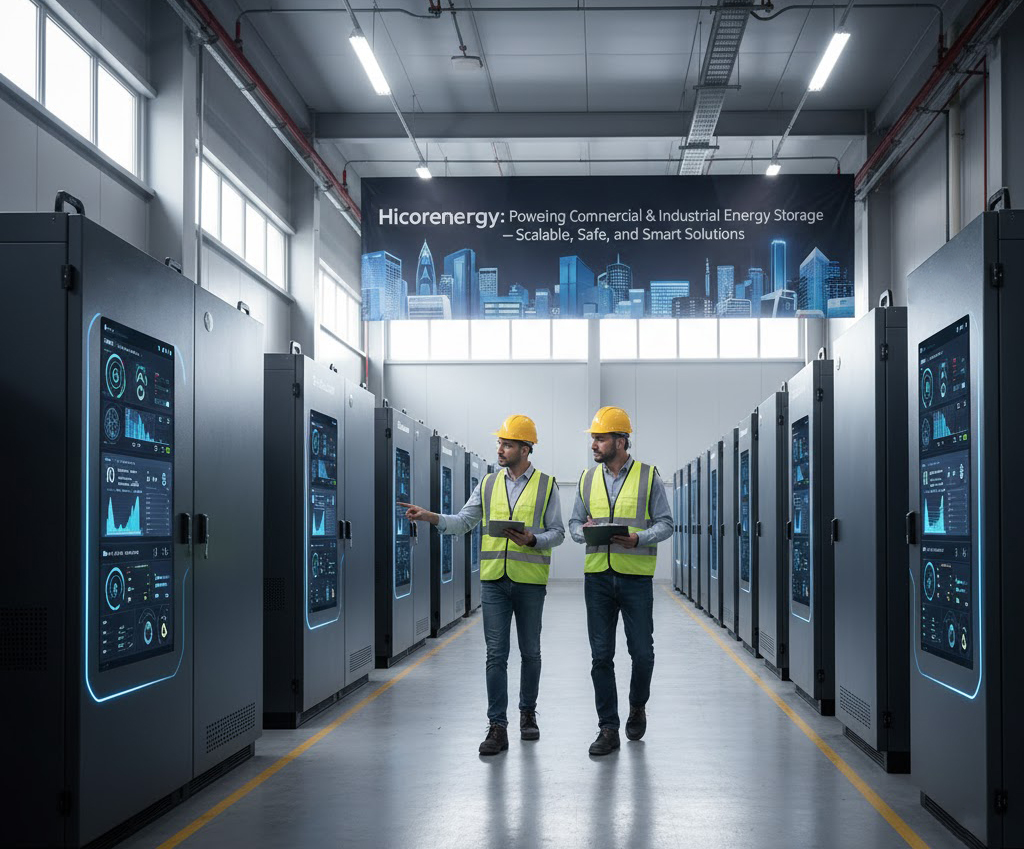
Top Battery Storage Suppliers for Commercial Use in 2025
The global demand for commercial energy storage continues to surge, driven by renewable integration, peak load management, and energy cost optimization. Leading battery storage suppliers in 2025 combine technological innovation with localized support to serve industries, offices, and factories worldwide. Companies such as Hicorenergy, with extensive experience in lithium battery R&D and manufacturing, are at the forefront, offering advanced, safe, and flexible energy storage systems tailored for commercial and industrial (C&I) applications.
How to Choose the Right Battery Storage Supplier for Your Commercial Clients
Selecting the right supplier is crucial for distributors and installers targeting commercial clients. The ideal supplier should offer certified, high-quality products with global compliance credentials such as UL 9540, IEC 62619, and UN38.3. Commercial buyers should also evaluate a supplier’s capacity for large-scale production, technical expertise, warranty support, and after-sales service.
Hicorenergy stands out with its global presence—operating offices and factories in China, Vietnam, North America, and Europe—ensuring fast delivery and localized service. Its diverse portfolio includes the Si Station 186 and Si Station 230, which are engineered for grid-tied and off-grid commercial applications. These systems integrate modular designs, flexible configurations, and high-efficiency lithium-ion cells, making them ideal for industries requiring scalability and reliability. By collaborating with suppliers like Hicorenergy, distributors can secure long-term partnerships backed by consistent supply, performance assurance, and technical support.
Key Features of High-Quality Commercial Battery Storage Solutions
High-quality commercial battery storage systems are defined by safety, scalability, and operational efficiency. Features such as intelligent battery management systems (BMS), real-time monitoring, high cycle life, and compatibility with leading inverters are essential. Robust systems like those from Hicorenergy are designed for long service life, minimal maintenance, and optimal performance across diverse environmental conditions—ensuring business continuity and energy independence.
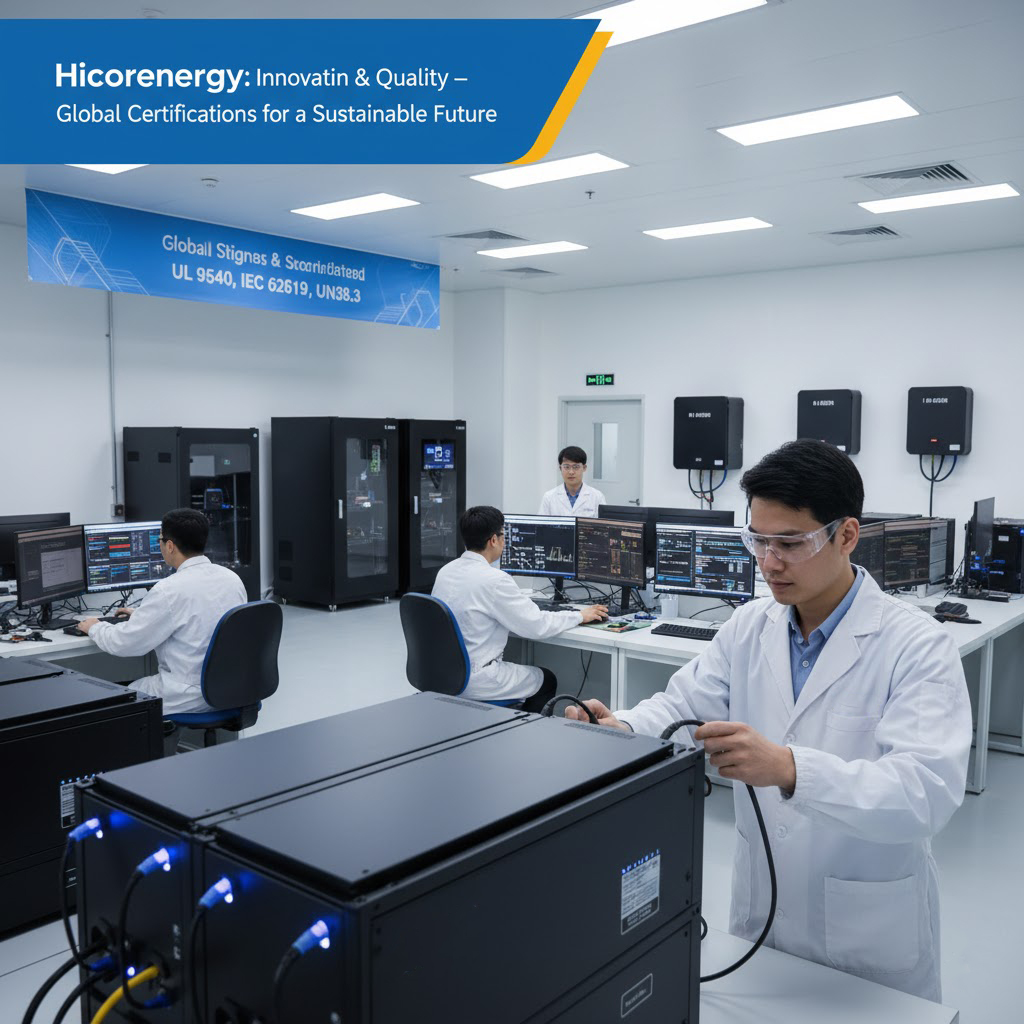
How Battery Storage Systems Can Benefit Commercial Installations
Battery storage systems are transforming commercial energy management. They allow businesses to store electricity during off-peak hours and discharge during peak demand, cutting energy bills and reducing grid dependency. For facilities like factories, data centers, and shopping malls, storage systems also provide critical backup during outages, protecting productivity. Additionally, battery storage enables integration with renewable sources such as solar PV, enhancing sustainability and reducing carbon footprints. With solutions like Hicorenergy’s SHV48100—a distributed energy storage system featuring high-performance LFP cells and rapid charging—commercial users can achieve high efficiency, long cycle life, and seamless scalability to meet growing energy demands.
What to Look for in Battery Storage Suppliers for Long-Term Commercial Projects
Long-term success in commercial installations depends on choosing battery storage suppliers with technical credibility and proven reliability. Distributors and project developers should prioritize suppliers that provide globally certified products, extensive testing data, and scalable designs adaptable to various commercial environments. Hicorenergy’s commitment to quality is reflected in its Tier 1 automotive-grade LiFePO4 cells, robust design, and global compliance certifications.
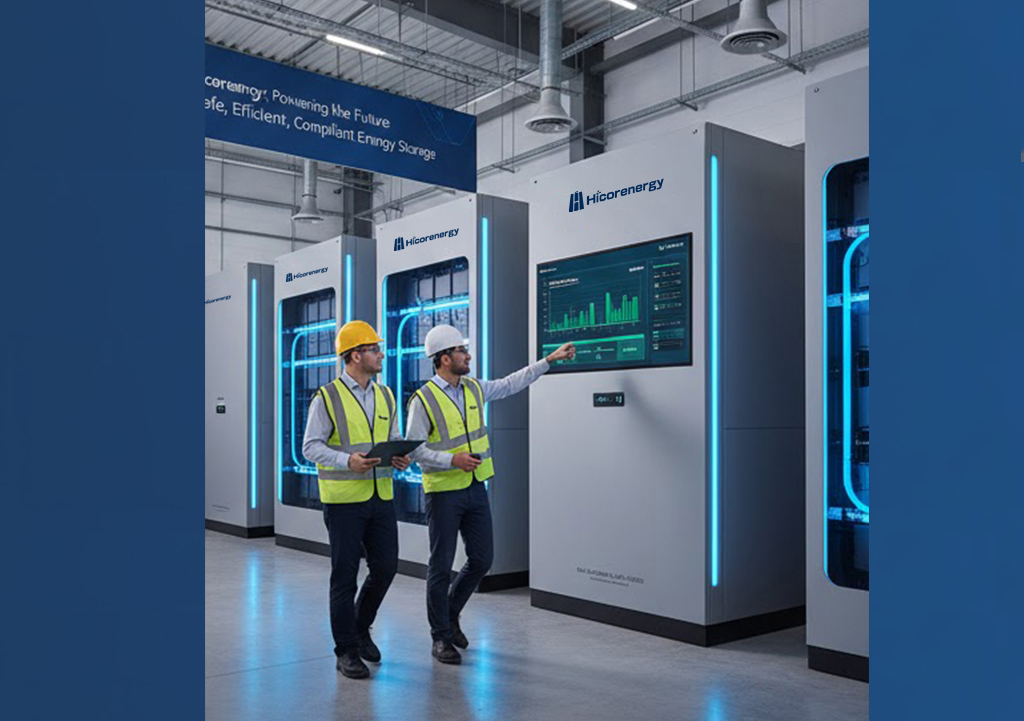
Its Si Station 230—a liquid-cooled battery cabinet with 230kWh capacity—exemplifies innovation for large-scale use. The system’s modularity allows easy expansion, while IP54 protection and global grid compliance ensure safety and operational stability. For mid-size commercial setups, the Si Station 186 offers flexibility, compatibility with major inverter systems, and simplified installation. Beyond product quality, Hicorenergy provides end-to-end support, from system design and configuration to training and local after-sales assistance, ensuring distributors and installers deliver efficient, safe, and compliant solutions.
How Distributors and Installers Can Ensure Efficient Battery Storage Installations
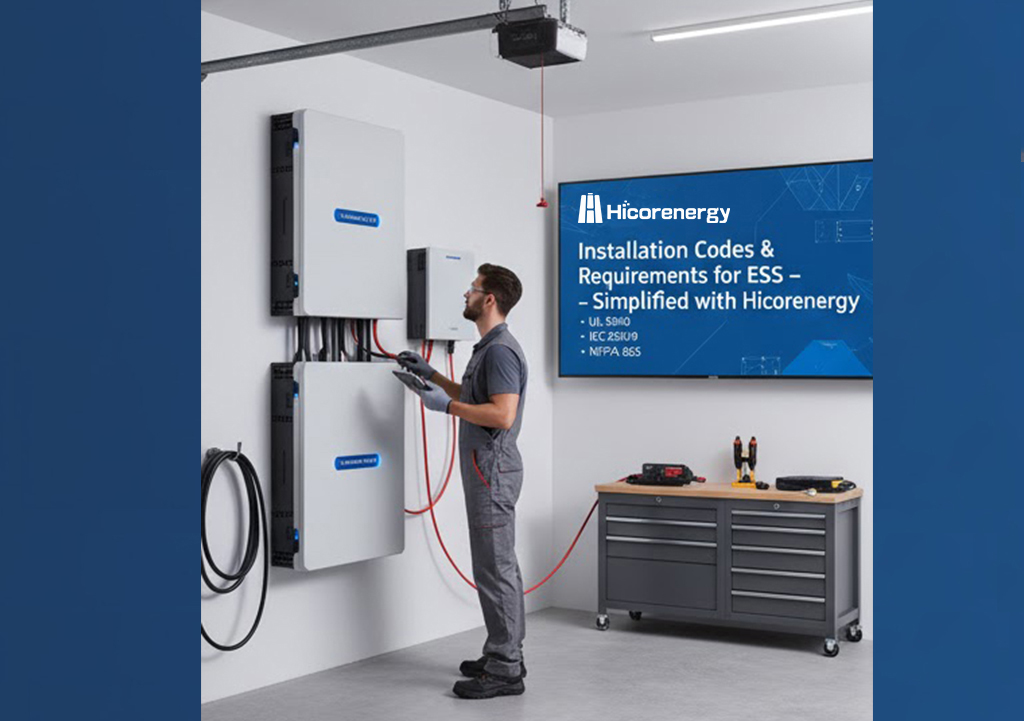
Efficiency in installation depends on using modular systems, following proper wiring and safety protocols, and ensuring precise system configuration. Installers should conduct detailed site assessments to determine load profiles, backup requirements, and grid conditions. Hicorenergy’s systems, such as the Si LV1 and C5°, simplify installation with plug-and-play designs, remote monitoring, and rapid setup. The Si LV1’s modular stack configuration enables installation within 15 minutes, while the C5° supports intelligent remote management, real-time diagnostics, and multiple protection layers. By using these advanced systems, distributors and installers reduce setup time, avoid wiring errors, and deliver durable, efficient commercial energy storage solutions that align with global standards.
Summary
Hicorenergy delivers certified, scalable, and high-performance commercial energy storage systems that empower distributors and installers to meet global market demands with safety and confidence.
Contact Hicorenergy:
Email: service@hicorenergy.com
WhatsApp: +86 181-0666-0961
-2048x617.png)
 English
  Español
  Deutsch
  Français
  Italiano
  Bahasa Indonesia
  Svenska
  Română
  Українська
  Tagalog