What is the Lifespan of a Solar Battery in Australia?
In Australia, a solar battery typically lasts 10–15 years, depending on usage, battery chemistry, and maintenance. Lithium-ion batteries remain the most popular for energy storage because of their long lifespan, efficiency, and ability to support second-life applications after their initial residential use.
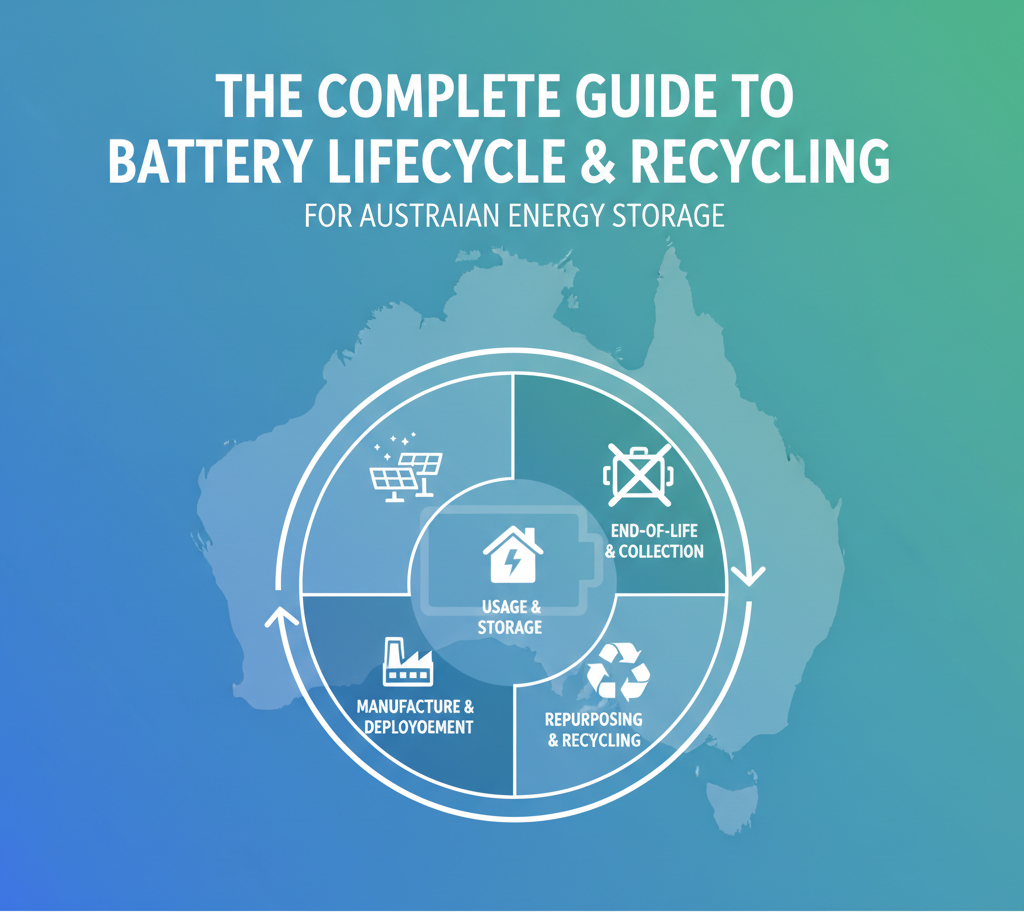
Stages of a Battery’s Life: From Manufacturing to Second-Life Applications
A solar battery’s journey begins with raw material extraction, where critical minerals like lithium, cobalt, and nickel are mined and processed. The next stage is manufacturing, where cells are assembled into packs ready for use in Australian energy storage systems. During its active service, a battery stores renewable energy, helping homeowners and businesses reduce reliance on the grid. Once its primary life cycle ends, it enters a “second-life” phase—where used batteries are repurposed for less demanding applications, such as backup storage or community energy projects. This approach extends the battery’s life and reduces environmental waste, offering a complete guide to sustainable energy storage.
Why Battery Recycling is Critical for Australia’s Sustainable Future
Battery recycling is more than waste management—it’s a pathway to sustainability. By recycling, Australians can recover valuable materials, reduce mining demand, and limit landfill waste. This ensures the country moves toward a cleaner, greener energy future while supporting the circular economy.
How to Recycle Solar Batteries: A Step-by-Step Process Explained
Recycling solar batteries involves several stages designed to recover materials and reduce environmental harm. First, batteries are collected from homes, businesses, and solar installations. Next, they are safely discharged to remove stored energy. They are then dismantled, separating metals, plastics, and chemical compounds. Lithium-ion recycling is particularly important, as it allows the recovery of cobalt, nickel, and lithium for reuse in new batteries. In Australia, specialized recycling facilities use mechanical and chemical processes to ensure materials are reintroduced into manufacturing. For homeowners, working with certified collection points ensures their batteries are responsibly recycled while supporting a sustainable future.
Lithium-Ion vs. Other Chemistries: Comparing Recycling Challenges and Solutions
Not all solar batteries are created equal when it comes to recycling. Lithium-ion batteries dominate the Australian energy storage market because of their efficiency and longer lifespan. However, lithium-ion recycling is complex, requiring advanced technology to recover metals safely. Lead-acid batteries, by contrast, are easier to recycle, with established processes already in place. Nickel-metal hydride batteries fall somewhere in between but are less common for residential solar. The challenge lies in scaling lithium-ion recycling to meet the growing demand for solar energy storage. By investing in innovative recycling technologies, Australia can strengthen its complete guide to battery lifecycle management.
Choosing a Sustainable Battery: End-of-Life Considerations for Homeowners
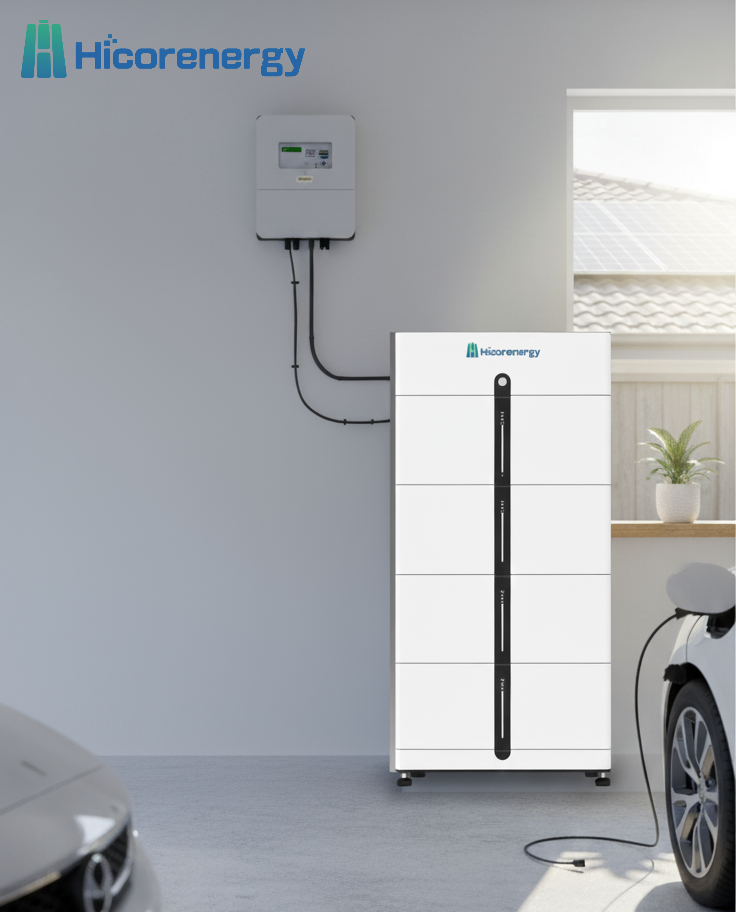
For Australian homeowners, selecting a sustainable battery isn’t just about today’s energy savings—it’s about planning for the future. End-of-life considerations, such as recycling potential and second-life applications, should play a major role in the decision. Hicorenergy offers advanced lithium-ion energy storage solutions that combine long lifespan performance with strong recycling potential. Products like the Si Station 230 and I-BOX 48100R are designed with sustainability in mind, ensuring that when their first life ends, they can be repurposed or recycled responsibly. Choosing a sustainable battery today helps homeowners secure long-term energy independence while contributing to Australia’s clean energy transition.
Hicorenergy Solutions
Hicorenergy provides sustainable lithium-ion energy storage systems designed for long lifespans, second-life applications, and responsible recycling.
📩 Contact us:
service@hicorenergy.com | WhatsApp: +86 181-0666-0961
-2048x617.png)
 English
  Español
  Deutsch
  Français
  Italiano
  Bahasa Indonesia
  Svenska
  Română
  Українська
  Tagalog