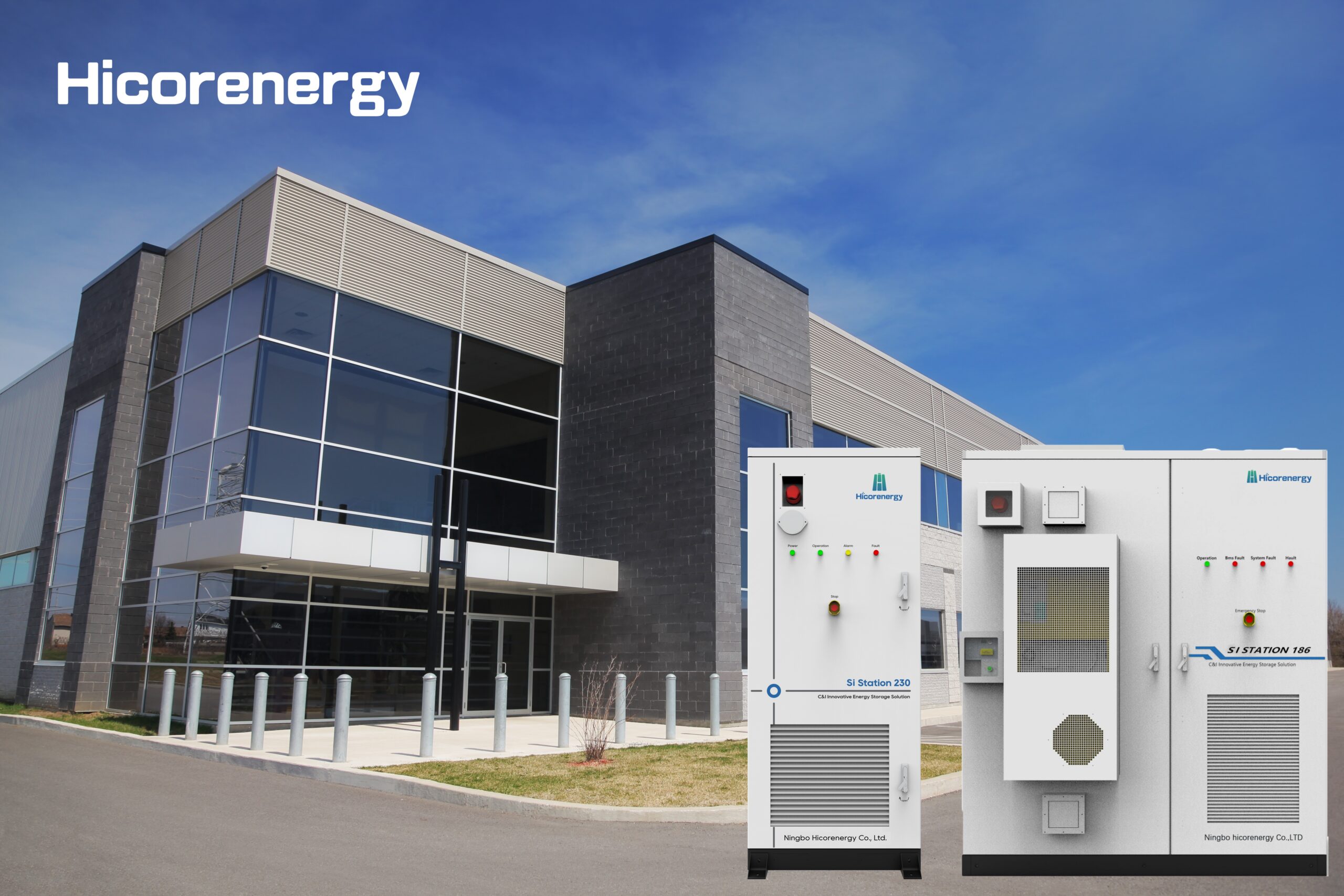
Australia is entering 2025 with a renewed commitment to clean energy, backed by updated national and state-level energy storage policies. For homeowners and businesses, these changes are not just about reducing electricity bills—they are reshaping the way energy is produced, stored, and consumed. With stronger rebates, targeted programs, and investment in large-scale projects, energy storage has become central to Australia’s path toward grid stability and decarbonization.
Australia’s 2025 Energy Storage Policies: Affordable Batteries for Home and Business
Australia’s energy storage policies in 2025 focus on making batteries more affordable through federal and state rebates, ensuring both households and businesses can access reliable, cost-effective storage solutions.
Federal and state rebates are playing a crucial role in driving adoption of residential and commercial battery storage. Programs such as the Cheaper Home Batteries Program are designed to lower upfront costs, while incentives tied to rooftop solar integration are helping to accelerate uptake. These initiatives directly support both households looking for backup power and businesses managing energy costs in a volatile market.
Australia’s energy storage future looks promising—let’s dive deeper.
What Is the Cheaper Home Batteries Program and Who Qualifies?
The Cheaper Home Batteries Program is among the most significant policy initiatives shaping 2025. It directly answers the question many households ask: What is the Cheaper Home Batteries Program? This scheme provides subsidies for homeowners who install approved battery storage systems alongside or after rooftop solar panels. The aim is to reduce upfront costs, making batteries more accessible to middle-income households.
Eligibility typically requires homeowners to use accredited installers and approved battery products listed under the Small-scale Renewable Energy Scheme (SRES). Systems must meet Australian standards for safety and performance. By providing financial relief at the point of purchase, the program encourages thousands of households to adopt long-lasting, efficient solutions, addressing one of the key pain points—high initial cost. Importantly, the program does not just benefit homeowners; it also stimulates demand for certified products, driving confidence in the market.
How Federal and State Incentives Reduce the Cost of Battery Storage
In 2025, battery storage incentives in Australia are more coordinated between federal and state governments than in past years. Federal and State Battery Rebates offer substantial financial support to both residential and business customers. These rebates can cover up to 50% of installation costs in some states, while the federal government complements them with tax credits and subsidies.
Homeowners benefit from rooftop solar and battery storage incentives that lower grid dependence, while businesses gain from accelerated depreciation schemes and grants targeting commercial and industrial storage. The combination of national and local incentives significantly narrows the gap between traditional power reliance and investment in renewable alternatives. By aligning federal and state policies, Australia ensures consistent adoption across different regions, making storage not only more affordable but also more appealing as a long-term investment.
Large-Scale Battery Projects & Grid Resilience: What’s Changing?
Australia is also investing heavily in large-scale battery projects in 2025, marking a major shift in its energy strategy. These projects are not limited to supporting renewable integration—they are designed to enhance grid resilience through storage. Massive systems, often located near Renewable Energy Zones (REZs), provide stability during peak demand, reduce reliance on fossil-fuel peakers, and support transmission networks.
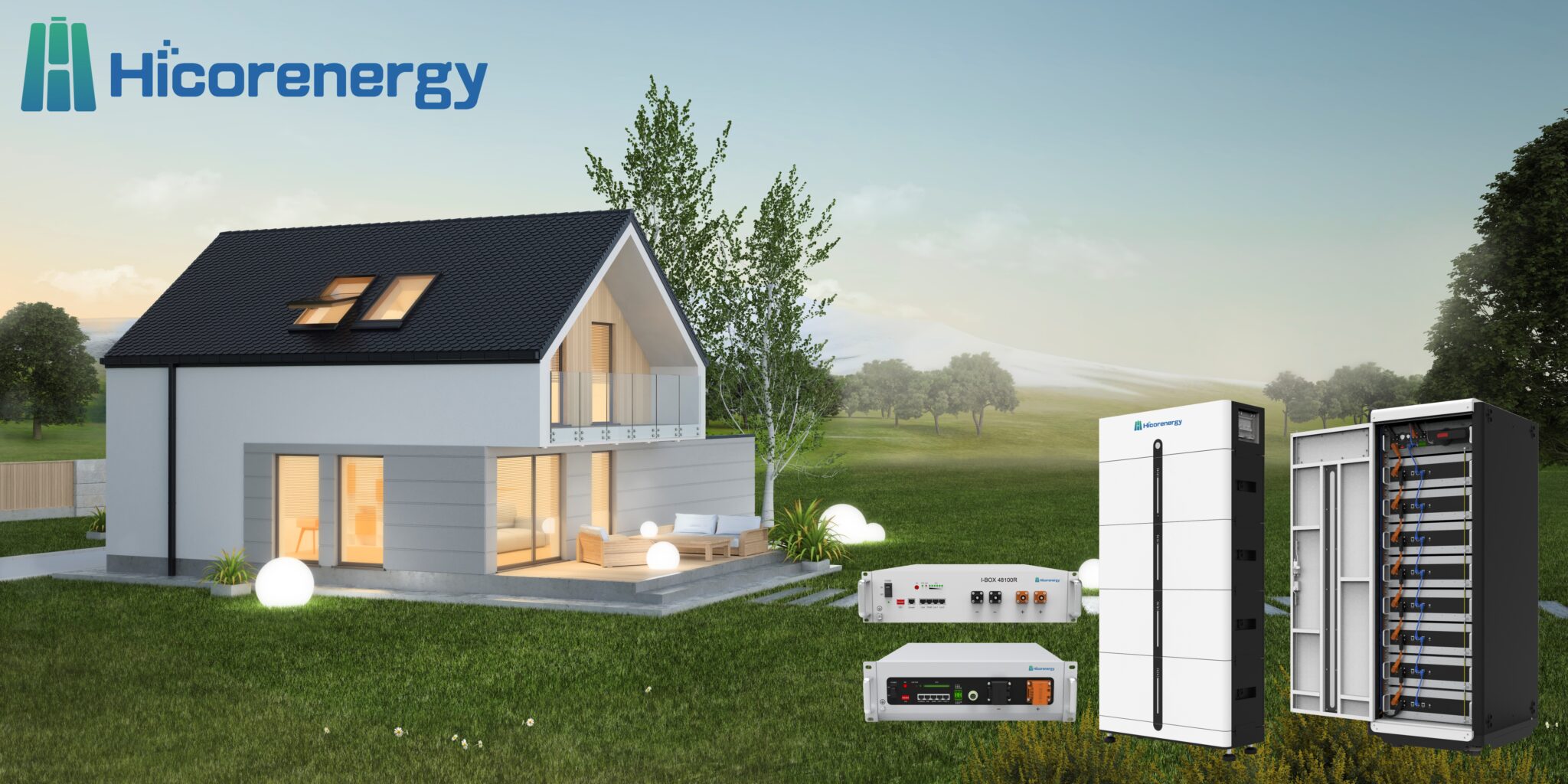
Grid-scale storage also plays a role in reducing wholesale energy volatility, benefiting businesses and consumers alike. By ensuring that energy generated from solar and wind farms is stored and released strategically, these projects improve reliability and affordability. The government’s regulatory support and partnerships with private investors mean that large-scale storage is no longer an experiment but a mainstream tool in Australia’s energy mix.
What Businesses Need to Know: Policy Support and Financial Impacts
For businesses, energy storage policies for 2025 in Australia bring both opportunities and responsibilities. Policy frameworks now include targeted subsidies, low-interest financing, and grants to encourage commercial and industrial battery installations. Businesses that invest in battery storage can reduce peak demand charges, participate in demand response markets, and even sell excess power back to the grid.
At the same time, compliance is becoming more stringent. New regulations require businesses to adopt certified systems, follow grid-interactive standards, and engage with local authorities to ensure safety and reliability. While upfront costs remain significant, the long-term financial impacts are positive, particularly with Australian battery rebates reducing investment risks. Companies that adopt early stand to gain competitive advantages, both in terms of cost control and sustainability credentials.
Looking Ahead: Long-Duration Storage, REZs, and Regulatory Trends
The next frontier in Australia energy storage policies 2025 lies in Long-duration Energy Storage (LDES) and the expansion of Renewable Energy Zones (REZs). Policymakers are pushing for greater investment in technologies that can store energy for eight to twelve hours or longer, ensuring that renewables can supply power reliably even during extended low-generation periods.
REZs are central to this future. By clustering generation, transmission, and storage infrastructure, REZs create efficient, scalable hubs that attract investment and reduce costs. The regulatory landscape is also evolving, with frameworks encouraging market participation from both households and businesses while setting clear safety and performance standards. Together, these trends signal a long-term commitment to making Australia’s grid not only cleaner but also more resilient and adaptable.
Conclusion
Australia’s 2025 energy storage policies represent a turning point for both households and businesses. With rebates, incentives, and large-scale projects driving adoption, storage is no longer a luxury but an essential part of the energy system. Programs like the Cheaper Home Batteries Program make residential systems more accessible, while businesses benefit from financial incentives and regulatory support.
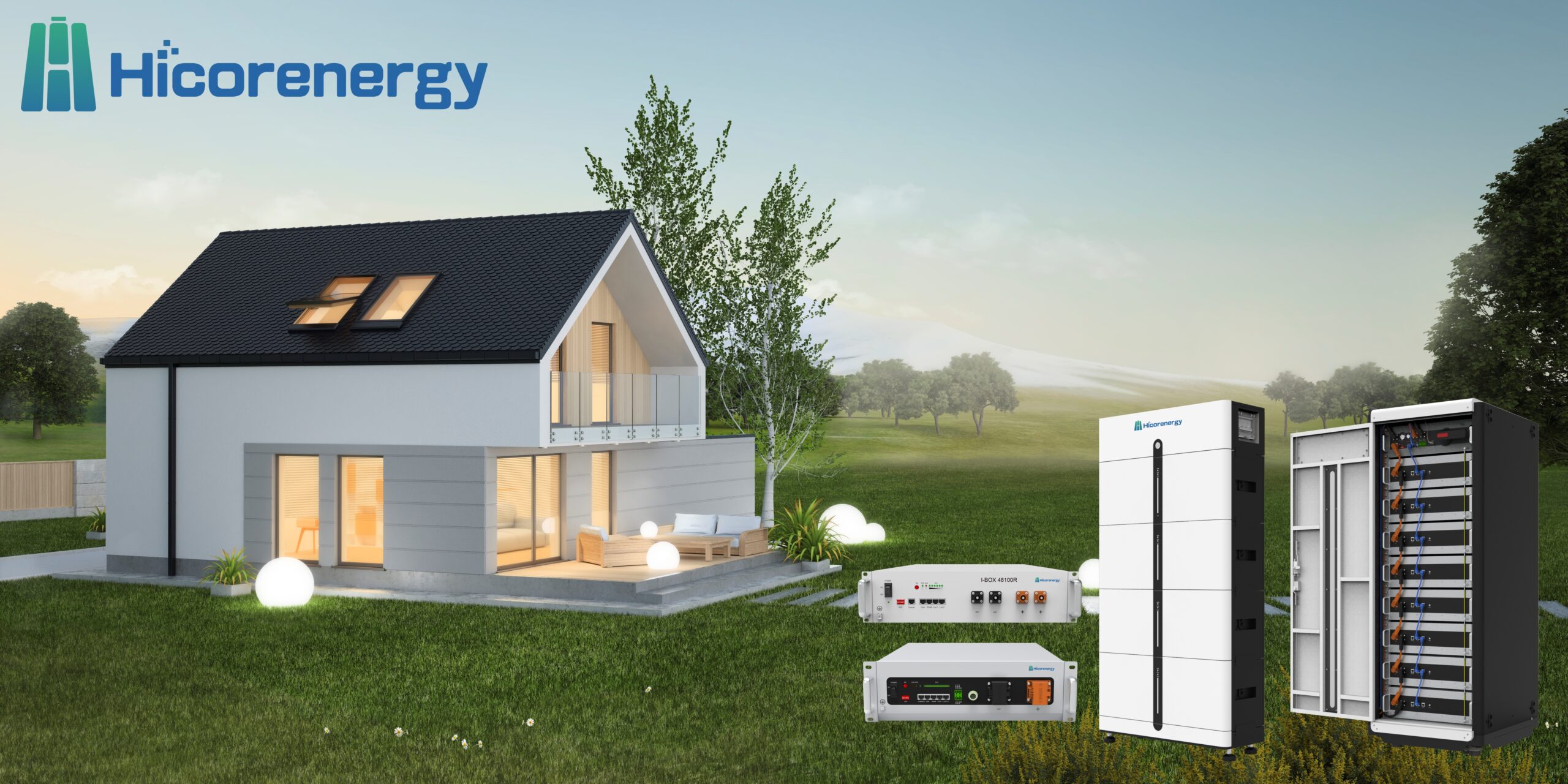
As the market shifts toward long-duration storage and Renewable Energy Zones, opportunities will continue to grow. For homeowners, businesses, and distributors alike, now is the time to act. To explore advanced solutions such as residential and commercial storage systems, contact Hicorenergy, a global provider of safe, reliable, and scalable energy storage solutions.
Contact Us Today:
Email: service@hicorenergy.com
WhatsApp: +86 181-0666-0961

-2048x617.png)
 English
  Español
  Deutsch
  Français
  Italiano
  Bahasa Indonesia
  Svenska
  Română
  Українська
  Tagalog