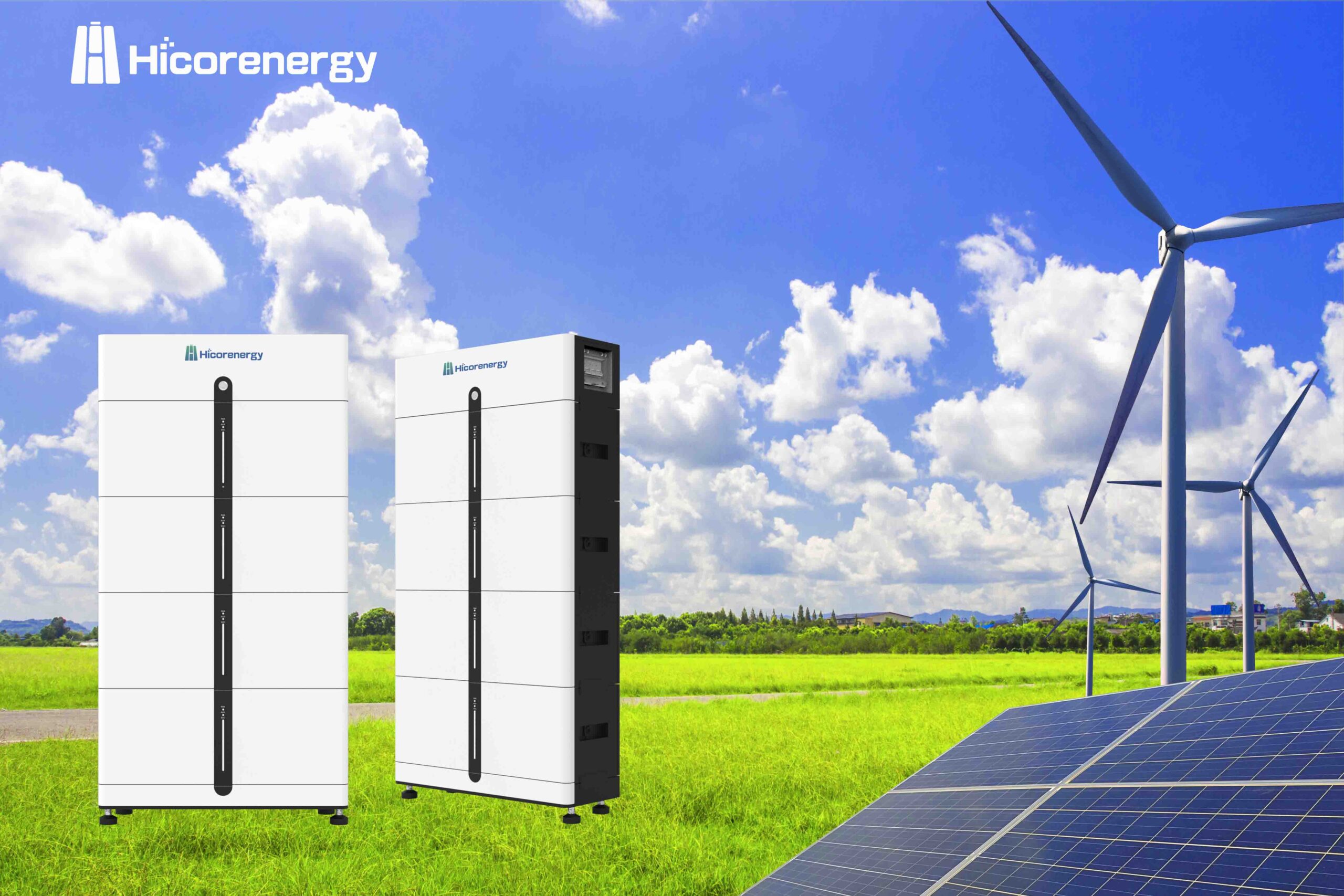
As demand for clean, independent power grows, investing in an energy storage battery is a smart move. But to fully maximize its value, users must understand how to extend its service life. What practical steps can you take to ensure your battery delivers consistent performance for years to come?
Why Battery Lifespan Matters for Your Energy Storage System
A longer battery lifespan reduces replacement costs, enhances system reliability, and ensures greater return on your energy investment over time.
Key Factors That Affect the Lifespan of Your Energy Storage Battery
The life expectancy of an energy storage battery is shaped by several key variables:
Battery Chemistry and Cell Quality – Lithium iron phosphate (LiFePO₄) cells, like those used in Hicorenergy batteries, offer superior cycle life, safety, and thermal stability compared to other chemistries. Grade A automotive-level cells ensure consistent and durable performance.
Depth of Discharge (DOD) – Repeatedly draining a battery close to 0% reduces its lifespan. Hicorenergy products are optimized for deep cycle use (≥6000 cycles at 90% DOD) without compromising long-term durability.
Charge/Discharge Rate – High or erratic charging currents can accelerate battery degradation. Systems like Hicorenergy’s C5° and I-BOX 48100R are engineered for controlled, efficient cycling to minimize wear.
Operating Temperature – Excessive heat or cold can degrade battery components. Thermal management systems play a critical role in prolonging battery health.
Usage Pattern and Application – Batteries used for backup only may last longer than those under continuous heavy load. Matching the battery’s capacity and performance to its application is key.

How to Optimize Charging and Discharging Cycles to Maximize Battery Life
Proper management of charging and discharging cycles is one of the most effective ways to extend battery lifespan. Avoid deep discharges when unnecessary, use high-quality inverters and BMS systems, and maintain a consistent charging routine. Hicorenergy’s integrated systems are optimized to support stable cycling, delivering over a decade of peak performance.
Temperature Control: The Secret to Prolonging Your Energy Storage Battery’s Lifespan
Maintaining optimal temperature conditions is crucial to the health of any energy storage battery. Both extreme cold and excessive heat can shorten battery life, impair performance, and in worst-case scenarios, lead to system failure.
Hicorenergy products are built to handle diverse environmental challenges. The C5° system, for example, includes an integrated heating mechanism and a wide operating temperature range, ensuring stable operation in harsh climates. Similarly, the Si LV1 includes both hardware and software protections to regulate thermal conditions, delivering reliability even in outdoor environments.
Ideally, battery systems should operate between 15°C and 35°C for optimal performance. Installing batteries in shaded or climate-controlled environments, along with using products that offer active thermal management, helps preserve cell chemistry and structural integrity. For users in extremely hot or cold regions, choosing products like Hicorenergy’s temperature-resilient models is an investment in long-term performance.
Regular Maintenance Practices to Extend the Life of Your Energy Storage Battery
Though modern energy storage battery systems are largely maintenance-free, periodic checks and proper care significantly improve their lifespan.
Visual Inspection – Check connectors, cables, and enclosures for signs of wear or corrosion, especially in outdoor or high-humidity environments.
Software Updates and Monitoring – Systems like Hicorenergy’s C5° and SHV48100 support remote monitoring and automatic firmware upgrades. This ensures optimal performance and early detection of anomalies.
BMS Health Check – The Battery Management System (BMS) acts as the brain of the battery. Ensuring that the BMS is functioning correctly—monitoring voltages, currents, and thermal metrics—can prevent minor issues from becoming serious.
Cleaning and Environment – Keep the installation site free of dust and moisture. Clean air flow around the unit allows better passive cooling and improves longevity.
Scheduled Servicing – For commercial users or complex installations, professional servicing by local Hicorenergy teams ensures long-term operational stability.
Routine care minimizes performance dips and protects your investment for years to come.

Signs Your Energy Storage Battery Is Aging and How to Manage It
Even the highest-quality energy storage batteries will eventually show signs of aging. Recognizing these early can help you take proactive steps.
Common signs include:
Reduced Storage Capacity – The battery holds less charge than before, even with full charging.
Slower Charging or Discharging Rates – The system may take longer to respond or deliver lower-than-expected power output.
Increased Internal Resistance – This results in higher heat generation and can reduce efficiency.
Frequent Error Messages or Alarms – Particularly if the system’s BMS reports voltage imbalances or thermal issues.
Hicorenergy’s range of products—such as the I-BOX 48100R, C5°, and SHV48100—is designed with long lifecycle performance (≥6000 cycles at 90% DOD) and robust remote monitoring to catch these signs early.
When degradation becomes significant, Hicorenergy’s modular designs make replacements or expansions easy. For example, the SHV48100 system allows users to scale or replace units as needed, ensuring continued energy security without a complete overhaul.
By leveraging real-time data, thermal protections, and flexible architecture, Hicorenergy helps users manage aging batteries without service disruption.
Summary
With durable design, thermal protection, and smart control systems, Hicorenergy’s energy storage batteries offer long-lasting performance, even in challenging environments. Proactive care ensures users maximize this value.
Need help protecting your battery investment?
Contact us today:
Email: service@hicorenergy.com
WhatsApp: +86 181-0666-0961



-2048x617.png)
 English
  Español
  Deutsch
  Français
  Italiano
  Bahasa Indonesia
  Svenska
  Română
  Українська
  Tagalog