As energy demand surges and solar, EV, and grid-scale applications accelerate, the quest for longer-lasting lithium battery storage has entered a new era. Hitting over 6,000 charge cycles is no longer a dream—it’s becoming an industry standard, redefining how homes and businesses use power. What’s behind this leap forward? And how will it impact energy systems of the future?
Today’s long-life battery technology reaches 6,000+ charge cycles by combining lithium iron phosphate (LiFePO₄) chemistry with smart BMS control and thermal optimization—delivering deep cycle battery performance with minimal degradation.
New research into battery chemistry innovation has enabled the stabilization of LiFePO₄ structures, slowing down electrode wear and optimizing internal heat distribution. Combined with intelligent battery management systems (BMS), this has significantly reduced battery degradation, boosted energy density, and elevated the standard of sustainable battery technology.
Explore how these breakthroughs are transforming global energy storage solutions.
What Does “6,000+ Cycles” Actually Mean in Battery Performance?
Battery cycle life refers to how many times a battery can be charged and discharged while retaining acceptable performance. A 6,000 cycle lithium battery, such as those developed by Hicorenergy, can last more than 16 years if used daily. That’s a substantial leap from earlier technologies, where 2,000-3,000 cycles were typical. These batteries, especially those using LiFePO₄ chemistry, are deep cycle batteries capable of maintaining 80% of their original capacity even after years of operation. This level of battery longevity is crucial for off-grid solar systems, EVs, and backup energy in commercial setups. More cycles mean better returns on investment and greater sustainability.
Key Technological Breakthroughs Behind Long-Life Lithium Batteries
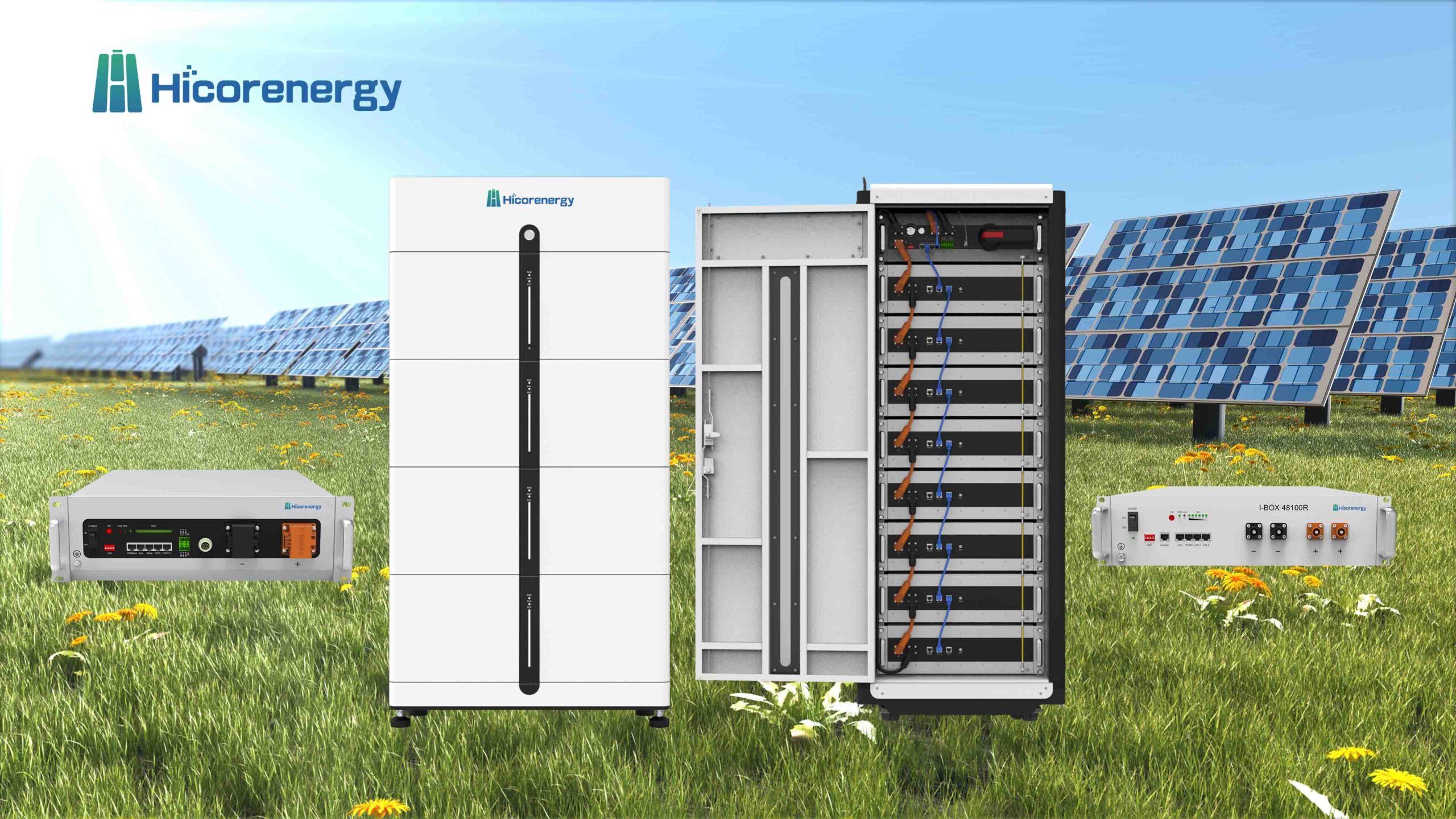
The success of 6,000+ cycle lithium battery storage comes from advancements in three key areas: materials, system design, and smart control. First, lithium iron phosphate (LiFePO₄) has emerged as a chemistry leader due to its thermal stability, safety, and minimal degradation. Hicorenergy’s I-BOX 48100R and C5° models use Tier 1 Grade A prismatic LiFePO₄ cells paired with dual active MCU-based BMS for precision control. Second, innovative structural design improves heat dissipation and allows for flexible installation, reducing stress on battery components. Finally, features like real-time remote monitoring and adaptive charging algorithms reduce overcharging and undercharging risks, protecting long-term performance.

LiFePO₄ vs. NMC: Which Lithium Battery Chemistry Offers the Most Cycles?
When it comes to cycle life, lithium iron phosphate (LiFePO₄) has a clear edge over lithium nickel manganese cobalt oxide (NMC). LiFePO₄ batteries, like those in Hicorenergy’s SHV48100 and Si LV1 systems, typically exceed 6,000 cycles at 90% depth of discharge. In contrast, NMC batteries average 2,000 to 3,000 cycles under similar conditions. Although NMC batteries boast higher energy density, they degrade faster and are more sensitive to high temperatures and charging habits. LiFePO₄ offers better thermal stability, safety, and a flatter degradation curve, making it the best lithium battery for long lifespan and the top choice for solar energy and residential or commercial energy storage systems.
How Extended Battery Lifespan Impacts Cost and ROI for Home & Business Use
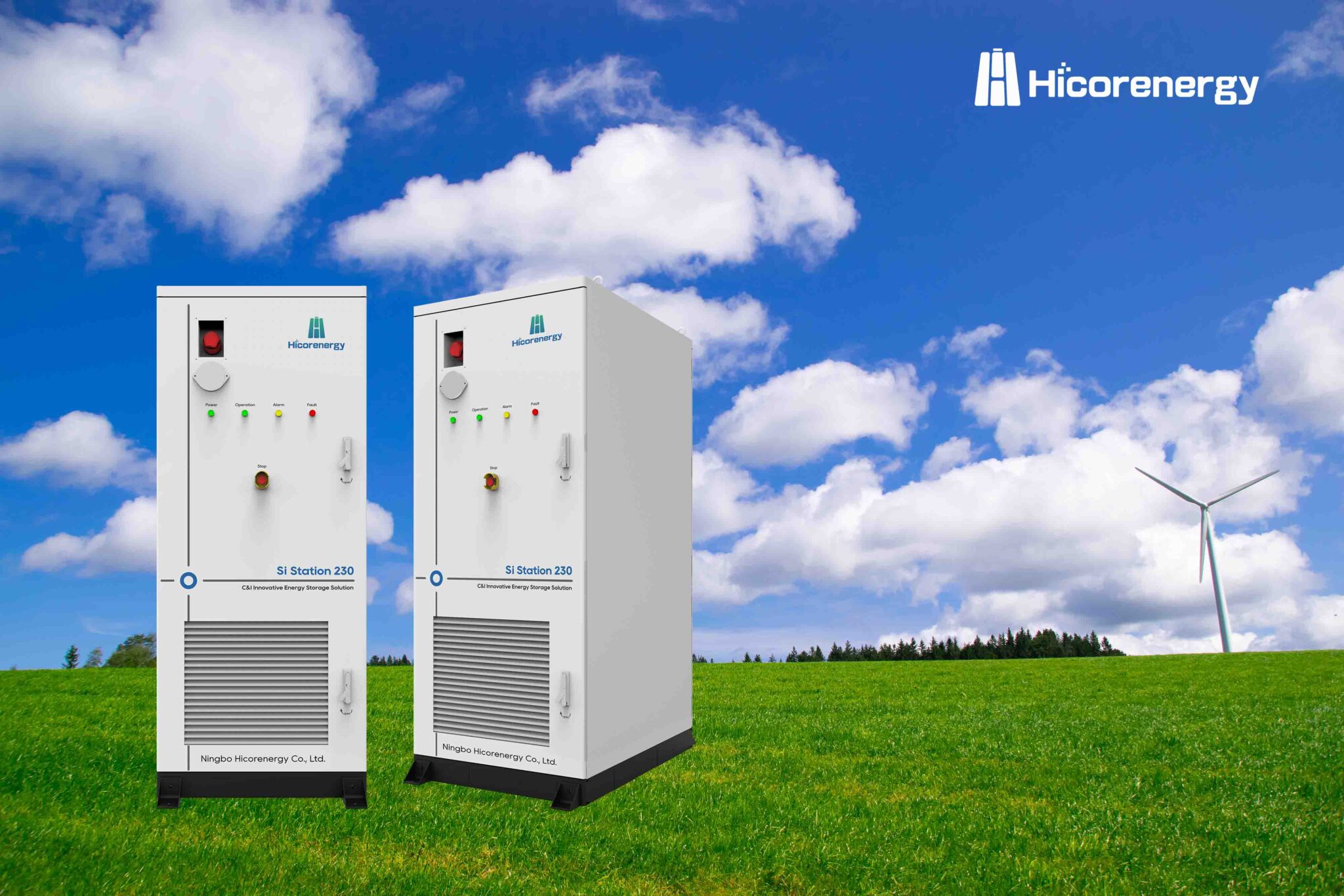
A longer battery cycle life directly influences cost-effectiveness. Hicorenergy’s ≥6000 cycle lithium batteries reduce replacement frequency, cutting long-term ownership costs significantly. For home users, it means fewer disruptions and stable performance throughout the system’s 10–20 year design life. Businesses benefit from minimized downtime, lower maintenance expenses, and predictable operational costs. Whether used for peak shaving, emergency power, or solar storage, these systems enhance ROI by delivering more kilowatt-hours over their lifespan. Additionally, advanced energy storage systems like the Si Station 230 also offer scalability and compliance with global standards, making them attractive for commercial-scale projects aiming for sustainable battery technology solutions.
What This Means for Solar, EVs, and Grid-Scale Energy Storage in the Future
The shift toward next-generation lithium batteries with high cycle performance is reshaping how energy is stored and used. For solar applications, such as residential and C&I systems, longer-lasting batteries reduce reliance on the grid and improve energy independence. In electric vehicles (EVs), extended battery life minimizes the need for early replacements, improving sustainability. Grid-scale projects also benefit by reducing infrastructure turnover and maintenance costs. With modular and scalable solutions like Hicorenergy’s Si Station 186, the future of advanced energy storage looks more efficient, more reliable, and better aligned with global carbon neutrality goals. Battery longevity for solar and EV use cases is no longer a limitation but a driving force for clean energy adoption.
Conclusion
As lithium battery storage technology advances beyond 6,000 cycles, energy solutions become smarter, safer, and more cost-effective. Hicorenergy is leading this transformation with reliable products built on sustainable battery technology. Whether you’re powering a home, factory, or entire grid, long-life battery technology ensures you stay ahead of the curve. Ready to explore how 6,000 cycle lithium batteries can upgrade your energy strategy? Contact Hicorenergy today.
Contact Us Today:
Email: service@hicorenergy.com
WhatsApp: +86 181-0666-0961
 English
  Español
  Deutsch
  Français
  Italiano
  Bahasa Indonesia
  Svenska
  Română
  Українська
  Tagalog