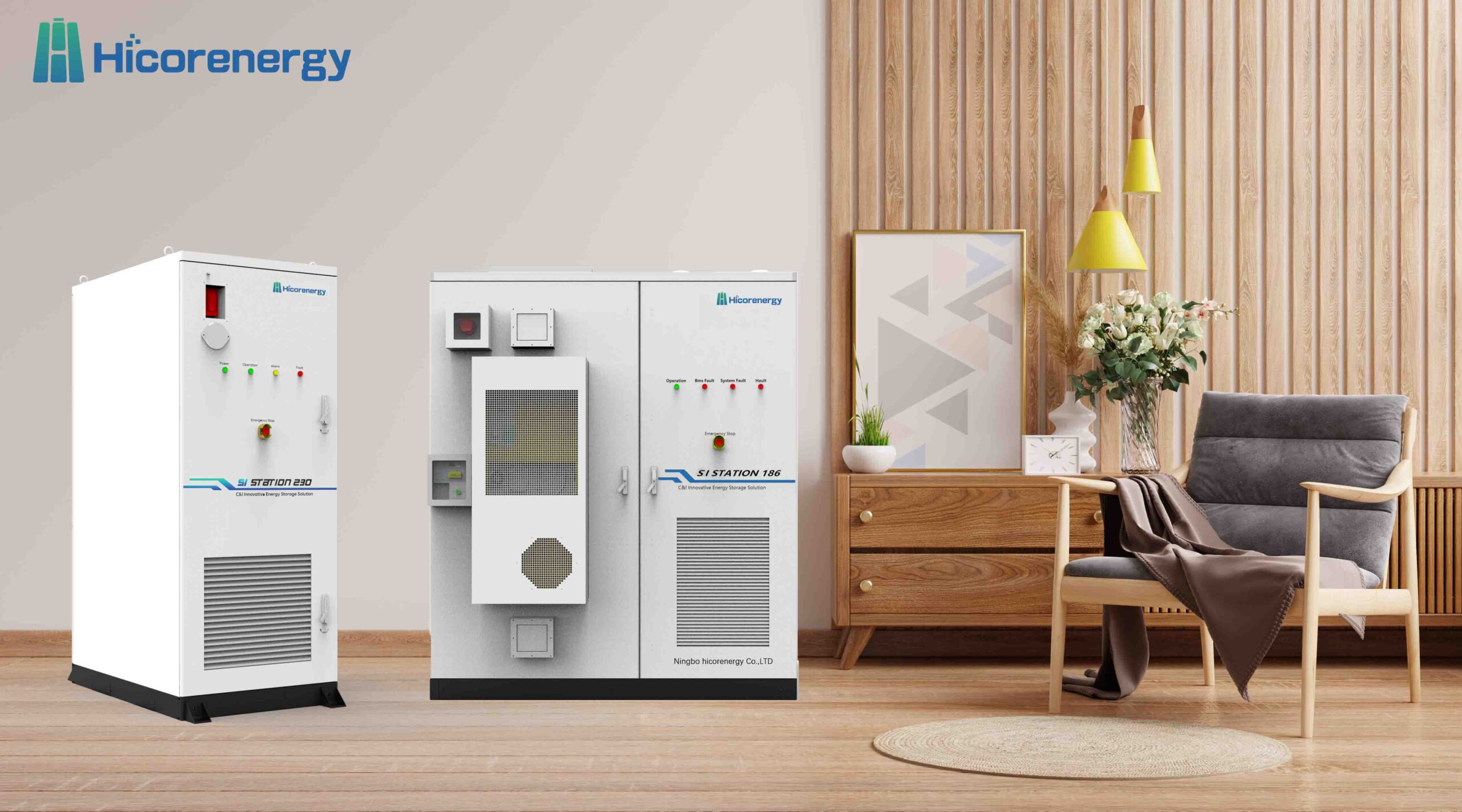
Power outages can strike without warning, disrupting daily life and threatening your comfort, safety, and health. From minor blackouts to prolonged grid failures, having the right strategies in place makes all the difference. Whether you live in an area prone to severe weather or simply want peace of mind, this power outage safety guide will walk you through essential steps to follow before, during, and after an outage. It also highlights how energy storage systems like those from Hicorenergy can help mitigate the impact of blackouts and boost your long-term resilience.
How to Stay Safe and Prepared Before, During, and After a Power Outage?
Create an emergency kit, prepare backup power, follow safety procedures, and inspect systems carefully post-outage to stay protected.
Essential Safety Steps Every Homeowner Should Follow to Handle Power Outages with Confidence and Minimize Risks
Safety begins with preparation. Stocking an emergency kit for power outages that includes flashlights, portable power stations, first-aid supplies, and extra batteries is vital. Ensure you have battery-powered lighting and a communication device like a charged mobile phone with a backup charger. If you own a residential battery storage system, keep it well-maintained and fully charged. Test smoke and carbon monoxide detectors. Document a power outage checklist—before, during, and after—and review it with your family regularly to ensure everyone knows what to do.

Let’s dive into key power outage safety tips every household should know.
Before the Outage: Prepare Your Home and Emergency Kit
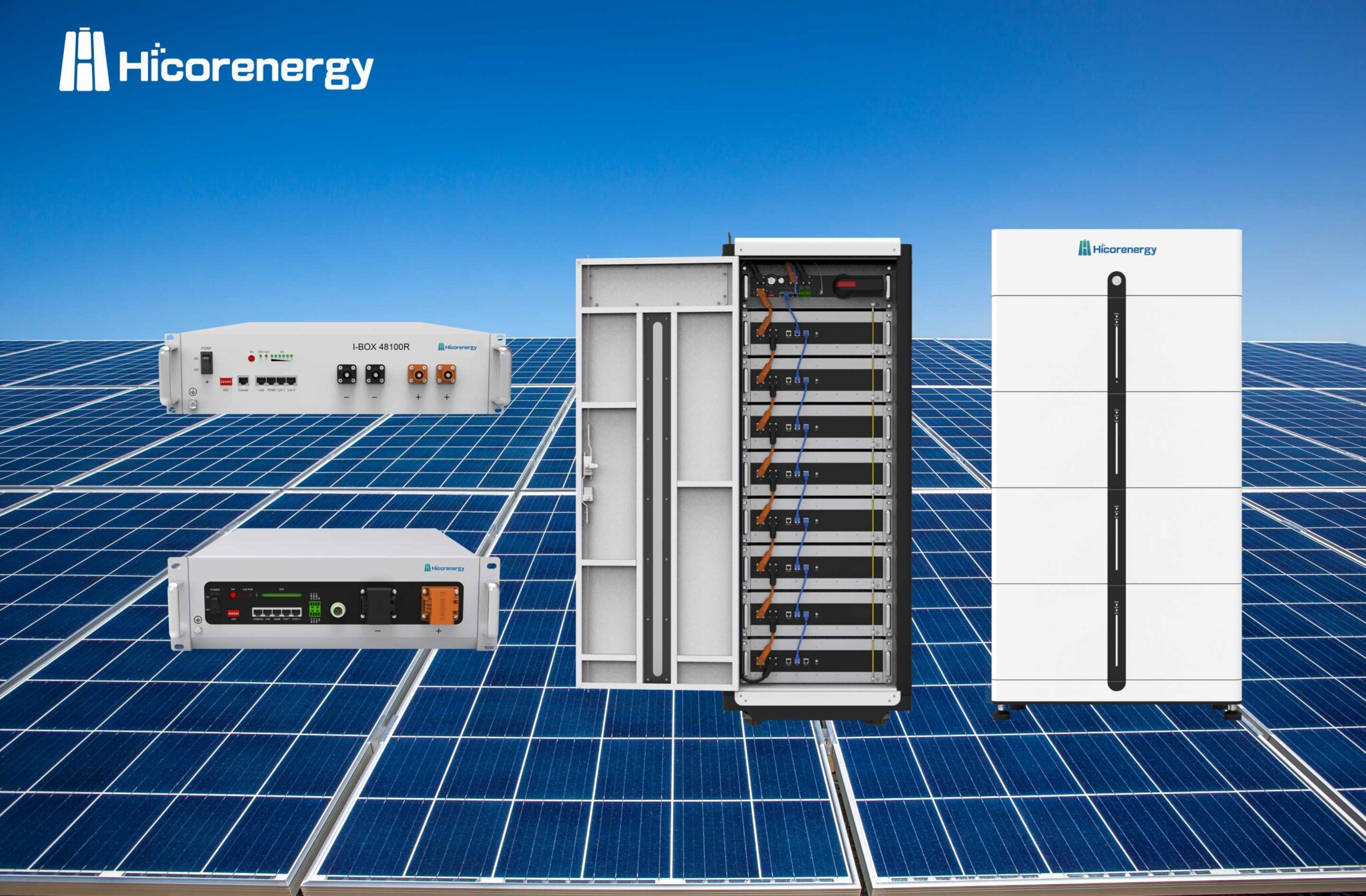
Power outage preparation starts well before the lights go out. Begin by assembling a comprehensive emergency kit for power outages. Include essentials such as bottled water, canned food, medications, flashlights, and extra batteries. A battery-powered radio will help you stay informed. Also consider investing in a portable power station or a residential battery storage system like Hicorenergy’s I-BOX 48100R, which offers reliable backup power during outages.
Secure your home by trimming tree branches near power lines and anchoring loose outdoor items. Install surge protectors to safeguard appliances. Most importantly, if someone in your household relies on powered medical devices, notify your local utility provider and make alternate power arrangements. Document a clear power outage checklist before, during, and after to ensure your household is ready.
During the Outage: Stay Safe and Conserve Power
When the power goes out, your first priority is safety. Keep refrigerators and freezers closed to maintain food safety during power outage conditions. Turn off and unplug appliances to prevent overloads when power is restored. Rely on battery-powered lighting instead of candles to reduce fire risk.
Use the safe use of generators and batteries during blackout conditions—always operate generators outdoors, away from windows, and never in enclosed spaces to avoid carbon monoxide risk. Hicorenergy’s systems like the C5° support remote monitoring, helping users manage their energy reserves effectively. Conserve mobile phone battery life and limit screen use. Check in on neighbors, especially the elderly or those with disabilities, and stay tuned to local updates via a battery-powered or car radio.
After the Outage: Inspect Systems and Avoid Hazards
Once power is restored, inspect your home carefully. Check for signs of damage to electrical wiring, water leaks, or spoiled food. Gradually reconnect appliances, starting with critical systems. Pay attention to warning lights or error codes on your energy storage systems or generators.
Avoid flood-prone areas in case of weather-related blackouts and don’t touch downed power lines. If you’re using a Hicorenergy residential battery system, verify its operational status via the web/app interface, which enables real-time monitoring and error detection. Reset clocks and security systems, and take inventory of your emergency kit to restock used supplies.
Top Safety Mistakes to Avoid During a Power Outage
Many people unknowingly put themselves at risk during blackouts. One of the most common power outage safety mistakes is using candles instead of battery-powered lighting, which increases the fire hazard. Another major error is operating a generator indoors or too close to open windows, leading to deadly carbon monoxide poisoning.
Failing to conserve power in the early stages of a blackout can lead to premature depletion of energy reserves. Ignoring the importance of backup power or neglecting maintenance on your residential battery storage system may leave you unprepared. Finally, some homeowners reconnect all appliances immediately when the power returns—this can overwhelm circuits and damage devices. The power outage safety guide from experts emphasizes taking measured, informed actions to avoid these dangers.
How Battery Backup Systems Can Improve Outage Safety
Battery backup systems play a critical role in enhancing power outage safety. Products like Hicorenergy’s Si LV1 and C5° are engineered to provide stable, uninterrupted power during outages, storing energy from solar panels or the grid. With >95% round-trip efficiency and up to 20 years of design life, these systems offer peace of mind and significant savings over time.
Such systems enable the safe use of generators and batteries during blackout situations, offering built-in protections, wide operating temperature ranges, and smart monitoring capabilities. With expandable configurations up to 122.88 kWh, systems like Si LV1 allow homes to scale backup capacity as needed. By ensuring constant access to lighting, refrigeration, and communication, they turn power outage emergencies into manageable events.
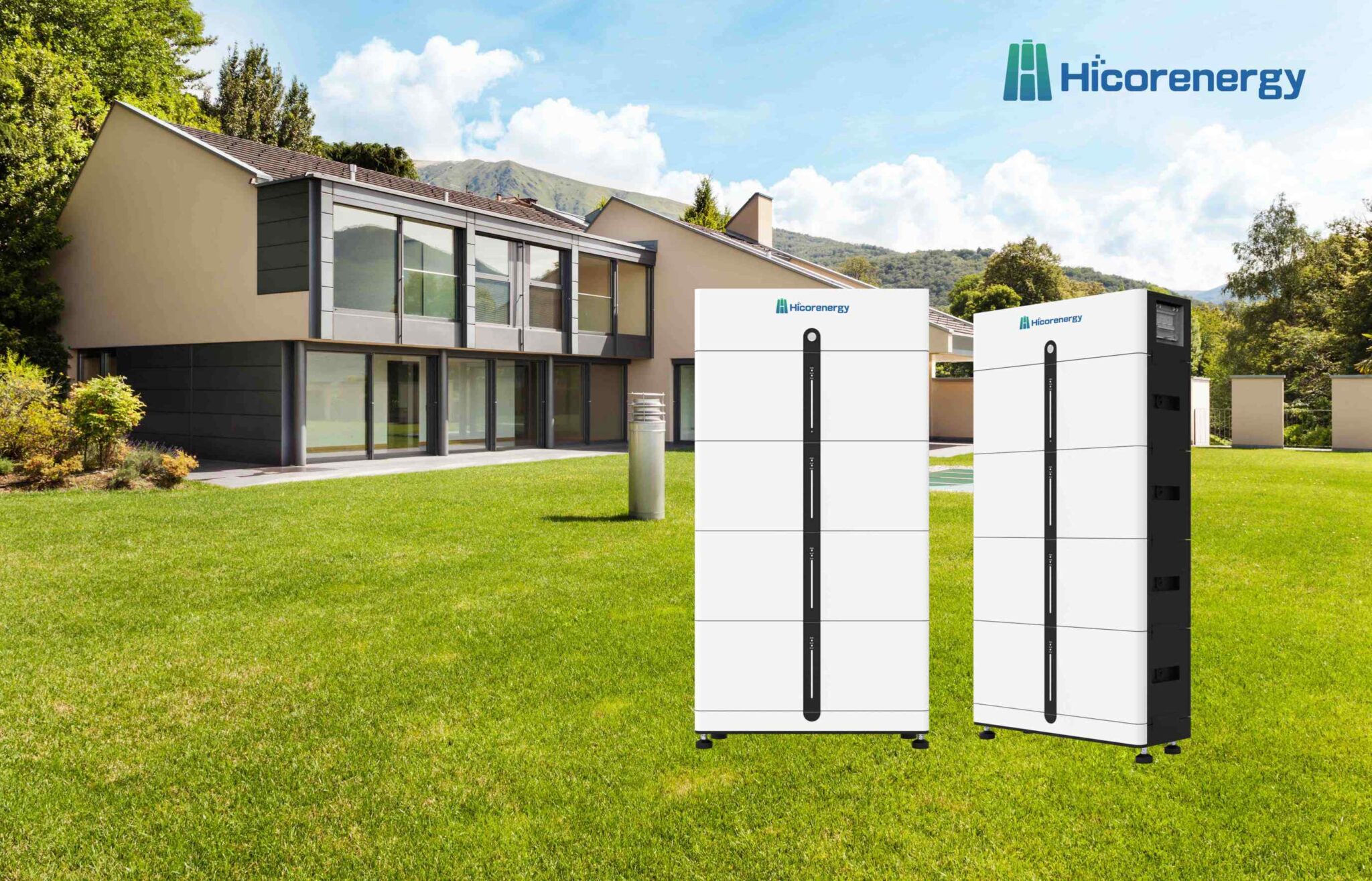
In summary, power outages are unpredictable, but being well-prepared can drastically reduce their impact. By following these power outage safety tips—before, during, and after the blackout—homeowners can ensure the well-being of their families, protect their property, and maintain access to essential power. From assembling an emergency kit to investing in a reliable residential battery storage system like those offered by Hicorenergy, every step counts toward safety and resilience. With the right tools and knowledge, it’s possible to face even the longest outages with confidence and calm.
Stay safe during blackout situations—start preparing today and contact Hicorenergy for trusted battery backup solutions.
Contact Us Today:
Email: service@hicorenergy.com
WhatsApp: +86 181-0666-0961

 English
  Español
  Deutsch
  Français
  Italiano
  Bahasa Indonesia
  Svenska
  Română
  Українська
  Tagalog