Day: February 13, 2025

  • The Brain of the Battery: Understanding the Role of a BMS

    The Brain of the Battery: Understanding the Role of a BMS

    What is a Battery Management System?

    A Battery Management System (BMS) is the control center for batteries, optimizing performance, ensuring safety, and prolonging lifespan. It monitors and regulates battery functions, balancing cells and protecting against overheating, overcharging, or deep discharges. A BMS is essential for maximizing the efficiency of battery energy storage systems in residential, commercial, and industrial energy applications.

    How Do Battery Management Systems Work?

    Battery Management Systems function as the operational “brain” of a battery pack. They continuously monitor key metrics such as voltage, current, and temperature to ensure each battery cell remains within safe parameters. The system regulates charging and discharging cycles to prevent overcharging or deep discharge, which can degrade battery life. If a risk, such as overheating, is detected, the BMS takes protective measures, including reducing power output or shutting down the system.

    Modern BMS solutions also incorporate features like remote monitoring and diagnostics, enabling users to oversee battery performance and identify issues in real time. These capabilities are vital for applications like solar energy storage, commercial energy solutions, and industrial operations.

    Explore the diverse capabilities of a BMS and its transformative impact on energy storage systems.

    Exploring Different Types of Battery Management Systems

    Battery management systems come in several configurations, each suited for specific applications.

    Centralized BMS:
    A centralized BMS features a single control unit connected to all battery cells. It collects data and manages operations from a central point. Centralized systems are cost-effective for smaller setups, such as residential energy storage. However, they can become less efficient as the battery system scales up, as wiring complexity increases and single-point failure risks rise.

    Modular BMS:
    Modular systems distribute control across smaller units, each responsible for managing a specific section of the battery pack. This setup enhances scalability and reliability. Modular BMS solutions are often used in commercial energy storage and industrial energy systems due to their ability to manage large-scale battery setups efficiently.

    Distributed BMS:
    Distributed systems take a decentralized approach, with each battery cell having its management unit. This configuration provides unparalleled precision and fault tolerance, making it ideal for high-performance applications such as grid power backup and renewable energy integration. The flexibility of distributed systems also supports energy innovation by enabling more complex configurations.

    Hicorenergy employs modular and distributed BMS solutions in its advanced battery energy storage systems, ensuring optimal performance for applications ranging from residential power backup to large-scale industrial operations.

    Why Battery Management Systems Matter

    A BMS is more than a tool for managing batteries; it is a critical component that enhances safety, performance, and sustainability in energy storage systems.

    Ensuring Safety:
    Battery safety is paramount, especially for lithium-ion systems. A BMS mitigates risks such as thermal runaway, over voltage, and short circuits. It ensures safe operation by continuously monitoring battery conditions and taking protective actions when needed.

    Maximizing Performance:
    By balancing charge levels across individual cells, the BMS enhances the efficiency and capacity of the battery pack. This optimization is crucial in applications like solar energy storage, where maximizing energy capture and utilization is key.

    Prolonging Lifespan:
    Over time, batteries degrade due to repeated charge and discharge cycles. A BMS mitigates this effect by carefully regulating these cycles, extending the overall lifespan of the battery pack.

    Supporting Energy Sustainability:
    As the demand for clean energy and renewable solutions grows, BMS technologies play a pivotal role in enabling sustainable energy practices. They ensure that battery energy storage systems operate efficiently, supporting the broader energy revolution.

    Key Advantages of Battery Management Systems

    The advantages of integrating a robust BMS into energy storage systems are both immediate and long-term.

    Efficiency Gains:
    BMS solutions optimize the performance of every battery cell, ensuring minimal energy waste. This efficiency translates to lower operating costs, particularly in large-scale installations like commercial and industrial energy systems.

    Remote Monitoring and Management:
    Advanced BMS systems, such as those developed by Hicorenergy, include real-time monitoring and diagnostics. Users can access performance data and receive notifications about potential issues through mobile apps or web platforms. This capability reduces downtime and minimizes maintenance costs.

    Versatility Across Applications:
    Whether in residential energy storage, solar energy systems, or grid power backup, a BMS adapts to the specific needs of each application. Its ability to scale from small systems to large configurations ensures its relevance across diverse use cases.

    Contribution to Energy Innovation:
    The role of a BMS extends beyond individual systems. By enabling safe and efficient energy storage, BMS technologies support the transition to renewable energy, contributing to the global effort for a sustainable future.

    Hicorenergy’s advanced battery systems, equipped with state-of-the-art BMS solutions, exemplify these advantages, making them a trusted choice for residential, commercial, and industrial users.

    Battery Management Systems: A Deep Dive with Hicorenergy

    Hicorenergy’s expertise in energy storage is underscored by its commitment to innovation in BMS technologies.

    Residential Applications:
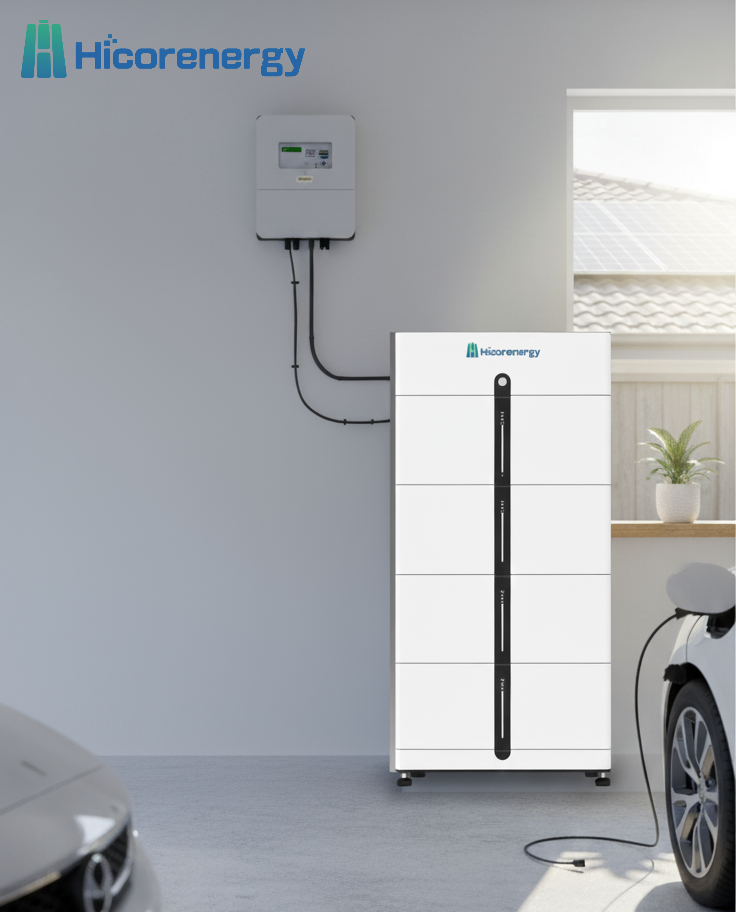
    Hicorenergy’s BMS-integrated battery systems provide reliable power backup during grid outages, offering peace of mind for homeowners. These systems are designed to work seamlessly with solar energy solutions, ensuring efficient energy utilization and cost savings.

    Commercial and Industrial Energy Solutions:
    In commercial and industrial settings, the importance of scalability and reliability cannot be overstated. Hicorenergy’s modular and distributed BMS designs support high-capacity energy storage, peak shaving, and demand response initiatives. This adaptability helps businesses reduce operational costs while embracing sustainable energy practices.

    Driving Energy Innovation:
    By incorporating advanced features like real-time monitoring, remote upgrades, and fault detection, Hicorenergy’s BMS technologies empower users to harness the full potential of clean energy solutions. These innovations not only enhance system performance but also align with the broader goals of the energy revolution.

    Conclusion

    Battery Management Systems are essential for safe, efficient, and sustainable energy storage. Hicorenergy’s advanced BMS solutions deliver unmatched reliability and performance, empowering users to contribute to the energy revolution. By embracing these technologies, homeowners and businesses can optimize their energy use, reduce costs, and support a cleaner, greener future.


  • AI-Driven Energy Transition: How Can Energy Distributors Master Demand & Inventory Management?

    AI-Driven Energy Transition: How Can Energy Distributors Master Demand & Inventory Management?

    In the context of the global Energy Transition, Energy Distributors face mounting pressure to balance Renewable Energy integration, Grid Stability, and cost control. This article explores why traditional forecasting fails, how AI-driven demand and inventory management enables Smart Energy Management, and what practical steps Energy Distributors can take to adopt AI successfully while supporting a resilient Energy Transition.

    Energy Transition

    Why Energy Distributors Can’t Afford Outdated Forecasting Methods

    For decades, many Energy Distributors have relied on historical averages, static spreadsheets, or short-term human judgment to forecast demand. In a slow-moving energy system dominated by predictable fossil generation, these methods were once acceptable. However, the Energy Transition has fundamentally changed demand patterns. Renewable Energy sources such as solar and wind introduce variability, while electrification of transport, heating, and industry creates sudden demand spikes.

    Outdated forecasting methods struggle to capture weather-driven generation, distributed energy resources, and real-time consumption behaviors. As a result, Energy Distributors face higher imbalance costs, inefficient inventory allocation, and growing risks to Grid Stability. Poor forecasts also lead to overstocking or underutilization of energy storage assets, directly eroding margins. In today’s Energy Transition, inaccurate demand planning is no longer a minor inefficiency—it is a strategic threat to Smart Energy Management and long-term competitiveness.

    How AI Is Revolutionizing Demand Forecasts for Renewable & Traditional Energy

    AI introduces a data-driven layer that connects Renewable Energy variability with consumption behavior in near real time. By processing weather data, grid signals, historical demand, and market prices simultaneously, AI models generate adaptive forecasts instead of static predictions. For Energy Distributors, this represents a shift from reactive planning to proactive Smart Energy Management. AI-driven forecasting does not replace human expertise; rather, it augments decision-making, enabling faster responses that support Grid Stability and accelerate the Energy Transition.

    Key Steps to Implement AI-Powered Demand Forecasting in Your Operations

    Implementing AI-powered demand forecasting begins with data readiness. Energy Distributors must first integrate data from smart meters, renewable generation assets, weather services, and market platforms into a unified system. Clean, high-frequency data is essential for accurate AI outputs during the Energy Transition.

    The next step is model selection and validation. Machine learning models should be trained on both Renewable Energy and conventional load patterns to reflect hybrid energy systems. Continuous validation ensures forecasts remain reliable as consumption behaviors evolve.

    Finally, AI insights must be embedded into operational workflows. Forecast outputs should directly inform procurement, dispatch planning, and energy storage utilization. For example, pairing AI forecasts with modular battery systems such as Hicorenergy’s SI LV1 allows Energy Distributors to align storage capacity with predicted demand, enhancing Grid Stability while optimizing costs. Successful implementation turns AI from a technical tool into a core component of Smart Energy Management.

    Energy Transition

    Optimizing Inventory Management with AI: From Grid Stability to Cost Reduction

    Inventory management during the Energy Transition extends beyond fuel stockpiles to include batteries, inverters, and distributed storage assets. AI enables Energy Distributors to predict not only how much energy will be needed, but also where and when storage capacity should be deployed. This precision reduces idle assets and prevents shortages during peak demand.

    AI-driven inventory optimization supports Grid Stability by ensuring energy storage systems are charged, discharged, or redeployed based on real-time forecasts. For instance, residential and commercial battery solutions like Hicorenergy’s I-BOX 48100R can be strategically allocated to areas with high Renewable Energy penetration, reducing grid congestion and peak loads.

    From a financial perspective, smarter inventory decisions lower capital lock-up, reduce emergency procurement, and extend asset life cycles. In a competitive Energy Transition landscape, AI-enabled inventory management becomes a decisive advantage for Energy Distributors seeking both resilience and profitability.

    Real-World Case Studies: AI Success Stories in the Energy Distribution Sector

    Across global markets, Energy Distributors adopting AI have demonstrated measurable benefits. Utilities integrating AI forecasting with Renewable Energy portfolios report improved forecast accuracy, lower balancing costs, and enhanced Grid Stability. In regions with unstable grids, AI-supported storage deployment has reduced outage durations and improved customer satisfaction.

    In commercial and industrial segments, Energy Distributors using AI-driven demand planning have optimized peak shaving strategies, aligning storage discharge with high-tariff periods. These cases highlight a common theme: AI is most effective when combined with flexible, scalable energy storage systems that support Smart Energy Management throughout the Energy Transition.

    Getting Started: A Practical Roadmap for Energy Distributors to Adopt AI

    Adopting AI does not require a complete system overhaul. Energy Distributors can begin with pilot projects focused on high-impact areas such as Renewable Energy forecasting or storage optimization. Partnering with technology providers and energy storage manufacturers reduces implementation risks.

    The next phase involves scaling successful pilots across regions and asset classes, supported by staff training and change management. Transparency and explainability of AI outputs are crucial for regulatory compliance and internal trust. Over time, AI becomes an integral layer of decision-making, enabling Energy Distributors to navigate uncertainty and lead the Energy Transition with confidence.

    About Hicorenergy

    Hicorenergy provides reliable lithium battery energy storage solutions for residential, commercial, and industrial applications, supporting Smart Energy Management and Grid Stability throughout the Energy Transition. Its products are designed for safety, scalability, and long-term performance.

    Contact Information
    Email: service@hicorenergy.com
    WhatsApp: +86 181-0666-0961

    Energy Transition
  • Stackable Home Energy Storage: A Smart Solution for Affordable and Sustainable Power

    Stackable Home Energy Storage: A Smart Solution for Affordable and Sustainable Power

    What is Stackable Home Energy Storage?

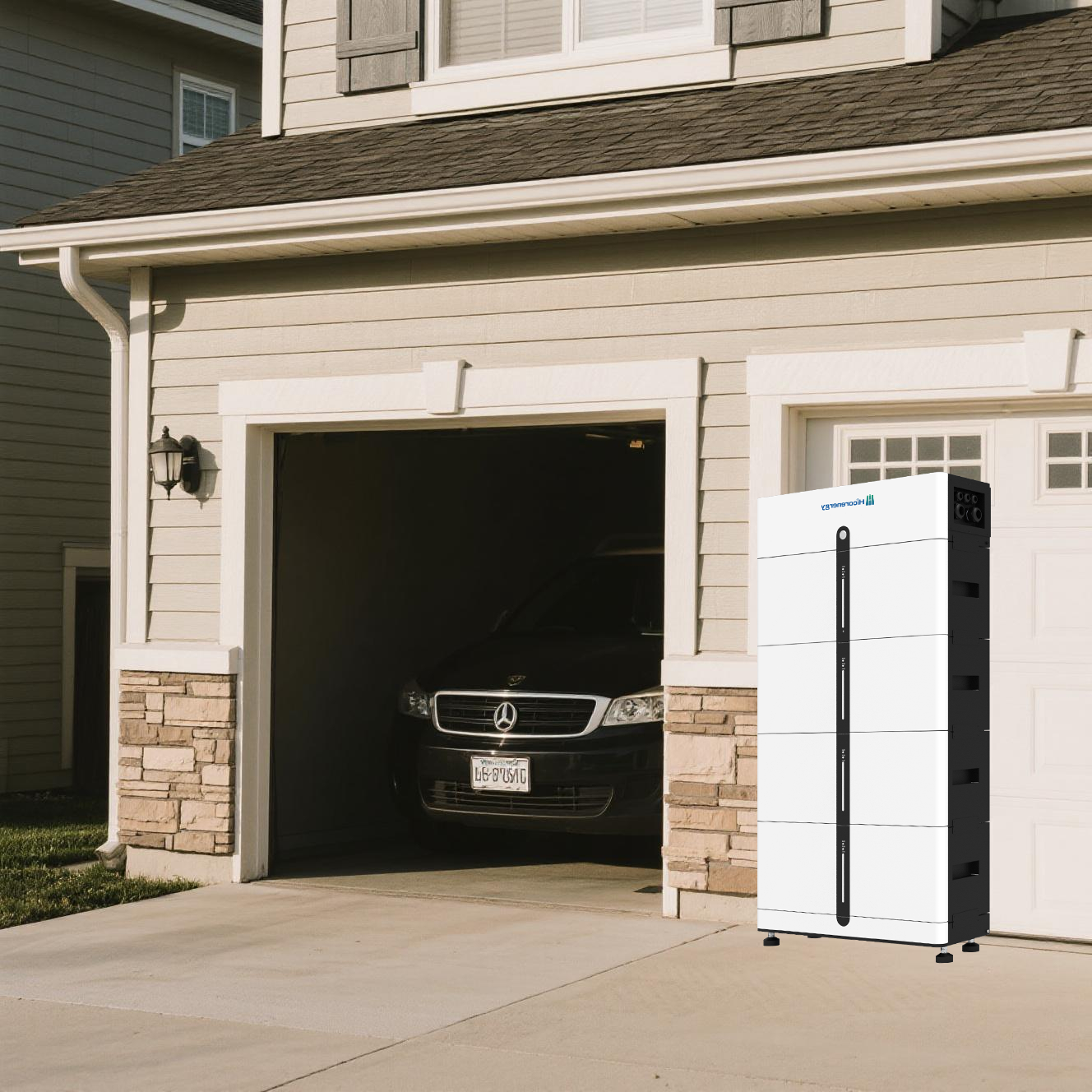
    Stackable home energy storage refers to modular battery systems that allow homeowners to expand energy capacity by adding additional battery units. These systems provide flexible, cost-effective, and efficient power backup solutions, optimizing renewable energy use and reducing grid dependency.

    The Future of Sustainable, Cost-Effective Energy Solutions

    Stackable home energy storage is revolutionizing the way households store and manage power. Systems like the Hicorenergy Si LV1 offer scalable solutions, making it easier for homeowners to tailor their energy needs. By integrating seamlessly with solar energy systems, stackable battery energy storage systems ensure maximum efficiency, cost savings, and a sustainable energy future.

    Stackable Home Energy

    With stackable home energy storage, homeowners can take control of their energy needs while enjoying flexibility and long-term savings.

    Why Stackable Home Energy Storage is the Key to Reducing Energy Bills

    Energy costs continue to rise, making home energy storage a crucial solution for reducing expenses. Stackable battery energy storage systems enable homeowners to store excess solar energy generated during peak sunlight hours, allowing them to use stored power when electricity rates are highest. By minimizing reliance on grid power, homeowners can cut energy bills significantly while maximizing clean energy usage.

    Stackable Home Energy

    Stackable energy storage solutions also support demand response programs, where users can optimize power consumption based on electricity pricing fluctuations. With features like energy innovation and smart monitoring, these systems enable households to track and control their consumption patterns. Whether used as a power backup solution or a primary energy source, stackable battery storage ensures a sustainable, cost-effective approach to electricity management.

    How Stackable Energy Storage Systems Maximize Space and Efficiency in Your Home

    Traditional battery storage solutions can take up significant space, making them impractical for some homeowners. Stackable home energy storage systems, however, are designed with modularity and compact efficiency in mind. These vertically stackable units minimize space usage while maximizing energy capacity, making them ideal for homes with limited installation space.

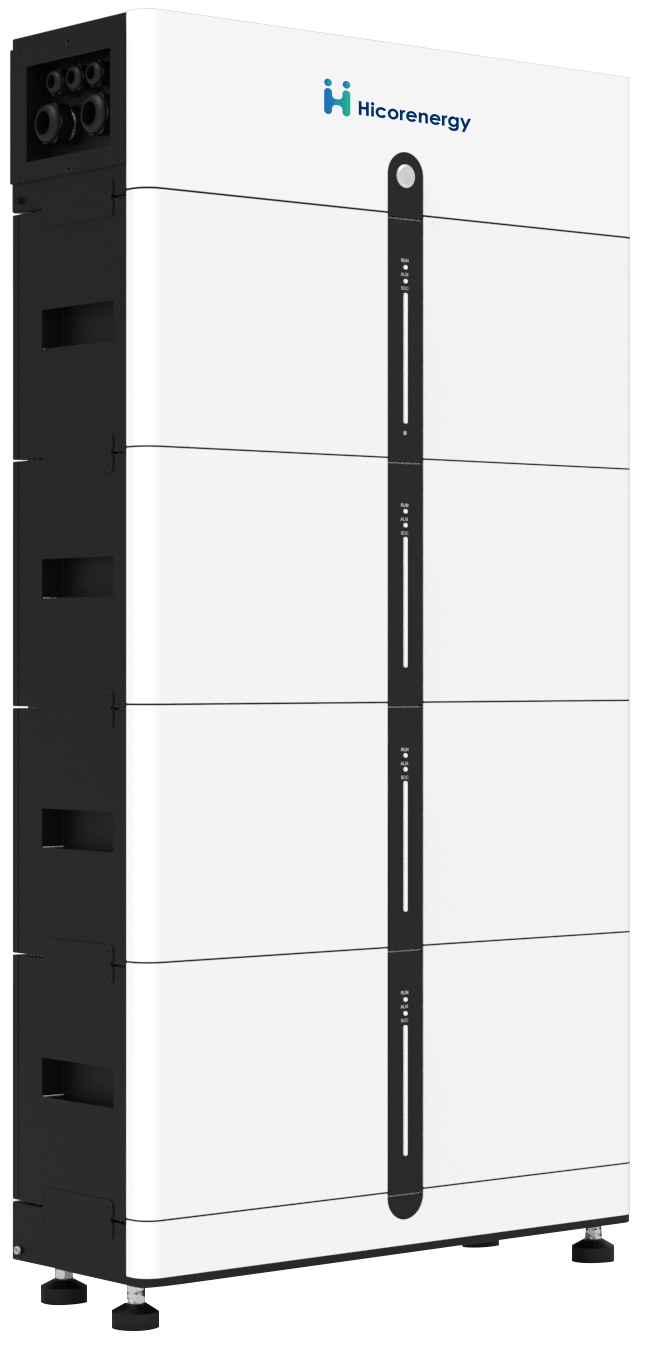
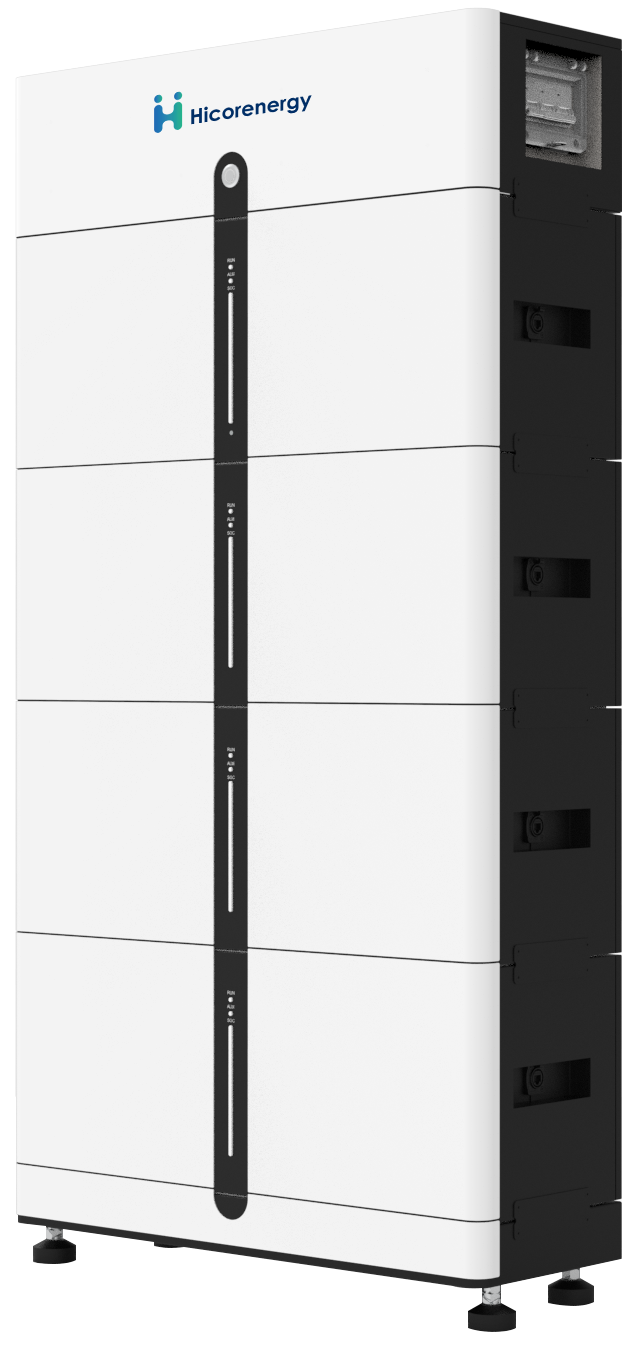
    Many advanced stackable energy storage solutions, like Hicorenergy’s Si LV1, are engineered for quick installation and plug-and-play functionality. Homeowners can easily add or remove modules to meet their changing energy needs, ensuring both cost-efficiency and energy flexibility. Whether for off-grid living, grid power optimization, or as a long-term energy independence strategy, stackable energy storage solutions offer practical and adaptable benefits.

    Stackable Home Energy

    Sustainable Living: The Environmental Benefits of Stackable Home Energy Storage

    Sustainability is at the forefront of modern energy solutions, and stackable home energy storage plays a key role in reducing carbon footprints. These systems store excess renewable energy from solar panels, reducing reliance on fossil fuel-based electricity and promoting clean energy consumption.

    By decreasing grid power dependency, homeowners actively contribute to the energy revolution, promoting industrial energy efficiency and commercial solutions that support global sustainability goals. Stackable storage systems also extend battery life through optimized charging and discharging cycles, reducing electronic waste and contributing to a greener future. As nations push for greater adoption of renewable energy, stackable energy storage solutions will play a pivotal role in achieving widespread sustainable energy usage.

    Is Stackable Home Energy Storage Right for Your Household?

    Investing in stackable home energy storage requires careful consideration of several factors, including energy consumption patterns, available space, and budget. Homeowners should evaluate their daily energy needs and determine how much battery storage capacity they require.

    Those with solar energy systems benefit the most from stackable energy storage, as they can store and use surplus renewable energy when needed. Additionally, households located in areas prone to power outages can greatly benefit from reliable power backup solutions. When selecting a stackable storage system, homeowners should consider the compatibility of the system with their existing electrical setup, as well as the efficiency, warranty, and expandability options provided by leading manufacturers like Hicorenergy.

    From Installation to Savings: A Step-by-Step Guide to Stackable Home Energy Storage

    • Assess Energy Needs – Evaluate household electricity consumption and determine how much energy storage capacity is needed.
    • Choose the Right System – Research stackable energy storage solutions like the Hicorenergy Si LV1 to find a system that aligns with specific requirements.
    • Install the System – Professional installation ensures proper integration with existing power systems and solar panels.
    • Monitor and Optimize Usage – Use smart energy management tools to track energy consumption and maximize efficiency.
    • Enjoy Long-Term Savings – With reduced reliance on grid power, homeowners benefit from lower electricity bills and greater energy independence.
    Stackable Home Energy

    Comparing Stackable Energy Storage Solutions: Which System Works Best for You?

    Several stackable home energy storage solutions are available, each offering unique benefits. When comparing systems, homeowners should consider factors like battery capacity, efficiency, compatibility with solar energy, and expandability.

    For instance, the Hicorenergy Si LV1 offers high-performance energy storage with modular expansion capabilities, making it ideal for residential and commercial solutions. Other systems may offer features such as remote monitoring, advanced safety mechanisms, and customizable configurations. By assessing key specifications, homeowners can select the most suitable battery energy storage system for their needs.

    The Future of Energy Independence: How Stackable Storage is Changing the Game

    As technology advances, stackable home energy storage is playing an increasingly vital role in global energy independence. With grid power becoming less reliable and renewable energy adoption growing, stackable storage solutions provide a scalable and future-proof way to store and manage energy efficiently.

    Ongoing innovations in battery technology, energy innovation, and artificial intelligence-driven power management are enhancing the efficiency and accessibility of stackable storage systems. With continued advancements, homeowners and businesses alike can look forward to greater energy autonomy, lower costs, and a cleaner energy future.

    How Many Hours Can a Battery Power a House?

    The duration a battery can power a home depends on its capacity (kWh) and the household’s energy consumption. Here’s a general breakdown:

    Small to Medium Battery (5-10 kWh): Powers essential appliances (lights, fridge, Wi-Fi) for 5-10 hours during an outage.
    Medium to Large Battery (10-20 kWh): Supports moderate energy usage, including some larger appliances, for 10-24 hours.
    High-Capacity System (20-30+ kWh): Provides whole-home backup for 24 hours or more, depending on energy efficiency and usage patterns.

    For example, Hicorenergy’s Si LV1 system, with a stackable capacity of up to 30.72 kWh, can power an average household for a full day or longer, making it an ideal solution for energy independence and backup power.

    Can I Add Battery Storage to My Solar System?

    Yes, adding battery storage to an existing solar system is both possible and highly beneficial.

    Increased energy independence: Store excess solar energy during the day and use it at night or during outages.
    Reduced reliance on the grid: Maximize self-consumption of solar power, lowering electricity bills.
    Flexible compatibility: Many modern battery systems, such as Hicorenergy’s C5° and Si LV1, are designed to integrate seamlessly with existing solar inverters, making the upgrade process simple and efficient.
    Smart energy management: Advanced systems offer remote monitoring, enabling homeowners to optimize energy usage effectively.

    💡 Tip: When adding battery storage, consider compatibility with your solar inverter and the battery’s capacity to match your household’s energy needs.

    Stackable Home Energy

    What Are the Best Home Battery Solar Storage Options?

    When selecting a home battery solar storage system, key factors to consider include capacity, efficiency, lifespan, and scalability. Here are some top-performing options:

    Hicorenergy Si LV1:

    • Capacity: Scalable from 10.24 kWh to 30.72 kWh.
    • Efficiency: ≥6000 cycles at 90% DOD with over 95% round-trip efficiency.
    • Installation: Plug-and-play design for quick and easy setup.
    • Versatility: Compact, modular, and stackable for residential needs.

    Hicorenergy C5°:

    • Remote monitoring and upgrading for optimal energy management.
    • Wide operating temperature range, ensuring consistent performance.
    • High charge/discharge rates, maximizing energy efficiency.

    Tesla Powerwall 2:

    • Capacity: 13.5 kWh with 90% round-trip efficiency.
    • AC-coupled system, making it easy to retrofit to existing solar setups.
    • Smart management app for real-time monitoring.

    LG Chem RESU:

    • Capacity: 9.8 kWh with 95% round-trip efficiency.
    • Compact and sleek design for small spaces.
    • Compatible with leading inverters.

    In summary, stackable home energy storage is a cost-effective, space-saving, and sustainable solution for homeowners seeking energy independence and reduced electricity costs.

    Contact us:
    Email: service@hicorenergy.com

    WhatsApp: +86 181-0666-0961

    Stackable Home Energy
  • Top 5 Energy Storage Markets in Europe by 2025

    Top 5 Energy Storage Markets in Europe by 2025

    energy storage market

    What is the installed energy storage capacity in Europe in 2024?

    As of 2024, Europe’s installed energy storage capacity has reached approximately 35.9 GWh, reflecting a significant increase driven by renewable energy adoption and grid modernization initiatives.

    5 European Markets with the Highest Potential for Energy Storage

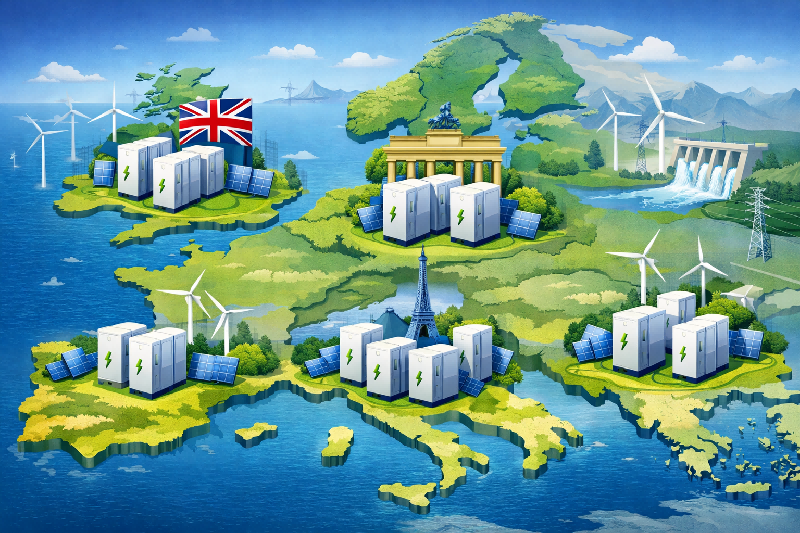
    The energy storage sector in Europe is expanding rapidly, with several key markets showing immense potential for growth. Governments and businesses are investing heavily in battery energy storage systems to stabilize the grid, support clean energy integration, and ensure energy security. Here are the five European markets with the highest potential for energy storage development:

    Germany: Germany has long been a leader in renewable energy and energy storage. It continues to dominate the European market, with residential energy storage systems playing a major role. In 2023 alone, Germany added approximately 6.1 GWh of new energy storage capacity, with over 80% of this growth attributed to home energy storage installations. The nation is also expanding its commercial and industrial (C&I) energy storage sector, aiming to enhance grid flexibility and sustainability. Germany’s focus on grid power stability, power backup solutions, and industrial energy storage makes it a primary market for investment.

    Italy: Italy is emerging as a top market for energy storage, driven by its ambitious renewable energy goals. The country aims to integrate more solar energy and wind power into its grid, which necessitates advanced energy storage solutions. Terna, Italy’s grid operator, estimates that the country will require at least 71 GWh of energy storage capacity by 2030 to meet its clean energy objectives. With growing demand for sustainable energy and commercial solutions, Italy presents a lucrative opportunity for energy storage investments.

    United Kingdom: The UK has one of the most mature energy storage markets in Europe, with significant investments in utility-scale battery storage projects. In 2023, the UK added approximately 800 MWh of new energy storage capacity, with projections indicating that total investments in the sector could reach £15.7 billion by 2030. The government’s support for clean energy and its commitment to reducing power outages through energy innovation make the UK a key player in the European energy revolution.

    Spain: Spain is rapidly increasing its energy storage capacity to complement its extensive solar and wind energy resources. The Spanish government has launched a €160 million grant program aimed at supporting the development of approximately 600 MW of new energy storage capacity by 2026. With a strong focus on renewable energy and a commitment to reducing grid instability, Spain is becoming a core market for battery energy storage system deployment.

    Ireland: Ireland has been making strides in energy storage since 2018, with several grid-scale projects in development. The country has approximately 1.5 GW of energy storage projects in the pipeline, which could provide sufficient power backup for around 750,000 homes. Companies such as Adaptogen Capital are investing heavily in Ireland’s energy storage sector, further solidifying its position as a key market in Europe’s clean energy transition.

    With several high-growth markets in Europe, the future of energy storage looks promising. However, challenges remain that must be addressed.

    Challenges and Risks in Europe’s Storage Markets

    Despite the rapid growth of energy storage in Europe, there are several challenges and risks that stakeholders must consider:

    • Financial instability of key industry players: Some battery manufacturers and storage companies have faced financial difficulties, leading to delays in project implementation. For example, the financial struggles of Northvolt have raised concerns about Europe’s ability to establish its own independent battery supply chain.
    • Supply chain dependencies: Europe still relies heavily on imported batteries and raw materials, particularly from China. This dependence creates supply chain vulnerabilities, affecting pricing and availability.
    • Regulatory and policy uncertainties: Different countries in Europe have varying regulations and incentives for energy storage, making it challenging for companies to operate across multiple markets. Policy changes can also impact investment decisions.
    • Technological advancements and competition: As battery technology evolves, companies must continuously innovate to remain competitive. New advancements in lithium-ion and alternative battery chemistries could disrupt existing business models.
    • Grid integration issues: While energy storage helps stabilize the grid, integrating large-scale storage projects into existing infrastructure requires significant investment and technical expertise.

    Addressing these challenges will be crucial for unlocking the full potential of Europe’s energy storage markets.

    How to Enter These Markets Successfully

    energy storage market

    For companies looking to enter Europe’s energy storage sector, the following strategies can enhance market success:

    1. Understand the regulatory landscape: Each country in Europe has its own energy policies, incentives, and grid regulations. Companies should conduct thorough research to navigate these complexities effectively.
    2. Form strategic partnerships: Collaborating with local businesses, utilities, and technology providers can facilitate smoother market entry and operational success.
    3. Invest in research and development: Developing battery storage solutions tailored to local market needs, such as high-performance systems for cold climates or compact designs for urban areas, can provide a competitive edge.
    4. Localize supply chains: Establishing regional manufacturing or assembly facilities can reduce dependency on imported components and improve market resilience.
    5. Focus on scalability and innovation: Energy storage demand will continue to grow, and companies that offer scalable, cost-effective, and technologically advanced solutions will have a stronger market position.

    By implementing these strategies, energy storage companies can capitalize on Europe’s rapidly expanding market opportunities.

    The Future of Energy Storage in Europe

    The future of energy storage in Europe is poised for substantial growth, driven by increasing renewable energy adoption and technological advancements. Key trends shaping the industry include:

    • Expanding battery capacity: Europe’s battery storage capacity is projected to grow five-fold by 2030, reaching over 50 gigawatts. This expansion will require an estimated €80 billion in investment.
    • Falling battery costs: Technological advancements and economies of scale are reducing the cost of energy storage systems, making them more accessible for residential, commercial, and industrial applications.
    • Integration with smart grids: Energy storage will play a crucial role in stabilizing the grid and supporting the transition to decentralized energy systems. Smart grid technologies will enhance efficiency and reliability.
    • Policy support and investment: Governments across Europe are increasingly recognizing the importance of energy storage and are implementing policies to encourage its development. Public and private investments will continue to drive growth in the sector.
    • Advancements in battery technology: The development of next-generation batteries, such as solid-state and flow batteries, will improve performance and longevity, further enhancing the feasibility of large-scale storage projects.

    With strong market drivers and continued innovation, Europe’s energy storage industry is set to become a global leader in clean energy and sustainable power solutions.

    What Are the Main Drivers for the Energy Storage Market?

    The key drivers of Europe’s energy storage market include:

    Renewable Energy Integration: The increasing share of renewable energy sources (solar, wind) creates demand for energy storage to balance supply and demand.

    Grid Modernization and Stability: Storage systems are crucial for grid balancing, frequency regulation, and providing backup power during blackouts.

    Declining Battery Costs: Technological advancements and mass production are driving down the cost of lithium-ion batteries, making storage more affordable.

    Government Policies and Incentives: European governments are supporting energy storage through subsidies, tax incentives, and renewable energy targets, boosting market growth.

    Electric Vehicle (EV) Adoption: The growth of EVs creates new opportunities for vehicle-to-grid (V2G) storage, where EV batteries can feed power back into the grid during peak demand.

    Technological Advancements: Innovations in solid-state batteries and flow batteries are improving energy density, safety, and longevity, making storage systems more efficient and reliable.

    By leveraging these drivers, energy storage companies can capture significant market opportunities in Europe.

    How Big Can the Battery Grid Storage Market Get?

    The battery grid storage market in Europe is projected to experience substantial growth in the coming years. By 2030, Europe’s battery storage capacity is expected to reach over 50 gigawatts (GW), which is more than five times the current installed capacity of approximately 35.9 GWh in 2024. This growth will be driven by rising renewable energy integration, grid modernization, and decarbonization policies. The market will require an estimated €80 billion in investments by the end of the decade.

    Key drivers include:

    Falling costs: Advances in lithium-ion technology and economies of scale are driving down costs, making battery storage more viable.

    What Are Some Successful Energy Storage Projects?

    Rising renewable energy adoption: The expansion of wind and solar power necessitates reliable storage solutions to manage intermittency.

    Grid stability needs: Battery storage helps maintain grid reliability, especially during peak demand and renewable energy fluctuations.

    Several European countries have implemented successful large-scale energy storage projects, including:

    • Germany – Lausitz Battery Park: One of Europe’s largest grid-scale storage facilities with a capacity of 50 MW / 50 MWh, helping stabilize the grid during renewable fluctuations.
    • UK – Minety Battery Storage Project: This 100 MW / 100 MWh lithium-ion battery project enhances grid stability and supports renewable integration.
    • Spain – Campo de Gibraltar Battery System: A 20 MW storage project supporting renewable energy deployment and reducing grid congestion.
    • Ireland – Lumcloon Energy Battery Project: A 100 MW battery project providing frequency regulation services and grid stabilization.

    These projects demonstrate how large-scale battery storage enhances grid reliability and facilitates renewable energy adoption.

    In summary, Europe’s energy storage market is expanding rapidly, with key opportunities in Germany, Italy, the UK, Spain, and Ireland. Despite challenges, the future outlook remains highly optimistic.

    energy storage market
en_USEnglish