Day: February 11, 2025

  • Energy Storage System Basics: What Are Energy Storage Cabinets and How Do They Work?

    Energy Storage System Basics: What Are Energy Storage Cabinets and How Do They Work?

    What Does an Energy Storage Cabinet Consist Of?

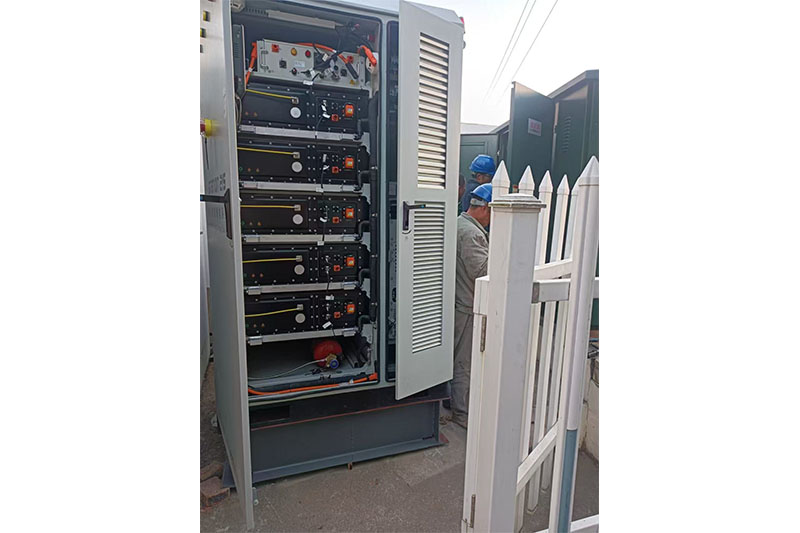
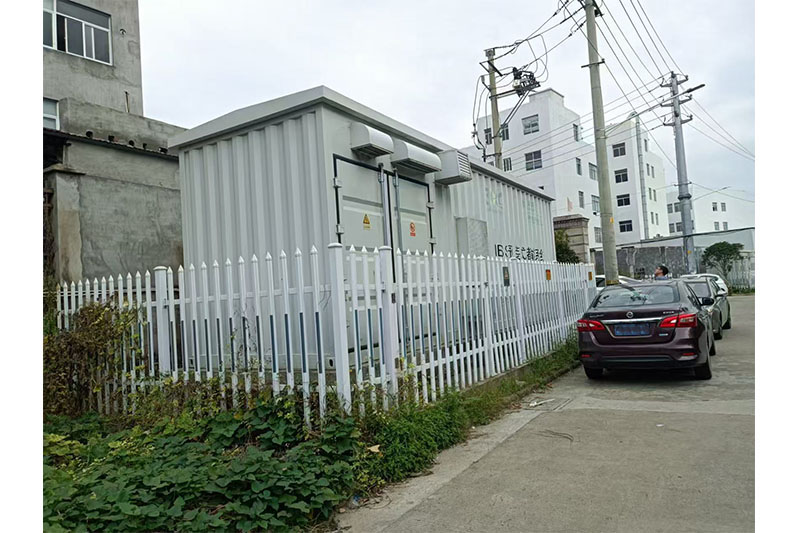
    An Energy Storage Cabinet is a compact and integrated solution designed to store and manage electrical energy safely and efficiently. A typical Energy Storage Cabinet consists of:

    • High-performance battery cells (commonly LiFePO₄ or NMC)
    • Battery Management System (BMS) for safety and performance optimization
    • Control systems & protection units
    • A robust, fire-resistant cabinet enclosure
    • Cooling systems (air-cooled or liquid-cooled depending on the model)

    These components work together to ensure stable charging, discharging, overheat protection, and long-term reliability. A well-designed Energy Storage Cabinet not only improves power stability but also significantly enhances the lifespan and safety of the entire energy storage system.
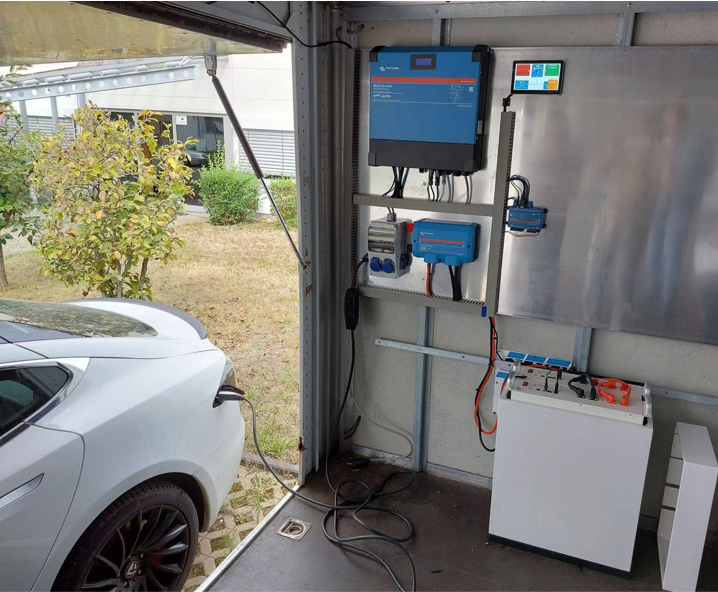
    Energy Storage Cabinet

    Common Faults Found in Energy Storage Cabinets

    While modern Energy Storage Cabinets are highly reliable, they may still encounter a few potential issues:

    1. Overheating

    Caused by insufficient ventilation, poor cooling design, or high ambient temperatures. Overheating directly impacts battery performance and accelerates aging.

    2. Inefficient Charging or Discharging

    Often linked to BMS malfunctions or incompatible charging systems. This leads to reduced usable capacity and decreased system efficiency.

    3. Capacity Degradation

    All batteries degrade over time. Low-quality cells or poor thermal management will accelerate this process, reducing the cabinet’s storage capability.

    Regular maintenance, a high-quality BMS, and advanced cooling technology are essential to ensuring long-term reliability. As Energy Storage Cabinet demand increases globally, understanding these faults helps both homeowners and businesses choose better systems.

    How Many Categories of Energy Storage Cabinets Are There?

    Energy Storage Cabinets can be categorized by application, capacity, and cooling method.

    1. Application-Based Categories

    Residential Energy Storage Cabinets

    Designed for homes needing backup power and renewable energy storage.
    Example: Hicorenergy’s I-BOX 48100R

    • 6000 cycles
    • 95% round-trip efficiency
    • Supports wall-mounted, floor-standing, and server-rack installations
    • Ideal for home solar systems and backup needs

    Commercial & Industrial (C&I) Energy Storage Cabinets

    Engineered for high-demand environments such as factories, renewable energy plants, and microgrids.
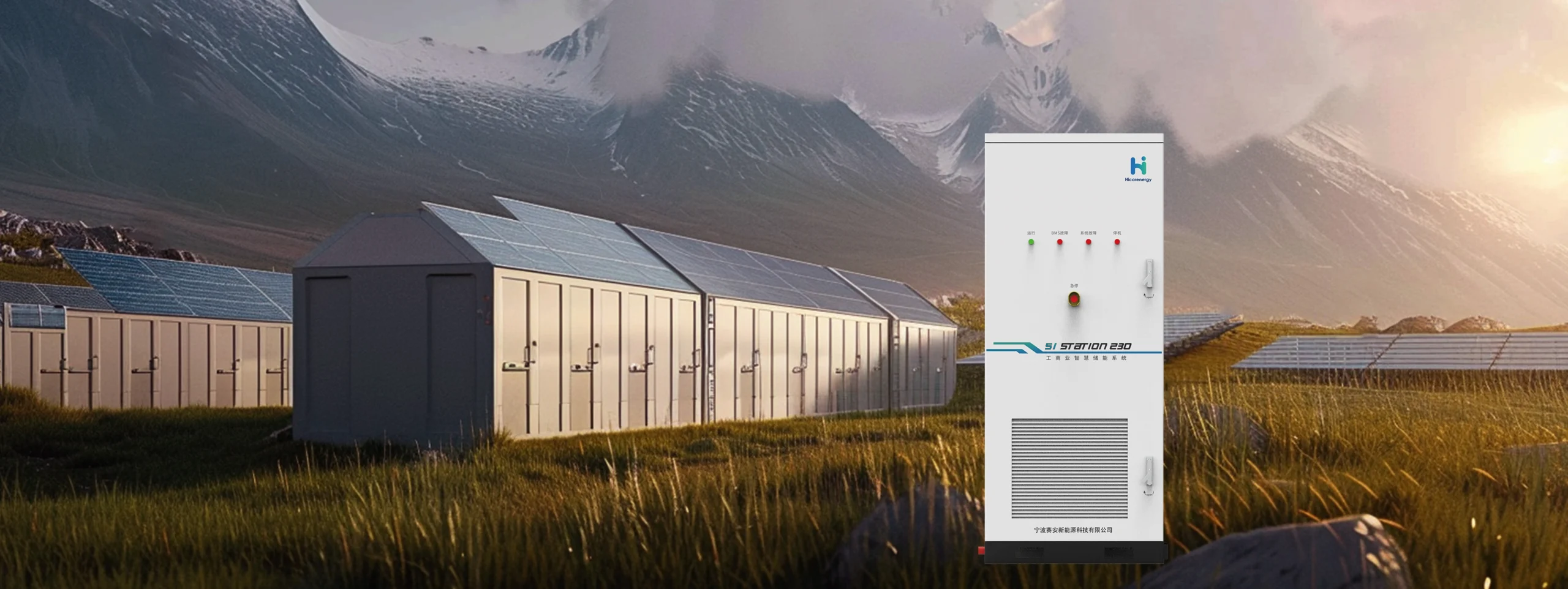
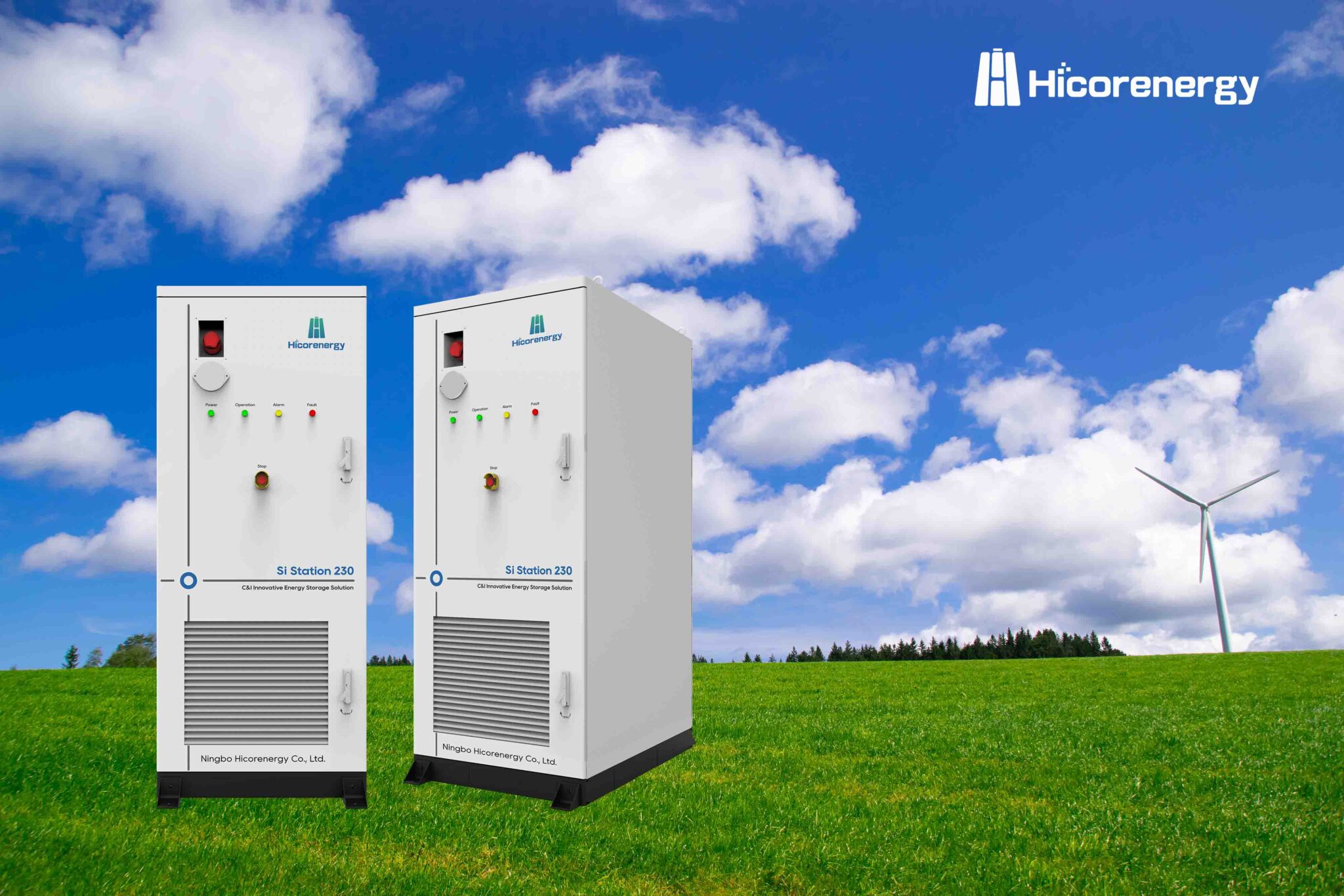
    Examples: Si Station 186 / Si Station 230

    • Modular and scalable
    • Air or liquid cooling
    • 186kWh–230kWh capacity
    • Ideal for peak shaving, renewable integration, and grid support

    2. Capacity-Based Categories

    • Low Capacity (5–20 kWh) – small homes or single devices
    • Medium Capacity (20–100 kWh) – large homes or small commercial setups
    • High Capacity (100 kWh and above) – industrial-scale operations

    3. Cooling System Categories

    • Air-Cooled Energy Storage Cabinets – suitable for moderate climates (e.g., Si Station 186)
    • Liquid-Cooled Energy Storage Cabinets – superior thermal control for high-temperature or heavy-duty environments (e.g., Si Station 230)

    Hicorenergy offers Energy Storage Cabinet solutions across all categories, meeting the needs of both homeowners and industrial users.

    Battery Types Used in Energy Storage Cabinets

    1. Lithium Iron Phosphate (LiFePO₄)

    The most widely used battery type in Energy Storage Cabinets today.
    Benefits:

    • High safety
    • Long cycle life (>6000 cycles)
    • Excellent thermal stability
      Hicorenergy’s I-BOX 48100R uses Tier 1 automotive-grade LiFePO₄ cells, ensuring high reliability.

    2. Nickel Manganese Cobalt (NMC)

    Higher energy density but less thermally stable. Used mainly where weight and size are crucial.

    3. Lead-Acid

    Cost-effective but outdated; low cycle life and less efficient.

    4. Solid-State Batteries (Future Trend)

    Next-generation batteries with higher safety and density, expected to transform Energy Storage Cabinets in the coming decade.
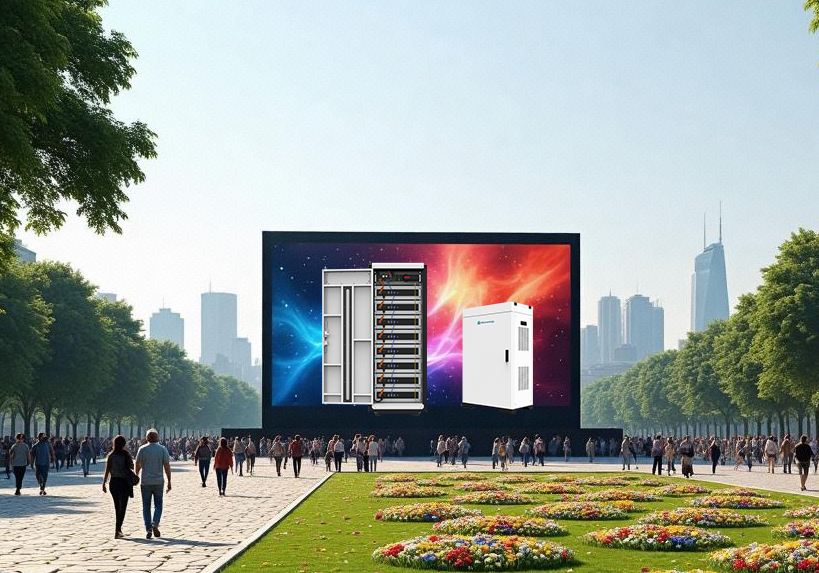
    Energy Storage Cabinet

    Quality Standards for Energy Storage Cabinets

    To ensure safety and reliability, Energy Storage Cabinets must comply with international standards:

    Global Safety Standards

    • IEC 62619 – lithium battery safety
    • UL 9540 / UL 9540A – Energy Storage System safety testing
    • CE Certification – European safety compliance

    Performance Standards

    • Round-trip efficiency ≥95% (e.g., Hicorenergy I-BOX 48100R)
    • Cycle life ≥6000 cycles (e.g., SHV48100)

    Environmental Standards

    • RoHS – free from harmful substances
    • REACH – safe chemical management

    These certifications validate the safety and reliability of every Energy Storage Cabinet before it reaches the market.

    Future Development of Energy Storage Cabinets

    The future of Energy Storage Cabinets is shaped by:

    1. Next-Generation Battery Technologies

    • Solid-state battery integration
    • Higher energy density & safer chemistries

    2. AI-Driven Energy Management

    • Predictive maintenance
    • Smart load optimization
    • Increased efficiency and longer battery life

    3. Growing Renewable Adoption

    Solar and wind installations will accelerate demand for residential and commercial Energy Storage Cabinet deployments.

    4. Supportive Government Policies

    Subsidies and carbon reduction policies will further expand the global energy storage market.

    Types of Energy Storage in Modern Systems

    Energy storage generally falls into three categories:

    • Mechanical storage (pumped hydro, flywheels)
    • Chemical storage (lithium-ion batteries housed inside Energy Storage Cabinets)
    • Thermal storage

    Among these, the Energy Storage Cabinet plays a central role in modern chemical storage systems, ensuring safe integration of lithium battery modules in homes, buildings, and industries.
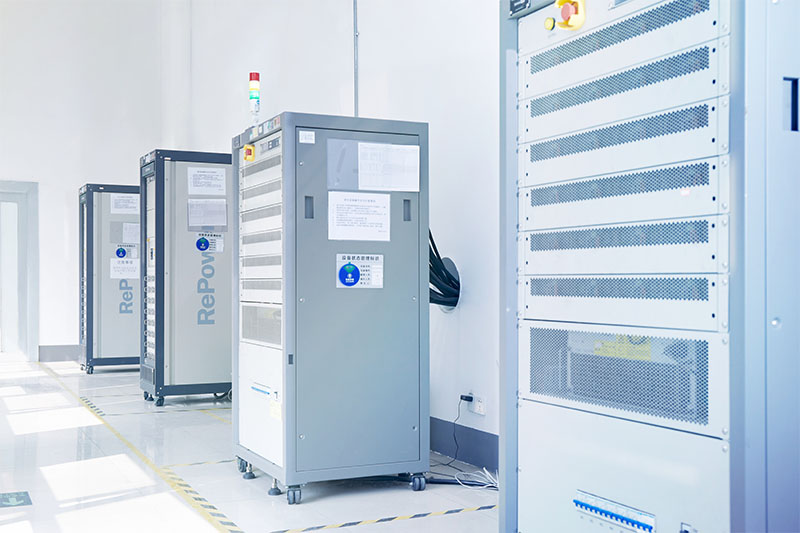
    Energy Storage Cabinet

    Practical Applications of Energy Storage Cabinets

    Energy Storage Cabinets are now widely used in:

    Industrial Facilities

    • Peak shaving
    • Backup power
    • Renewable energy integration
      (e.g., Hicorenergy’s Si Station series)

    Commercial Buildings

    • Demand management
    • Reducing electricity bills
    • Power continuity
      (e.g., SHV48100)

    Residential Homes

    • Solar energy storage
    • Backup during outages
    • Lower energy bills
      (e.g., I-BOX 48100R)

    These real-world examples prove how Energy Storage Cabinets are now essential to modern energy infrastructure.

    Conclusion

    Hicorenergy delivers a full range of advanced Energy Storage Cabinet solutions built for safety, efficiency, and long-term reliability. Whether for homes, commercial facilities, or industrial operations, Hicorenergy’s technology ensures stable power, reduced energy costs, and sustainable growth.

    Choosing the right Energy Storage Cabinet is key to achieving energy independence and future-proofing your energy system.

    Contact Hicorenergy today:

    Email: service@hicorenergy.com

    WhatsApp: +86 181-0666-0961

    Energy Storage Cabinet
  • Industrial and Commercial Energy Storage Solutions – Everything You Need to Know

    Industrial and Commercial Energy Storage Solutions – Everything You Need to Know

    Understanding the Basics of Industrial and Commercial Energy Storage Solutions

    Industrial and commercial energy storage solutions play a crucial role in storing electricity, improving energy reliability, and ensuring uninterrupted power supply for businesses. These systems optimize power consumption, minimize electricity costs, and offer dependable backup during outages—making them indispensable for factories, enterprises, and large facilities worldwide.

    commercial energy storage solutions

    Introduction: Why Industrial and Commercial Energy Storage Solutions Matter More Than Ever

    Industrial and commercial energy storage solutions have become central to the modern energy transition. As businesses increasingly shift toward renewable energy, effective storage systems are essential for capturing excess solar or wind energy, reducing reliance on fossil fuels, and stabilizing the grid. With renewable adoption accelerating globally, high-performing and scalable storage technologies are in greater demand than ever.

    Hicorenergy—an industry leader in lithium-based storage—offers advanced commercial energy storage solutions designed for efficiency, flexibility, and long-term reliability across diverse applications.

    Explore the key differences, practical use cases, and essential factors to consider when selecting the right industrial and commercial energy storage solutions for your business.

    Differences Between Industrial and Commercial Energy Storage Solutions

    Industrial and commercial energy storage solutions differ in scale, complexity, and application. Both serve unique purposes but cater to different operational needs.

    Industrial Energy Storage Solutions

    Capacity and Scale

    Industrial energy storage solutions handle large, high-power demands—often exceeding 100kWh.
    For example, Hicorenergy’s Si Station 230 offers a powerful 230kWh capacity suited for factories, grids, and renewable power plants.

    Applications

    • Grid Stabilization: Balances supply and demand.
    • Peak Shaving: Reduces electricity costs during peak tariff hours.
    • Renewable Integration: Stores excess energy from large solar or wind farms.

    Technology Features

    • Advanced liquid or air cooling
    • Scalable modular architecture
    • Compliance with global safety standards

    These features make industrial systems ideal for heavy-duty, continuous operations.

    Commercial Energy Storage Solutions

    Commercial energy storage solutions are designed for offices, retail spaces, residential buildings, and small businesses seeking affordability, reliability, and flexibility.

    Capacity and Scale

    Typical commercial energy storage solutions range from 10kWh to 50kWh.
    Systems like Hicorenergy’s SHV48100 offer up to 40.96kWh—perfect for daily commercial use.

    Applications

    • Backup Power: Keeps businesses running during blackouts.
    • Energy Cost Optimization: Stores energy during low–tariff periods.
    • Sustainability Initiatives: Supports green energy targets.

    Key Features

    • Compact, space-saving design
    • Plug-and-play installation (e.g., Si LV1)
    • Smart real-time monitoring systems

    Key Differences at a Glance

    • Capacity: Industrial systems = high capacity; commercial systems = moderate capacity
    • Complexity: Industrial solutions require advanced integration; commercial solutions are simpler
    • Cost: Commercial systems are more budget-friendly and accessible
    commercial energy storage solutions

    Applications of Industrial and Commercial Energy Storage Solutions

    Industrial and commercial energy storage solutions support a wide range of applications, ensuring stable and cost-efficient energy use across industries.

    Industrial Applications

    Peak Shaving

    Factories reduce energy bills by drawing from stored power during high-demand periods.

    Renewable Energy Integration

    Systems like Hicorenergy’s Si Station 186 store surplus electricity from large solar or wind installations.

    Grid Independence

    Provides backup power for manufacturing facilities, data centers, and other critical infrastructure.

    Commercial Applications

    Energy Cost Management

    Products like C5° help small businesses store electricity when rates are low and use it when rates spike.

    Backup Power Solutions

    Retail stores, restaurants, and offices rely on commercial energy storage solutions to avoid business interruptions.

    Sustainability

    Commercial energy storage solutions help businesses reach carbon reduction goals by maximizing renewable energy usage.

    Real-World Examples of Commercial Energy Storage Solutions

    • Factories: Use high-capacity systems such as the Si Station series to stabilize operations.
    • Office Buildings: Adopt solutions like the SHV48100 for backup and demand management.
    • Retail Stores: Use compact commercial energy storage solutions for uninterrupted daily operation.

    Hicorenergy’s versatile product line—including SHV48100, C5°, and Si Station 230—powers a wide range of industrial and commercial environments.

    How to Choose the Right Industrial and Commercial Energy Storage Solutions

    Selecting the right system depends on performance needs, budget, scalability, and operational goals.

    Key Considerations

    1. Performance and Capacity

    • Large-scale industries benefit from high-capacity systems like Si Station 230.
    • Small and medium businesses thrive with commercial solutions like I-BOX 48100R.

    2. Scalability

    Modular systems (e.g., SHV48100) allow flexible expansion as energy demand grows.

    3. Ease of Installation

    Plug-and-play commercial energy storage solutions such as Si LV1 minimize setup time and labor.

    4. Cost Efficiency

    Affordable solutions like C5° deliver excellent performance without heavy capital investment.

    5. Safety and Reliability

    Hicorenergy ensures:

    • Advanced BMS protection
    • UL9540A-certified systems
    • Long-term stable performance

    6. After-Sales Support

    Real-time monitoring, remote upgrades, and responsive technical service make Hicorenergy a top choice for commercial energy storage solutions.

    commercial energy storage solutions

    Three Core Types of Battery Energy Storage Systems (BESS)

    1. Front-of-the-Meter: Grid stabilization and renewable energy smoothing
    2. Behind-the-Meter: Facility-level storage for cost savings and backup power
    3. Hybrid Systems: Combine both for maximum operational flexibility

    These system types demonstrate how industrial and commercial energy storage solutions adapt to diverse infrastructure and energy strategies.

    Summary

    Hicorenergy delivers cutting-edge industrial and commercial energy storage solutions designed for scalability, safety, and long-term savings. From high-capacity industrial stations to compact commercial battery systems, Hicorenergy supports businesses in achieving energy independence and sustainability.

    Explore the full Hicorenergy product lineup to find the commercial energy storage solutions that best fit your operational, economic, and environmental goals.

    Contact Hicorenergy today:

    Email: service@hicorenergy.com

    WhatsApp: +86 181-0666-0961

    commercial energy storage solutions
  • The Ultimate Guide to Commercial Battery Storage for Lowering Energy Costs

    The Ultimate Guide to Commercial Battery Storage for Lowering Energy Costs

    Are you looking for effective ways to reduce your company’s electricity costs? 

    Commercial Battery Storage has become an essential solution for businesses looking to reduce operational expenses, improve energy reliability, and accelerate sustainability goals. By storing electricity for use during peak hours or grid outages, these systems give companies greater control over their energy consumption and costs. As adoption grows worldwide, Commercial Battery Storage is reshaping how businesses achieve energy independence and long-term efficiency.

    How Commercial Battery Storage Reduces Energy Costs

    Commercial Battery Storage enables companies to optimize the way they buy and use electricity. Key cost-saving advantages include:

    Time-of-Use Optimization

    Businesses can store electricity when rates are low and deploy it during peak pricing periods. This significantly reduces overall electricity expenses.

    Uninterrupted Power Supply

    Energy disruptions can lead to production downtime, data loss, and operational delays. With stored energy available instantly, companies avoid financial losses caused by outages.

    Integration With Renewable Energy

    Commercial Battery Storage supports solar and wind energy by storing excess generation and enabling businesses to rely more on clean, low-cost power.

    These systems are transforming commercial energy management, offering both cost savings and improved sustainability.

    Commercial Battery Storage

    Types of Commercial Battery Storage Systems and How They Work

    Commercial Battery Storage solutions vary in structure and application, allowing businesses to select the best system based on their operational needs.

    Lithium-Ion Battery Systems

    Lithium-ion technology remains the leading choice for Commercial Battery Storage due to its high energy density, safety, and long lifecycle.
    Solutions such as Hicorenergy’s I-BOX 48100R provide over 6,000 cycles, >95% round-trip efficiency, and scalability, making them suitable for commercial facilities with growing energy demands.

    Flow Batteries

    Using external electrolyte tanks, these systems offer excellent scalability for long-duration storage, making them ideal for industrial operations.

    Thermal Storage Systems

    These systems store energy as heat or cold and help facilities lower peak-hour electricity use, especially in industries with large heating or cooling loads.

    Mechanical Storage

    Solutions such as flywheels and pumped hydro deliver grid-level balancing and support large-scale storage needs.

    Hybrid Systems

    Combining battery storage with renewable energy, these systems maximize efficiency and ensure consistent energy availability.

    In general, Commercial Battery Storage systems store energy during off-peak periods or from renewable sources and discharge it when demand and electricity rates are high.

    Estimating Cost Savings With Commercial Battery Storage

    Savings depend on electricity tariffs, load patterns, system size, and storage efficiency. Businesses often realize:

    Time-of-Use Arbitrage

    Charging during low-cost periods and discharging during peaks reduces electricity bills.

    Reduced Demand Charges

    Commercial Battery Storage limits peak demand spikes, helping companies avoid high demand penalties.

    Improved Energy Stability

    Regions with unstable grids benefit from uninterrupted operations, preventing costly downtime.

    For example, a business consuming 200 kWh daily can save 20–30% annually by integrating scalable solutions like Hicorenergy’s Si LV1, known for fast installation and modular expansion up to 30.72 kWh.

    How to Select and Install the Right Commercial Battery Storage System

    Selecting a suitable system requires analyzing the company’s energy goals and operational environment.

    1. Understand Energy Requirements

    An energy audit helps identify peak usage, backup needs, and future load growth. Hicorenergy’s modular products make scaling simple.

    2. Evaluate Key Features

    Advanced monitoring tools, remote troubleshooting, and strong safety protections ensure long-term performance. Products like Hicorenergy’s C5° offer real-time monitoring, alarm notifications, and error detection.

    3. Consider Installation Environment

    Outdoor sites should use systems with robust protection. For instance, Si LV1 features an IP55 enclosure suitable for harsh conditions.

    4. Choose Experienced Installers

    Hicorenergy’s plug-and-play system designs reduce installation time and ensure correct integration, enabling faster energy savings.

    Commercial Battery Storage

    Funding and Incentives for Commercial Battery Storage

    Worldwide, governments encourage the deployment of Commercial Battery Storage through:

    • Tax incentives such as the U.S. Investment Tax Credit (ITC)
    • Grants and subsidies supporting advanced energy infrastructure
    • Low-interest energy efficiency loans
    • Utility rebates for peak load reduction

    Hicorenergy supports businesses by offering flexible financing and solutions like the SHV48100, a reliable distributed storage option for commercial buildings and factories.

    Maintaining Commercial Battery Storage for Maximum Savings

    Routine maintenance ensures system longevity and stable performance.

    Routine Inspections

    Regular checks on batteries, inverters, and connections lower the risk of costly failures.

    Remote Monitoring

    Hicorenergy systems include remote monitoring for real-time status updates and early fault detection.

    Battery Lifecycle Management

    Following proper charge–discharge cycles increases lifespan. Hicorenergy lithium systems provide over 6,000 cycles for long-term reliability.

    Commercial Battery Storage and Sustainability

    Commercial Battery Storage plays a crucial role in helping businesses achieve environmental goals:

    • Supports wider adoption of solar and wind energy
    • Reduces reliance on fossil-fuel power
    • Minimizes energy waste
    • Enhances long-term recyclability with systems like the Si Station series designed for extended life cycles

    Enabling Renewable Energy for Businesses

    Commercial Battery Storage stores excess solar or wind power, ensuring consistent operation even when generation dips. This improves energy reliability and reduces long-term electricity costs.

    Maximizing Efficiency With Advanced Commercial Battery Storage

    Modern Commercial Battery Storage systems deliver high performance, remote monitoring, and scalable capacity. Hicorenergy’s product lineup provides dependable solutions for commercial environments experiencing unstable grids or rapid load growth.

    The Growing Global Market for Commercial Battery Storage

    Rapid market expansion is driven by decreasing battery costs, global climate goals, and technological advancements. Businesses adopting Commercial Battery Storage benefit from lower operating costs, improved sustainability, and stronger competitiveness.

    Why Businesses Choose Hicorenergy

    Backed by 20 years of industry expertise, Hicorenergy delivers safe, reliable, and scalable Commercial Battery Storage solutions. With manufacturing bases in China and service networks across North America, Europe, and Southeast Asia, Hicorenergy ensures fast delivery and strong local support. Its product portfolio—from residential systems to industrial solutions—helps companies enhance energy independence and reduce costs effectively.

    Commercial Battery Storage

    Contact Hicorenergy today:

    Email: service@hicorenergy.com

    WhatsApp: +86 181-0666-0961

    Commercial Battery Storage
  • 7 Advantages: The Power of Commercial and Industrial Energy Storage

    7 Advantages: The Power of Commercial and Industrial Energy Storage

    Versatility Unleashed: Applications of Commercial and Industrial ESS

    Commercial and industrial energy storage systems (ESS) significantly enhance energy reliability, operational efficiency, and grid independence for businesses worldwide. As Industrial Energy Storage becomes a core infrastructure component in 2025, its versatility supports continuous operations during outages, peak demand periods, and capacity expansion. These systems ensure stable power availability for industries operating in high-risk or high-consumption environments.

    Industrial Energy Storage

    Why Is Energy Storage Growing in 2025?

    Driven by rising electricity costs and frequent grid instability—particularly in regions such as the Philippines—Industrial Energy Storage plays an essential role in maintaining power stability and reducing energy expenses. Hicorenergy’s lithium battery solutions, including the I-BOX 48100R and C5°, integrate seamlessly with solar systems and offer remote monitoring, making them well suited for businesses looking to stabilize power supply, reduce costs, and improve overall efficiency.

    Product Advantage: Elevating Power Quality and Reliability

    Hicorenergy provides advanced Industrial Energy Storage solutions designed to deliver stable, high-quality power. With robust engineering, intelligent management systems, and global certifications, these commercial ESS solutions enhance operational reliability across industries. Their modular, scalable, and safety-focused designs ensure businesses receive consistent, high-performance energy support.

    Advantage #1: Improve Power Quality

    Industrial Energy Storage improves voltage and frequency stability, ensuring a steady and reliable power supply. Consistent power delivery is essential for industries such as manufacturing, healthcare, data centers, and telecommunications.

    By minimizing voltage fluctuations, power spikes, and dips, ESS helps protect high-value equipment from damage, enhances operational safety, and reduces unplanned downtime. Hicorenergy’s lithium-ion systems are engineered for seamless integration into existing infrastructures, offering precise, reliable, and high-performance energy management.

    Advantage #2: Emergency Power Backup

    Sudden outages can severely impact production, communication systems, and essential services. Industrial Energy Storage offers instant emergency backup power, enabling businesses to maintain uninterrupted operations.

    Solutions like the SHV48100 and Si LV1 provide rapid response during outages, ensuring consistent power flow. With remote monitoring, real-time alerts, and robust battery management systems, these solutions support businesses facing grid instability, natural disasters, or peak load failures, ensuring operational continuity.

    Advantage #3: Cost Reduction

    Industrial Energy Storage helps businesses reduce energy expenditures through demand charge management, time-of-use shifting, and renewable energy optimization.

    Hicorenergy’s scalable designs allow companies to store energy during off-peak periods and utilize it during expensive peak times. Moreover, integrating solar or wind power with ESS reduces dependency on grid electricity, enabling significant long-term savings. For regions where electricity prices are volatile, ESS provides essential cost predictability and financial resilience.

    Advantage #4: Fortified Security: The Assurance of High Security

    Safety remains a critical requirement in Industrial Energy Storage. Hicorenergy systems feature advanced battery management systems, multilayer protections, integrated circuit breakers, and UL9540A-tested battery modules to ensure safe, long-term operation.

    Systems such as the Si LV1 incorporate real-time analytics, fault detection, and active temperature regulation. These safety attributes reduce operational risks, enhance permitting efficiency, and improve the overall reliability of commercial power infrastructure.

    Advantage #5: Supporting Rapid Capacity Expansion

    As companies scale, their energy requirements grow. Industrial Energy Storage with modular configurations enables rapid capacity expansion without major infrastructure changes.

    Hicorenergy’s Si LV1 and Si Station series support a wide capacity range—from kilowatt-hour to multi-megawatt-hour—ensuring flexibility for expanding industrial operations. Modular expansion allows businesses to scale their energy capabilities as demand increases, making these solutions future-proof and adaptable.

    Advantage #6: Compatibility with Multiple Power Grids

    Designed for global flexibility, Hicorenergy’s Industrial Energy Storage supports grid-tied and off-grid applications across varying voltage standards. This compatibility ensures operational stability for businesses in regions with unreliable grids or diverse regulatory environments.

    With certifications aligned to international safety and grid standards, these systems help global enterprises achieve consistent performance regardless of geographical location.

    Advantage #7: Clean Energy Consumption: A Step Towards Sustainability

    Industrial Energy Storage contributes significantly to sustainability goals by maximizing the use of renewable energy.

    Hicorenergy systems store surplus energy from solar or wind sources with round-trip efficiency over 95%. By enabling clean energy utilization during peak hours or grid shortages, businesses reduce reliance on fossil fuels and achieve lower carbon emissions. This supports compliance with evolving environmental regulations while advancing corporate sustainability initiatives.

    Application Scenarios: Tailoring Solutions for Diverse Industries

    Hicorenergy’s Industrial Energy Storage solutions support a broad range of sectors with unique operational requirements:

    • Manufacturing: Stabilizes power for precision machinery and reduces production interruptions.
    • Healthcare: Ensures continuous operation of critical medical equipment.
    • Telecommunications: Maintains reliable energy for communication infrastructure.
    • Retail & Commercial Buildings: Improves grid independence and reduces energy costs.
    • Data Centers: Provides stable, high-quality power to protect sensitive equipment.

    These scenarios demonstrate the adaptability of Industrial Energy Storage across industries with varying energy challenges.s, ensuring businesses thrive regardless of external conditions.

    Supplier Spotlight: Ningbo Hicorenergy Co., Ltd.

    Industrial Energy Storage

    Hicorenergy is a global provider of lithium battery and Industrial Energy Storage solutions, supported by a professional team with over 20 years of industry experience. With production bases in China and factories and offices across North America, Europe, and Asia, the company offers fast delivery, strong technical support, and localized services.

    Its product range—including the Si LV1 , SHV48100, I-BOX 48100R, and C5°—demonstrates a commitment to safety, efficiency, and high performance. By integrating advanced engineering with global service coverage, Hicorenergy supports businesses seeking reliable, scalable, and sustainable energy solutions.

    Partnering with Hicorenergy enables organizations to adopt world-class Industrial Energy Storage tailored to the demands of modern industries.

    summary

    Commercial and industrial ESS—and especially Industrial Energy Storage—are essential for ensuring reliability, reducing energy costs, enhancing operational efficiency, and promoting sustainability. Exploring these systems provides businesses with the opportunity to transform their energy strategies and strengthen long-term competitiveness.

    Contact us:
    Email: service@hicorenergy.com

    WhatsApp: +86 181-0666-0961

    Industrial Energy Storage

  • A Complete Guide to Commercial and Industrial Energy Storage Systems

    A Complete Guide to Commercial and Industrial Energy Storage Systems

    Commercial and Industrial Energy Storage Systems (C&I ESS) are becoming a critical technology for businesses seeking improved energy reliability, reduced electricity costs, and stronger sustainability performance. As renewable energy adoption grows, commercial battery storage offers companies a smarter, more flexible way to manage power usage and ensure long-term resilience.

    Hicorenergy is a global leader in delivering advanced C&I ESS solutions, providing scalable, high-efficiency energy storage for commercial and industrial applications. This guide explains how these systems work, their benefits, key components, and why Hicorenergy is a trusted provider in the energy storage industry.

    commercial battery storage

    What Is a Commercial and Industrial Energy Storage System (C&I ESS)?

    A C&I ESS is a large-scale energy storage system designed for factories, offices, retail centers, industrial parks, and commercial buildings. It stores electricity from the grid or renewable sources and releases it when power demand or electricity prices peak.

    These systems help businesses reduce operating costs, prevent downtime, and support renewable energy adoption.

    How Does a C&I ESS Work? (Step-by-Step Explanation)

    1. Energy Capture

    Power is drawn from the grid during off-peak hours or generated through on-site solar/wind systems.

    2. Energy Storage

    The energy is stored in battery modules—typically lithium-ion batteries, the industry standard due to their high efficiency and long service life.

    3. Energy Discharge

    Stored energy is discharged during peak hours, reducing demand charges, or during a grid outage to maintain operations.

    4. System Monitoring and Control

    The Battery Management System (BMS) and Energy Management System (EMS) ensure real-time monitoring, safe operation, and optimal system performance.

    Configurations may include grid-tied, off-grid, or hybrid setups, depending on business needs.

    Can C&I Battery Storage Systems Handle Winter Energy Needs?

    Yes. Modern commercial battery storage systems—especially Hicorenergy’s lithium-ion solutions—are engineered to perform reliably in low temperatures. With intelligent thermal management and smart inverters, they efficiently store summer surplus solar energy for use in winter.

    In regions such as Sweden with strong renewable incentives, businesses can benefit from improved annual energy savings and higher energy resilience.

    Top Benefits of Commercial and Industrial Energy Storage Systems

    1. Lower Electricity Costs Through Peak Shaving

    C&I ESS helps businesses reduce demand charges and avoid high tariff periods.

    2. Instant Backup Power for Enhanced Reliability

    Stored energy provides seamless backup during outages, protecting critical operations.

    3. Stronger Sustainability and ESG Performance

    Companies can maximize renewable energy use and reduce carbon emissions.

    4. Flexible and Scalable Storage Capacity

    Modular designs—like Hicorenergy’s Si Station series—allow easy system expansion.

    5. Revenue Opportunities and Government Incentives

    Businesses can join demand response programs or claim financial incentives for energy storage adoption.

    commercial battery storage

    Types of Commercial and Industrial Energy Storage Systems (C&I ESS Technologies)

    • Lithium-Ion Battery Storage Systems

    The leading technology for modern C&I ESS—cost-effective, safe, and long-lasting.
    Hicorenergy specializes in large-scale lithium-ion storage solutions.

    • Flow Battery Systems

    Ideal for long-duration energy storage without performance degradation.

    • Thermal Energy Storage

    Used in HVAC and industrial heating applications.

    • Hybrid Energy Storage Systems

    Combine multiple technologies to meet complex industrial requirements.

    Core Components of a High-Performance C&I Energy Storage System

    A reliable commercial battery storage system includes:

    • Battery Modules – Store electrical energy.
    • Battery Management System (BMS) – Ensures safety and longevity.
    • Power Conversion System (PCS)/Inverter – Converts DC to AC power.
    • Energy Management System (EMS) – Optimizes energy flow and usage.
    • Thermal Management System – Maintains proper operating temperature.
    • Safety Enclosures – Protect against environmental and operational hazards.

    Hicorenergy’s Si Station 186 and Si Station 230 integrate advanced thermal systems and intelligent software for maximum efficiency and safety.

    Why C&I ESS Is a Strategic Investment for Modern Businesses

    Commercial and industrial energy storage offers long-term advantages:

    • Maximizes solar energy ROI
    • Supports grid stability and frequency regulation
    • Protects against rising electricity costs
    • Enhances brand value and environmental responsibility

    For companies seeking energy reliability and future-proof operations, adopting a C&I ESS is no longer optional—it is a competitive advantage.

    Why Choose Hicorenergy for Your C&I Energy Storage Solution?

    Hicorenergy is committed to delivering best-in-class C&I ESS technology with:

    • Advanced Lithium-Ion Technology

    Premium battery cells with intelligent monitoring and control.

    • Global Safety Standards

    Systems engineered to meet UL, CE, and other international certifications.

    • Proven Performance in Real-World Conditions

    Reliable operation across diverse climates, industries, and usage scenarios.

    With the scalable Si Station series, Hicorenergy provides businesses with safe, efficient, and future-ready energy storage solutions.

    Transform Your Energy Strategy with Hicorenergy

    A well-designed C&I energy storage system can significantly reduce operational costs, strengthen energy security, and support sustainability efforts. Hicorenergy delivers the reliability, flexibility, and technological excellence businesses need to thrive in a rapidly changing energy landscape.

    Visit our website to explore Hicorenergy’s commercial and industrial energy storage solutions and discover how we can help you build a smarter, more resilient energy future.

    Contact us:
    Email: service@hicorenergy.com

    WhatsApp: +86 181-0666-0961

    commercial battery storage
  • Home Backup Power Options: Batteries vs. Generators

    Home Backup Power Options: Batteries vs. Generators

    Home Backup Power Solutions for Outages

    A dependable home backup power system ensures continuous electricity during outages, helping households remain safe and functional. Today, homeowners typically rely on battery energy storage systems or generators. Each solution offers distinct advantages, and the best choice depends on household needs, budget, and long-term expectations.

    Home Backup Power

    Why Home Backup Power Matters

    Unexpected outages—caused by storms, grid failures, or infrastructure limitations—can interrupt daily life and compromise safety. Modern backup power systems are designed to maintain essential loads, support critical appliances, and reduce the impact of prolonged blackouts. They also enhance energy independence, especially when paired with renewable energy sources like solar.

    Available Home Backup Power Options

    1. Home Battery Backup Systems

    Battery-based home energy storage provides clean, quiet, and low-maintenance power. They store energy from the grid or solar panels and supply it during outages or periods of high electricity demand.

    2. Home Generators

    Generators offer fuel-driven backup power using diesel, propane, or gasoline. They can deliver higher continuous output for long outages but come with fuel consumption, emissions, and ongoing maintenance needs.

    Performance in Real Conditions: Can Batteries Handle Long Winters?

    Yes. Modern lithium energy storage systems—equipped with thermal insulation, safe LiFePO₄ cells, and intelligent energy management—operate reliably even in cold weather or during low-sunlight seasons. These systems ensure stable output and help reduce electricity costs through smart load shifting.

    Home Backup Power

    Detailed Comparison: Home Battery Backup vs. Generators

    1. Cost Overview

    Home Battery Backup

    • Installation cost: typically $10,000–$20,000
    • Costs may be reduced through clean-energy incentives
    • Long-term energy savings through solar integration and peak shaving

    Home Generators

    • Portable units: starting from $500
    • Whole-house systems: $3,000–$10,000 (excluding fuel)
    • Continuous fuel expenses can become substantial during long outages

    Summary:
    Batteries require a higher initial investment but offer long-term savings. Generators are affordable upfront but cost more to operate over time.

    2. Installation Requirements

    Home Battery Backup

    • Requires professional installation
    • Can integrate into existing solar systems
    • Compact, clean, and space-efficient (wall-mount or rack-mount)

    Home Generators

    • Portable models are simple
    • Whole-home generators require fuel lines, transfer switches, and code compliance
    • Occupy more outdoor space

    Summary:
    Batteries provide a discreet and modern setup, while generators are only simple when used as portable units.

    3. Maintenance

    Home Battery Backup

    • Minimal maintenance
    • Includes remote monitoring and automated management
    • Occasional software updates and basic inspections

    Home Generators

    • Require oil changes, mechanical check-ups, and fuel management
    • Fuel storage involves safety considerations
    • Wear and tear increase with frequent use

    Summary:
    Batteries offer a low-maintenance, set-and-forget solution; generators require continuous servicing.

    4. Lifespan & Warranty

    Home Battery Backup

    • Typical lifespan: 10–20 years
    • Cycle life: up to 6,000 cycles
    • Many systems, such as Hicorenergy’s I-Box 48100R, include a 10-year warranty and use automotive-grade LiFePO₄ cells for enhanced safety and efficiency.

    Home Generators

    • Typical lifespan: 10–15 years (with proper maintenance)
    • Warranty: generally 3–5 years

    Summary:
    Battery systems offer longer service life and stronger warranty protection.

    Which Home Backup Power Solution Fits Your Needs?

    Choose Home Battery Backup if you want:

    • Clean, renewable, quiet energy
    • Lower long-term operational cost
    • Maintenance-free performance
    • Smooth integration with solar systems
    • Reliable long-term backup power

    Choose Home Generator Backup if you prefer:

    • Lower upfront purchasing cost
    • Fuel-based power for extended outages
    • A traditional solution without solar integration

    A Reliable Modern Option

    For homeowners seeking a durable and efficient battery storage solution, Hicorenergy’s I-Box 48100R offers high safety performance, broad inverter compatibility, and long service life—making it suitable both for daily energy optimization and emergency backup protection.

    Contact us:
    Email: service@hicorenergy.com

    WhatsApp: +86 181-0666-0961

    Home Backup Power
en_USEnglish