-scaled.png)
-2048x1135-1.png)
A 10 kWh battery (often called a 10 kW Battery in the market) is one of the most popular home energy storage options today. This article explains how long it can power your home, average solar battery cost, appliance compatibility, solar panel requirements, and whether it’s worth investing in 2025—helping homeowners make confident decisions about home battery backup and power outage backup power.
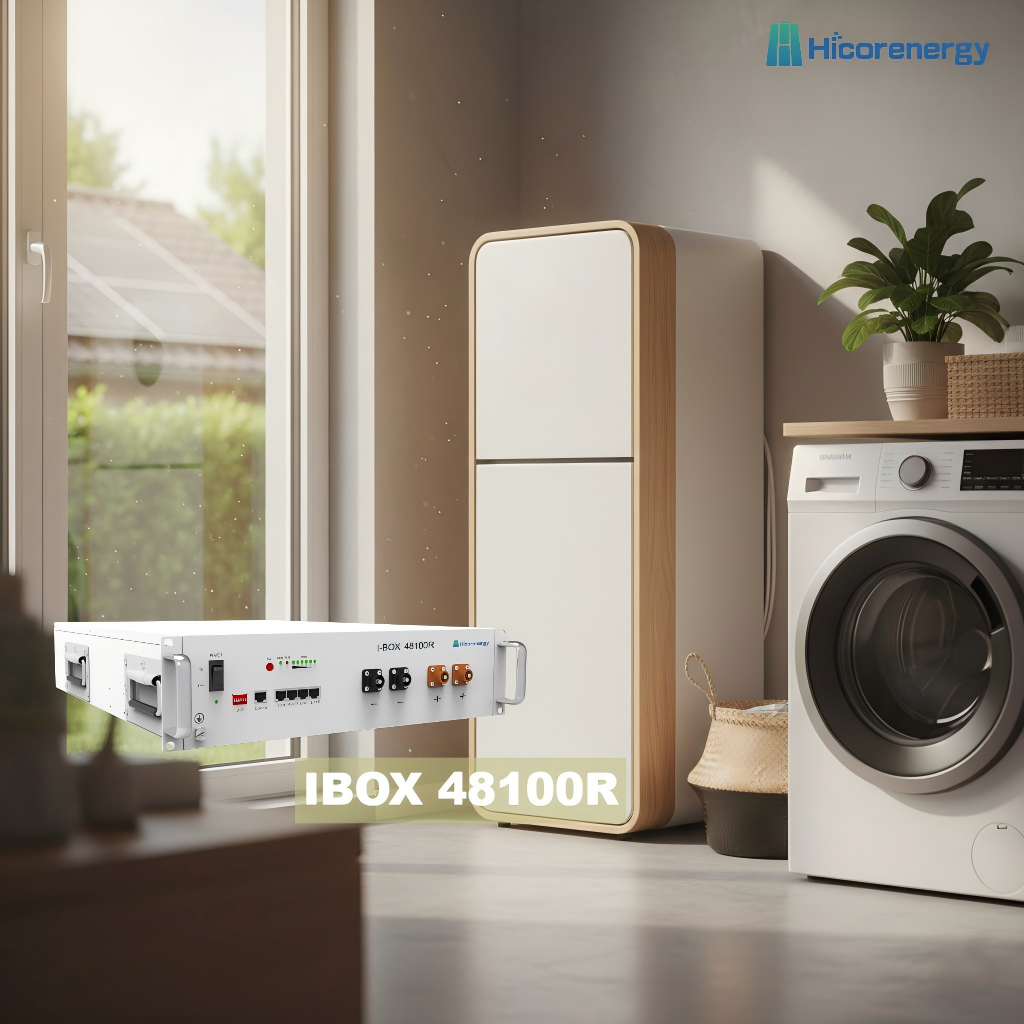
Table of Contents
How long can a 10 kWh battery power my home during an outage?
A 10 kWh battery can power a typical home anywhere from 8 to 24 hours, depending on electricity usage and load management. For essential loads only—such as lighting, Wi-Fi, refrigerator, TV, and phone charging—a 10 kW Battery performs very efficiently.
Below is a simplified reference table showing how long a 10 kWh battery may last during a power outage backup power scenario:
| Load Type | Average Power | Runtime (10 kWh battery) |
|---|---|---|
| Essential loads only | ~400 W | 20–24 hours |
| Moderate household use | ~800 W | 10–12 hours |
| High consumption | ~1,200 W | 6–8 hours |
Homes with smart load control, energy-efficient appliances, or solar panel battery storage can significantly extend runtime. When paired with solar, a 10 kW Battery can recharge during the day, enabling multi-day backup during grid outages.
What is the average cost of a 10 kWh home battery with installation?
The average solar battery cost for a 10 kWh battery typically ranges between USD 6,000 and USD 12,000 installed, depending on brand, inverter compatibility, installation complexity, and regional labor costs. While the upfront investment may seem high, prices continue to decline as battery technology matures.
Understanding cost alone isn’t enough. In the next sections, we’ll explore appliance compatibility, solar sizing, and the real difference between 10 kW Battery ratings and usable energy—critical factors that determine real-world value and return on investment.
Can a 10 kWh battery run an air conditioner or other large appliances?
Yes, a 10 kWh battery can run large appliances—but duration matters. A central air conditioner typically consumes 2–4 kW, meaning a single 10 kW Battery could power it for only 2–4 hours without solar input.
However, many homes use energy-efficient mini-split AC units (800–1,200 W), which are far more compatible with home battery backup systems. Appliances like washing machines, microwaves, water pumps, and EV chargers can also run on a 10 kWh battery, but not all at once.
Smart energy management is key. Systems such as Hicor energy’s Si LV1 modular battery allow homeowners to stack capacity, while products like iBox 48100R are designed for stable high-load discharge. When paired with load prioritization, a 10 kW Battery becomes a practical and flexible backup solution.
How many solar panels do I need to charge a 10 kWh battery?
To fully charge a 10 kWh battery in one day, most homes need 3–5 kW of solar panels, depending on sunlight conditions and system efficiency.
Here’s a simple estimation chart:
| Solar System Size | Daily Output (Avg) | Charging Result |
|---|---|---|
| 3 kW solar array | 12–15 kWh/day | Partial to full charge |
| 5 kW solar array | 20–25 kWh/day | Full charge + household use |
This makes solar panel battery storage an ideal pairing. During the day, solar energy powers your home while excess energy charges the 10 kW Battery, ensuring reliable power outage backup power at night or during grid failures.
What’s the difference between a 10 kW and a 10 kWh battery?
This is one of the most common points of confusion.
- 10 kWh battery = total energy storage capacity (how much energy is stored)
- 10 kW Battery = maximum power output (how fast energy can be delivered)
Think of kWh as the size of a fuel tank and kW as the engine’s horsepower. A battery may store 10 kWh but only deliver 5 kW at once, limiting which appliances can run simultaneously.
Understanding this difference is crucial when choosing a home battery backup system, especially if you plan to run air conditioners or heavy loads during outages.
Is a 10 kWh battery storage system worth the investment in 2025?
In 2025, a 10 kWh battery is more valuable than ever. Rising electricity prices, unstable grids, and increasing solar adoption make energy storage a smart investment. Homeowners benefit from:
- Reduced grid dependence
- Lower peak electricity bills
- Reliable power outage backup power
- Higher solar self-consumption
When paired with time-of-use tariffs, a 10 kW Battery can pay for itself faster by storing cheap or free solar energy and discharging during peak price hours. For many households, the combination of resilience and long-term savings makes a 10 kWh battery system a financially sound choice.
Why choose Hicorenergy for your home battery backup?
Hicorenergy provides reliable, scalable solutions such as Si LV1 and iBox 48100R , designed for safe, efficient solar panel battery storage. Our systems support modular expansion, smart energy management, and long-term performance for modern homes.
Contact us:
📧 Email: service@hicorenergy.com
📱 WhatsApp: +86 181-0666-0961
-2048x617.png)
 English
  Español
  Deutsch
  Français
  Italiano
  Bahasa Indonesia
  Svenska
  Română
  Українська
  Tagalog